
June 20, 2026
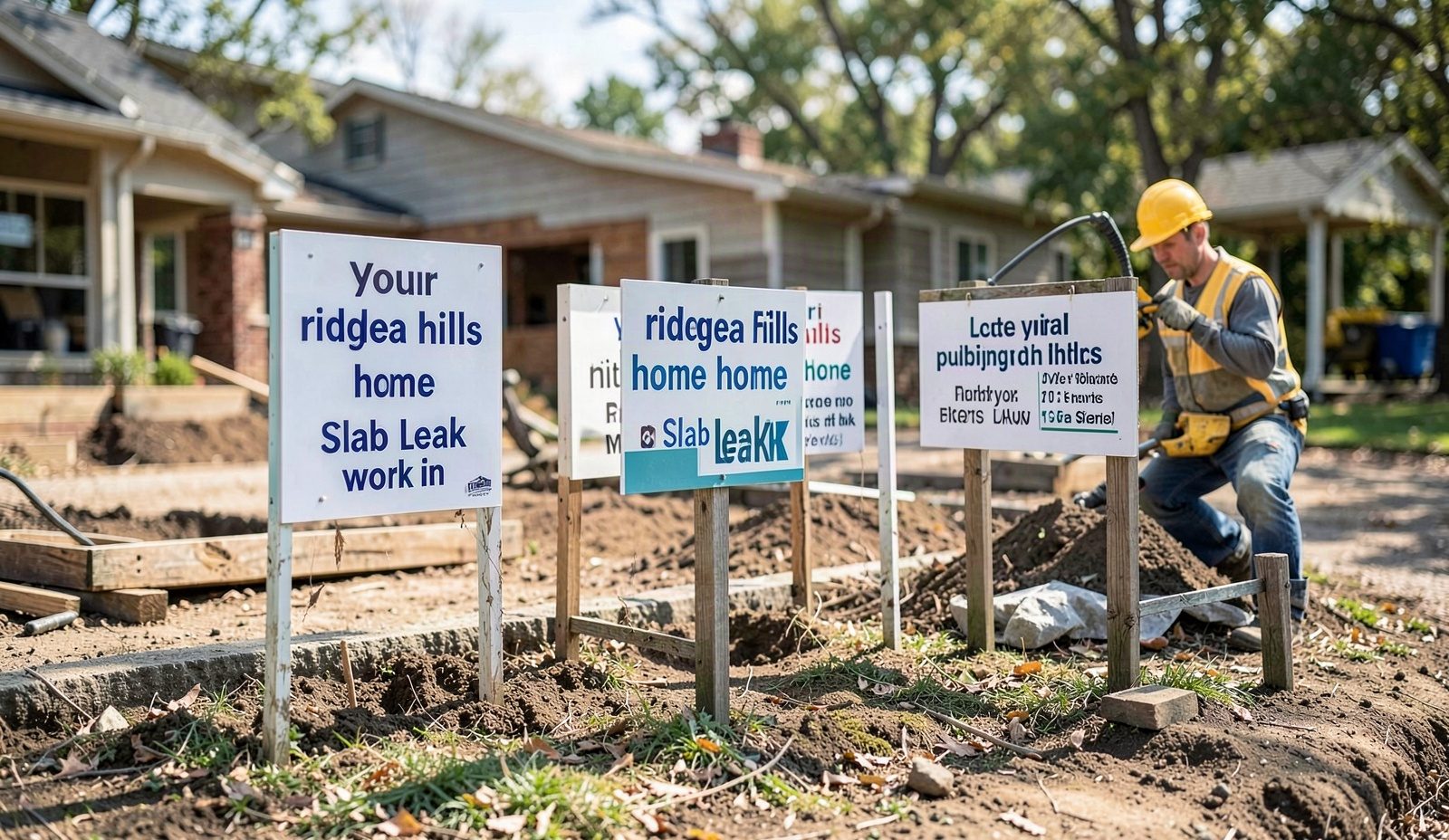
5 Signs Your Ridglea Hills Home Has a Slab Leak
5 Signs Your Ridglea Hills Home Has a Slab Leak, practical local guidance from Shield Plumbing Fort Worth, Fort Worth's trusted plumbing tea…
Read More




A rotten egg smell from the sink usually means hydrogen sulfide gas is escaping past a dried-out trap or a cracked vent. The pipe itself is rarely rotting anything at all. A sewer gas odor in house air that gets stronger after a hot shower or a run of laundry points to a drain smells bad problem tied to venting, not a simple clog. A sewer smell in bathroom air that shows up only when the exhaust fan runs signals negative pressure pulling gas past the wax ring or trap, a mechanical issue any Fort Worth home with a slab foundation can develop. A smelly kitchen drain often shows up first because grease and food particles build biofilm faster than any other fixture in the house.
Most causes trace back to one of a handful of mechanical failures. A guest bathroom that sits unused for weeks lets its trap seal evaporate, opening a direct path for gas. A vent stack clogged with leaves or a bird nest at the roof termination stops air from equalizing, so gas gets pushed out through the nearest fixture instead. A sagging section of drain line holds standing water that never fully clears, and that trapped water sours and smells like sewage because functionally it is sewage sitting still.
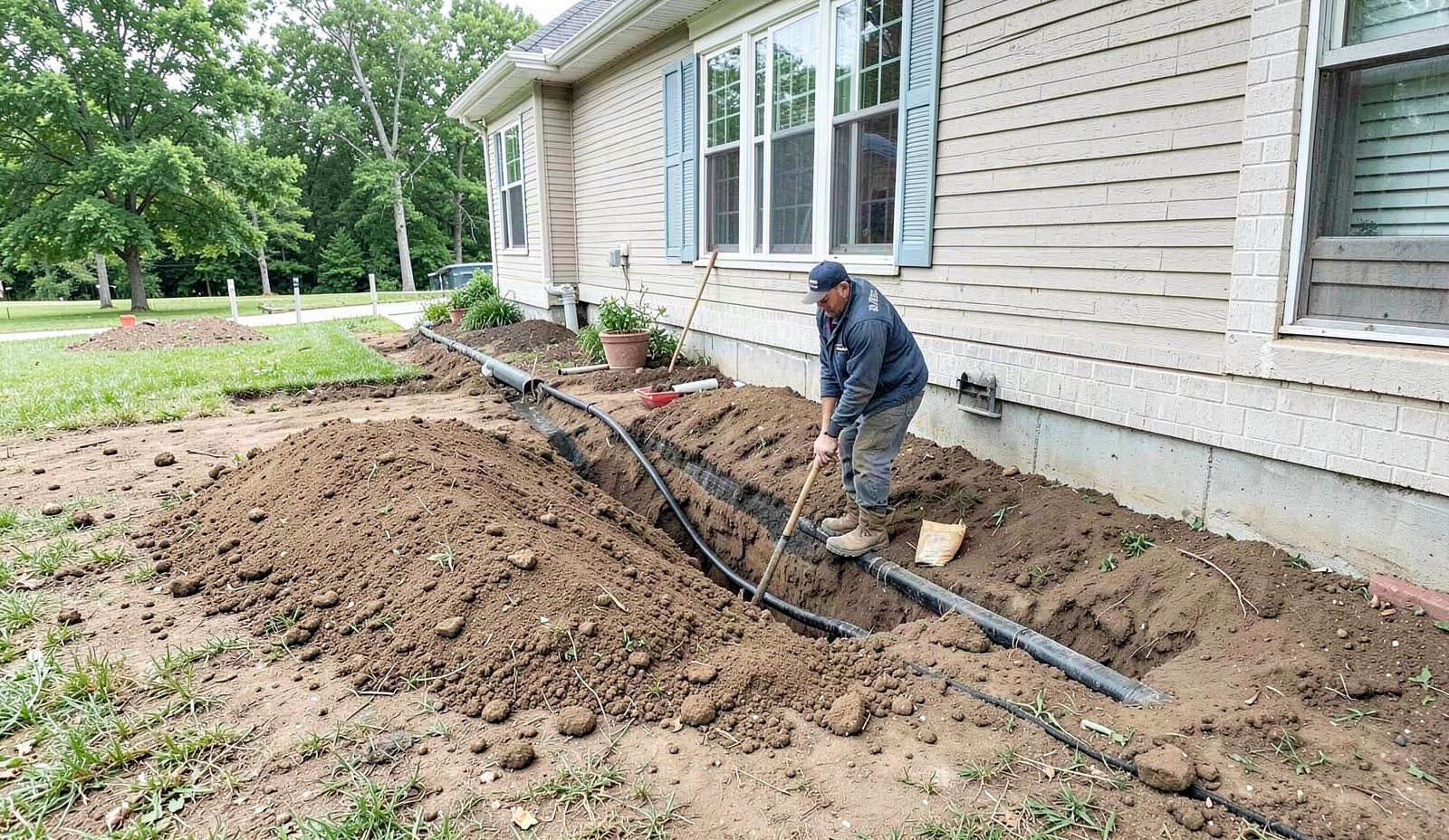
Homes in Fairmount and Arlington Heights sit on North Texas expansive clay, and that clay swells with spring rain and shrinks hard in the August drought. That seasonal movement shifts the slab enough to shear copper supply lines and separate drain joints running under the house, letting sewer gas seep up through hairline gaps around plumbing penetrations long before any wet spot ever shows up in the yard.
Ignore the smell and the failure keeps moving. A separated joint under the slab keeps leaking, wicking moisture into the sub-slab soil until the ground under one corner of the foundation softens and settles unevenly. Standing sewage under a house also feeds mold and pest conditions no amount of air freshener will mask, and a drain line that starts as a slow drip under the slab often ends as a full excavation once the leak undermines enough soil to crack the slab itself.
If this sounds close but not quite your situation, emergency sewer backup cleanup may be the better starting point.
The U.S. Department of Energy's water heating guide is a solid primer on operating costs if you want to dig into the numbers yourself.
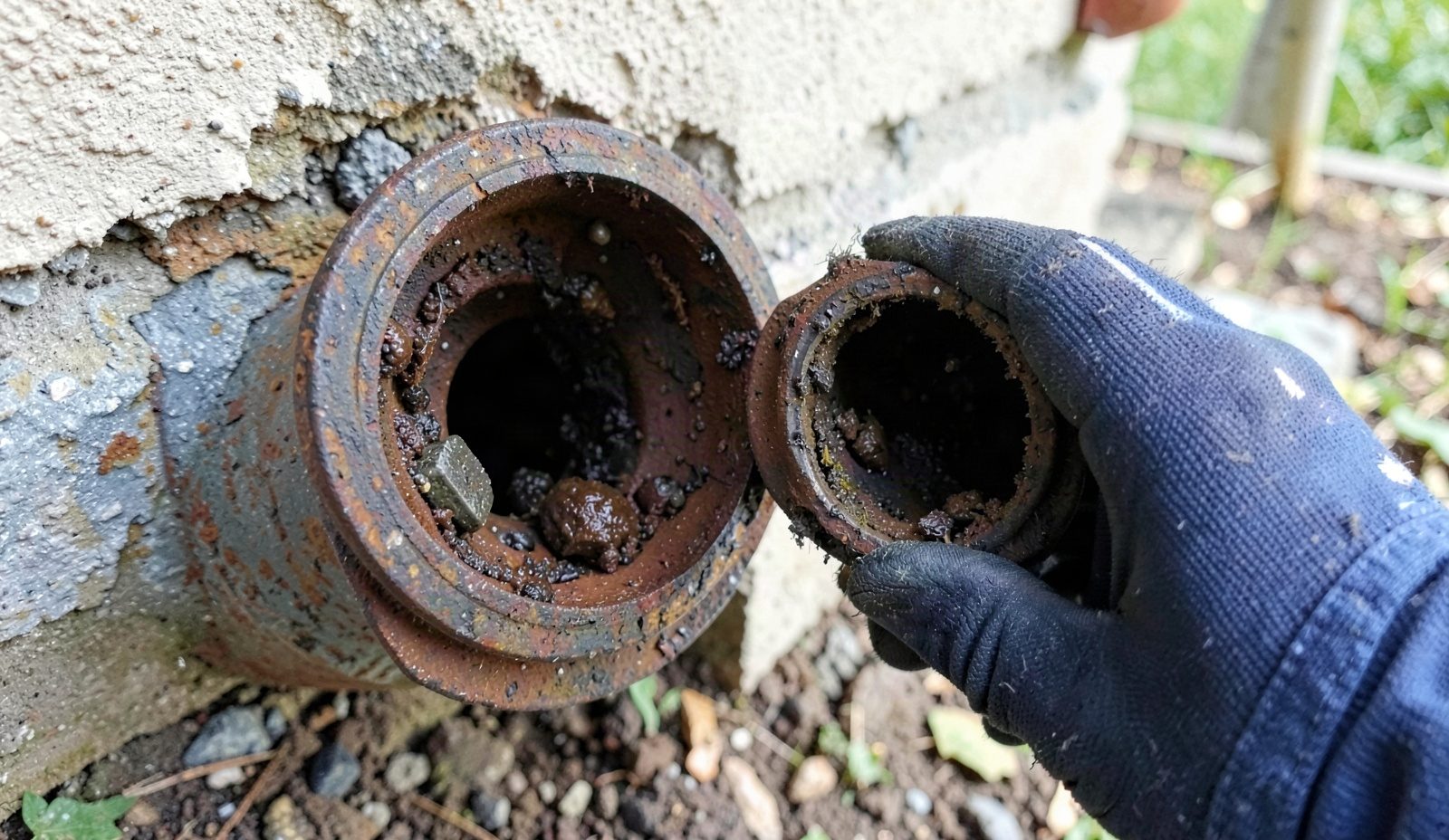
Tracing a sewer odor starts with isolating which fixture is the source before any product goes down a drain. We run a smoke test on the vent stack from the roof, watching for smoke escaping at a wall penetration or floor seam, which pinpoints a cracked vent line long before it shows up as a moisture stain. A hydrogen sulfide meter reading at the fixture confirms whether sewer gas is actually present, which tells us whether we are chasing a venting problem or a trap seal problem.
Every trap needs a column of standing water to block gas, and once that water evaporates in a rarely used bathroom, the trap stops doing its job. We check trap seal depth with a probe and refill low traps on the spot, then scope the branch line with a sewer camera to rule out a bellied section holding sludge, which smells like standing sewage because it is.
Where a fixture sits too far from an existing vent stack to re-pipe through the roof, a Studor air admission valve opens under negative pressure and reseals rather than venting to open air, a legitimate option under the locally adopted plumbing code for specific fixture counts, though its diaphragm still needs replacement every several years, unlike a standard through-roof vent stack that has no moving parts to fail. We also read static water pressure at an outdoor spigot on every service call. A reading above 80 psi calls for a pressure-reducing valve under Section 604.8 of the International Plumbing Code, and pressure that has been hammering fittings for years is often the same force that loosened the joint now leaking sewer gas into the house.
See sewer line repair & replacement for how the related work is scoped and priced.
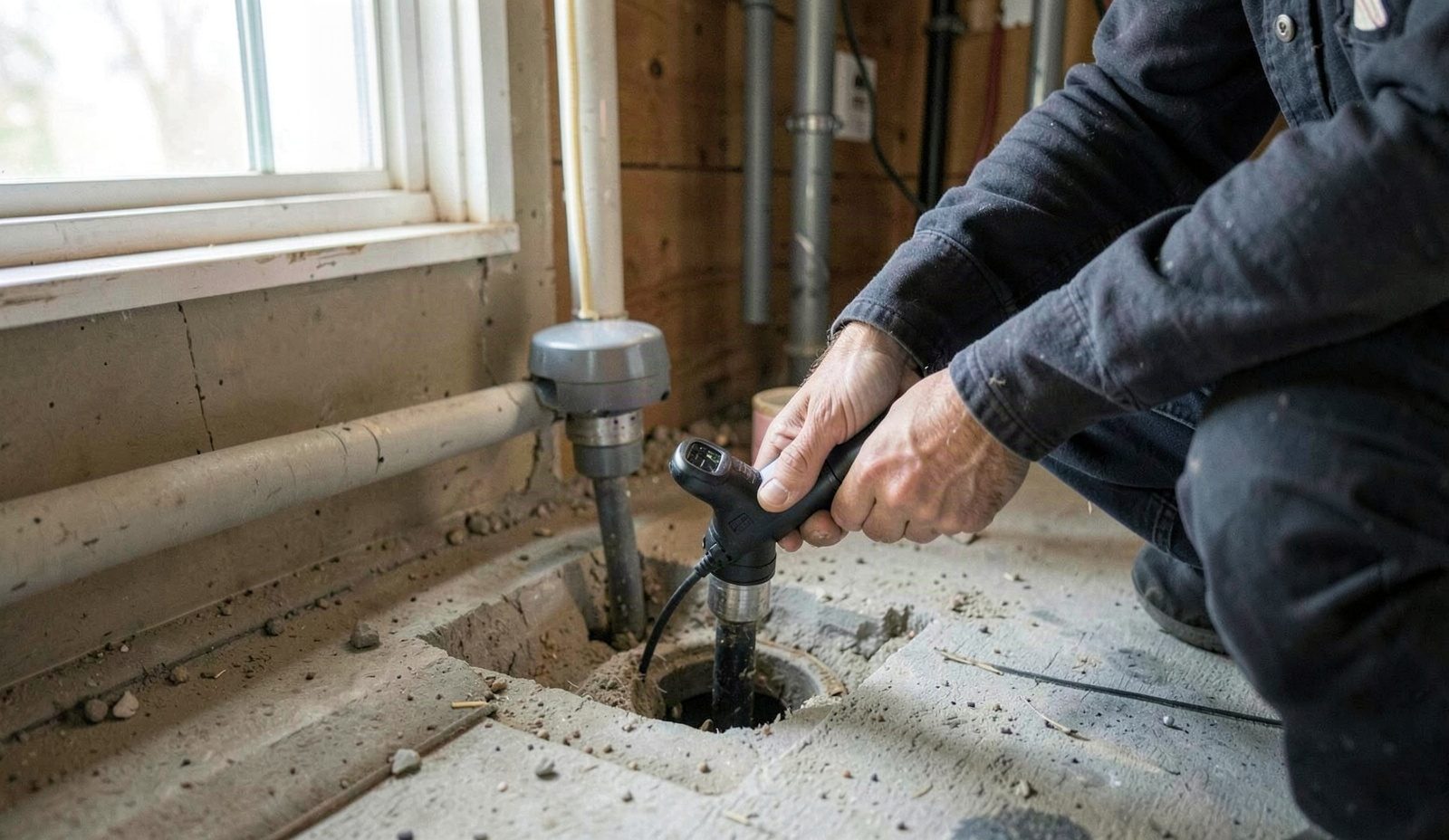
You call (817) 710-3766 and describe the smell, where it's strongest, and when it shows up. On arrival, the technician walks the affected rooms first, checking the smell's pattern before touching a single fixture, whether it shows up after the exhaust fan runs, after a shower, or all day. Next comes a visual check of every trap, cleanout cap, and vent termination visible from inside and outside the house. That walk-through usually takes fifteen to twenty minutes and ends with the technician naming the two or three most likely sources before any tool comes out.
With likely sources narrowed down, the technician runs the camera scope, smoke test, or trap-seal check needed to confirm the exact failure point, then writes the scope and price for you to review. Floor protection and a drop cloth go down before any cutting starts. Once you approve the written number, the technician opens the access point, whether that's a trap, a cleanout, or a section of drywall over a vent line, and replaces or resets the failed part with matching material, PVC to PVC or the correct cast iron repair coupling where the existing line is cast iron.
Before closing anything up, the technician refills every trap on the branch line and confirms no gas smell returns at the fixture over several minutes. On camera-scoped repairs, a second pass down the line confirms water flows freely with no standing sections left. The technician then walks the fixture with you, explains what failed and what was replaced, and leaves a written record of the work performed and any parts used, useful if the same wall or slab area ever needs attention again.
Fort Worth plumbing work falls under the City of Fort Worth plumbing code, based on the International Plumbing Code, and that adoption shapes real decisions on a sewer odor call, from vent sizing to how a cleanout gets accessed. Structural repairs, like replacing a section of drain line under a slab, typically call for a permit, while a like-for-like trap or wax ring swap usually does not, and the final call belongs to the permit authority for the project address.
Housing stock varies block by block. A century-old bungalow near the Near Southside or a mid-rise condo in the Cultural District can share the same block but not the same drain material, vent configuration, or cleanout access, and a technician who has only worked new-construction subdivisions elsewhere will miss that a cast iron stack needs a different repair coupling than PVC.
An operator unfamiliar with Fort Worth's permit rules will sometimes patch a slab-related repair without ever filing paperwork, and that gap surfaces later at resale when an inspector cannot find a matching permit record for work that clearly disturbed the foundation. Technicians working Fort Worth calls regularly should recognize a dried trap seal from a bellied drain line by smell and sound alone before a camera ever goes down the pipe, and should know which repairs need paperwork filed before the first cut.
Our page on commercial sewer line repair covers that side of the work in more depth.
Your local utility, Payment options, publishes service and water-quality information every Fort Worth homeowner should know.
Call (817) 710-3766 and describe what you're smelling and where. Most sewer odor calls in Fort Worth get a same-day or next-morning appointment, with an arrival window texted to you the morning of the visit. If the technician finishes an earlier job faster than expected, you get a call asking whether an earlier slot works instead of a surprise knock. If parts need ordering after the camera inspection, we schedule the follow-up visit before we leave your driveway, so the second trip is already on the calendar rather than an open-ended callback with no date attached.
Every drain and trap we open sits over a floor mat and catch basin, so nothing splashes onto tile, hardwood, or carpet. Camera cable and hand tools go down on a drop cloth staged at the access point, whether that's a yard cleanout or a trap under the kitchen sink. Old fittings, cracked wax rings, and sludge pulled from a bellied line go straight into a sealed bag kept separate from your household trash. Before the technician leaves, the work area gets wiped down and the access panel or cleanout cap goes back exactly where it was.
What drives the estimate is access, not the smell itself. Cutting into drywall to reach a vent stack costs more than swapping a dried trap under an open sink, and a drain line under a slab that needs a section replaced costs more than clearing a vent. After the camera inspection and pressure check, the technician writes the scope and price on the spot, in plain language you can read before signing anything. Work starts only after you approve that written number, and if the scope changes once a wall is open, you see the revised number before more work begins.
Every technician dispatched on a sewer odor call has passed a background check and spends ongoing hours each year on the current plumbing code cycle, including recent updates to venting and trap seal requirements. New hires shadow a senior technician on live camera inspections and trap diagnostics before running a solo call, and supervisors spot-check completed jobs against the written scope. That process catches a missed cleanout or a skipped trap-seal measurement before it becomes a repeat visit.
Fixing a sewer smell for good depends on finding the exact broken seal or vent letting gas escape. Pouring bleach or baking soda down the drain covers the smell for a day or two if the real cause is a dried trap, a cracked vent, or a bellied line under the slab. Shield Plumbing Fort Worth runs a camera scope and trap-seal check to find that point, then resets or replaces it and confirms the fix with a follow-up water test.
Nothing neutralizes sewage smell permanently except sealing the leak or refilling the dry trap letting the gas through. Enzyme drain treatments break down organic buildup in a smelly kitchen drain and can cut odor from grease buildup, but they do nothing for gas escaping past a dried trap or cracked vent stack. Charcoal or ozone units mask the smell in a room without touching the source. A technician identifies the exact leak point during a full drain inspection before recommending any product.
A sewer smell in the house means gas is escaping past a dried trap, cracked vent, or broken joint. Rarely used guest bathrooms and laundry room floor drains dry out fastest, since evaporation empties the trap seal with no water running through to refill it. A washing machine standpipe missing its trap cap is another overlooked source, since laundry areas rarely get checked until the smell spreads to nearby rooms. A technician traces the smell room by room before opening anything.
A drain smells bad with no blockage when a dry trap or bad seal leaks gas. A kitchen drain in particular can smell bad from grease and food film coating the pipe past the trap, a problem a snake clears but a chemical drain opener rarely reaches. A floor drain in a garage or utility room dries out fastest of all fixtures, since it may go months without water running through it. Pouring a quart of water down any rarely used drain once a month keeps its trap sealed and prevents this exact complaint.
Refilling a dry trap yourself is doable, but tracing gas past a vent or slab joint is not. Pouring a cup of water down a rarely used floor drain or replacing a p-trap under a sink are simple do-it-yourself fixes. Anything involving a vent stack behind drywall, a cleanout access point, or a suspected joint separation under the slab calls for a camera scope and gas meter reading most homeowners do not own. Attempting that repair without confirming the actual failure point often means cutting into the wrong wall.
Same-day appointments are available for most sewer odor calls across the Fort Worth area. Calling (817) 710-3766 before early afternoon usually gets a technician out that same day. Calls after that typically move to the first available slot the next morning. A backed-up sewage smell paired with slow drains across multiple fixtures gets priority routing ahead of a single slow-draining sink, since that combination often signals a main line problem rather than one bad trap.
Homeowners insurance coverage for a sewer odor repair depends on what caused it. A sudden pipe burst or backup that damages flooring or drywall is often covered, subject to the policy's specific exclusions, since many standard policies exclude sewer backup unless a separate rider was purchased. A slow leak from a joint that separated months or years ago, causing gradual damage, is the kind of claim insurers scrutinize hardest and sometimes deny as a maintenance issue. Reading the exact backup and gradual-damage language in your policy first saves a denied claim later.
Cost for a sewer odor repair depends on what failed and how hard it is to reach. A simple trap refill or wax ring swap costs far less than opening a wall to reach a cracked vent stack or excavating a section of drain line under a slab. Access is the biggest driver: a cleanout in the yard is a quick fix, while a joint separated under a bathroom in the center of the house means cutting through flooring or a slab first. A written scope after the camera inspection lays out exactly what drives the number for your specific repair.
Permit needs depend on the repair, and minor trap fixes usually skip it. Replacing a trap, wax ring, or single fixture typically does not need a permit, but replacing a section of drain line, especially anything under the slab, typically does. The City of Fort Worth Development Services Department makes the final call for Fort Worth addresses, and a technician pulling that permit before opening the slab keeps the repair documented for any future inspection or resale.
Pre-1970 neighborhoods across the metro, including sections of Wedgwood and Ridglea Hills, were plumbed with galvanized steel supply lines and cast iron drains, and both materials are now at or past the end of their service lives. Cast iron rusts from the inside out, and as the pipe wall thins, sewer gas finds a path through hairline cracks at the joints long before the pipe collapses outright. Scale buildup inside an aging cast iron drain also narrows the usable diameter, slowing drainage enough that waste sits longer in the line and off-gasses more before it clears, which is why a bad drain smell in one of these homes often shows up gradually over a season rather than overnight.
Fort Worth inspectors see sewer odor complaints most often during resale inspections, when a buyer's inspector runs water through every fixture and checks for gas smell at vents and cleanouts a seller stopped noticing months earlier. A repair done without pulling the required permit on structural work can surface at that inspection as an unpermitted alteration, complicating a closing. Working the same neighborhoods repeatedly builds a working knowledge of which streets still run cast iron laterals versus which have already been replaced with PVC, and that history shortens the diagnostic time on the next call instead of starting from zero on every house.
Explore our service area and locate Shield Plumbing Fort Worth with ease. We're proudly local and serve the surrounding neighborhoods with fast response and honest pricing. Use the map to check our coverage area, or call us and we'll confirm in seconds.
Address:
Shield Plumbing Fort Worth, 210 W 7th St, Fort Worth, TX 76102
5 Signs Your Ridglea Hills Home Has a Slab Leak, practical local guidance from Shield Plumbing Fort Worth, Fort Worth's trusted plumbing tea…
Read More
What Wedgwood Residents Should Know Before a Whole-Home Repipe, practical local guidance from Shield Plumbing Fort Worth, Fort Worth's trust…
Read More
How Fort Worth's Hard Water Is Quietly Destroying Your Water Heater, practical local guidance from Shield Plumbing Fort Worth, Fort Worth's …
Read More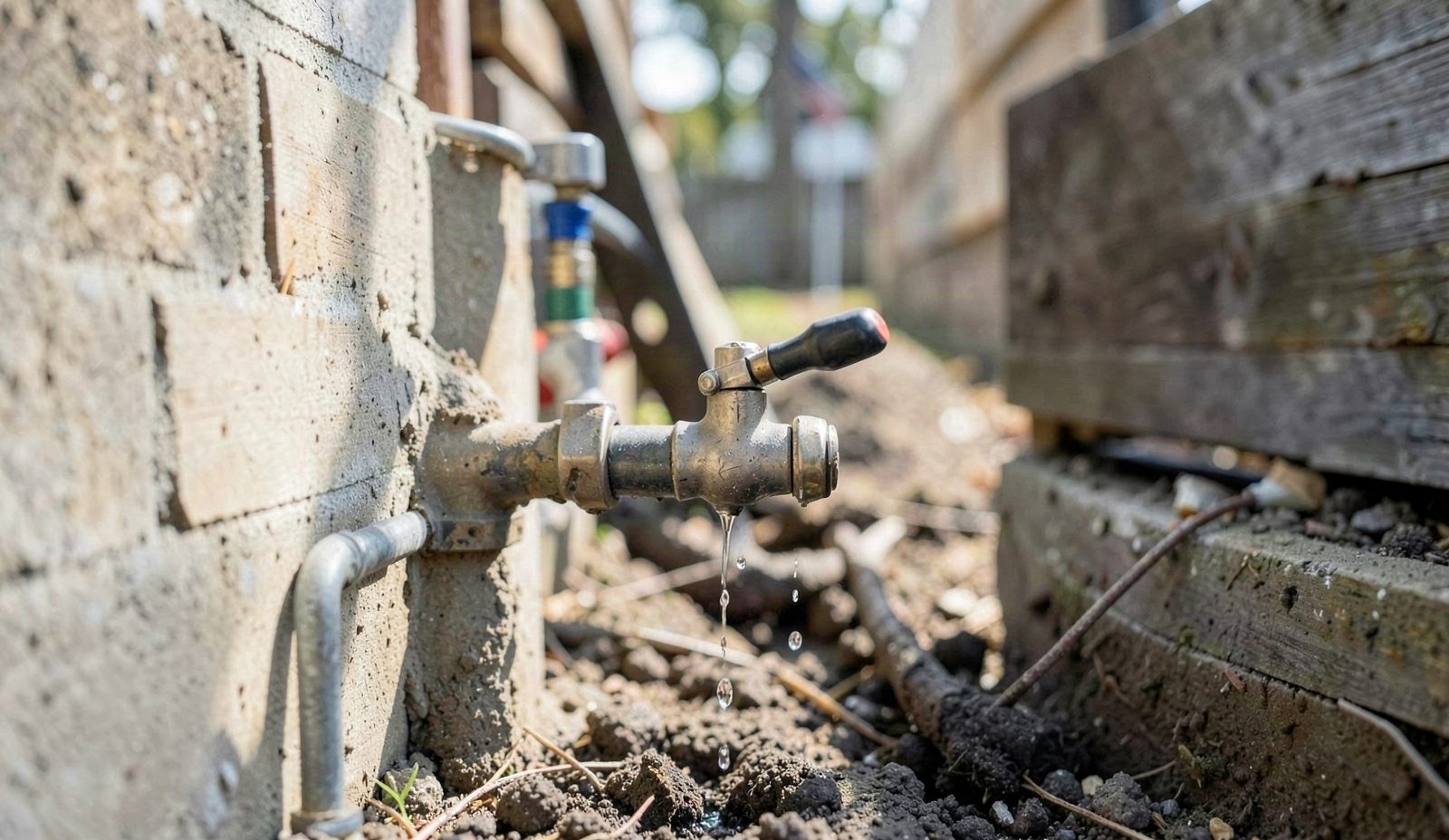
The Hidden Cost of Ignoring a Dripping Faucet in Fort Worth, practical local guidance from Shield Plumbing Fort Worth, Fort Worth's trusted …
Read More