
June 20, 2026
5 Signs Your Ridglea Hills Home Has a Slab Leak
5 Signs Your Ridglea Hills Home Has a Slab Leak, practical local guidance from Shield Plumbing Fort Worth, Fort Worth's trusted plumbing tea…
Read More




A commercial property in Fort Worth rarely finds out its backflow assembly failed on its own. The first sign is usually a letter: a notice of non-compliance from the water utility's cross-connection control program, flagging an overdue annual test. Sometimes it shows up sooner, in the mechanical room itself. An RP valve dumping water continuously out its relief port means the second check valve has fouled and pressure is bleeding past it around the clock. A DCVA that hums or chatters under flow points to a worn check disc, not a fitting that needs tightening. Tenants notice it too, a faint chemical taste at the break room tap, or water that runs cloudy for a few seconds after being off overnight.
The properties most exposed are the ones with real cross-connection risk built into daily operations. A restaurant kitchen in Fairmount running a chemical-injection dish machine off the same line as the hand sinks needs a device rated for that hazard class, not a residential-grade check valve. A strip retail center in Arlington Heights irrigating landscaping straight off the domestic meter needs a pressure vacuum breaker sized and oriented correctly, or lawn chemicals and standing water can siphon back into the building's drinking supply the moment pressure drops. Medical and dental suites near the Near Southside corridor carry the same exposure through vacuum lines and sterilizers tied into potable water. Fire sprinkler risers retrofitted with antifreeze loops, common in older Near Southside warehouses converted to breweries and event space, cross into high-hazard territory that a low-hazard double check assembly was never rated to stop.
North Texas expansive clay adds a mechanical failure mode most out-of-state operators miss. The soil under Fort Worth commercial slabs swells hard after a wet spring and shrinks back during a dry summer, and that movement travels up through buried risers. A backflow assembly bolted to a wall six inches off a slab that has shifted a half inch can twist just enough to strain the union fittings on both sides, opening a slow weep at the test cocks long before the check valves themselves fail.
None of this resolves on its own. A property that lets a failed test slide past its renewal date risks a citation, a mandated retest with tighter scrutiny, or a water utility order to disconnect service until a passing report is filed. Once a cross-connection event is traced to an unmaintained device, the liability moves from an inconvenience to a documented contamination incident, the kind an insurer and a health inspector both want an explanation for.
See understanding backflow testing for how the related work is scoped and priced.
Communities like r/Plumbing are full of homeowners comparing notes on exactly this problem, worth a read before a major project.
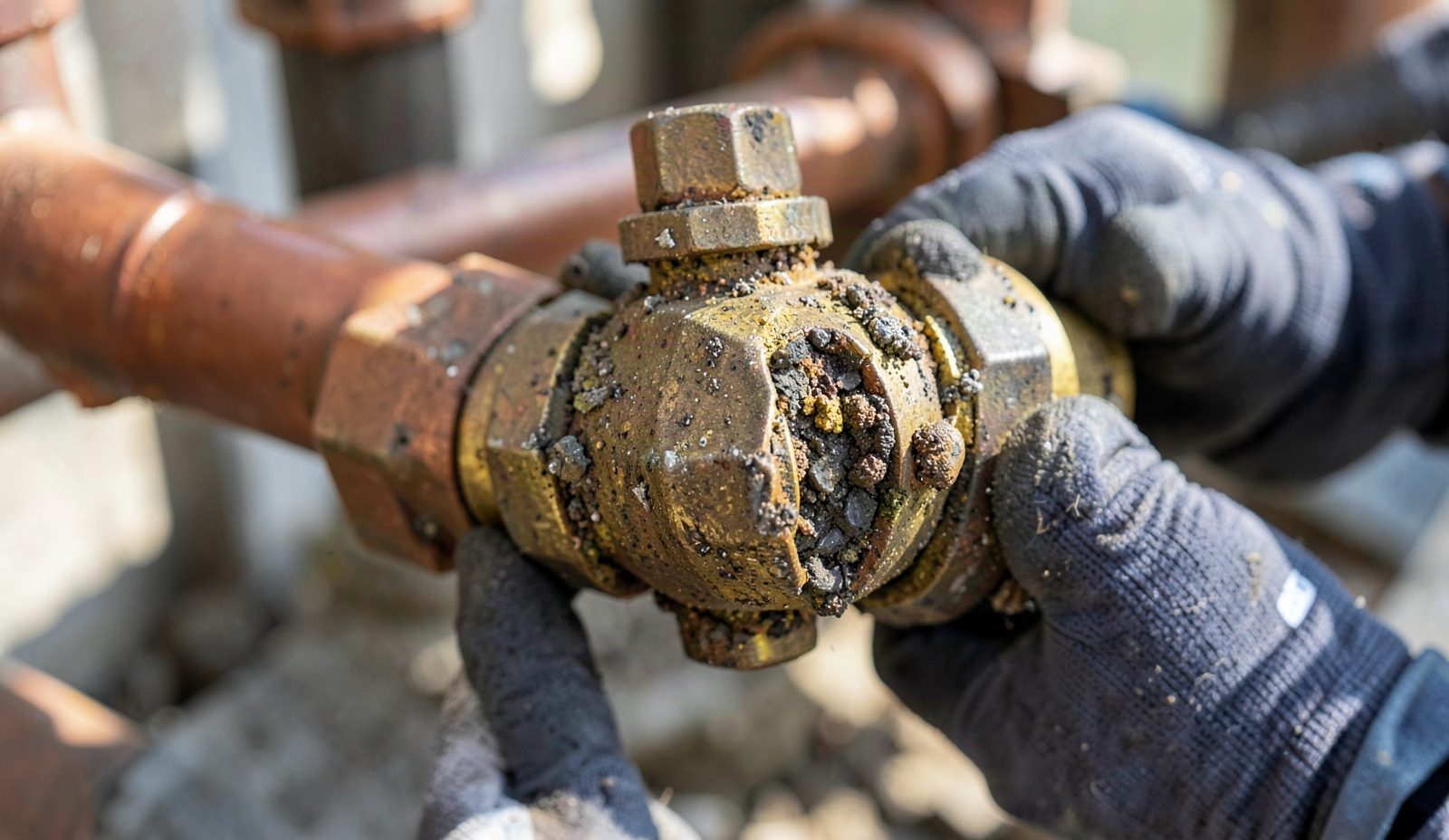
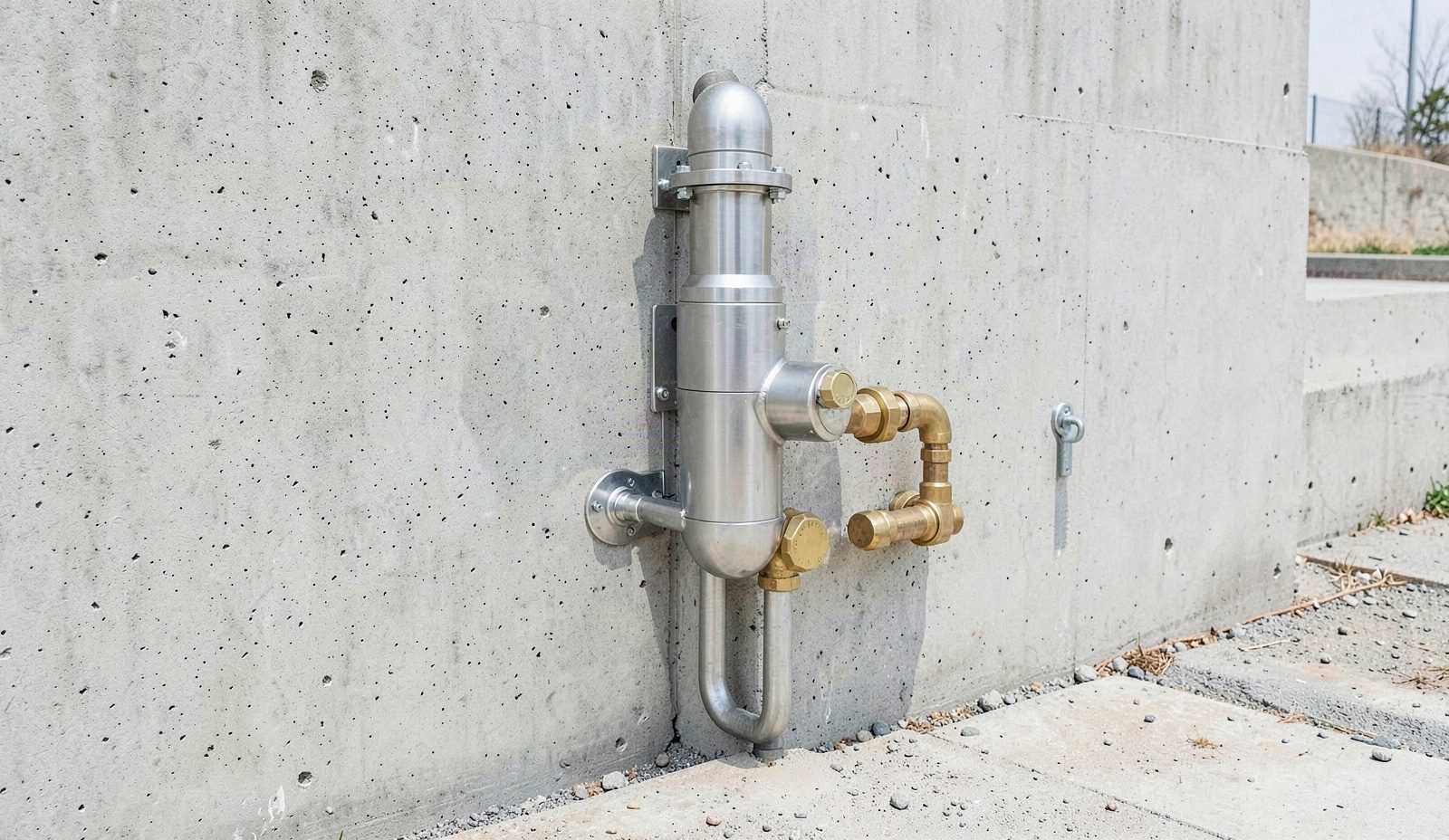
Every backflow assembly test starts the same way, with the device isolated and confirmed dead before anyone opens a test cock. We connect a calibrated five-valve differential pressure gauge kit to the four test cocks on the assembly, bleed the air out of the hoses, and read three numbers in sequence. Check valve number one has to hold a minimum differential of 1 psi under no-flow conditions, or backpressure is passing through when it shouldn't. Check valve number two gets the same test. Then we open the relief valve port slowly and watch where the needle sits when it cracks open, it has to vent to atmosphere before the pressure between the two checks drops below 2 psi, or the relief valve itself is the failure point, not the checks.
Which assembly belongs on a given line is a hazard classification question first, not a preference. A reduced pressure assembly is required anywhere backflow could pull something dangerous into potable water, chemical feed lines, fire sprinkler systems dosed with antifreeze, boiler makeup water, and it has to discharge to a drain because it vents by design under certain fault conditions. A double check valve assembly covers low-hazard service, ordinary fire lines without additives and standard domestic backflow protection, and it does not vent, so it can sit in a vault without a floor drain nearby. A pressure vacuum breaker handles irrigation only, has to be installed a minimum of 12 inches above the highest downstream sprinkler head, and cannot be used anywhere backpressure is possible, only backsiphonage. Installing a DCVA where the hazard class calls for an RP is the single most common failed inspection we find on older Fort Worth commercial retrofits.
The same before-failure logic runs through every compliance system we service around the metro. Grease interceptors get pumped before they reach 25 percent capacity, the standard FOG-program threshold, not after a kitchen line backs up on a Friday night. Backflow testing works the same way: a device that is technically still passing but trending toward its rejection threshold gets flagged for a rebuild kit before it fails outright, not after the water utility sends a notice. Every test we run gets logged with device serial number, test date, and gauge readings, then filed in a compliance record the property can hand to its water utility or its insurer on request.
More detail on commercial kitchen plumbing is on its own page.
Price-checking is smart: marketplaces like Thumbtack publish typical cost ranges you can hold any quote against, including ours.
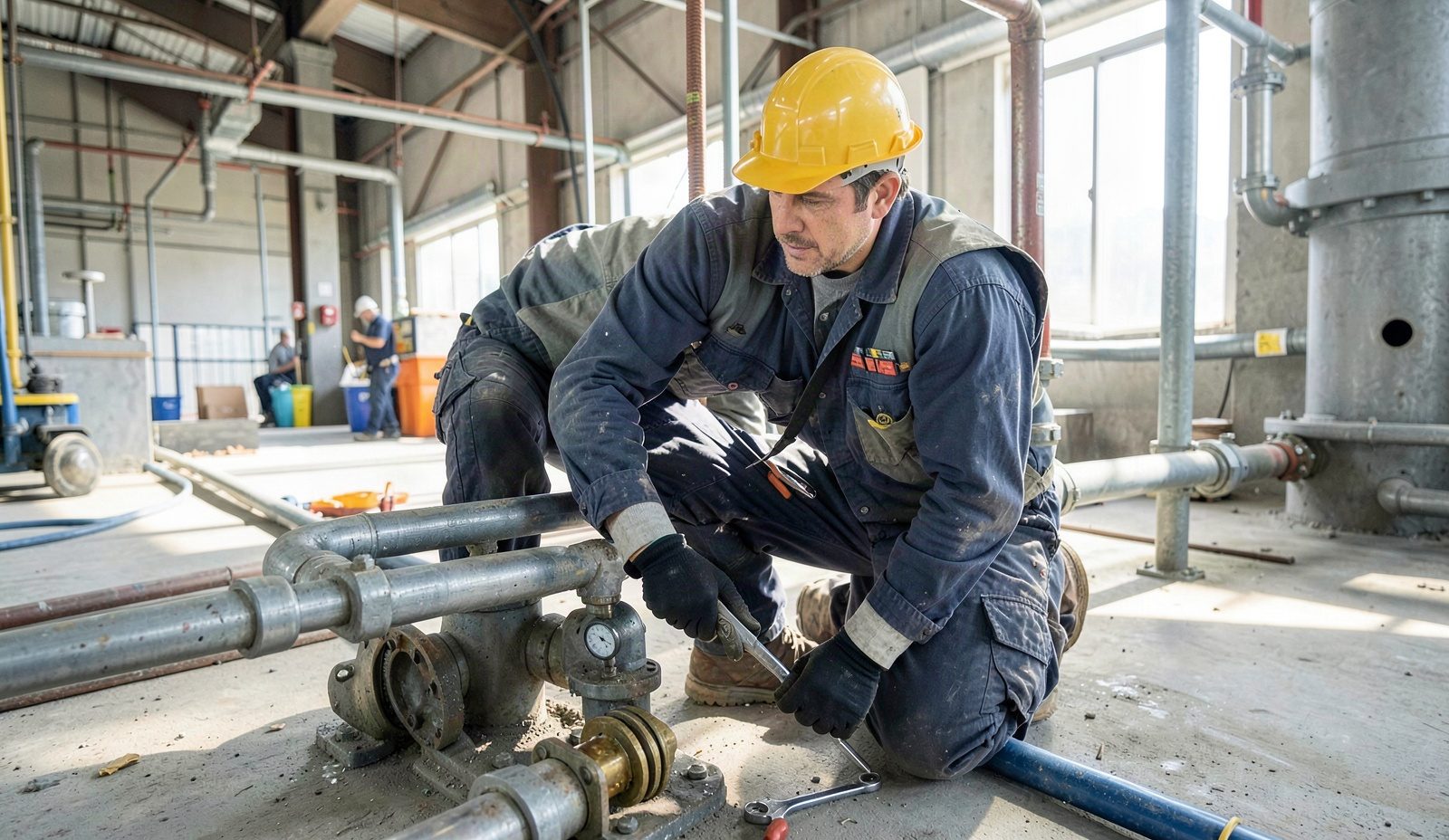
You call and describe the device, its location, and your renewal deadline. A technician arrives in the scheduled window, locates the assembly, and records its make, model, size, and hazard classification against the property's existing compliance file. If the device has never been logged, we document serial number and install date on the spot. We check mounting height, orientation, and clearance around the test cocks before touching a valve, since a device installed out of position can throw off a gauge reading before the test even starts. You get a plain explanation of what the assembly protects and what the test will check.
Once you approve the written quote, we isolate the assembly and connect the differential pressure gauge kit to the test cocks. If both check valves and the relief valve pass at the required thresholds, we log the readings and move to the next device. If a component fails, we quote the rebuild or replacement before opening the valve body, using seat kits and springs matched to the manufacturer and model rather than generic parts. Any discharge routes to a floor drain or containment bucket, and surrounding equipment gets covered before we start.
After any repair, we retest the same assembly to confirm it holds the required differentials before calling the job finished. We walk the results through with whoever is on site, pointing out the actual gauge readings rather than just a pass or fail stamp. Every test gets logged with date, serial number, and readings into a compliance record you can hand to your water utility or your insurer. We also flag the next renewal date so it does not slip past due again.
Commercial backflow work in Fort Worth falls under the 2021 International Plumbing Code as adopted by the City of Fort Worth for commercial occupancies, which sets the installation clearances, air gap requirements, and device orientation rules an inspector checks before signing off on new construction or a device replacement. We size and orient every RP and DCVA installation to that code, not to whatever fit in the mechanical room drawing.
A large share of Fort Worth's older commercial stock, buildings converted from residences or built out before 1970, was plumbed with galvanized steel supply lines and cast iron drains that are now past their service life. Tying a new backflow assembly into a galvanized riser without addressing the corrosion and reduced bore first is how a passing test today turns into a leak at the union six months later. We inspect the upstream piping condition as part of every installation quote, not just the device itself.
An out-of-area crew that has not filed a compliance report with a Texas water utility before does not know the report format the cross-connection control program expects, and a rejected filing costs the property the same non-compliance exposure as never testing at all. We schedule around multi-tenant access realities too, coordinating with property managers for after-hours work on fire riser rooms and rooftop mechanical decks so testing does not interrupt a leased tenant's operating hours. Call (817) 710-3766 to walk through what your property's device inventory looks like before your next renewal deadline.
If this sounds close but not quite your situation, backflow prevention & testing may be the better starting point.
Permit and inspection questions? Development Services is the office we coordinate with on every permitted Fort Worth job.
Booking starts with a call to discuss device count, hazard class, and your renewal deadline. Most commercial testing gets scheduled within a defined arrival window, and for restaurants, medical suites, and multi-tenant buildings, we offer after-hours or early-morning slots so testing does not fall during service hours or patient appointments. If a scheduling conflict comes up, like a fire marshal inspection landing the same morning, we call ahead and move the window rather than showing up unannounced. Properties managing several devices across one portfolio can group testing dates so every assembly renews on a similar cycle instead of tracking scattered deadlines property by property.
Backflow work happens in mechanical rooms, vaults, and rooftop decks, not open retail floors, but we still protect the space around it. Drop cloths go down under the assembly before any fitting gets loosened, and any discharge from a relief valve test routes to a floor drain or a containment bucket instead of the floor. Old valve bodies, gaskets, and packaging get bagged and hauled off site the same visit, they do not sit in a dumpster out back for the property to deal with. When we finish, the mechanical room looks the way it did when we arrived, aside from the new tag on the device.
Every quote reflects the device itself first: pipe diameter, hazard classification, and whether it is an RP, DCVA, or PVB. Access matters just as much, a device in an open mechanical room takes less labor than one buried in a locked vault under a parking deck or mounted on a roof with no ladder access. Existing pipe condition factors in too, since older risers in poor condition may need attention before a new assembly ties in cleanly. You get a written, itemized quote before any repair or installation work starts, and nothing beyond the testing itself proceeds without your sign-off.
Every technician who tests or installs backflow assemblies passes a background check before being dispatched to a client site. Training continues on the current plumbing code cycle and on the specific test procedures for RP, DCVA, and PVB assemblies, not just a one-time class taken years ago. New technicians shadow a senior tester through a set number of full test cycles, gauge readings and all, before they run a device solo. That internal check is why the reports we file match what the water utility expects the first time.
Installation cost depends on device size, hazard classification, and how accessible the mechanical room or vault is. A 2-inch DCVA in an open mechanical room costs less in labor than a 4-inch RP assembly mounted on a roof or buried in a locked vault. Upstream pipe condition and whether the job needs new isolation valves also factor in. Call (817) 710-3766 and describe your device and location, and we can talk through what drives the number for your specific installation before writing a quote.
Most Texas water utilities, including Fort Worth's cross-connection control program, require an assembly test once every 12 months to keep a property in compliance. Some high-hazard devices, like those on chemical feed lines or fire sprinkler antifreeze loops, get flagged for more frequent checks by the property's insurer even when the utility only requires the annual filing. Missing the annual window restarts the clock on a citation, so we track renewal dates for properties with multiple devices so nothing lapses.
Test cost varies across Texas by device size, number of assemblies on a property, and how far a tester has to travel between them. A single small DCVA test on an easily accessible line runs less than testing a multi-device property with rooftop and vault-mounted assemblies in one visit. Property managers with several buildings often group testing dates to reduce the per-visit cost. Call to describe your device count and we can talk through what shapes the number for your property.
Valve cost depends on device class and pipe size, a 2-inch DCVA costs less than a 4-inch RP assembly, and bronze bodies cost more than epoxy-coated cast iron at the same size. Rebuild kits, seats, springs, and check discs cost far less than a full valve replacement when the body itself is still sound. We quote the valve and the labor separately so you can see what portion of the number is parts versus install time.
Ignoring a failed or overdue backflow test exposes the property to a water utility citation and, eventually, a service disconnection order until a passing report is filed. Beyond the compliance risk, an unmaintained device that lets contaminated water siphon back into the potable side during a pressure drop creates a documented health hazard the property owner is liable for, not just the water utility. Health department involvement follows if a contamination event is traced to a specific address. The exposure grows the longer a device sits untested.
A permit is typically required for a new backflow assembly installation or a full device replacement, while routine annual testing on an existing device usually does not need one. The City of Fort Worth Development Services Department is the permit authority for Fort Worth addresses, and the final call on what triggers a permit belongs to them, not the installing contractor. We pull permits on installation and replacement jobs and coordinate the required inspection before the device goes into service.
No, testing has to be performed with a calibrated differential pressure gauge kit and the results filed in a format the water utility's cross-connection control program accepts. A property owner without that gauge and without a way to submit an accepted test report cannot self-certify a device, even if the assembly is working fine. Attempting the test without the right equipment risks a false pass that leaves an actual failure undetected until the next inspection cycle.
Estimates start with a phone call describing your device count, sizes, and hazard classifications, followed by an on-site assessment of access and pipe condition. You receive a written, itemized quote covering testing, any needed repairs, and installation if applicable before any work begins. Nothing proceeds past the initial test until you approve the number. Properties with several devices across one site or portfolio can request one combined quote covering the whole inventory.
The February 2021 freeze burst pipes across Tarrant County by the tens of thousands, and outdoor backflow assemblies took some of the same damage as attic supply lines did, cracked relief ports, split check valve bodies, and frozen test cocks that sheared off when a technician tried to open them the following spring. Most commercial RP assemblies in Fort Worth sit outside, on irrigation risers or exterior wall mounts, because code requires the discharge from the relief valve to vent to open air or a drain, not into an enclosed mechanical space. That leaves the device exposed every winter unless it is wrapped, insulated, or housed in a code-compliant enclosure with heat tape on the supply side. Planning a new installation here means specifying that protection up front, not adding it after the first hard freeze cracks a housing that was never rated for it.
Fort Worth's commercial building stock spans eras that each carry a different backflow profile. Post-war office buildings around Wedgwood were plumbed for a fraction of today's fixture count, so a device sized for the original design load often undersizes flow once a tenant adds a break room or a second restroom bank. Mid-century medical offices near Ridglea Hills frequently still run the original mechanical room layout, with a device wedged into a space never meant to fit a modern test kit around it. Mixed-use venues in the Cultural District, converted from older commercial shells into galleries, restaurants, and event spaces, often inherit a backflow assembly installed for the building's previous use rather than its current hazard class. Matching the device to what the space actually does today, not what it did decades ago, is the difference between a report that passes and one that gets kicked back for reclassification.
Explore our service area and locate Shield Plumbing Fort Worth with ease. We're proudly local and serve the surrounding neighborhoods with fast response and honest pricing. Use the map to check our coverage area, or call us and we'll confirm in seconds.
Address:
Shield Plumbing Fort Worth, 210 W 7th St, Fort Worth, TX 76102
5 Signs Your Ridglea Hills Home Has a Slab Leak, practical local guidance from Shield Plumbing Fort Worth, Fort Worth's trusted plumbing tea…
Read More
What Wedgwood Residents Should Know Before a Whole-Home Repipe, practical local guidance from Shield Plumbing Fort Worth, Fort Worth's trust…
Read More
How Fort Worth's Hard Water Is Quietly Destroying Your Water Heater, practical local guidance from Shield Plumbing Fort Worth, Fort Worth's …
Read More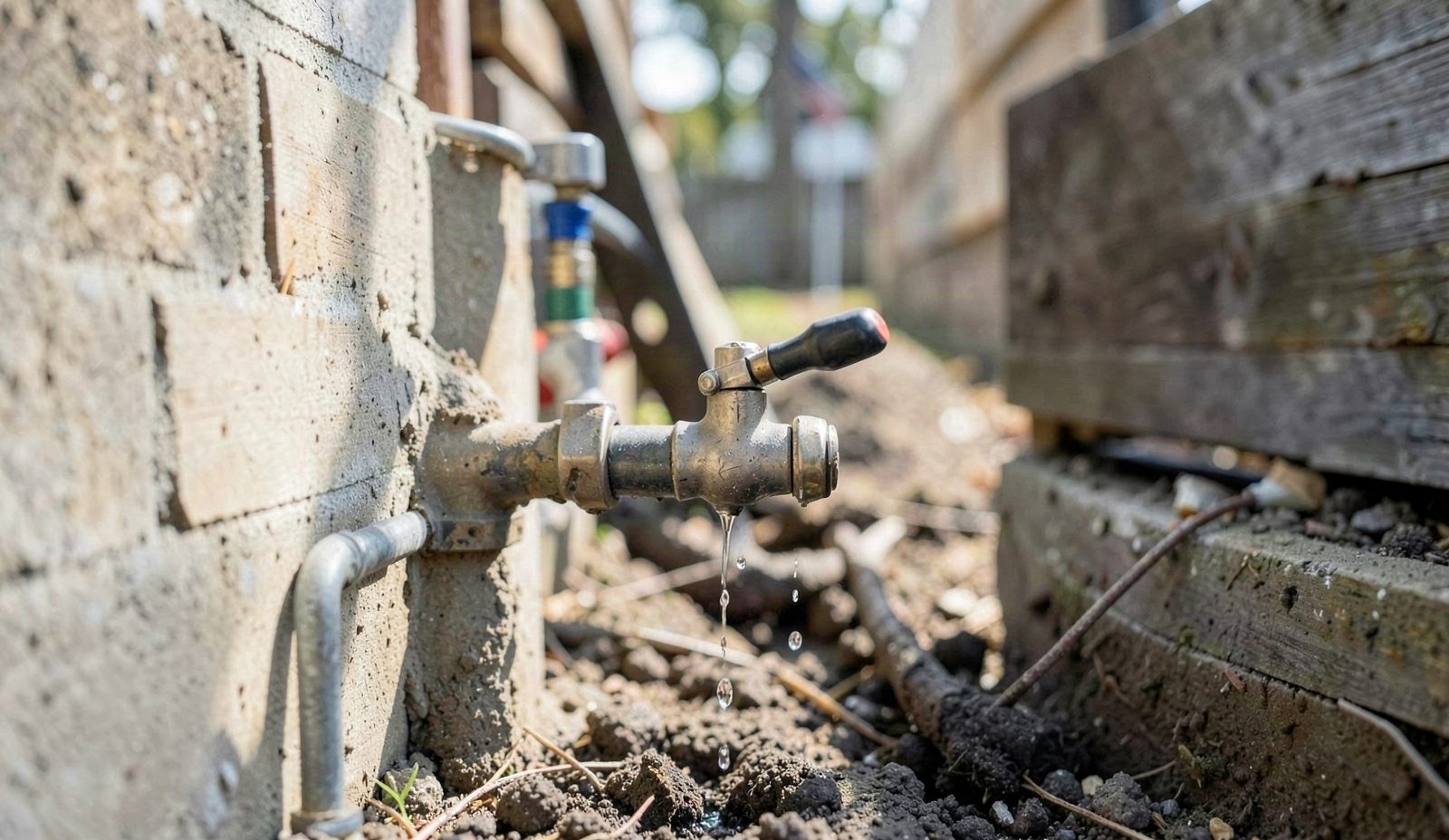
The Hidden Cost of Ignoring a Dripping Faucet in Fort Worth, practical local guidance from Shield Plumbing Fort Worth, Fort Worth's trusted …
Read More