
June 20, 2026
5 Signs Your Ridglea Hills Home Has a Slab Leak
5 Signs Your Ridglea Hills Home Has a Slab Leak, practical local guidance from Shield Plumbing Fort Worth, Fort Worth's trusted plumbing tea…
Read More




A tenant calls about a sewage smell rising from the floor drain in the back kitchen. A property manager near Fairmount notices a ceiling tile in the breakroom bowing, a brown ring spreading along its edge. A retail space along the Near Southside corridor reports water pressure dropping to a trickle every time the dishwasher runs upstairs. These are not nuisance calls. They are the first visible sign of a system already failing below the slab or inside a wall cavity nobody can see.
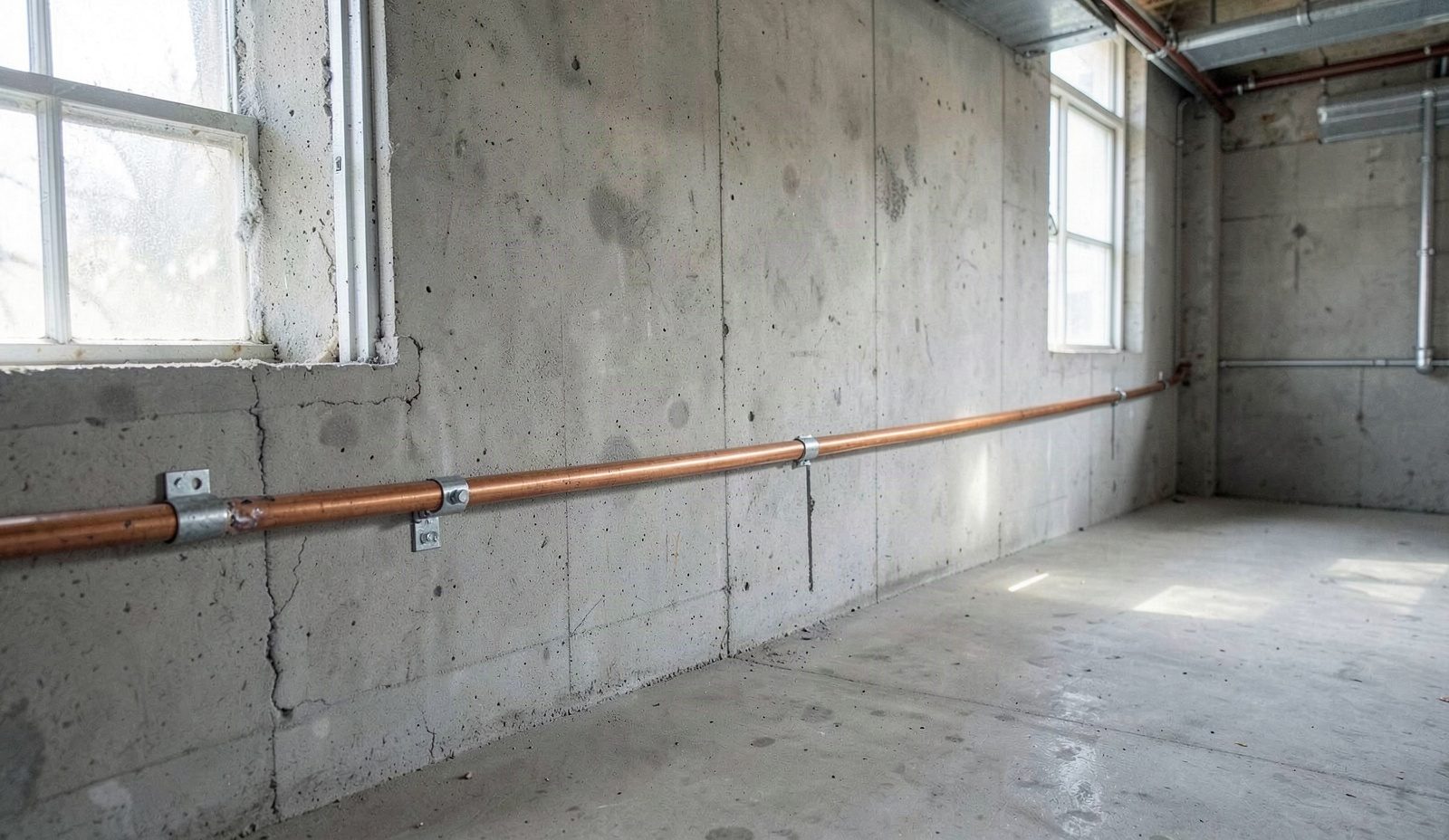
North Texas sits on expansive clay that swells when rain soaks it and shrinks hard during drought months. That movement does not stop at the property line. It shifts the slab under a commercial building enough to shear rigid copper supply lines and pull drain joints apart underneath the foundation. A building that settled evenly for twenty years can crack a drain joint in one wet-to-dry cycle, and the first evidence is often a damp carpet spot nowhere near a fixture.
Cold exposure causes the same kind of damage on a faster timeline. The freeze of February 2021 burst pipes across Tarrant County by the tens of thousands, and most of those failures were supply lines run through attics and exterior walls, exactly where commercial buildings route pipe to reach rooftop units and unconditioned storage rooms. A single split line above a suspended ceiling grid can flood an entire floor before anyone downstairs notices a drop of water.
Every week a slow leak runs unaddressed, it feeds mold behind drywall, softens subfloor under commercial-grade tile, and raises the chance a health inspector or fire marshal flags the space during a routine visit. Property managers who wait to hire commercial plumbers until a pipe fails outright are usually choosing between a full ceiling and flooring replacement and a same-week repair. Businesses that vet a commercial plumbing company before the emergency, not during it, are the ones that keep tenants in the space and inspectors satisfied.
Our page on commercial kitchen plumbing covers that side of the work in more depth.
Permit and inspection questions? Development Services is the office we coordinate with on every permitted Fort Worth job.
On a commercial call, the technician does not start with a wrench. A pressure gauge threaded onto the nearest hose bib gives a static read within seconds. A reading under 40 psi at a fixture that shows 60 psi at the meter points to a restriction or a partial line break somewhere between the two. A sewer camera goes down the main cleanout next, feeding video to a monitor at the truck so the crew can show the property manager the exact belly, root intrusion or joint separation on screen instead of describing it secondhand. A thermal camera sweeps ceiling tiles and slab areas where a leak is suspected, since water changes surface temperature enough to show as a cool streak before any staining appears.
Cross-connection control on a commercial account is not optional, and device selection matters. A reduced pressure zone assembly, the RPZ backflow preventer, is required on high-hazard connections like a commercial kitchen or a chemical feed line because it vents to atmosphere and fails safely if either check valve fouls. A double check valve assembly costs less to install and service but only suits low-hazard uses like irrigation, since it carries no relief vent and will not protect potable water if both checks fail at once. Installing the wrong one is a compliance problem waiting for an inspector to find it.
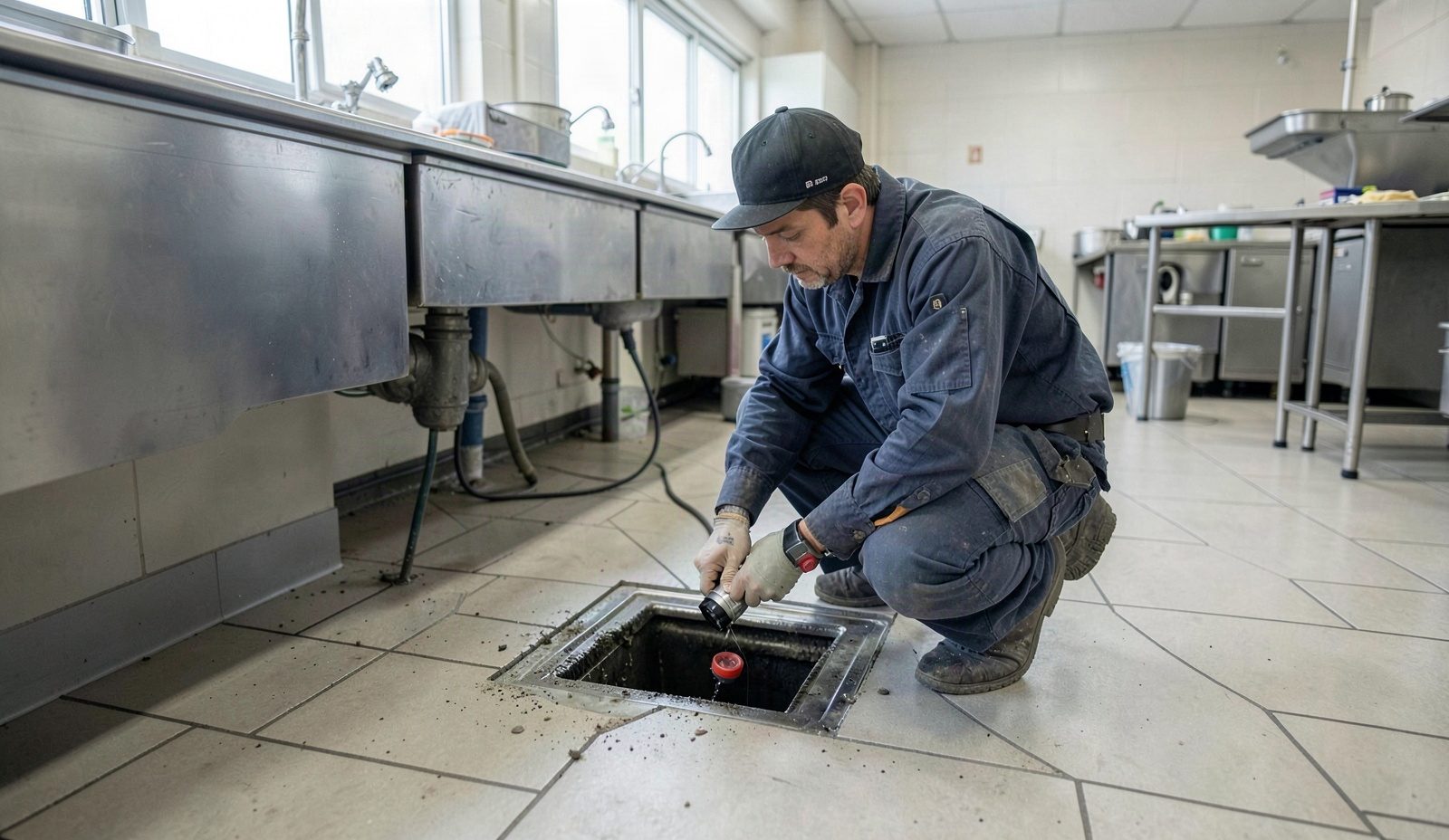
Grease management gets the same instrumented approach. A dip stick or interceptor probe measures the depth of the floating grease layer against the total liquid depth in the tank. Local FOG programs set the pump-out trigger at 25 percent capacity, meaning once the combined grease and solids layer reaches a quarter of the tank's working volume, it gets pumped regardless of the calendar. A restaurant that waits for a slow drain to sound the alarm is usually already past that mark, with grease pushing back into the kitchen line instead of staying contained in the interceptor.
If this sounds close but not quite your situation, apartment complex plumbing may be the better starting point.
Plumbing code in most jurisdictions traces back to the Uniform Plumbing Code maintained by IAPMO, it's the rulebook behind our permit work.
The call goes to a scheduler who asks what the building is seeing, a slow drain, low pressure, a smell, an active leak, and sets a window based on urgency. On site, the technician walks the affected area first, then runs the camera and pressure checks needed to locate the actual failure point rather than guessing from symptoms. The manager or maintenance lead sees the camera footage in real time on a monitor, so the diagnosis is visible, not just spoken. This assessment sets the scope for the written estimate that follows.
Once the scope is signed off, the crew protects floors and fixtures, then opens only what the diagnosis identified, a wall section, a slab penetration, or an accessible cleanout. Materials get selected to match code requirements and existing building infrastructure, whether that means Type L copper, PEX, or cast iron replacement fittings. If the work uncovers a second issue, like a joint failure adjacent to the first, the technician stops, prices the addition, and gets it approved before continuing rather than expanding scope without your knowledge.
Before any wall or ceiling goes back together, the repaired line gets pressure tested and held for a set period to confirm it holds under static pressure with no drop on the gauge. Drains get a flow test with water run at the fixture to confirm proper pitch and a clear path to the stack. The technician walks the space with the manager, points out what was repaired and why, and leaves camera footage or photos documenting the condition of the line for the property's maintenance file.
Commercial work in Fort Worth falls under the 2021 International Plumbing Code as adopted by the City of Fort Worth for commercial occupancies, and that code drives decisions an out-of-area crew often gets wrong, from trap seal depth on floor drains to minimum pitch on a horizontal drain line. A contractor unfamiliar with local amendments can pass inspection in one county and fail it here, turning a routine repair into a delay that closes a dining room or a retail floor for days.
Fort Worth's older commercial buildings add another layer of complexity. Structures built before 1970, common across older retail and office strips citywide, were plumbed with galvanized steel supply lines and cast iron drains, both now at or past the end of their service life. Galvanized pipe corrodes from the inside out, narrowing the bore until pressure drops long before a visible leak shows. Cast iron drain lines develop scale ridges that catch grease and paper until a full stoppage happens with no warning at all.
Out-of-area operators unfamiliar with Tarrant County permitting often skip the pull entirely, betting the work goes unnoticed. A botched cross-connection or an unpermitted grease trap swap becomes the property owner's liability the day a health inspector or insurance adjuster asks for paperwork. When you hire commercial plumbers for a Fort Worth address, ask whether they can name the code section covering the work and whether they pull permits routinely. Vague answers from a commercial plumbing service provider on that question are a red flag long before the invoice arrives.
See commercial backflow prevention & testing for how the related work is scoped and priced.
We install and service equipment from major manufacturers like Rheem to manufacturer specifications.
Booking starts with a phone call, not a queue. Dispatch gives a real arrival window, usually a two to three hour block, timed around your operating hours so a repair crew is not walking through a dining room during lunch service. If a prior job runs long, dispatch calls ahead rather than leaving a manager checking the parking lot. Recurring accounts, like restaurants scheduling interceptor pump-outs or property managers coordinating multi-unit repairs, get a standing slot that holds week to week, so the same technician who knows the building's history keeps showing up for it.
Floor protection goes down before any tool comes out, drop cloths and corner guards on any path between the truck and the work area. Cut sections of drywall or ceiling tile get bagged on site, not left in a hallway for staff to step around. Dust barriers go up around any drain line opened above finished ceiling, since debris falling into a dining room or retail floor is a liability nobody wants. When the crew leaves, fixtures are wiped down, floors are swept, and any removed material rides out in the truck, not a dumpster you have to schedule.
The estimate reflects what the camera and pressure readings actually found, not a flat rate guess. Access difficulty (slab versus accessible crawlspace), pipe material, fixture count and the extent of existing damage all move the number up or down. The technician writes the scope on site, walks through it line by line, and waits for your signoff before opening a wall or pulling a permit. If the scope changes once work is underway, for example a second joint failure found behind the first, that change gets priced and approved before anyone proceeds.
Every technician goes through a background check before working a commercial site alone, and field competence is checked through a supervised ride-along period before that happens. Training on the current plumbing code cycle is ongoing, not a one-time class, since amendments and interpretations shift how a job gets scoped. New backflow assembly types, camera equipment updates and interceptor sizing rules all get folded into refresher sessions so a technician arriving at your property is working from the current standard, not what was standard five years ago.
A correct repair holds a static pressure test with no drop on the gauge over a set hold period, typically fifteen minutes. Shield Plumbing Fort Worth documents that test along with before-and-after camera footage of the repaired line, so a property manager has a record for maintenance files or an insurance file, not just a verbal assurance the work is finished. Ask for that footage before signing off on any commercial repair invoice.
Coverage depends on the cause, not the type of work. Most commercial property policies cover sudden, accidental pipe bursts but exclude gradual wear, corrosion, or damage from deferred maintenance, and many exclude code-required upgrades entirely. Property managers should check their policy's water damage exclusions before assuming a repair or the resulting drywall and flooring damage is covered, since an adjuster will ask for documentation of when the failure started.
Yes, same-day dispatch is available for active leaks, backups, and other calls that threaten to shut down operations. Shield Plumbing Fort Worth prioritizes calls where water is actively flowing or a kitchen or restroom is unusable, then works scheduled maintenance calls around that. Call (817) 710-3766 and describe what you're seeing so dispatch can set the right priority.
An estimate follows an on-site camera and pressure assessment, not a phone quote. The technician documents the actual failure, writes a scope covering materials and access requirements, and gets your signoff before any wall, slab, or fixture is opened. Multi-building accounts or property management groups can set up a standing assessment schedule so estimates for recurring maintenance items arrive on a predictable cycle instead of only after something fails.
Duration depends entirely on scope, from a single fixture swap finished in one visit to a phased repipe spanning several days. Larger commercial jobs, like replacing galvanized supply lines throughout an older building, often get scheduled in sections timed around business hours so retail floors or dining rooms stay open during the work rather than closing for the full duration.
Shield Plumbing Fort Worth accepts card, check, and ACH payment for commercial accounts, with invoicing terms available for approved property management and business clients handling multiple properties. Call (817) 710-3766 to set up an account before your first service call if your accounting process requires invoiced billing rather than payment at time of service.
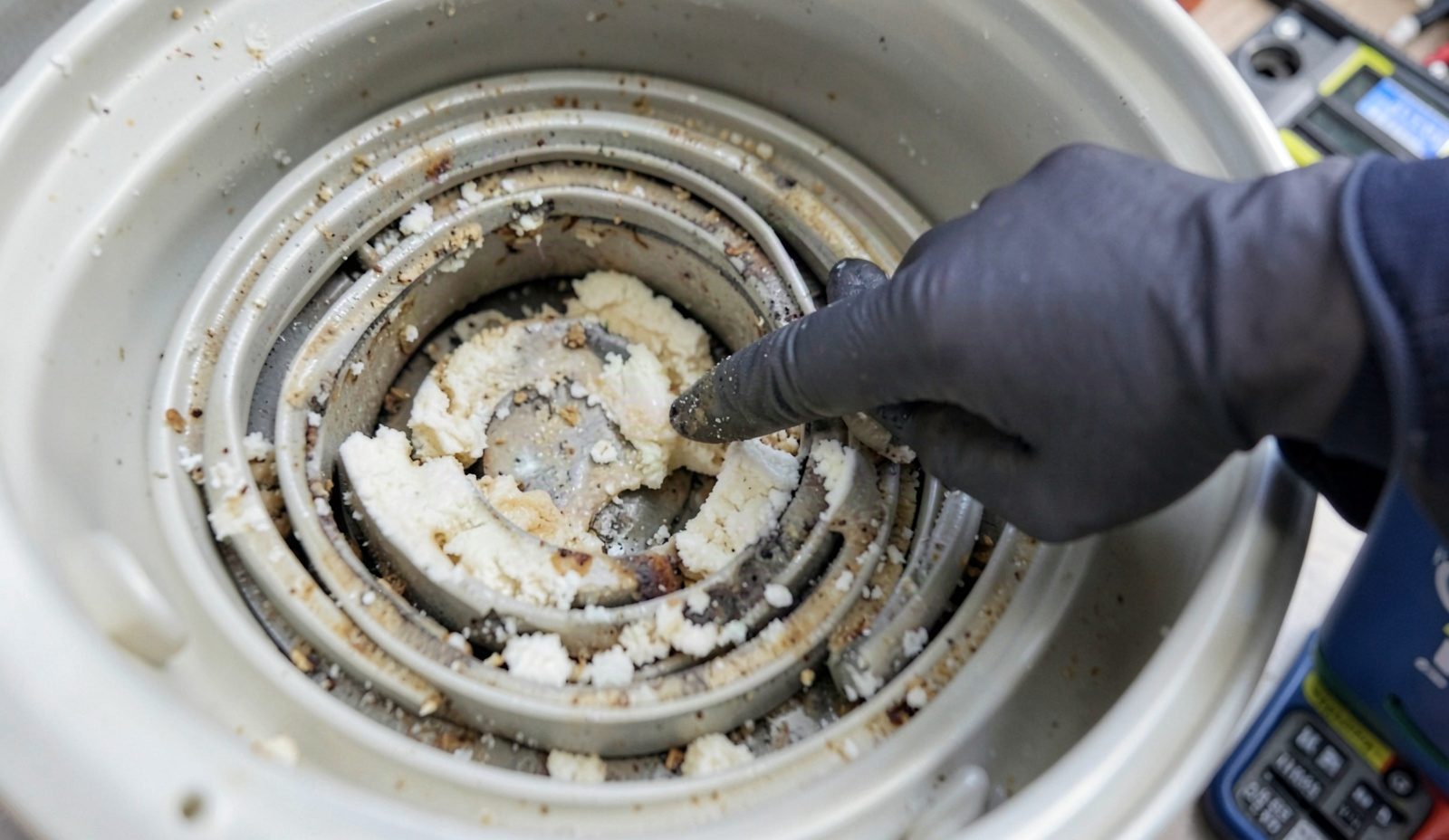
Fort Worth water runs moderately hard, and the mineral scale it leaves behind builds fastest on heating elements inside commercial water heaters and boiler loops, cutting years off equipment rated to last much longer. A restaurant running three or four water heaters in rotation sees the effect first as slower recovery time between busy shifts, then as an element failing outright. Commercial jobs here often call for scale-resistant heat exchangers or a periodic flush schedule built into a maintenance contract, decisions a plumber unfamiliar with the local water supply would not think to specify. Multi-story office buildings and multi-tenant retail centers with shared mechanical rooms feel this fastest, since one undersized or scaled-up heater serving several units fails everyone at once instead of one tenant at a time.
Permits for structural plumbing work, full repipes, new grease interceptor installs, backflow assembly changes, run through the City of Fort Worth Development Services Department for addresses inside city limits, with other Tarrant County jurisdictions handling their own review. Inspectors check trap seal depth, cleanout spacing and backflow device placement against the adopted commercial code before signing off, and a failed inspection means reopening a wall or a slab section that was already patched. Property managers in older commercial districts, from Wedgwood retail strips to buildings near the Cultural District and Arlington Heights, rely on a contractor who pulls permits as routine practice, since an inspector who finds unpermitted work on file can hold up an occupancy renewal for the whole building, not just the unit where the work happened.
Explore our service area and locate Shield Plumbing Fort Worth with ease. We're proudly local and serve the surrounding neighborhoods with fast response and honest pricing. Use the map to check our coverage area, or call us and we'll confirm in seconds.
Address:
Shield Plumbing Fort Worth, 210 W 7th St, Fort Worth, TX 76102
5 Signs Your Ridglea Hills Home Has a Slab Leak, practical local guidance from Shield Plumbing Fort Worth, Fort Worth's trusted plumbing tea…
Read More
What Wedgwood Residents Should Know Before a Whole-Home Repipe, practical local guidance from Shield Plumbing Fort Worth, Fort Worth's trust…
Read More
How Fort Worth's Hard Water Is Quietly Destroying Your Water Heater, practical local guidance from Shield Plumbing Fort Worth, Fort Worth's …
Read More
The Hidden Cost of Ignoring a Dripping Faucet in Fort Worth, practical local guidance from Shield Plumbing Fort Worth, Fort Worth's trusted …
Read More