
June 20, 2026
5 Signs Your Ridglea Hills Home Has a Slab Leak
5 Signs Your Ridglea Hills Home Has a Slab Leak, practical local guidance from Shield Plumbing Fort Worth, Fort Worth's trusted plumbing tea…
Read More




A dental chair vacuum that used to pull debris clean now leaves a wet gurgle at the tip, and the suction motor cycles longer to hit the same draw. In a medical office, the oxygen flowmeter needle drifts instead of holding steady at its rated pressure, and the zone alarm panel throws a low pressure fault that resets itself, which staff learn to ignore until the day it does not reset. Those are not annoyances. They are early failure signals in a medical gas installation or dental office plumbing system, and Fort Worth's building age and water chemistry make the failures arrive faster than in most metros for healthcare facility plumbing.
North Texas expansive clay swells with rain and shrinks in drought, and that cycle moves slab foundations enough to shear copper supply lines and separate drain joints under the building. The same movement stresses buried medical vacuum systems and gas piping run in slab chases, especially in converted commercial buildings in Fairmount and the Near Southside, where older structures were never built with medical gas in mind. A hairline separation at a brazed joint under six inches of concrete does not show up as a puddle. It shows up as a vacuum gauge that will not hold steady no matter how many pumps you add.
Fort Worth water is moderately hard, and the scale it leaves on heating elements is a leading reason local water heaters fail years before their rated life, and that same scale coats the heating coils inside autoclaves and instrument washers. A sterilizer that used to hit cycle temperature in nine minutes now takes fourteen, and the chamber smells faintly of mineral char on longer cycles. Staff often notice the smell before they notice a failed spore test.
Ignore a slow vacuum leak and the pump runs hotter and shorter, until a compressor rebuild replaces what would have been a joint repair. Ignore a drifting oxygen regulator and a routine health inspection turns into a corrective action plan with a shutdown date attached. Every week a zone valve stays unlabeled or an alarm panel stays unresolved is a week closer to a failure that stops patient care instead of one that gets fixed on a quiet afternoon.
More detail on commercial kitchen plumbing is on its own page.
Independent standards matter too, the EPA's WaterSense program sets the efficiency benchmarks we use when recommending replacement fixtures.
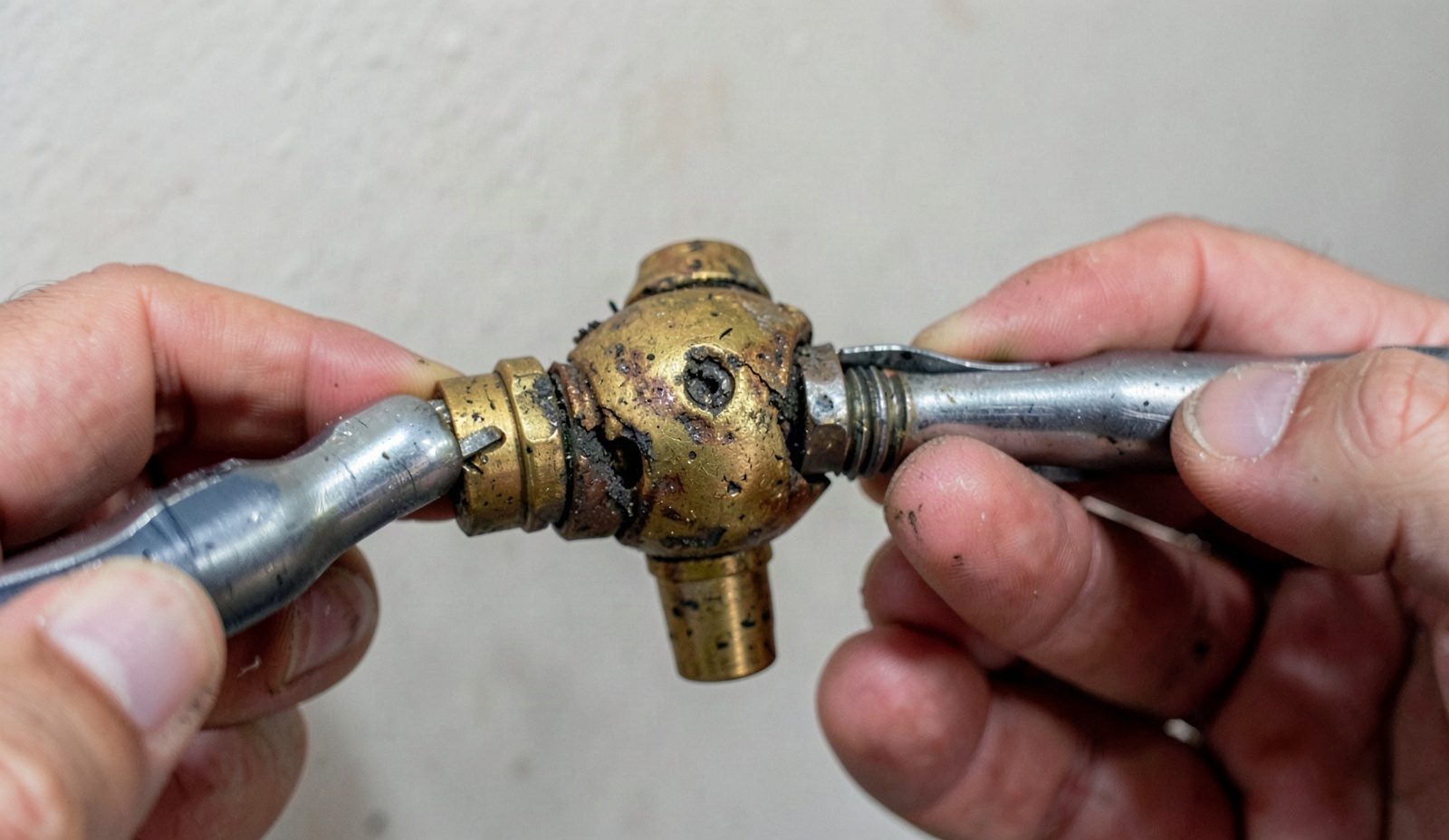
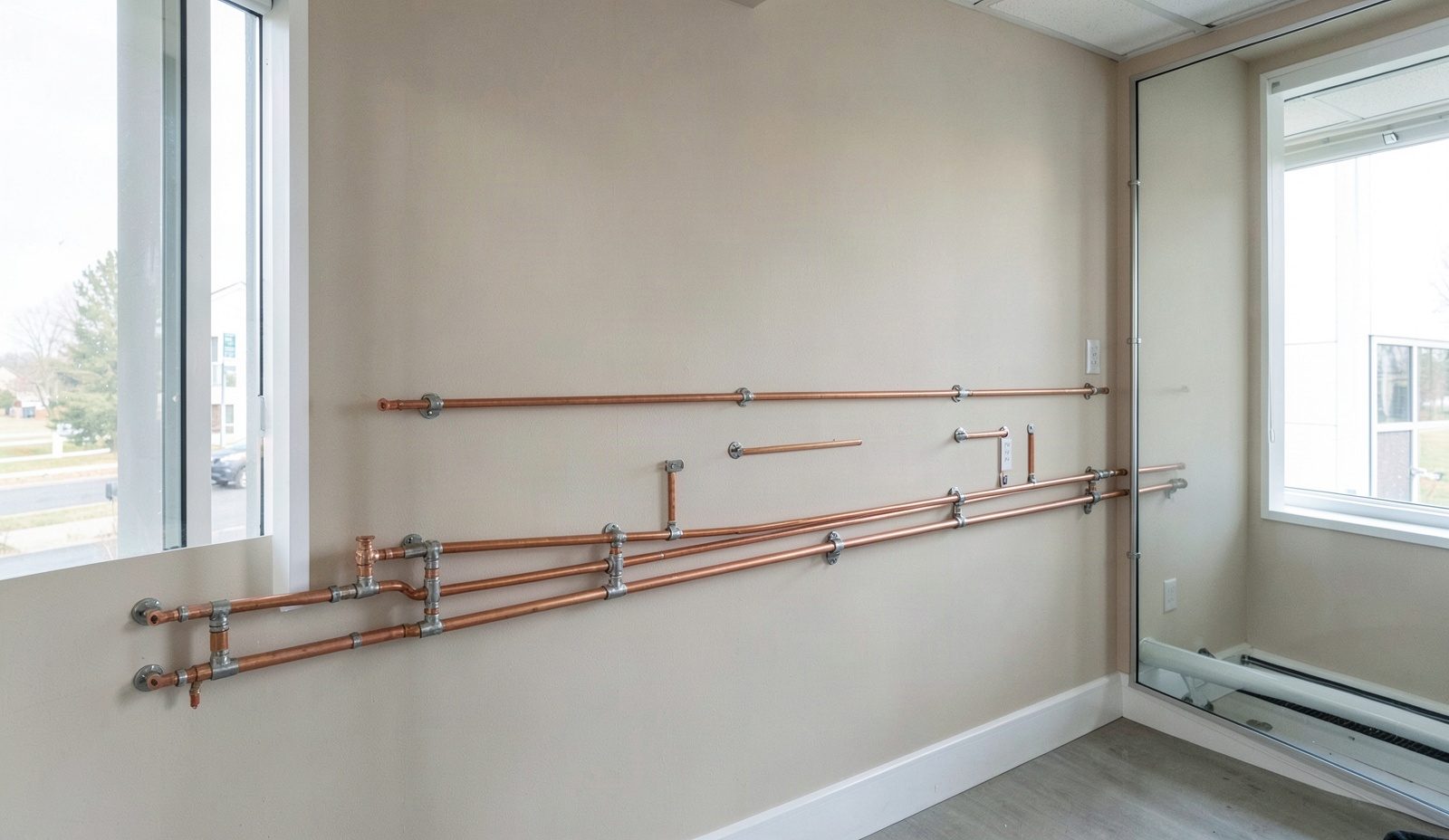
Every medical gas installation starts on paper, not pipe. We pull the facility's existing riser diagram, or draft one if it does not exist, and mark each zone valve box, area alarm, and outlet against what NFPA 99 calls for in a healthcare facility plumbing system. A dental office running nitrous oxide to three chairs needs a different zone layout than a surgical center running oxygen, medical air, and vacuum to eight rooms, and skipping that mapping step is how a technician ends up capping the wrong line during a live retrofit.
Once the layout is confirmed, the piping gets tested with instruments, not assumptions. A digital manometer holds the line at one and a half times its rated operating pressure, typically for 24 hours, watching for any drop that signals a joint failure hiding behind drywall. Before any zone goes live, we also run a cross connection test, pressurizing one gas line at a time with nitrogen while watching gauges on every other line for movement, confirming oxygen and nitrous oxide were never cross piped during construction. Medical air and oxygen lines get checked with an oxygen analyzer, confirming purity at or above the 99.5 percent USP threshold before a single outlet gets tagged for use. For dental vacuum, we compare dry claw systems like Cattani's Turbo Smart against older oil lubricated rotary vane pumps: dry claw units hold a steady 8 to 10 inHg with no oil to service, while a tired rotary vane pump swings widely and needs oil changes on a fixed schedule, which is often the real reason a chair loses suction on a busy Monday.
A full healthcare facility plumbing assessment does not stop at the medical gas system. Break rooms, sterilization sinks, and any on-site dietary service tie into the same building drain, and grease interceptors serving those fixtures get pumped before they reach 25 percent capacity, the standard FOG-program threshold, because a slow interceptor backs up into low fixtures long before anyone smells it in the lobby. Checking that number during the same visit is how a medical vacuum system inspection catches a drainage problem that would otherwise show up as a flooded utility closet months later.
Our page on commercial plumbing contractors covers that side of the work in more depth.
Price-checking is smart: marketplaces like Thumbtack publish typical cost ranges you can hold any quote against, including ours.
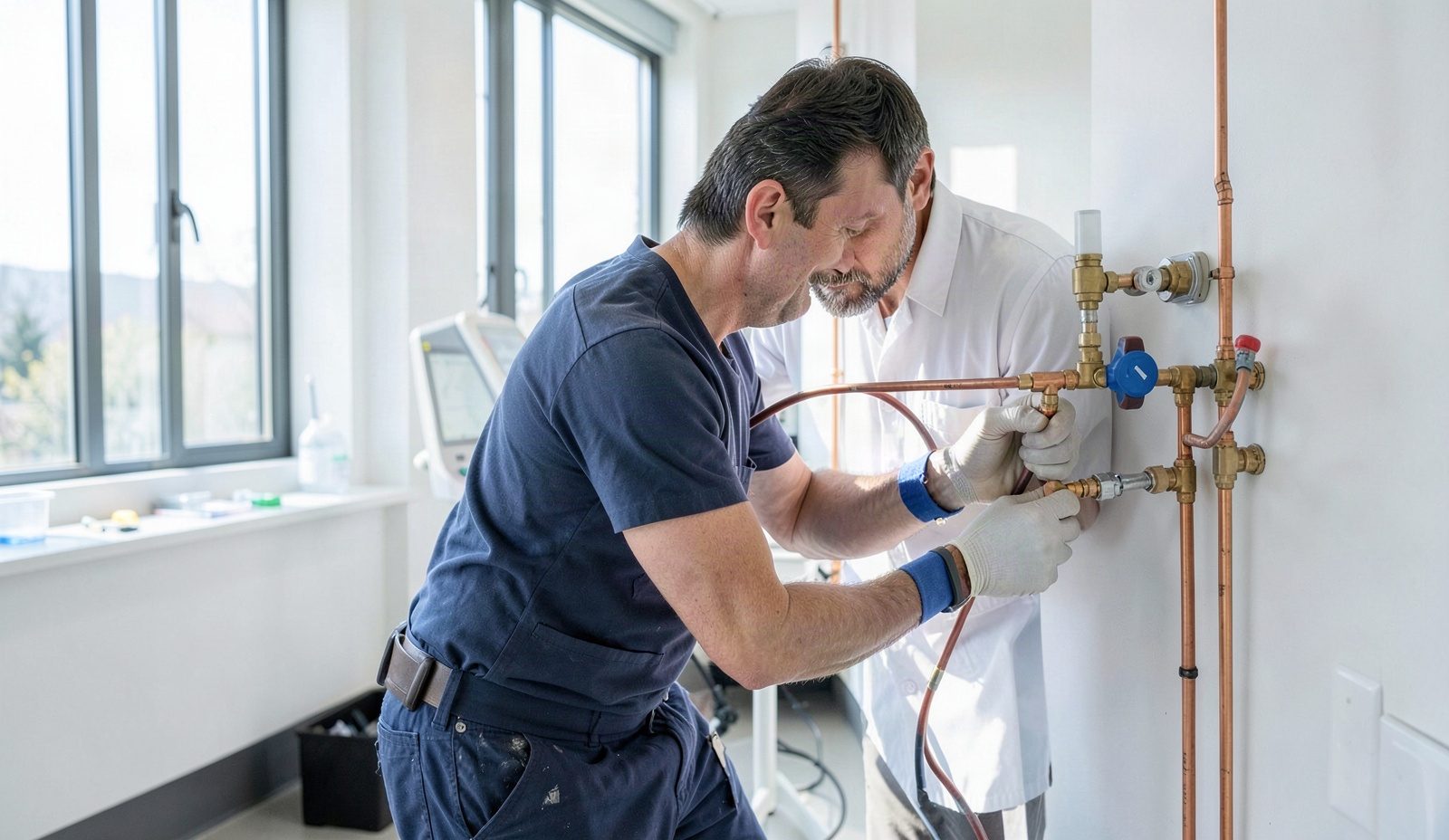
The call starts with a description of the symptom: low vacuum at a chair, an alarm fault, a drifting flowmeter. A technician arrives in the scheduled window and walks the system, checking outlet labeling, zone valve box condition, and existing pressure readings before touching anything. Where drawings exist, we compare them to the real piping run. Where they do not, we sketch the system as found. You see the actual reading on the gauge, not a guess, and hear what it means before any work gets proposed.
Once the written quote is approved, the crew protects surrounding surfaces and seals off HVAC returns before any brazing starts. Piping runs get purged with nitrogen during the braze to prevent internal scale, and each new joint gets logged with its location. Zone valves and outlets get labeled as they go in, not at the end. If an unexpected condition turns up behind a wall, like a corroded fitting or an undocumented tie-in, work pauses and you approve the change before it continues.
Before any zone returns to service, it goes through the standing pressure test, the cross connection check, and a purity reading on gas outlets. Vacuum lines get measured for steady inHg draw at the farthest chair, not just at the source. You walk the finished work with the technician, review the readings, and receive documentation you can hand to an inspector, an accreditation reviewer, or your own facility records without gaps.
Medical gas piping and dental office plumbing fall under commercial occupancy rules, not residential ones. Fort Worth enforces the 2021 International Plumbing Code as adopted by the City of Fort Worth for commercial occupancies, and that code works alongside NFPA 99 requirements for healthcare facilities, governing everything from zone valve box placement to alarm panel wiring. A technician who only knows residential plumbing will not know why an area alarm needs a dedicated circuit separate from the general electrical panel, or why a brazed joint on an oxygen line needs a nitrogen purge during the braze to keep scale from forming inside the pipe.
Our technicians train across the ASSE 6000 series categories that govern this work: installation, brazing, maintenance, and verification are each a separate skill set with a separate exam, and a facility manager should ask which category a technician actually trained in before letting them touch a live gas line. An installer credential does not qualify someone to verify a system before it goes into service, and conflating the two is a common shortcut among out-of-area operators who treat medical gas like standard copper supply work. That distinction matters again when a facility faces a state health department inspection or accreditation review, since inspectors ask for verifier records showing who tested the system and when, not a signed invoice.
Facilities in Fort Worth also need to think about response logistics. A lapsed alarm panel or vacuum failure in a working clinic cannot wait for a technician to drive in from another metro unfamiliar with local inspection timelines. Call (817) 710-3766 to talk through a facility's gas and vacuum system needs before a symptom turns into a shutdown.
See apartment complex plumbing for how the related work is scoped and priced.
Your local utility, Payment options, publishes service and water-quality information every Fort Worth homeowner should know.
Booking starts with a call to discuss the symptom and the facility's operating hours. Non-emergency installs and retrofits get scheduled around patient appointments, often early morning or after the last chair closes, so treatment rooms stay usable during the day. You get a specific arrival window, not a vague half-day block. If a prior job runs long or a part needs sourcing, the office gets a call before the window closes, not after. Urgent failures, like a dropped vacuum zone or a tripped alarm panel, move ahead of routine scheduling because a clinic cannot operate without them resolved.
Brazing near occupied clinical space means containing heat, smoke, and metal filings, not just sweeping up afterward. We seal HVAC returns in the work zone, lay drop cloths and containment barriers around exam chairs and cabinetry, and stage tools so nothing sits on a counter meant for sterile instruments. Cut sections of drywall or ceiling tile go straight into lined bags, not onto the floor. When a zone reopens, surfaces get wiped down and the barrier comes down last, after a visual check confirms no debris made it into a drain, vent, or storage cabinet.
The estimate reflects the number of outlets and zones involved, how much of the existing riser can stay versus needs replacing, and how hard the piping is to access behind finished walls or under slab. Material choice matters too: Type K or L copper, brazed joints, and brass zone valves cost differently depending on run length and how many transitions the job needs. You see the full scope in writing, with each line item explained, before any cutting or brazing starts, and you approve it before work begins. No verbal add-ons appear on the invoice afterward.
Every technician who touches a gas or vacuum line completes a background check before being assigned to a facility job. Training on the current code cycle continues year over year, not as a one-time class, since NFPA 99 and local commercial code details change. Before a technician works a medical gas job without direct oversight, a senior technician rides along and checks their pressure test technique, brazing quality, and documentation against the same standard we hold ourselves to on every visit. Field competence gets verified in person, not assumed from a resume.
Cost depends on the number of outlets and zones, how much of the existing system needs replacing, and how hard the piping is to reach. A single outlet repair in an accessible wall costs far less than a full riser replacement in an older converted commercial building. Call to discuss your facility's scope and get a written estimate based on an onsite assessment rather than a guess over the phone.
Estimates start with an onsite assessment of your zones, outlets, and existing piping condition before any number gets written down. A technician walks the system, checks access and material needs, then issues a written quote itemized by scope. You review and approve that quote before cutting or brazing starts, so there are no surprises on the final invoice.
Same-day response is available for urgent failures like a dropped vacuum zone, a tripped alarm panel, or a suspected cross connection that puts patient care at risk. Full installations and multi-zone retrofits get scheduled in advance around your clinic's patient hours. Call (817) 710-3766 to describe the symptom and get an honest read on same-day availability.
Same-day service is available for most gas line calls in Fort Worth. Once you describe the smell, sound, or appliance symptom over the phone, dispatch works you into the day's schedule when slots are open, and calls placed earlier in the day have a better chance of same-day arrival than calls placed in the evening.
Yes, once a drip continues for more than a day, a plumber can usually stop it before it damages the cabinet or valve. A faucet that drips only after the handle is bumped might just need a quarter turn on a loose packing nut, something you can check yourself. A faucet that drips steadily regardless of handle position usually means a worn cartridge or a scored valve seat, which needs the right replacement part matched to the fixture brand. Waiting past that point usually means a wet cabinet floor and a stuck shutoff valve on top of the original leak.
Most single-run cured in place pipe jobs finish in one visit, with the liner curing in two to four hours once it is inverted into place. Pipe bursting takes longer, often a full day or more depending on run length and how many access pits the layout requires. Camera inspection findings determine the timeline before work starts, so there are no surprises once the crew is on site.
The February 2021 freeze burst pipes across Tarrant County by the tens of thousands, and most of the failures were supply lines run through attics and exterior walls, the same framing cavities that carry medical gas and vacuum piping in build-out clinics near Wedgwood and Ridglea Hills. Pre-1970 neighborhoods across the metro were plumbed with galvanized steel supply lines and cast iron drains, both now at or past their service life, and a dental office or clinic occupying one of these older structures near the Cultural District or Arlington Heights has to route new gas and vacuum lines around infrastructure that was never meant to be disturbed again. That combination of freeze-vulnerable framing and aging original plumbing changes how a retrofit gets planned before a single pipe gets cut.
Commercial medical gas work in Fort Worth goes through the City of Fort Worth Development Services Department for permitting and inspection, and the practical rule holds steady across jurisdictions: a full riser replacement or new zone installation typically needs a permit, while a minor like-for-like outlet swap often does not, with the final call resting with that permit authority. For facilities outside city limits, the local building department or Tarrant County handles the same review. A technician who has pulled these permits before knows what documentation an inspector expects to see at final sign-off, which keeps a project moving instead of stalling on a resubmittal.
Explore our service area and locate Shield Plumbing Fort Worth with ease. We're proudly local and serve the surrounding neighborhoods with fast response and honest pricing. Use the map to check our coverage area, or call us and we'll confirm in seconds.
Address:
Shield Plumbing Fort Worth, 210 W 7th St, Fort Worth, TX 76102
5 Signs Your Ridglea Hills Home Has a Slab Leak, practical local guidance from Shield Plumbing Fort Worth, Fort Worth's trusted plumbing tea…
Read More
What Wedgwood Residents Should Know Before a Whole-Home Repipe, practical local guidance from Shield Plumbing Fort Worth, Fort Worth's trust…
Read More
How Fort Worth's Hard Water Is Quietly Destroying Your Water Heater, practical local guidance from Shield Plumbing Fort Worth, Fort Worth's …
Read More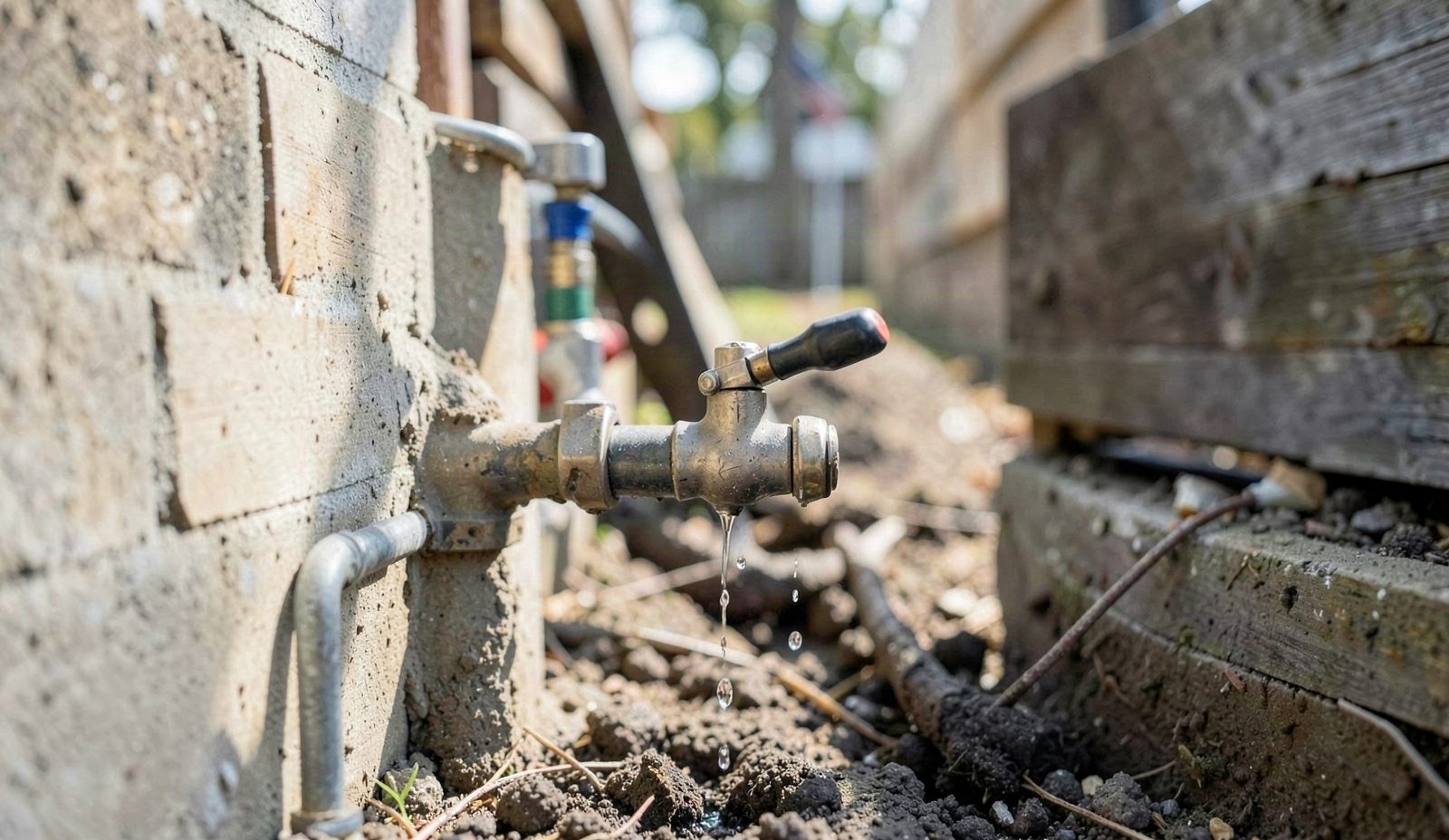
The Hidden Cost of Ignoring a Dripping Faucet in Fort Worth, practical local guidance from Shield Plumbing Fort Worth, Fort Worth's trusted …
Read More