
June 20, 2026
5 Signs Your Ridglea Hills Home Has a Slab Leak
5 Signs Your Ridglea Hills Home Has a Slab Leak, practical local guidance from Shield Plumbing Fort Worth, Fort Worth's trusted plumbing tea…
Read More




A urinal that keeps trickling into the trap, or a flushometer handle you have to shove twice before it releases, means the flush valve's diaphragm has already failed. In a Fort Worth office building or restaurant, that failure shows up fast: a restroom out of service sign, a sewer gas smell drifting toward the dining room in a Cultural District venue, or a puddle spreading across tile at the base of a wall-hung urinal in a Near Southside retail space with foot traffic running all day. Staff usually notice before ownership does, and by then the water bill has already climbed from a valve running unnoticed for weeks.
North Texas expansive clay swells with rain and shrinks in drought, and under a commercial slab that movement is not gentle. It shears the copper supply lines feeding wall-mounted flushometers and separates drain joints below grade, so a urinal that flushed fine last month backs up today with zero warning. Multi-tenant buildings feel it worst, because one shifted joint under a shared waste stack can knock out fixtures in two restrooms at once.
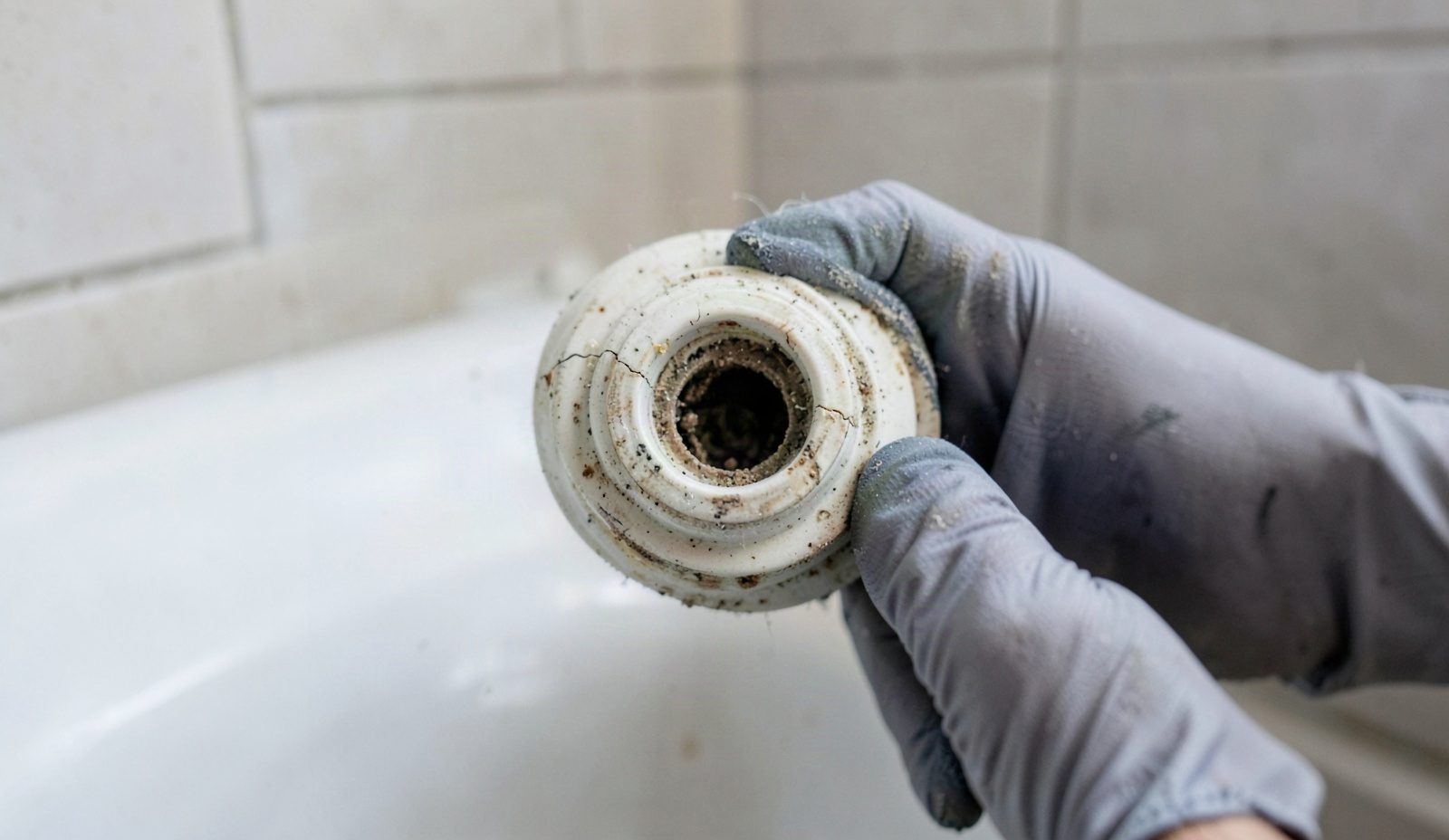
Mineral content does its own damage from the inside. Fort Worth's water carries enough hardness to coat the rubber diaphragm and bypass orifice inside every flushometer with scale, stiffening the seal until it can't close all the way. The valve runs continuously, and a technician can hear the difference between a full stop and that faint, steady hiss the moment they walk in.
Waiting turns a fifteen-minute valve rebuild into a bigger problem. A running flushometer wastes water around the clock and inflates a commercial water bill within a single billing cycle. Water pooling at a urinal base saturates subfloor and drywall behind wall tile, and once a health inspector flags a nonfunctioning restroom fixture during a routine visit, some restaurants and retail tenants face closure until the repair is verified and documented.
See commercial kitchen plumbing for how the related work is scoped and priced.
Communities like r/Plumbing are full of homeowners comparing notes on exactly this problem, worth a read before a major project.
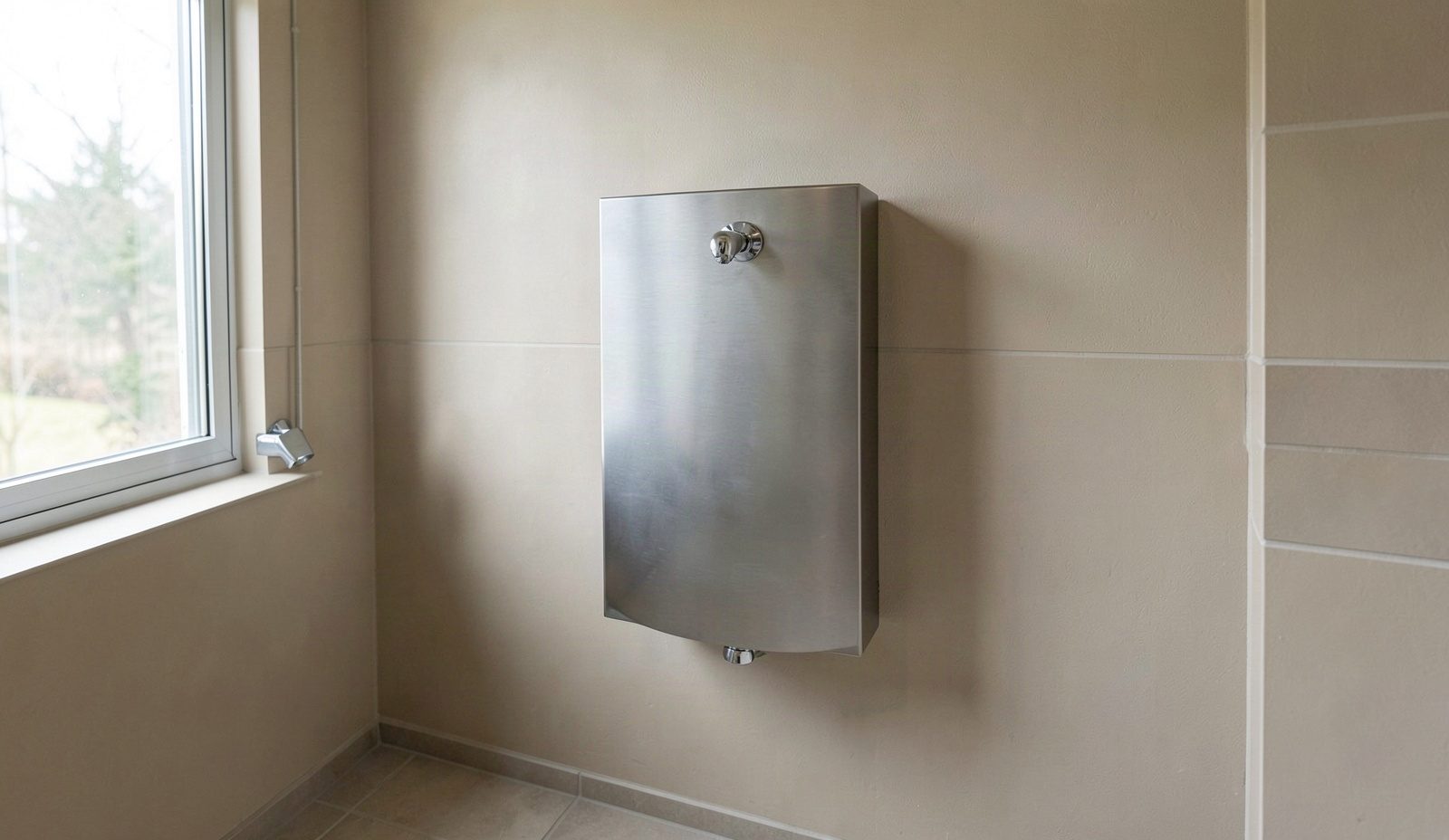
Every commercial callout starts as a fixture audit, not a single-repair guess. A technician walks the entire restroom bank, checks each toilet and urinal against its manufacturer data plate, logs the flush volume stamped on the valve, and notes which units are original to the building versus later retrofits. A restaurant with six urinals installed across three different decades gets six separate diagnoses, because a 3.5 gallon legacy valve and a 1.0 gallon low-consumption model fail for different reasons.
The instrument work starts with a pressure gauge threaded onto the flushometer's supply stop. ASSE 1037 sets the performance window for pressurized flush valves at roughly 25 to 80 psi of static line pressure, so a reading outside that band points upstream to the building's supply, not the valve itself. Inside that range, the valve gets pulled apart: the diaphragm or piston seat comes out for inspection, and a bypass orifice that should stay pinhole-clear gets checked under light for scale buildup or pitting. A technician who's rebuilt hundreds of these can tell from the sound of the handle release alone whether the seat is seating fully or just partially closing.
Brand matters here. Sloan Royal diaphragm flushometers dominate newer Fort Worth commercial installs, and their diaphragm design resists mineral fouling better than the piston-style seals found in older Zurn Aqua-Piston units common in pre-2000 retrofits, which means a Zurn piston kit on hard water service often needs rebuilding sooner. On properties where restroom drains tie into the same waste stack as a kitchen, the assessment extends past the fixture: we check whether grease interceptors are pumped before they reach 25 percent capacity, the standard FOG-program threshold, because a surcharged interceptor backs pressure into the nearest restroom branch line and mimics a failed toilet or urinal from the fixture end.
More detail on commercial plumbing contractors is on its own page.
Plumbing code in most jurisdictions traces back to the Uniform Plumbing Code maintained by IAPMO, it's the rulebook behind our permit work.
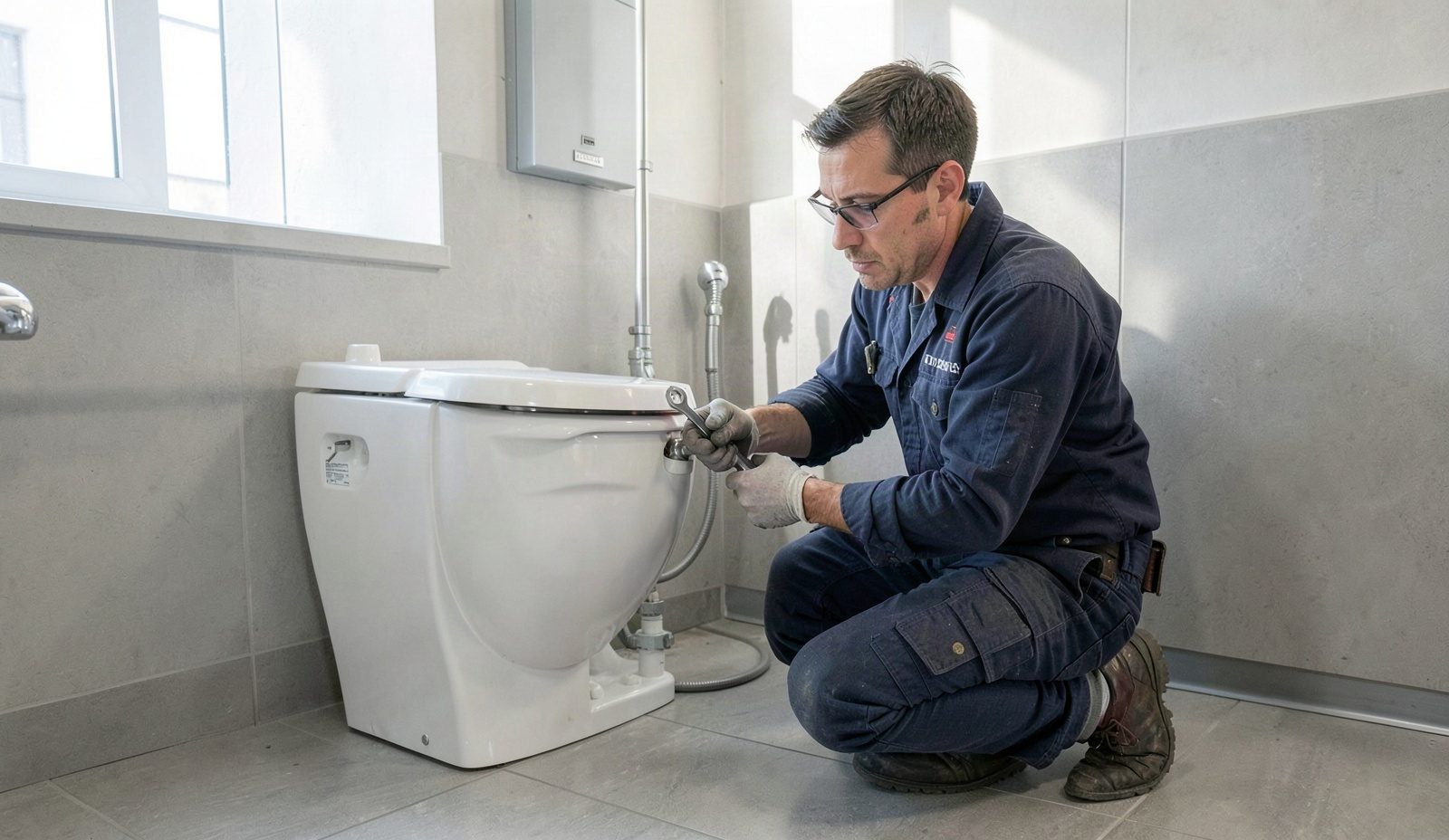
The call covers fixture count, symptoms, and building type so the technician arrives with the right rebuild kits already on the truck. On site, the technician checks water pressure at the affected fixtures, inspects each flushometer or tank mechanism, and traces visible supply and drain lines for the shifted joints or corrosion typical of older Fort Worth commercial buildings. The facilities contact walks through the space with the technician and sees exactly which fixtures are failing and why, before any parts get ordered or work begins.
Once the written scope is approved, floor protection goes down and the technician isolates the water supply to the fixture bank being worked, not the entire building, so unaffected restrooms stay in service. Diaphragm or piston kits, wax rings, closet bolts, or full urinal bodies get replaced to manufacturer spec depending on what the diagnosis showed. Any decision beyond the original scope, like a cracked drain fitting found once a fixture is pulled, gets confirmed with the facilities contact before the technician proceeds.
Every repaired fixture gets cycled multiple times to confirm full flush and complete valve shutoff, and the technician rechecks supply pressure at the stop to confirm it sits within normal operating range. Drain connections get watched for backup or slow drainage under a full flush before the area is called finished. The facilities contact walks the restroom with the technician for a final look, and documentation of what was replaced goes to whoever manages the property's maintenance records.
Commercial restroom work in Fort Worth runs under the 2021 International Plumbing Code as adopted by the City of Fort Worth for commercial occupancies, which sets minimum fixture counts per occupancy load, flush valve performance standards, and backflow protection rules that differ from residential requirements. A like-for-like flushometer rebuild or wax ring swap typically doesn't trigger a permit review, but changing fixture count, relocating a waste line, or converting a restroom layout during a tenant buildout does, and the City of Fort Worth Development Services Department makes the final call on what qualifies.
Building age changes the job as much as the code does. Pre-1970 buildings across the metro still run galvanized steel supply lines and cast iron drains that are now at or past the end of their service life, and a lot of older strip retail centers and converted storefronts fall into that category. A technician who doesn't recognize a galvanized thread pattern or the sound of a cast iron hub joint being cut can crack a fitting that was never meant to be disturbed again, turning a urinal repair into an unplanned wall opening.
Hiring an out-of-area operator unfamiliar with these local amendments carries real risk. A plumber who defaults to a residential-grade flush valve on a commercial install can leave a building out of compliance with flow and backflow requirements, forcing a costly callback during a health inspection or lease turnover walkthrough. Knowing which fixtures a given commercial corridor was built with, and which code cycle governed the last renovation, changes whether a repair holds or fails again within a year.
If this sounds close but not quite your situation, commercial backflow prevention & testing may be the better starting point.
Permit and inspection questions? Development Services is the office we coordinate with on every permitted Fort Worth job.
Booking starts with a call to discuss the fixture count, symptoms, and how many restrooms are affected. We give a specific arrival window, not a vague half-day estimate, and confirm it the morning of the visit. Property managers can request after-hours or early-morning slots to avoid pulling a restroom out of service during peak business hours, which matters most for restaurants and retail tenants with steady foot traffic. If a prior job runs long and the window shifts, we call ahead with an updated time rather than leaving a facilities manager guessing when the crew will show.
Floor protection goes down before any tool touches a fixture, and drop cloths cover adjacent stalls and sink counters during flushometer or urinal disassembly. Old wax rings, cracked porcelain, and worn diaphragm parts go straight into a sealed bag rather than sitting in a trash can inside the restroom. Any water drawn down from the supply line gets caught and mopped before it spreads to grout lines or baseboards. When the crew leaves, the restroom looks like nobody worked in it except for the fixture that now closes and flushes the way it should.
The estimate reflects what's actually driving the repair: fixture access behind a wall-hung unit, whether the shutoff valve itself needs replacement, parts availability for an older Zurn or Sloan model, and how many units in the bank need the same fix. A technician writes the scope down before touching anything and walks through it with whoever's authorizing the work, whether that's a facilities manager or a property owner on the phone. Nothing starts until that scope is approved, and any change discovered mid-repair, like a cracked closet flange under a toilet, gets called out and approved separately before work continues.
Technicians complete a background check before they're scheduled on any commercial account, and training continues on the current plumbing code cycle rather than stopping after initial hiring. New hires shadow lead technicians on flushometer rebuilds, urinal installations, and drain line diagnostics before they're cleared to run a commercial call solo. Field competence gets checked through direct observation on live jobs, not paperwork alone, so a technician working a restaurant restroom on their own has already demonstrated the specific repair in front of someone senior.
Coverage depends on the cause, not the fixture type. Most commercial property policies cover sudden, accidental damage like a burst supply line during a freeze event, but they typically exclude gradual wear, mineral scale buildup, or aging galvanized and cast iron piping that simply reached the end of its service life. A property manager should check the policy's water damage exclusions before assuming coverage, and Shield Plumbing Fort Worth can document the failure cause on the invoice for a claim.
Cost depends on fixture count, access, and parts, not a flat rate. A single flushometer rebuild costs far less than replacing a wall-hung urinal with a shifted drain connection, and buildings with older galvanized supply lines often need more line work than newer construction. Shield Plumbing Fort Worth writes the scope out fixture by fixture before starting, so the price reflects the actual restroom bank being repaired rather than a generic per-visit charge.
Simple like-for-like part swaps are possible for someone comfortable with plumbing tools, but commercial flushometers operate under different pressure and flow standards than residential fixtures. A poorly seated diaphragm or an incorrectly rated valve can put the restroom out of code compliance without an obvious visual sign. Given the liability of a commercial restroom failing a health inspection, most property managers have a professional handle even routine flushometer service.
Estimates start with an onsite diagnosis, then a written scope covering every fixture that needs work, before any repair begins. The scope lists what's driving the cost, whether that's parts access, line condition, or the number of units affected, and a facilities contact reviews and approves it before the technician proceeds. Any issue discovered mid-repair gets flagged and approved separately rather than added to the invoice afterward without discussion.
This usually means sediment loosened by the shutoff cycle clogged the fill valve's inlet screen. Turning the supply off and back on stirs up mineral debris sitting in the line, and that debris lodges in the small screen inside the fill valve, restricting flow to a trickle. Older galvanized supply lines, still common across parts of the Fort Worth metro, shed more of this debris than copper or PEX. A technician can clear or replace the screen without swapping the whole valve.
Same-day camera inspection and diagnosis is often available with a call to (817) 710-3766. Whether the actual repair happens the same day depends on the scope found on camera, a straightforward single-break liner job can sometimes be completed the same visit, while a longer pipe bursting job with multiple access points usually needs a scheduled follow-up day once materials are confirmed.
Winter storms in North Texas don't arrive every year the same way, but when a hard freeze hits, commercial buildings with restroom supply lines run through exterior walls or unconditioned attic space take the damage first. Older commercial buildings near Fairmount and Arlington Heights, many converted from earlier residential or light industrial use, often have exactly that supply configuration feeding wall-mounted urinals and toilets. A frozen line that splits doesn't announce itself until the thaw, when water starts dropping through a ceiling tile above a restroom sink instead of through a visible pipe. Planning a commercial repair here means checking line routing before winter, not just fixing symptoms after a freeze event has already caused damage.
Multi-tenant commercial corridors near Wedgwood and Ridglea Hills often share a single waste stack across several storefronts, which means a restroom problem in one tenant space can trace back to a blockage or shift affecting the whole building. Local familiarity with how these strip centers were plumbed, and which ones have already had stack work done, shortens the diagnostic time considerably. A technician who has worked these corridors before knows which buildings share risers and coordinates repair timing around every affected tenant's business hours, not just the one that placed the call.
Explore our service area and locate Shield Plumbing Fort Worth with ease. We're proudly local and serve the surrounding neighborhoods with fast response and honest pricing. Use the map to check our coverage area, or call us and we'll confirm in seconds.
Address:
Shield Plumbing Fort Worth, 210 W 7th St, Fort Worth, TX 76102
5 Signs Your Ridglea Hills Home Has a Slab Leak, practical local guidance from Shield Plumbing Fort Worth, Fort Worth's trusted plumbing tea…
Read More
What Wedgwood Residents Should Know Before a Whole-Home Repipe, practical local guidance from Shield Plumbing Fort Worth, Fort Worth's trust…
Read More
How Fort Worth's Hard Water Is Quietly Destroying Your Water Heater, practical local guidance from Shield Plumbing Fort Worth, Fort Worth's …
Read More
The Hidden Cost of Ignoring a Dripping Faucet in Fort Worth, practical local guidance from Shield Plumbing Fort Worth, Fort Worth's trusted …
Read More