
June 20, 2026
5 Signs Your Ridglea Hills Home Has a Slab Leak
5 Signs Your Ridglea Hills Home Has a Slab Leak, practical local guidance from Shield Plumbing Fort Worth, Fort Worth's trusted plumbing tea…
Read More




Recognizing what backflow testing actually protects against starts with what failure looks like at your house. A weeping relief valve is the first sign most Fort Worth homeowners notice, a slow drip or steady trickle from the small port on the bottom of the assembly near the water meter or irrigation valve box. Cloudy or metallic-tasting water right after the sprinklers run is another. A city notice taped to the meter box, warning that the annual retest is overdue, is the one people ignore longest. That annual requirement exists because check valves wear: debris, mineral buildup, or a fatigued spring can let water find its way backward toward the supply the moment the valve is asked to hold pressure instead of just pass it.
Expansive clay under Fort Worth swells with heavy rain and shrinks back during drought, and that movement doesn't stop at the foundation. In older sections of Fairmount and Arlington Heights, where backflow assemblies sit on short runs of buried copper between the meter and the irrigation manifold, the same soil movement that shears a supply line under a slab also stresses the threaded unions on a backflow preventer, working them loose a fraction of a turn at a time until the assembly weeps constantly instead of only during a pressure spike.
Water hammer from an irrigation valve slamming shut sends a pressure spike back through the line every time a zone finishes running, and that repeated hammering fatigues the spring inside a check valve years before it should wear out. Grit and pipe scale riding along in that same flow settle into the rubber seat, so the valve looks fine sitting still but fails the moment a tester puts it under differential pressure. On older irrigation-fed assemblies installed without a dedicated shutoff, isolating the zone for testing means shutting down water to the whole yard, a gap the original installer rarely flagged.
Ignore a weeping or failed assembly long enough and the water provider can flag the address, restricting service until a passing retest gets filed. Worse, a failed check valve during a nearby water main break or a fire hydrant flow test can let fertilizer, irrigation chemicals, or stagnant water siphon backward into the line that feeds the kitchen tap, the exact contamination event the assembly exists to stop. What starts as a slow drip at the meter box becomes the reason your water pressure drops metro-wide during an emergency repair.
See benefits of water softeners for how the related work is scoped and priced.
Communities like r/Plumbing are full of homeowners comparing notes on exactly this problem, worth a read before a major project.
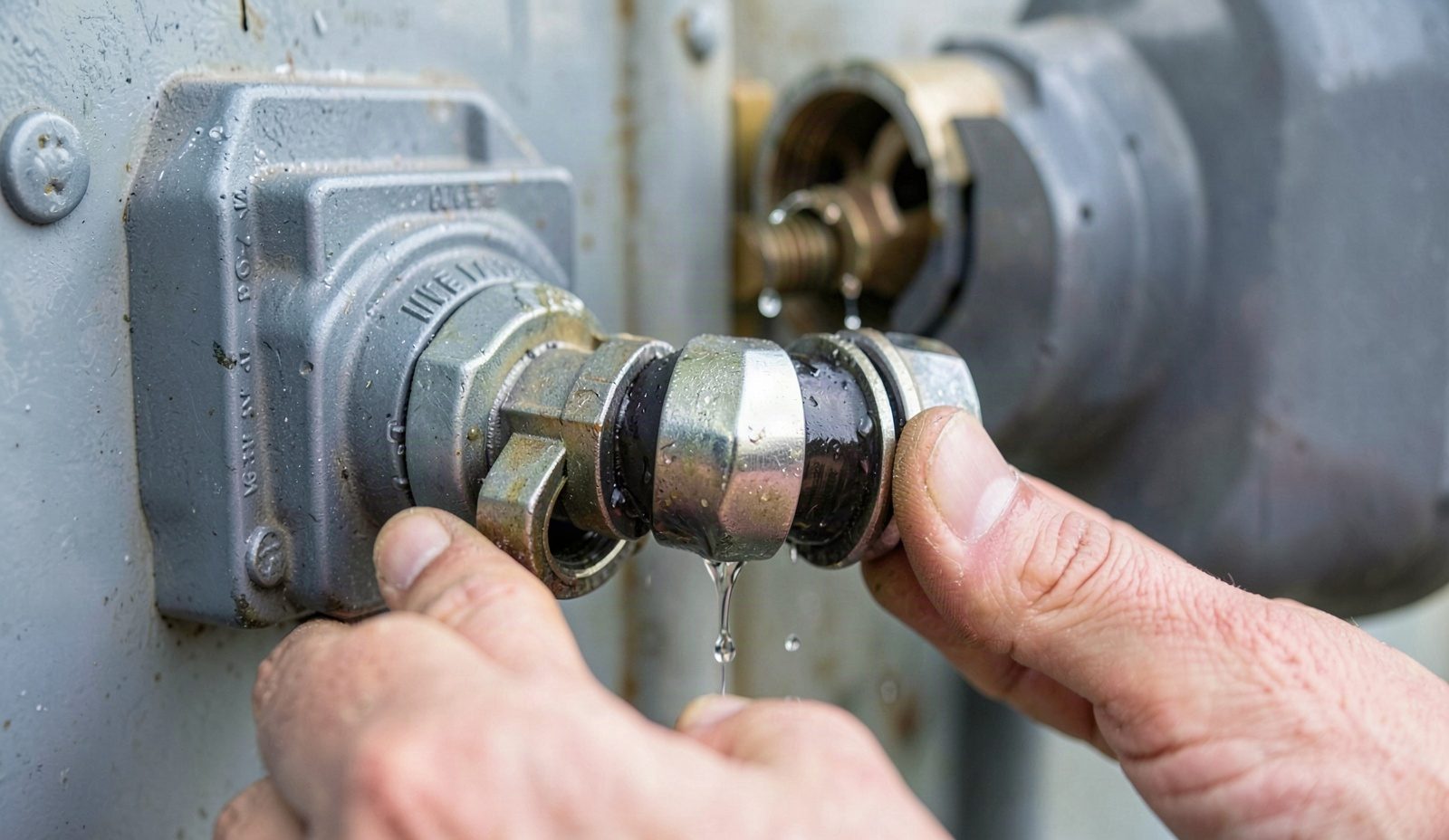
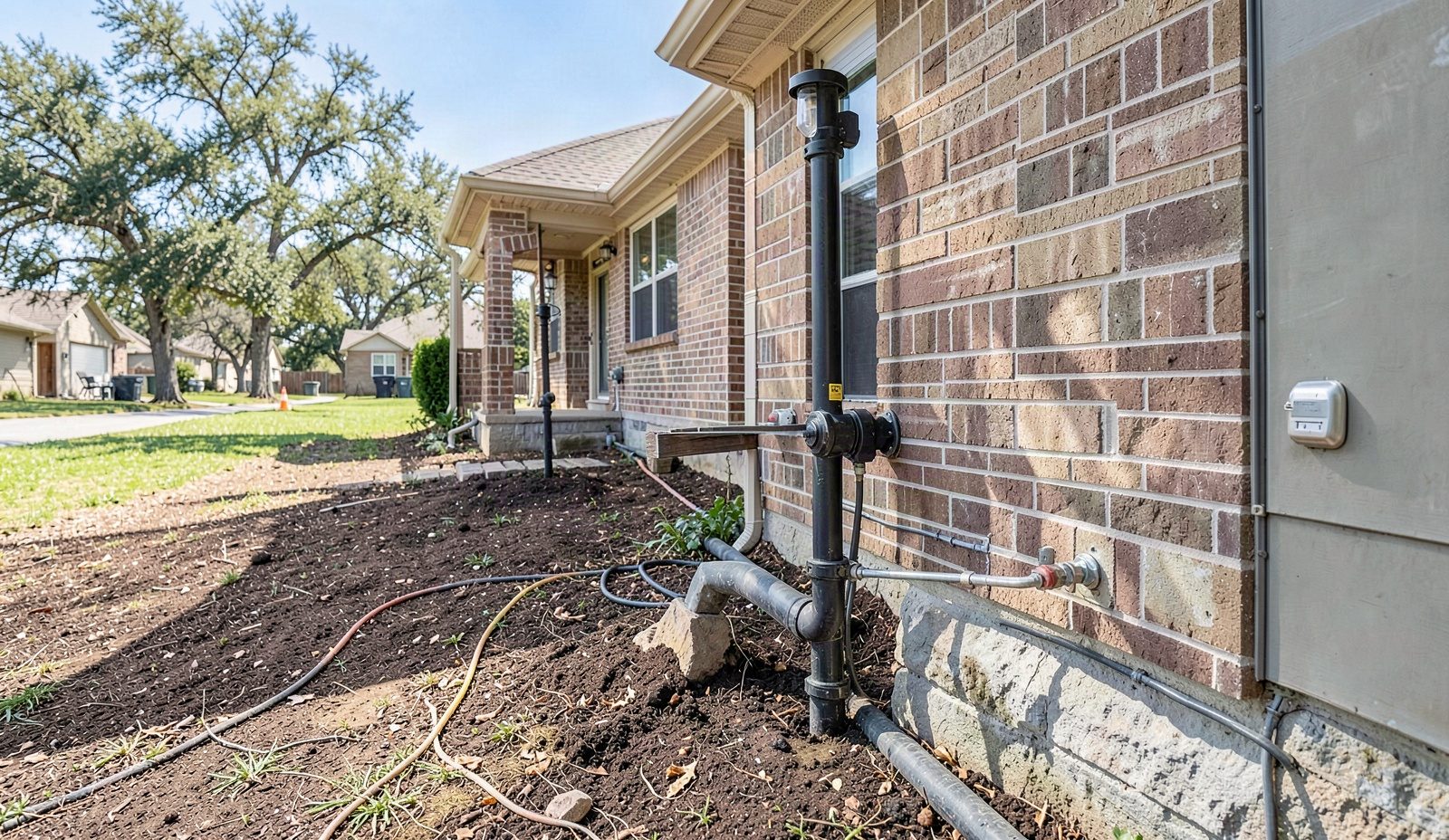
Backflow preventer basics start with which assembly protects which hazard, and getting that match wrong is the most common mistake we find on service calls. A double check valve assembly, or DCVA, uses two spring-loaded check valves in series and covers a low-hazard connection like a standard lawn irrigation zone with no chemical injection. A reduced pressure zone assembly, or RPZ, adds a relief valve between those two checks that dumps water to the atmosphere the instant the pressure zone between them drops, and it is the only assembly Fort Worth accepts on a fire sprinkler system with an antifreeze loop or any irrigation line running a fertilizer injector. A pressure vacuum breaker, or PVB, protects mid-hazard connections but only works where the discharge side never sits under continuous pressure, which is why you will not find one feeding a boiler makeup line. A DCVA has two test cocks and a shorter test sequence. An RPZ has four test cocks, one more mechanical seat in the relief valve, and a longer test because that valve's open and reseat behavior both have to be checked.
Every test starts before the gauge ever touches a test cock. We read static water pressure at an outdoor spigot first, because anything above 80 psi calls for a pressure-reducing valve under Section 604.8 of the International Plumbing Code, and sustained high pressure is exactly what drives an RPZ's relief valve to weep between annual visits instead of only during a real backflow event. With a calibrated differential pressure gauge connected to the assembly's test cocks, check valve one has to hold at least 1.0 psi differential on its own, check valve two has to hold the same 1.0 psi independently, and on an RPZ the relief valve has to crack open at no less than 2.0 psi differential and reseat clean, with no continued weep once the pressure equalizes.
A passing gauge reading gets logged with the date, the assembly's serial number, and the exact psi at each stage, because that report is what satisfies the annual backflow requirements set by whichever water provider serves the connection, whether that's a municipal irrigation meter or a fire line tied to a private hydrant. A failing reading gets explained in plain terms on site, naming which valve failed, why, and what replacement part or full assembly swap the repair calls for, before any work starts.
Our page on backflow prevention & testing covers that side of the work in more depth.
Your local utility, Payment options, publishes service and water-quality information every Fort Worth homeowner should know.
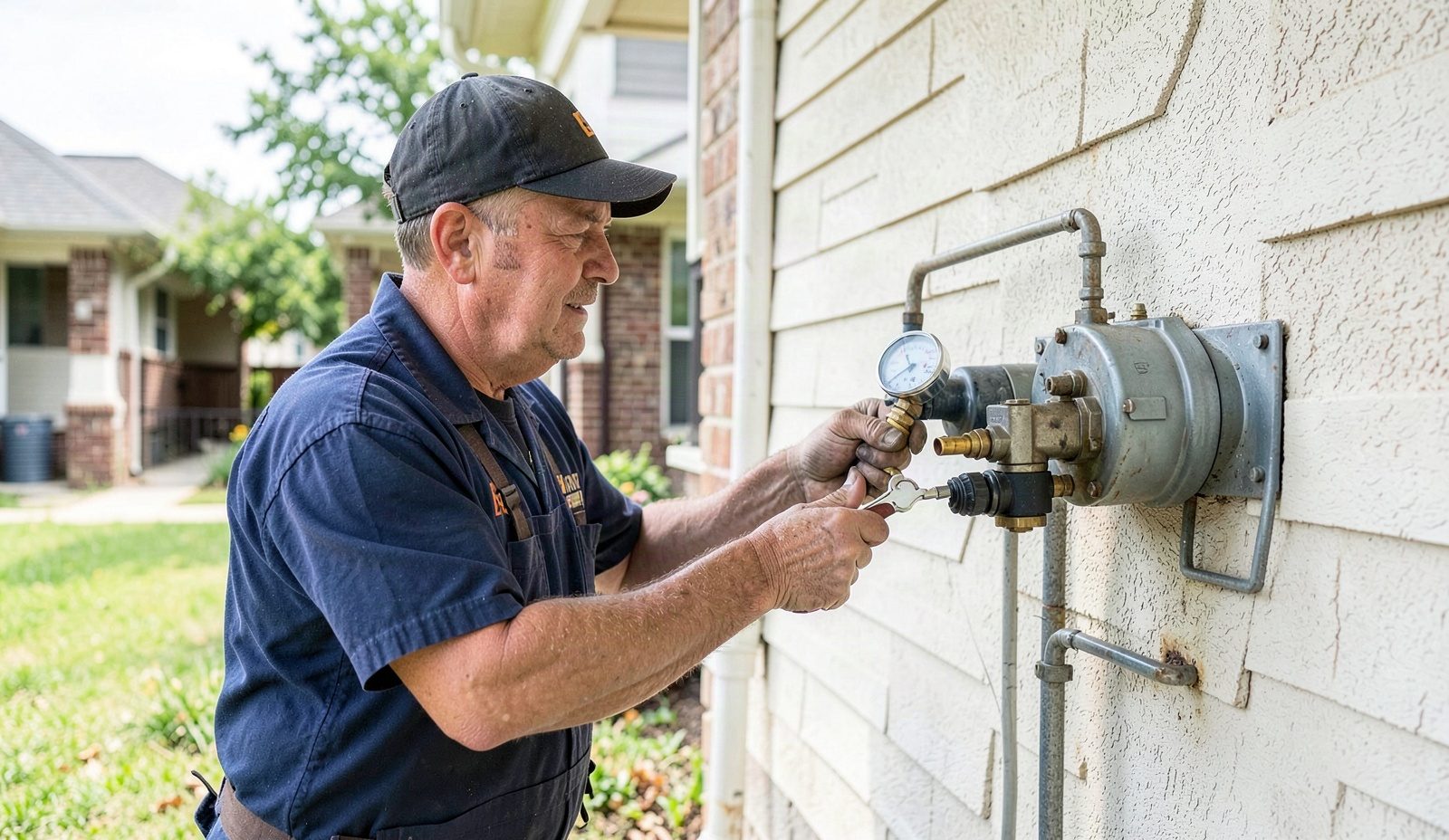
You call Shield Plumbing Fort Worth and describe what you're seeing, whether that's a weeping valve, a city notice, or just an overdue annual test. We schedule the visit and pull the assembly type from your address history if we've serviced it before. On arrival, the technician locates the assembly, checks the serial number and install date against the manufacturer's rated service life, and does a visual check for corrosion, cracked housing, or a stuck relief valve before ever connecting a gauge.
The technician connects the differential pressure gauge to the test cocks and runs each check valve and relief valve through its sequence, protecting the surrounding surface with a mat first. If every reading passes, the visit ends there. If a valve fails, you get the specific reading, the part it points to, and a written quote for the reseal or swap before any tool touches the assembly again. Nothing gets disassembled on a guess.
After a passing test or a completed repair, the technician re-runs the full sequence once more to confirm the reading holds, then tags the assembly with the test date. You get a copy of the report with the psi readings at each stage, the information your water provider needs to close out the annual requirement. The technician walks the assembly location with you and answers questions about the next retest date before leaving.
Fort Worth enforces backflow prevention under the City of Fort Worth plumbing code, based on the International Plumbing Code, and that code treats a failed or unregistered assembly as an enforceable cross-connection violation with real consequences for the property. An out-of-area technician who has never pulled a Fort Worth ticket can misjudge which assembly class a given hazard requires, or miss that a downgraded PVB feeding a fertilizer-injection irrigation zone is itself a code failure waiting to surface at the next inspection. Getting the assembly class wrong risks a redo of work already paid for, on top of a failed retest.
That distinction matters when you're comparing providers. Ask whether the technician who actually shows up at your door holds that tester credential, not just whether the company on the invoice does plumbing work generally, since the person turning the test cock valves is the one whose signature goes on the report. Ask when the report gets signed, too, since a rushed retest skipped past its own field check is where mismatched credentials tend to surface.
Fort Worth homes vary widely in irrigation setup. Newer developments typically run a dedicated irrigation meter with the backflow assembly built into that connection, while many older homes tie irrigation into the domestic line through a tee added after the original build, changing where the assembly sits and how much water gets shut off during a test. Carrying common repair parts for Watts and Febco assemblies, the two brands most often found on Fort Worth service lines, means a failed check valve rarely turns into a week without water to the yard. That local familiarity keeps a straightforward test from turning into a multi-week parts wait.
If this sounds close but not quite your situation, commercial backflow prevention & testing may be the better starting point.
The U.S. Department of Energy's water heating guide is a solid primer on operating costs if you want to dig into the numbers yourself.
Call (817) 710-3766 to set your annual test, and we work around irrigation zones that only run early morning or late evening. Most backflow tests get a two-hour arrival window, confirmed the morning of the visit by phone. If a prior job runs long or weather delays outdoor access, we call before the window closes, not after, so you are not standing by the meter box wondering. Annual retest reminders go out ahead of the date most water providers use to flag an overdue assembly, giving you time to book before a notice shows up on the meter box. That heads-up keeps a routine test from turning into a rushed scramble.
Testing a backflow assembly means opening valves that can spray a small amount of water, so we lay down absorbent mats around the meter box or mechanical room floor before connecting the gauge. Tools and the test kit stay on that mat instead of directly on the lawn or bare concrete. If a failed valve calls for a same-visit swap, we cap and drain that line section first to keep the work area dry, then haul away the old assembly and any packaging when we leave. When we finish, the area looks like nobody worked there, with a fresh test tag zip-tied to the assembly.
What drives the cost of a backflow test or repair comes down to assembly type, how accessible it is, and whether the fix is a reseal, a single check valve, or a full assembly swap. A DCVA is typically quicker to test and cheaper to rebuild than an RPZ, which has an added relief valve to service. Access matters too. An assembly buried below grade in a meter pit takes longer than one mounted at chest height on an exterior wall. You see the itemized quote before any repair starts, and nothing gets replaced without your approval.
Every technician who works on backflow assemblies passes a background check before ever driving to a customer's home. Ongoing training keeps the crew current on the plumbing code cycle Fort Worth has adopted, including how cross-connection rules apply to irrigation, fire lines, and boiler feed water. Before a technician tests or repairs an assembly solo, a senior tech rides along and evaluates gauge use, valve sequencing, and report accuracy in the field. Passing that field evaluation is what clears a technician to show up at your door alone.
The test is a series of physical readings, not a written quiz. A technician checks each moving part in the assembly, meaning a two-check assembly gets two readings and a relief-valve assembly gets a few more, all logged on one report. There's no pass or fail based on opinion, only whether each valve's reading clears its required minimum.
Testing itself is straightforward for a trained technician but unforgiving of shortcuts. Reading a differential pressure gauge accurately, bleeding air out of the test kit hoses correctly, and sequencing five valves in the right order all affect whether the psi reading reflects the assembly's real condition or just trapped air. A missed step can pass a failing valve or fail a good one, which is why the work goes to someone who tests assemblies routinely rather than only a few times a year.
Yes, Texas plumbing rules require annual testing on backflow assemblies protecting a public water supply connection. That covers most irrigation systems, fire sprinkler lines, and boiler feed connections across Fort Worth, and the local water provider tracks each assembly's due date by serial number. Skipping the test long enough can lead to a restricted or shut-off connection until a passing report gets filed.
Coverage is unlikely under most homeowners policies because backflow testing counts as routine maintenance. A policy might cover repair costs if a failed assembly caused contamination or water damage inside the home, but the annual test itself is a maintenance item tied to the plumbing code, similar to servicing a furnace. Checking your specific policy language with your agent is the reliable way to know for certain.
Cost depends on assembly type, repair scope, and how accessible the assembly is at your address. In some Fort Worth homes, the fitting connecting the assembly to the supply line has corroded enough to need replacing alongside the valve itself, adding scope to what looked like a routine test. A technician confirms the exact scope once the assembly is open, before any repair price is final.
Most single-fixture repairs, like a burst supply line or a failed water heater, take about two to four hours once the technician is on site. A slab leak that requires locating the line through concrete runs longer, often a full day, because locating and opening the slab takes more time than the actual pipe repair. Simple stoppages and running toilets usually resolve in under an hour, and the technician gives you a time estimate after the diagnosis, before any cutting starts.
The February 2021 freeze burst pipes across Tarrant County by the tens of thousands, and most of those failures hit supply lines run through attics and exterior walls. That same freeze exposed a separate weakness: pressure vacuum breakers mounted above ground on irrigation systems in neighborhoods like Ridglea Hills and Wedgwood froze solid overnight because nobody had drained them before the cold front, and a cracked PVB housing shows up as a slow leak the following spring rather than an obvious break. In pre-1970 sections of the metro, including pockets near the Cultural District and the Near Southside, original galvanized steel supply lines and cast iron drains are now at or past the end of their service lives, which means a backflow assembly tied into that same system often sits on a corroded nipple that can shear the moment a wrench applies torque during testing.
Replacing a backflow assembly outright, or adding one where none exists, typically requires a permit through the City of Fort Worth Development Services Department, while a like-for-like check valve rebuild or a routine annual test usually does not, though the department makes the final call on borderline jobs. That distinction matters because a permitted installation gets inspected against the current code cycle the city has adopted, catching an undersized assembly or a missing air gap before it becomes a hidden liability behind drywall or buried in a meter pit. Homeowners who skip the permit on a full swap often find out during a home sale inspection that the work was never verified against the adopted code, a gap that costs more to unwind than the original permit would have.
Explore our service area and locate Shield Plumbing Fort Worth with ease. We're proudly local and serve the surrounding neighborhoods with fast response and honest pricing. Use the map to check our coverage area, or call us and we'll confirm in seconds.
Address:
Shield Plumbing Fort Worth, 210 W 7th St, Fort Worth, TX 76102
5 Signs Your Ridglea Hills Home Has a Slab Leak, practical local guidance from Shield Plumbing Fort Worth, Fort Worth's trusted plumbing tea…
Read More
What Wedgwood Residents Should Know Before a Whole-Home Repipe, practical local guidance from Shield Plumbing Fort Worth, Fort Worth's trust…
Read More
How Fort Worth's Hard Water Is Quietly Destroying Your Water Heater, practical local guidance from Shield Plumbing Fort Worth, Fort Worth's …
Read More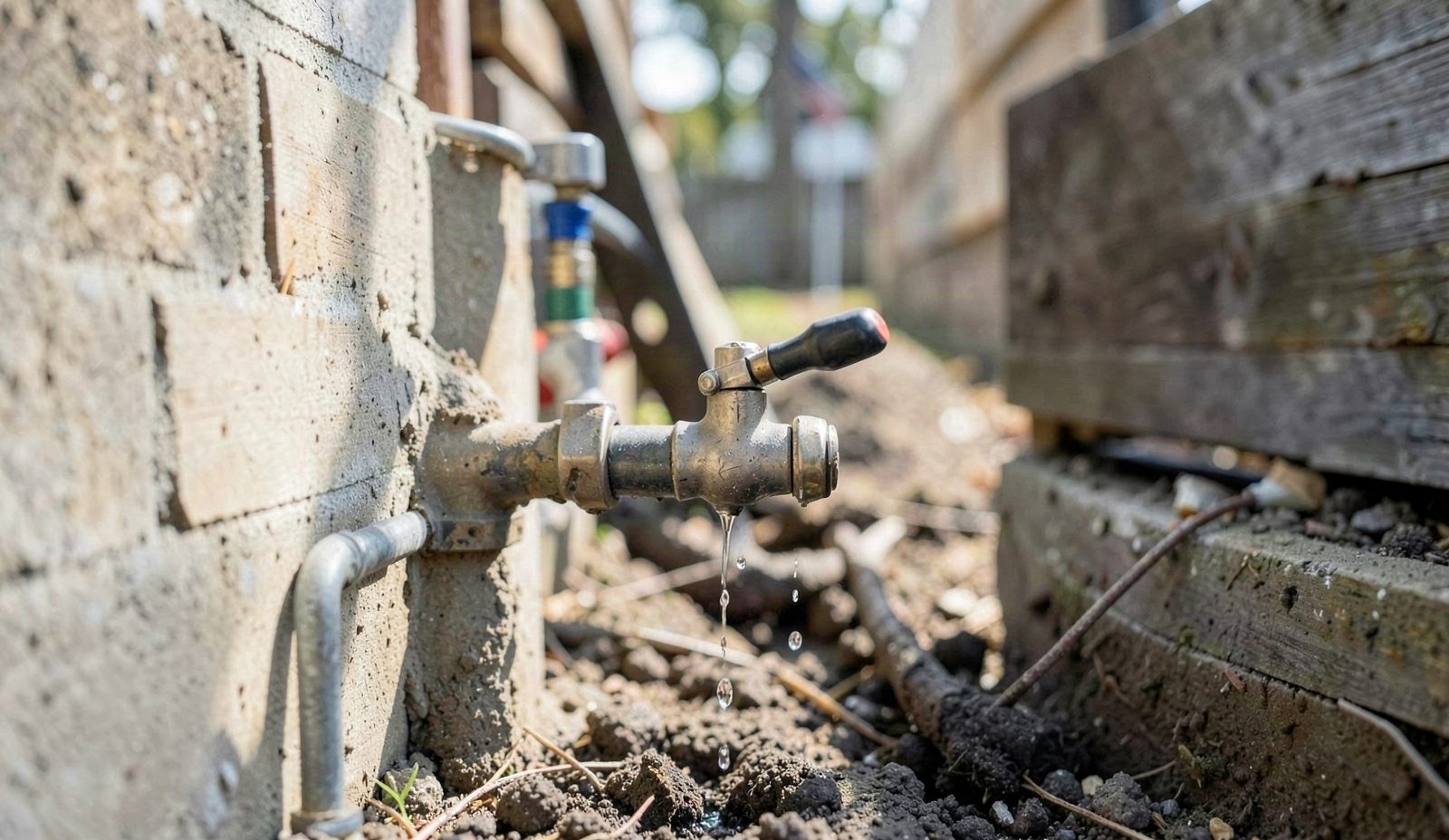
The Hidden Cost of Ignoring a Dripping Faucet in Fort Worth, practical local guidance from Shield Plumbing Fort Worth, Fort Worth's trusted …
Read More