
June 20, 2026
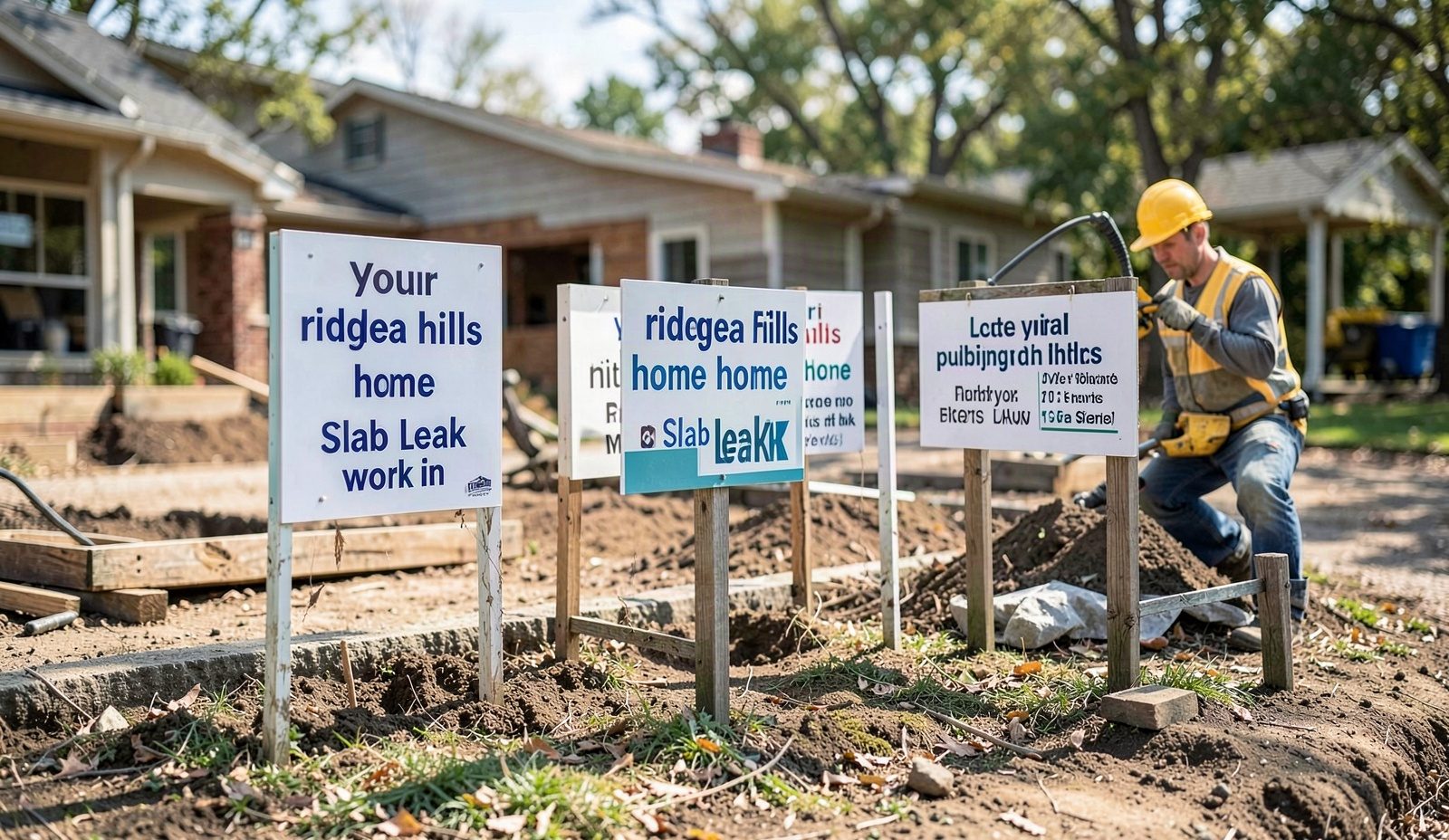
5 Signs Your Ridglea Hills Home Has a Slab Leak
5 Signs Your Ridglea Hills Home Has a Slab Leak, practical local guidance from Shield Plumbing Fort Worth, Fort Worth's trusted plumbing tea…
Read More




A frozen pipe rarely announces itself before it fails. You hear a faucet sputter, then nothing. A hairline crack in a copper elbow lets water seep behind drywall for hours before a stain shows. In older homes near Fairmount and Arlington Heights, that first sign is often a damp baseboard in a room nobody uses in January, discovered only after the thaw.
The mechanism is simple physics with a costly result. Water expands roughly nine percent as it turns to ice, and that expansion pushes outward against copper and PVC until the wall gives. The February 2021 freeze burst pipes across Tarrant County by the tens of thousands, and most of those failures were supply lines run through attics and exterior walls, the two spots builders rarely insulate to the same standard as living space. A pipe run six inches from a roof deck with no attic floor insulation sits at close to outdoor air temperature during a hard freeze, whether or not the thermostat inside reads seventy degrees.
Foundation movement compounds the risk in ways a homeowner never sees. North Texas expansive clay swells with rain and shrinks in drought, and that seasonal cycle moves slab foundations enough to shear copper supply lines and separate drain joints under the house well before winter arrives. A line already stressed by a quarter inch of slab shift has far less flexibility left to survive the contraction and expansion of a freeze event. Homes on pier and beam foundations near older Fort Worth streetscapes face the added exposure of a ventilated crawlspace where wind pulls heat away from every exposed joint.
Waiting costs more with every degree the temperature drops. A hairline split that weeps a few ounces an hour during the freeze becomes a burst releasing gallons a minute the moment the ice plug melts and full line pressure returns. Drywall swells, insulation loses its R-value once wet, and subfloor near an exterior wall can delaminate within a day of standing water. What starts as a five-minute fix with a sleeve of pipe insulation in November becomes a multi-trade repair involving a plumber, a drywall crew, and sometimes a flooring contractor by February.
If this sounds close but not quite your situation, frozen pipe thawing & repair may be the better starting point.
Communities like r/Plumbing are full of homeowners comparing notes on exactly this problem, worth a read before a major project.
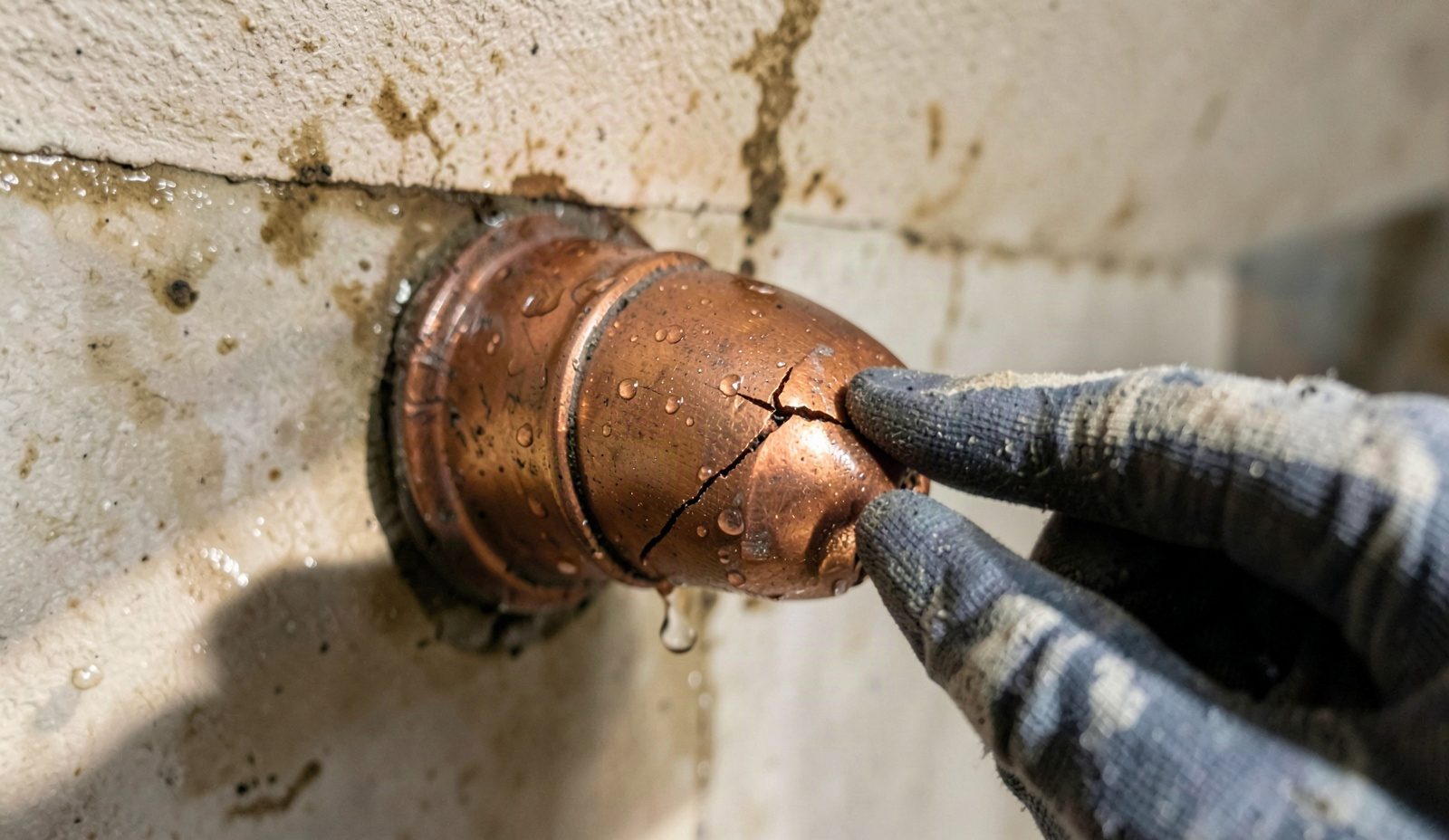
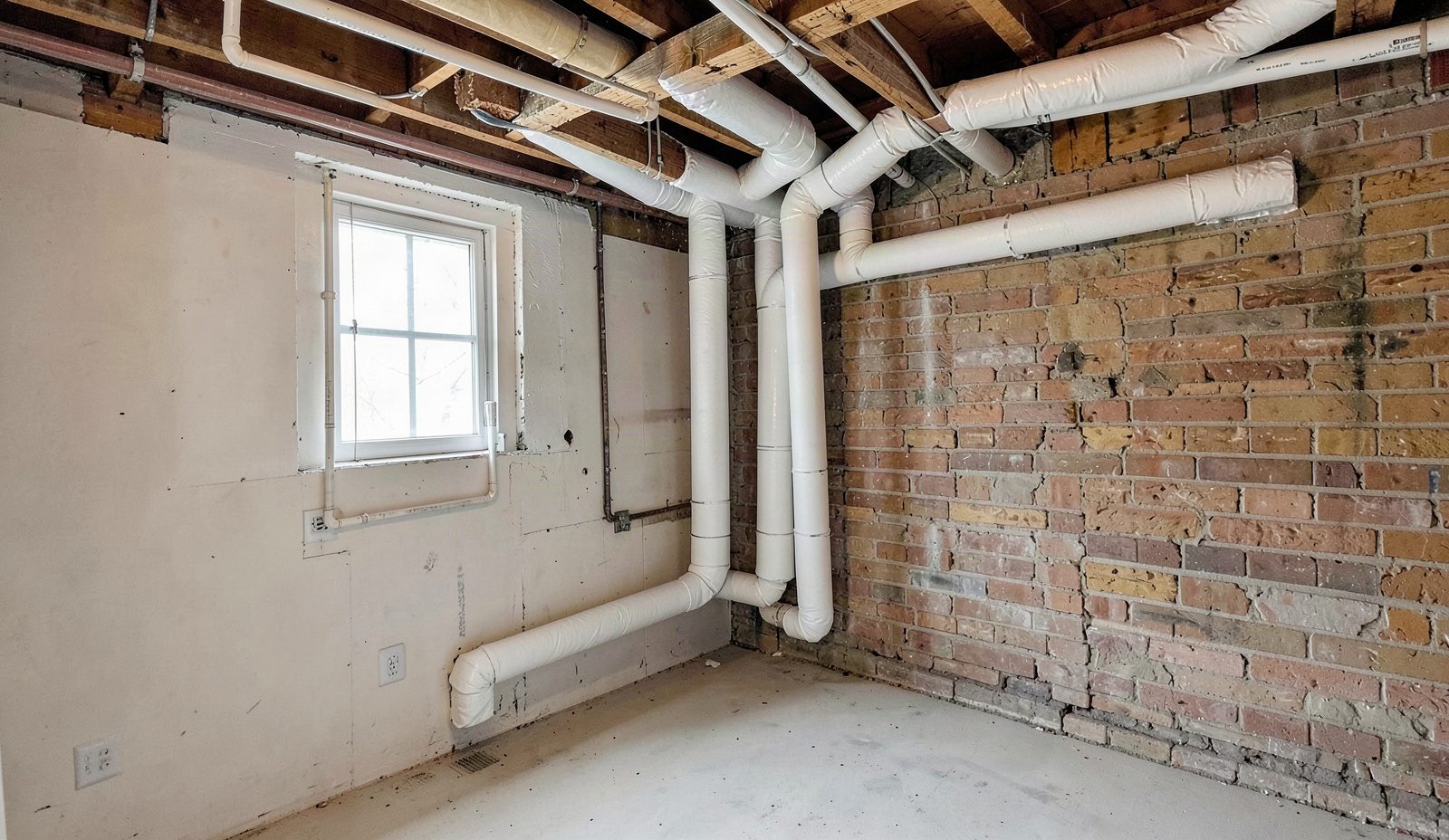
The first walkthrough is not a guess. A technician traces every supply line from the meter to the fixture, flags runs through the attic, garage, and exterior walls, and checks each vulnerable joint with an infrared thermometer. A pipe surface reading below thirty-three degrees Fahrenheit near a tee or elbow during a cold-weather inspection marks that fitting as a freeze point needing insulation or rerouting, not a spot to leave alone until spring.
Pipe insulation is not one product. Closed-cell polyethylene foam sleeves run about R-3 per inch and slip on fast, adequate for a garage wall or a crawlspace joist bay with moderate exposure. Fiberglass wrap with a taped vapor barrier holds up better in a ventilated crawlspace where moisture cycles daily, but it takes longer to install correctly around valves and unions. For the highest-risk runs, exposed hose bibs and attic lines on the north side of a roof, self-regulating heat cable systems like those sold under the Frost King and Easy Heat lines add active wattage per foot, typically three to seven watts, and cycle on only when the pipe itself drops near freezing. We choose based on the reading, not on whatever is in the truck.
Static water pressure read at an outdoor spigot is part of the same visit, because a system running high pressure stresses aging joints and makes any pipe more likely to split when ice adds its own internal load. Anything above 80 psi calls for a pressure-reducing valve under Section 604.8 of the International Plumbing Code, and installing one protects every fitting in the house, not just the ones exposed to cold. We also test every accessible shutoff valve for full quarter-turn closure, since a valve that has not moved in a decade often needs graphite or a repack before it will seal in an emergency, and a valve that will not close is worthless the night a line finally lets go.
See noisy pipes for how the related work is scoped and priced.
We install and service equipment from major manufacturers like Rheem to manufacturer specifications.
You call (817) 710-3766 and describe your home's age, foundation type, and any rooms that ran cold or lost water pressure during a past freeze. On site, the technician walks the attic, crawlspace, and exterior wall runs with an infrared thermometer, checks static pressure at an outdoor spigot, and tests every accessible shutoff valve for full closure. You get a plain-language rundown of which lines sit at real risk before any tool touches a pipe, along with photos of the worst spots if attic or crawlspace access is tight.
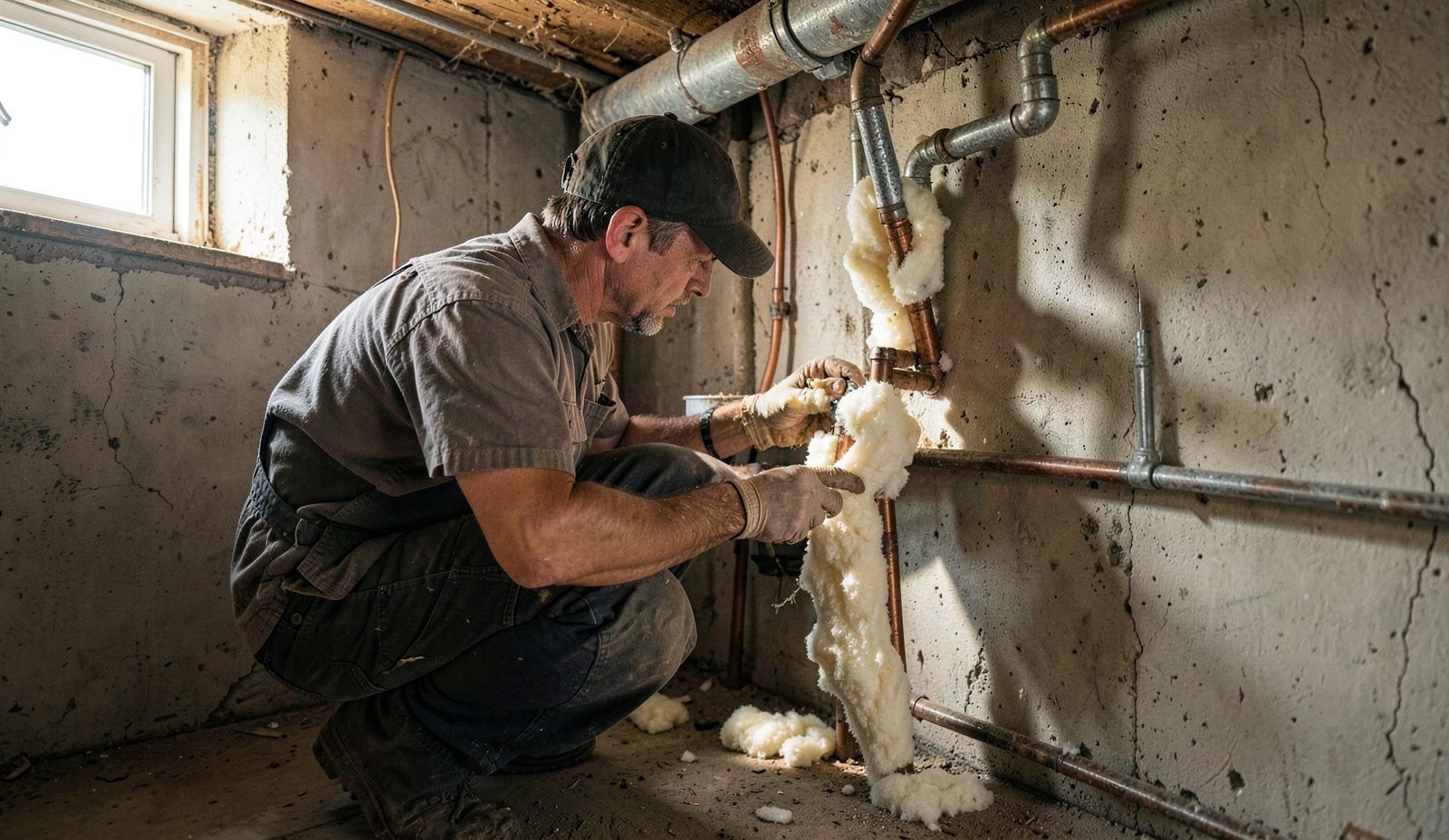
Once you approve the written estimate, the crew protects floors and entry points, then insulates flagged runs with the material suited to that spot, closed-cell foam sleeves for moderate exposure, fiberglass wrap with vapor barrier for damp crawlspaces, or self-regulating heat cable for the highest-risk attic and exterior runs. Any shutoff valve that failed the closure test gets repacked or replaced. If pressure at the spigot read above 80 psi, a pressure-reducing valve goes in at the main, sized to the line and confirmed against the fixture pressure rating before installation.
The technician rechecks static pressure after any regulator install to confirm it now reads within the target range, and retests every rebuilt shutoff valve for a full quarter-turn close. You walk the attic access, crawlspace hatch, or exterior wall together and see exactly what was insulated and what was replaced. Before leaving, the technician documents the work with photos and a written summary you can keep for insurance records or for the next owner if you sell the home.
Winterization work in Fort Worth falls under the City of Fort Worth plumbing code, based on the locally adopted International Plumbing Code, and that code governs everything from pressure-reducing valve sizing to how a heat cable circuit gets connected to household power. A technician who does not know that code treats every job the same, whether the home sits on a slab in a newer subdivision or on a pier and beam foundation with seventy-year-old framing. Full replacements and structural rerouting typically require a permit through the City of Fort Worth Development Services Department, while a like-for-like insulation retrofit or valve swap usually does not, and the final call on that distinction belongs to that permitting office, not to whoever is holding the pipe wrench.
Local water chemistry factors into the recommendation too. Fort Worth water runs moderately hard, and the same mineral load that scales a water heater's element also builds up inside older shutoff valves and pressure regulators, making them stiffer to operate exactly when a homeowner needs a fast shutoff during a freeze. A technician who works this metro daily knows to test those valves as part of the same visit rather than assuming a valve that looked fine in October will still turn freely in January.
Out-of-area operators unfamiliar with Fort Worth's housing stock make predictable mistakes: insulating an attic line while ignoring an exposed hose bib on the same wall, or recommending heat cable on a run that a simple reroute would fix permanently. Call (817) 710-3766 and describe your home's foundation type and pipe layout, and a technician can tell you over the phone which risk areas matter most before ever stepping on site.
Our page on how to shut off main water valve covers that side of the work in more depth.
Your local utility, Payment options, publishes service and water-quality information every Fort Worth homeowner should know.
Scheduling starts with a call, not a form. You get a specific arrival window, usually a two-hour block, based on how many homes are ahead of yours that day. Freeze prep calls placed once a hard freeze is forecast get priority scheduling over routine work, because the risk window is measured in hours, not weeks. If a prior job runs long, the office calls you before your window closes, not after, so you are never left checking a driveway that stays empty. Cancellations and reschedules happen by phone the same way the original booking did.
Attic and crawlspace work means insulation debris and dust, so the crew lays down floor runners from the entry point to the access hatch before touching a single line. Insulation sleeves and heat cable packaging get bagged and hauled out the same day, never left in a garage corner. If a wall or ceiling has to open to reach a failed joint, the cut edges get taped and the drywall dust gets vacuumed, not swept, before the crew leaves. You walk the space with the technician at the end and see exactly what changed.
The estimate reflects what the walkthrough actually finds: how many exposed runs need insulation, whether attic or crawlspace access is easy or requires cutting an opening, and whether a pressure-reducing valve or shutoff valve rebuild belongs on the same visit. You get the written number before any insulation is cut or any valve is touched, and you approve it line by line. If the technician finds a second problem once work is underway, such as a corroded union hidden behind existing insulation, that gets a separate approval before it becomes part of the job.
Every technician passes a background check before working in a client's home. Continuing education covers the current plumbing code cycle, including pressure regulation requirements and approved insulation and heat cable installation methods, on a recurring schedule rather than a one-time class. New technicians work paired jobs under a senior tech and are checked off on specific tasks, pipe insulation, valve rebuilds, pressure testing, before they run a winterization visit alone. Field competence gets verified through direct observation on real jobs, not paperwork alone.
Keeping pipes from freezing depends on insulating exposed runs and cutting off wind exposure before temperatures drop. In Fort Worth that means checking attic and garage lines first, since builders rarely insulate those spaces to the same standard as living areas. Open cabinet doors under sinks along exterior walls so warm household air reaches the pipe, and seal any visible gap where a line passes through an exterior wall or soffit. A technician can flag every exposed run in a single walkthrough before the next cold front arrives.
You can insulate exposed lines, disconnect and drain outdoor hoses, and keep a slow trickle running from the faucet farthest from your main shutoff during a hard freeze. Wrap exposed hose bibs with foam covers, not just a towel, since fabric holds moisture that refreezes against the spigot. Check that your main shutoff valve actually turns before winter arrives, because a stuck valve during an active leak turns a repair into a flood. Anything beyond basic insulation, like heat cable wiring or a pressure-reducing valve, is worth a professional evaluation.
Exposed pipes in Texas start freezing once sustained air temperature drops below roughly twenty degrees Fahrenheit for several hours. Wind exposure lowers that threshold fast in an attic with gable vents or a crawlspace with foundation vents left open, since moving air pulls heat away from the pipe surface faster than still air at the same temperature. A pipe insulated to current standards can often ride out a shorter freeze that would split an uninsulated line in the same wall cavity.
Drip cold water, not hot, from the fixture farthest from your main shutoff during a hard freeze. Running hot water forces your water heater to cycle repeatedly to replace the heat lost through the line, which wastes energy without adding freeze protection. A steady cold trickle keeps water moving through the pipe, and moving water resists forming an ice plug far better than water sitting still in a section of exposed line.
A typical winterization visit takes one to three hours, depending on how many exposed runs need insulation and how accessible your attic and crawlspace are. A home with easy attic access and a handful of exposed joints moves faster than one requiring a crawlspace crawl through tight framing or an attic with blown-in insulation covering the joists. Adding a pressure-reducing valve or rebuilding multiple shutoff valves extends the visit, and the technician gives you a time estimate once the walkthrough identifies the actual scope.
Estimates come after a walkthrough identifies exactly which lines and valves need attention, never before. The technician documents every exposed run, checks pressure at an outdoor spigot, and gives you a written number covering insulation, valve work, and any regulator installation before touching a single pipe. You approve the estimate before work starts, and any new issue found once work is underway gets a separate approval rather than getting added silently.
Basic steps like foam sleeve insulation, hose bib covers, and a cold-water drip are within reach for most homeowners. Testing static water pressure accurately, sizing a pressure-reducing valve, or rebuilding an old shutoff valve that has not moved in years calls for a professional with the right gauges and parts on hand. Homes with older steel supply lines carry less margin for error, and a misjudged repair there risks a bigger leak than the one you started with.
Housing stock age changes how a winterization job gets planned in Fort Worth. Pre-1970 neighborhoods across the metro were plumbed with galvanized steel supply lines and cast iron drains, and both materials are now at or past the end of their service lives, meaning they carry less structural margin to survive the internal expansion of a freeze than the copper and PEX common in newer construction. A technician working one of these older homes plans for a thinner-walled, more brittle line and adjusts insulation thickness and heat cable placement accordingly, rather than applying the same approach used on a subdivision built in the last two decades. Pier and beam foundations common in these older sections also leave more plumbing exposed to moving outdoor air than a slab home does.
Permit rules and inspection expectations differ by scope, not by neighborhood, and Fort Worth's permitting authority draws that line the same way whether the address sits in Wedgwood, Ridglea Hills, the Near Southside, or the Cultural District. A straightforward insulation retrofit or valve rebuild rarely triggers a permit review, while a full repipe or a rerouted line through a finished wall typically does. Homeowners in these established areas often rely on word of mouth from a neighbor who had freeze damage the winter before, and that referral pattern rewards a crew that documents its work clearly enough for the next homeowner, insurer, or inspector to understand exactly what was done and why.
Explore our service area and locate Shield Plumbing Fort Worth with ease. We're proudly local and serve the surrounding neighborhoods with fast response and honest pricing. Use the map to check our coverage area, or call us and we'll confirm in seconds.
Address:
Shield Plumbing Fort Worth, 210 W 7th St, Fort Worth, TX 76102
5 Signs Your Ridglea Hills Home Has a Slab Leak, practical local guidance from Shield Plumbing Fort Worth, Fort Worth's trusted plumbing tea…
Read More
What Wedgwood Residents Should Know Before a Whole-Home Repipe, practical local guidance from Shield Plumbing Fort Worth, Fort Worth's trust…
Read More
How Fort Worth's Hard Water Is Quietly Destroying Your Water Heater, practical local guidance from Shield Plumbing Fort Worth, Fort Worth's …
Read More
The Hidden Cost of Ignoring a Dripping Faucet in Fort Worth, practical local guidance from Shield Plumbing Fort Worth, Fort Worth's trusted …
Read More