
June 20, 2026
5 Signs Your Ridglea Hills Home Has a Slab Leak
5 Signs Your Ridglea Hills Home Has a Slab Leak, practical local guidance from Shield Plumbing Fort Worth, Fort Worth's trusted plumbing tea…
Read More




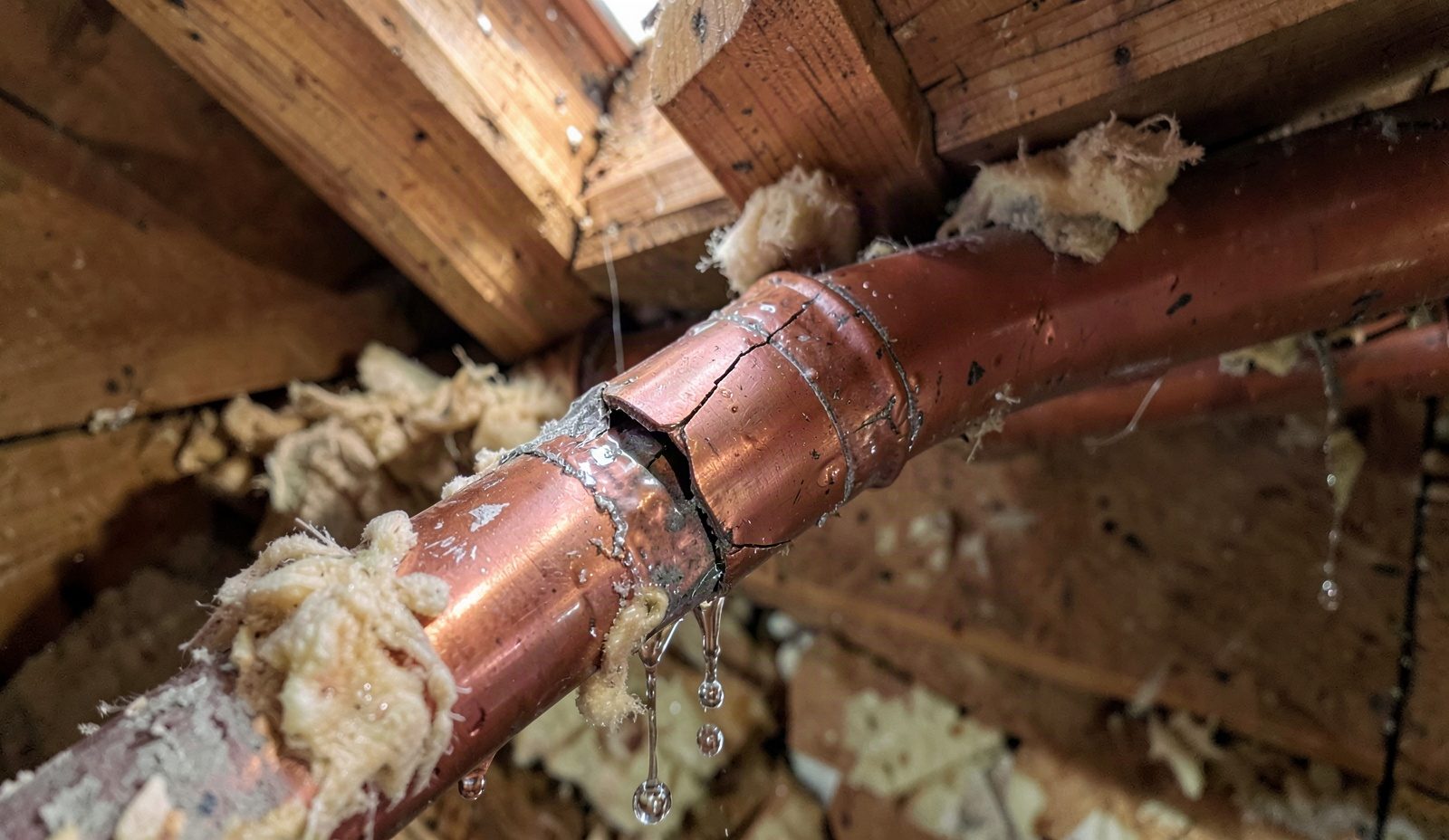
Rust-colored water from the hot side. A hairline crack at a copper elbow under the kitchen sink, weeping just enough to leave a green-blue crust. Banging pipes when the washing machine shuts off. These are not random annoyances. They are the physical signs of pipe material reaching the end of what it can handle in this metro, and they are the reason so many Fort Worth homeowners end up comparing pex or copper pipes for the first time only after a leak already stained a ceiling.
The root cause sits below the slab. North Texas expansive clay swells with rain and shrinks in drought, and that cycle moves slab foundations enough to shear rigid copper supply lines and pull drain joints apart under the house. Homes in Fairmount and Arlington Heights, many built on shallow slabs with copper runs set close to grade beams, show this pattern often: a slow drip that starts near a foundation crack, gets blamed on the dishwasher, and turns out to be a sheared line six inches under the slab.
Age compounds the soil problem. Copper pipe lifespan runs long when the water chemistry is friendly and the soil stays still, but decades of clay movement plus normal wear leave old copper thin-walled and pitted at the joints, exactly where a slab shift puts the most stress. This is the point where homeowners start weighing pex piping pros cons against sticking with copper, and it is a fair question. Flexible PEX tolerates minor soil movement in ways rigid copper cannot, which matters more here than in a metro with stable ground.
Waiting rarely buys you anything but a bigger job. A pinhole leak behind drywall becomes a saturated wall cavity, then mold growth inside the cavity, then a drywall tear-out on top of the pipe repair. A slab leak left alone erodes the soil under the foundation and can undermine footing support long before the water bill spike gets anyone's attention. What starts as a single fitting repair becomes a multi-line problem once enough joints in the same generation of pipe start failing in the same season.
If this sounds close but not quite your situation, diy vs. professional drain cleaning may be the better starting point.
Every repipe assessment starts with a number, not a guess. A technician threads a calibrated gauge onto an outdoor spigot and records static water pressure. Under the City of Fort Worth plumbing code, based on the International Plumbing Code, a reading above 80 psi triggers a mandatory pressure-reducing valve under Section 604.8. That single reading changes the whole repipe plan, because high static pressure accelerates pinhole formation in copper and stresses PEX fittings at the manifold, so we address it before we touch a wall.
Where existing copper is in question, we run an ultrasonic thickness gauge against the pipe wall rather than eyeballing corrosion. Nominal Type L copper runs about 0.040 inch of wall thickness when new. A reading under roughly half that at multiple points tells us the line is near end of service, not just cosmetically stained. Fort Worth's moderately hard water plays a direct role here: the same mineral scale that shortens water heater life locally also narrows copper's interior diameter over time, which is one reason copper pipe lifespan in this metro tends to run shorter than manufacturer tables suggest.
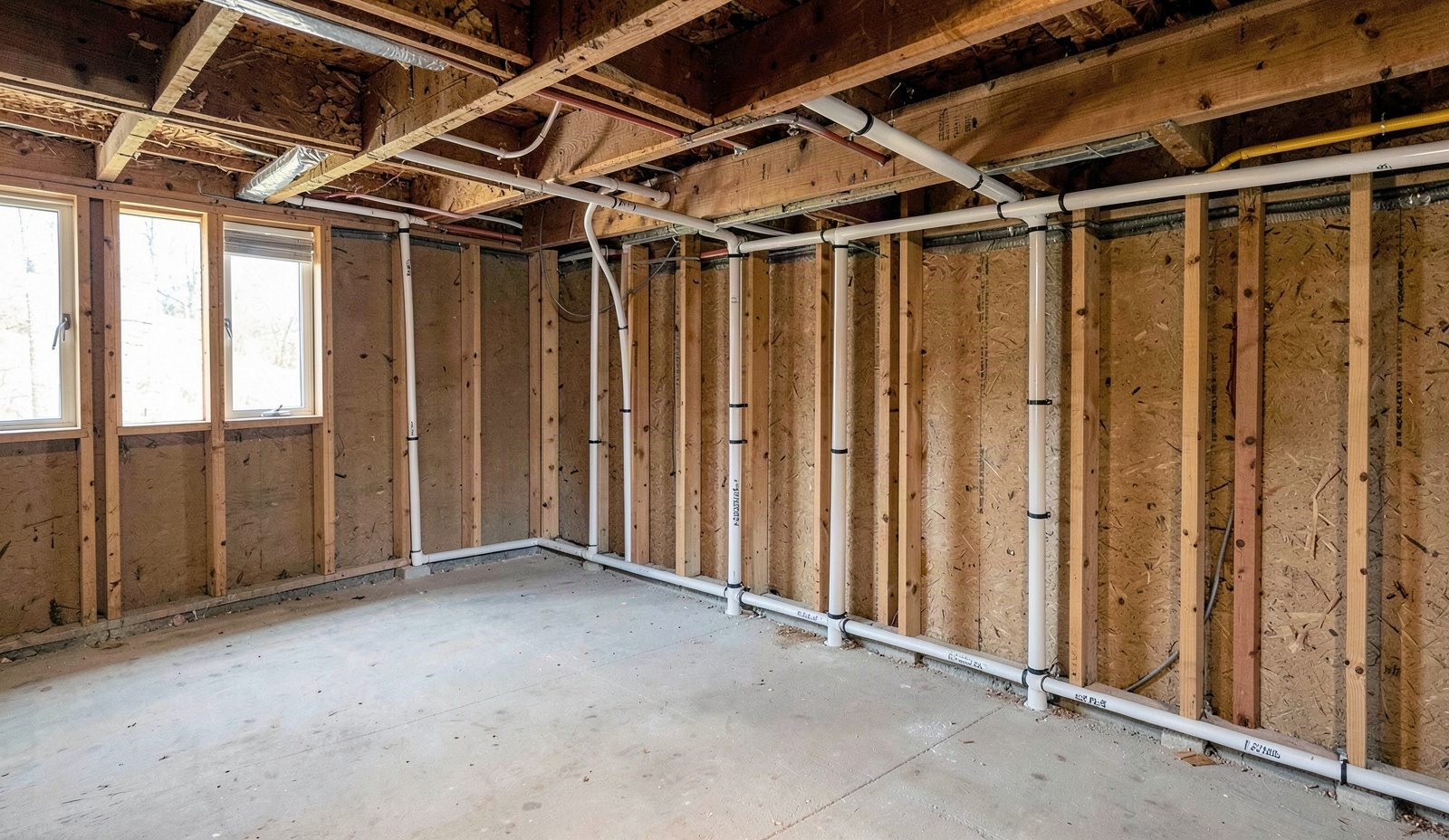
On the repipe material comparison itself, we name products instead of speaking in generalities. PEX-A systems like Uponor AquaPEX use a home-run manifold layout with fewer fittings and expand slightly under freeze pressure instead of splitting, a real advantage after a hard winter. Rigid Type L copper, properly supported and free of aggressive water chemistry, still offers a longer rated service life and no plastic taste concerns some homeowners raise. For most Fort Worth homes weighing the best pipe for repiping, the deciding factors are routing and soil exposure: because slab movement here can reopen a trench within a season, we favor routing new supply lines through the attic and interior wall cavities over cutting the slab, which favors PEX's flexibility and lighter fitting count over rigid copper runs in that same path.
More detail on plumbing repair cost guide 2026 is on its own page.
Your local utility, Payment options, publishes service and water-quality information every Fort Worth homeowner should know.
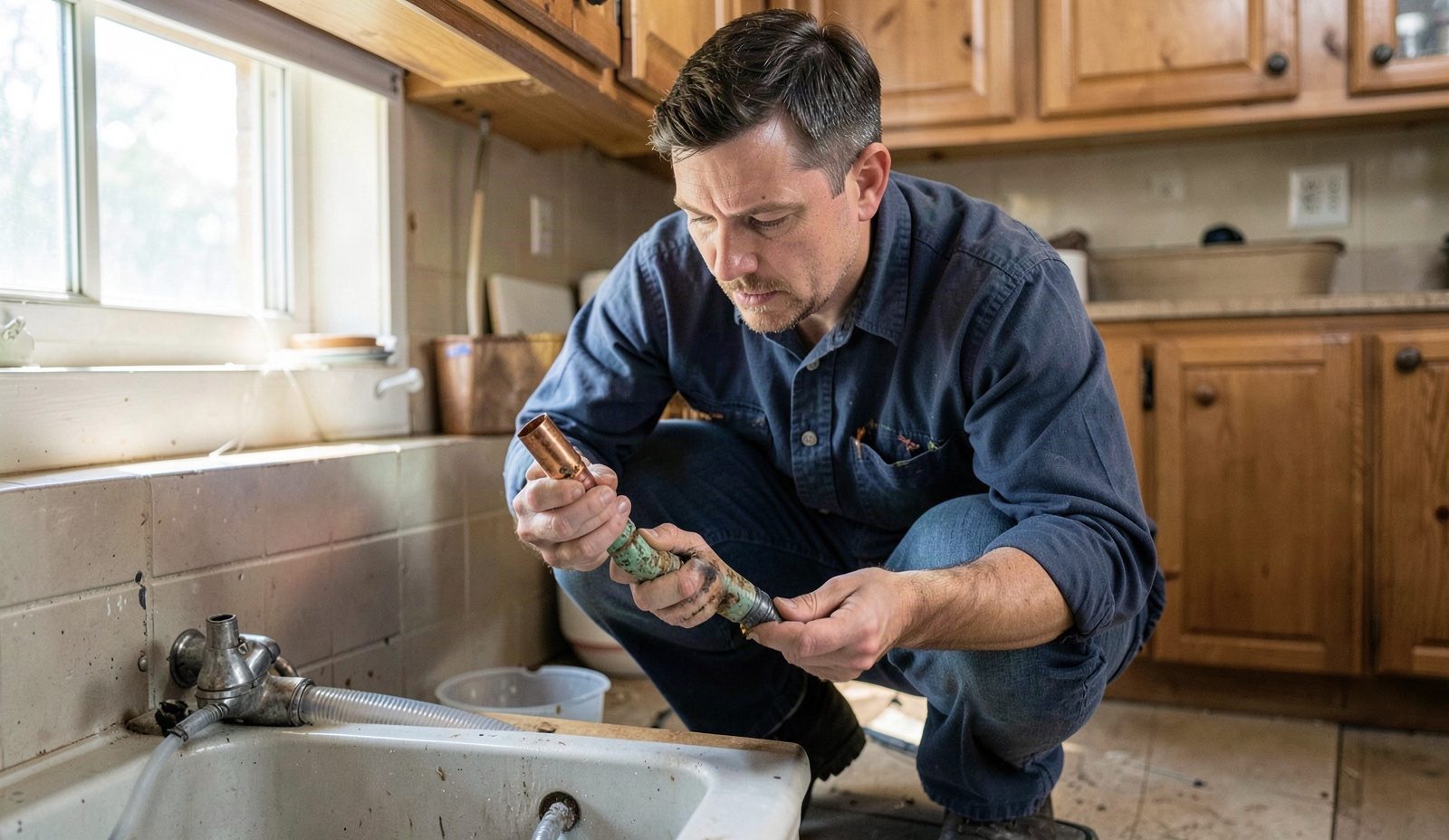
You call (817) 710-3766 and describe what you are seeing: discolored water, a leak, low pressure, or an aging home you want assessed before problems start. A technician arrives in the scheduled window and checks static water pressure at an outdoor spigot, inspects visible pipe runs in the attic, crawlspace, and under sinks, and notes the age and material of what is currently installed. You see exactly what the technician sees, including any corrosion, prior repairs, or code issues found along the way.
Once you approve the written quote, the crew protects the work area with drop cloths and containment sheeting before opening any wall or slab. Work proceeds section by section, whether that means running new PEX through a manifold layout in the attic or replacing a copper section fitting by fitting. Any decision point, like whether a pressure-reducing valve gets added or whether a section of drain line needs replacing too, gets confirmed with you before work continues past that point.
Before the crew leaves, every new connection gets pressure tested to confirm there are no leaks under normal operating pressure, and the static reading at the spigot gets rechecked to confirm it sits within code range. You walk the job with the technician, who points out where lines were run and where any patched drywall or slab work sits. You get documentation of what was installed and where, useful for a future buyer's inspection or an insurance record.
A repipe done wrong on paper causes problems years after the crew leaves. The City of Fort Worth plumbing code, built on the International Plumbing Code, governs pipe sizing, fitting types, and pressure protection on every repipe in the metro, and an operator who does not work here regularly misses the details that trip up an inspection: wrong dielectric fittings where copper meets steel, PEX run without proper strain relief through a top plate, or a pressure-reducing valve skipped entirely.
Housing stock in this metro varies block by block, which changes the job more than most homeowners expect. Pre-1970 neighborhoods across the metro were plumbed with galvanized steel supply lines and cast iron drains, both now at or past the end of their service lives, and a repipe crew unfamiliar with that generation of construction can misjudge how brittle the old fittings are before they even open a wall. Newer additions on the same house often mix in copper from a 1980s remodel, which means the diagnostic work has to account for three different pipe generations under one roof.
Hiring outside the area or skipping proper documentation carries real risk beyond a failed inspection. Work that requires a permit and gets done without one leaves no record for a future buyer's inspection or an insurance claim, and rework to correct code violations costs more than doing it right the first pass. Call (817) 710-3766 to talk through what your home's construction era and pipe layout mean for the job before any wall gets opened.
Our page on benefits of water softeners covers that side of the work in more depth.
Scheduling starts with a phone call, not a form, since the site runs call-only. You get a specific arrival window for the assessment visit, not a vague morning-or-afternoon promise. If a prior job runs long, dispatch calls you before the window closes, not after. For a full repipe, we block the day in phases: assessment and quote first, then a scheduled start date once you approve the scope. Weather delays are rare in this climate outside of active freeze events, and if one hits, you hear about it directly from the technician handling your job, not a call center reading a script.
Before a wall or slab gets opened, the work area gets covered. Drop cloths go down over flooring, plastic sheeting seals off the work zone from the rest of the house, and any furniture in the path gets moved or protected. Cut drywall and old pipe sections come out in sealed bags, not left in a pile on your lawn. Dust from slab penetration gets controlled with containment barriers, not just swept up afterward. When the crew leaves for the day, the work area is broom clean, and at final walkthrough the space looks like a job site closed out, not one still in progress.
The written quote reflects four variables: total linear footage of pipe being replaced, access difficulty (attic and wall-cavity routing versus slab penetration), material choice between PEX and copper, and the condition of fixtures the new lines connect to. A technician walks the home first, checks the pressure reading, and identifies how many pipe generations exist under the roof before writing the number. You see the itemized quote before any work begins and approve it in writing. Nothing changes mid-job without a conversation first. Call (817) 710-3766 to schedule that walkthrough and get a scope specific to your house.
Every technician goes through a background check before being scheduled into a home. New hires shadow experienced repipe crews on live jobs, running pressure tests and fitting connections under direct supervision, before being cleared to run a job alone. Ongoing training keeps the crew current on the plumbing code cycle the City of Fort Worth has adopted, including changes to venting and pressure protection requirements. Field competence gets checked through supervised jobs and code knowledge reviews, not a one-time class years ago. That is how a homeowner gets consistent work regardless of which technician shows up.
Coverage depends on the cause, not the pipe material itself. A sudden pipe burst, like one caused by a hard freeze, is typically covered as sudden and accidental damage. Gradual failure from age, corrosion, or long-term clay soil movement is usually treated as a maintenance issue and excluded. Most Fort Worth homeowners repiping an aging copper or galvanized system are covering that work themselves rather than filing a claim, since the underlying wear developed over years, not in a single event.
It depends on how many failure points already exist and how old the pipe generation is. A single leak in an otherwise sound copper line often justifies a spot repair. Multiple leaks across the same pipe run, or any galvanized steel section, usually points toward a full repipe, since spot repairs on failing galvanized pipe tend to trigger a new leak nearby within months. A technician's pipe wall thickness reading during the assessment is what actually settles this, not a general rule.
Shield Plumbing Fort Worth stands out for treating the repipe material decision as a diagnostic question, not a sales pitch, starting every assessment with an actual pressure reading rather than a recommendation made from the driveway. Technicians carry stock for both PEX-A and Type L copper on the truck, so a job does not stall waiting on a supplier order once you approve a scope. Quotes are itemized by linear footage and access difficulty, so you see exactly what is driving the number before agreeing to it.
A technician assesses the pipe condition and pressure on site, then provides a written, itemized quote before any work starts. The quote breaks out material choice, linear footage, and access difficulty, like attic and wall routing versus slab penetration, so you can see what is driving the number. You approve the quote in writing before the crew opens any wall. Nothing gets added to the scope mid-job without a separate conversation and your approval first.
Cost depends on total linear footage, access difficulty, material choice, and how many fixtures the new lines connect to. A repipe routed through an accessible attic runs differently than one requiring slab penetration through expansive clay soil. The number of pipe generations already in the house, and whether any galvanized or cast iron sections need replacing alongside the main run, also factor in. A technician's on-site assessment and written quote are the only accurate way to price a specific home.
The best pump depends on depth and volume, not one model that fits every flood. A half-horsepower submersible on a dedicated circuit clears shallow seepage in a finished basement without tripping a breaker. Several inches of standing water across an open slab calls for a higher-capacity trash pump running off a generator instead of house power, since it moves far more volume per minute than a household sump unit. Running the wrong pump for the depth just means standing in water longer.
The February 2021 freeze burst pipes across Tarrant County by the tens of thousands, and most of the failures were supply lines run through attics and exterior walls, exposed sections that never should have carried water without insulation in a hard freeze. That event changed how repipe crews route new lines in neighborhoods like Wedgwood and Ridglea Hills, where older attic runs sit close to the roof deck with minimal insulation. Homes in the Near Southside and the Cultural District show a different challenge: mixed-era construction where a 1960s original run meets a 1990s remodel, sometimes with galvanized steel still feeding one bathroom while the rest of the house runs copper. Material choice has to account for both the freeze exposure and the generation of pipe already in the walls.
Full repipes and structural plumbing work typically require a permit from the City of Fort Worth Development Services Department, while minor like-for-like fitting repairs often do not, with the department making the final call on any specific job. An operator working outside this jurisdiction regularly may not know which category a given repair falls into, or may skip the permit step entirely to save time. That gap shows up later at resale, when an inspector or buyer's agent asks for permit records on plumbing work that was never filed. Working with a crew that pulls permits when the scope requires it protects the paper trail a lender, insurer, or future buyer may eventually ask to see.
Explore our service area and locate Shield Plumbing Fort Worth with ease. We're proudly local and serve the surrounding neighborhoods with fast response and honest pricing. Use the map to check our coverage area, or call us and we'll confirm in seconds.
Address:
Shield Plumbing Fort Worth, 210 W 7th St, Fort Worth, TX 76102
5 Signs Your Ridglea Hills Home Has a Slab Leak, practical local guidance from Shield Plumbing Fort Worth, Fort Worth's trusted plumbing tea…
Read More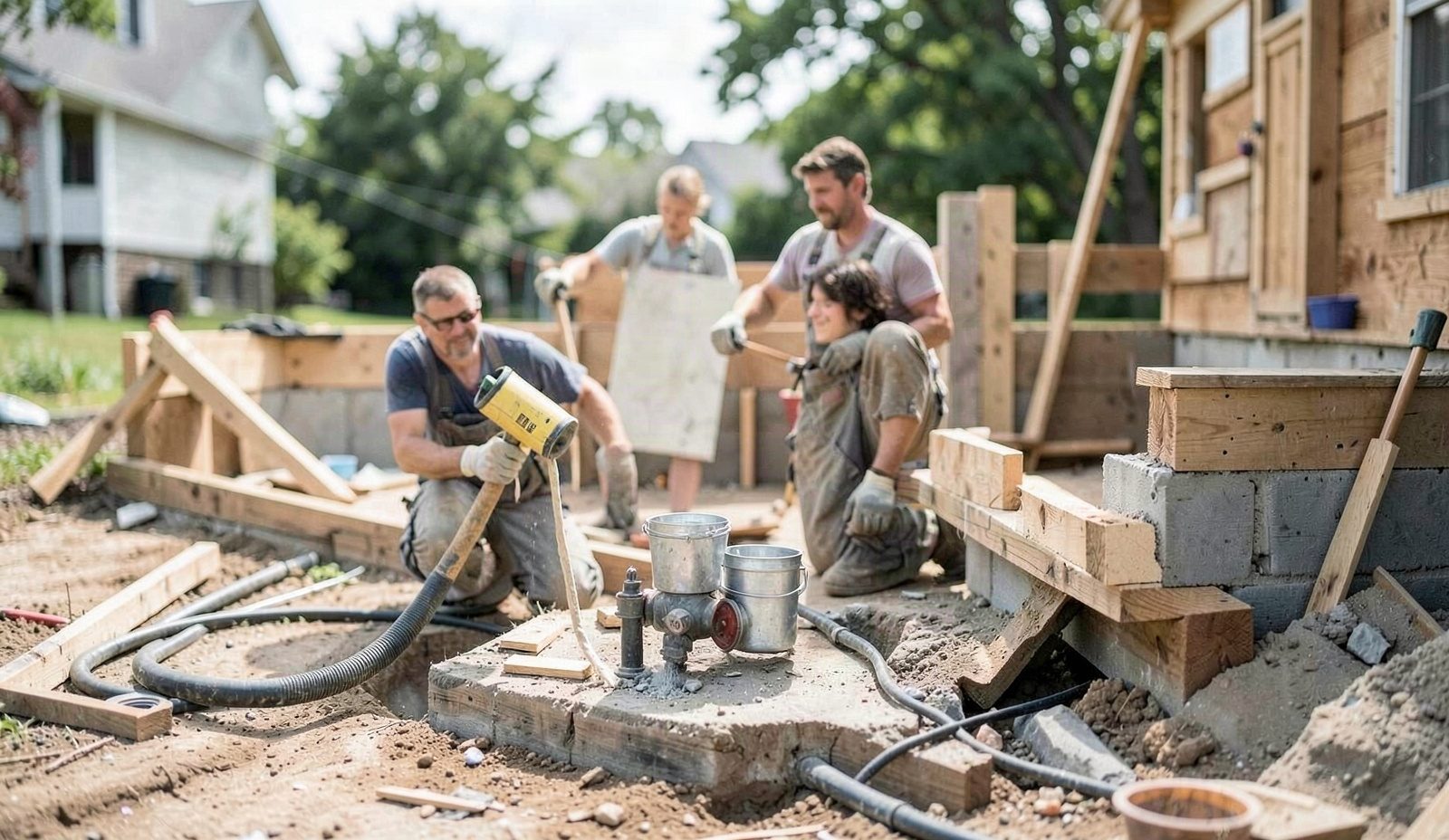
What Wedgwood Residents Should Know Before a Whole-Home Repipe, practical local guidance from Shield Plumbing Fort Worth, Fort Worth's trust…
Read More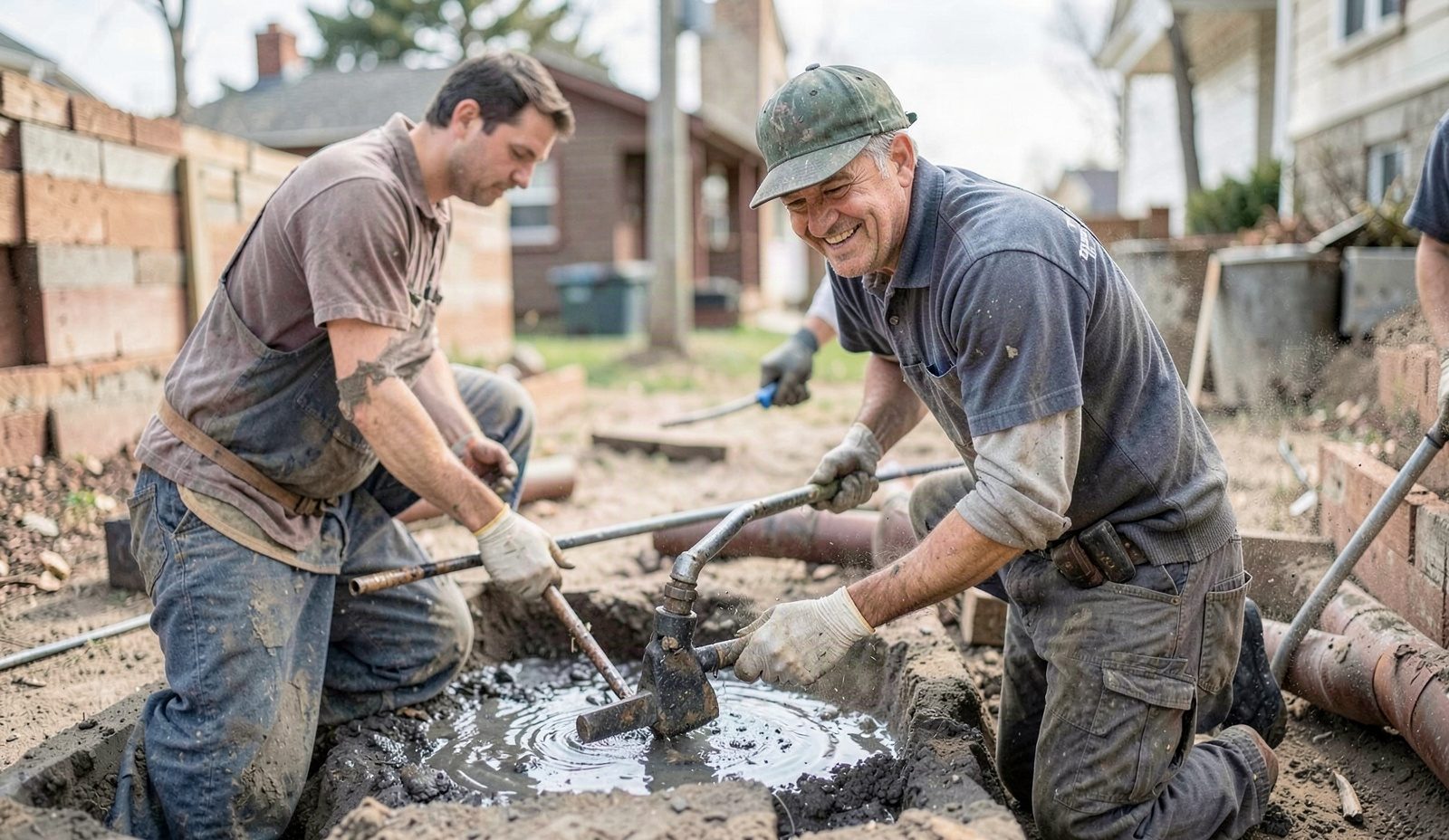
How Fort Worth's Hard Water Is Quietly Destroying Your Water Heater, practical local guidance from Shield Plumbing Fort Worth, Fort Worth's …
Read More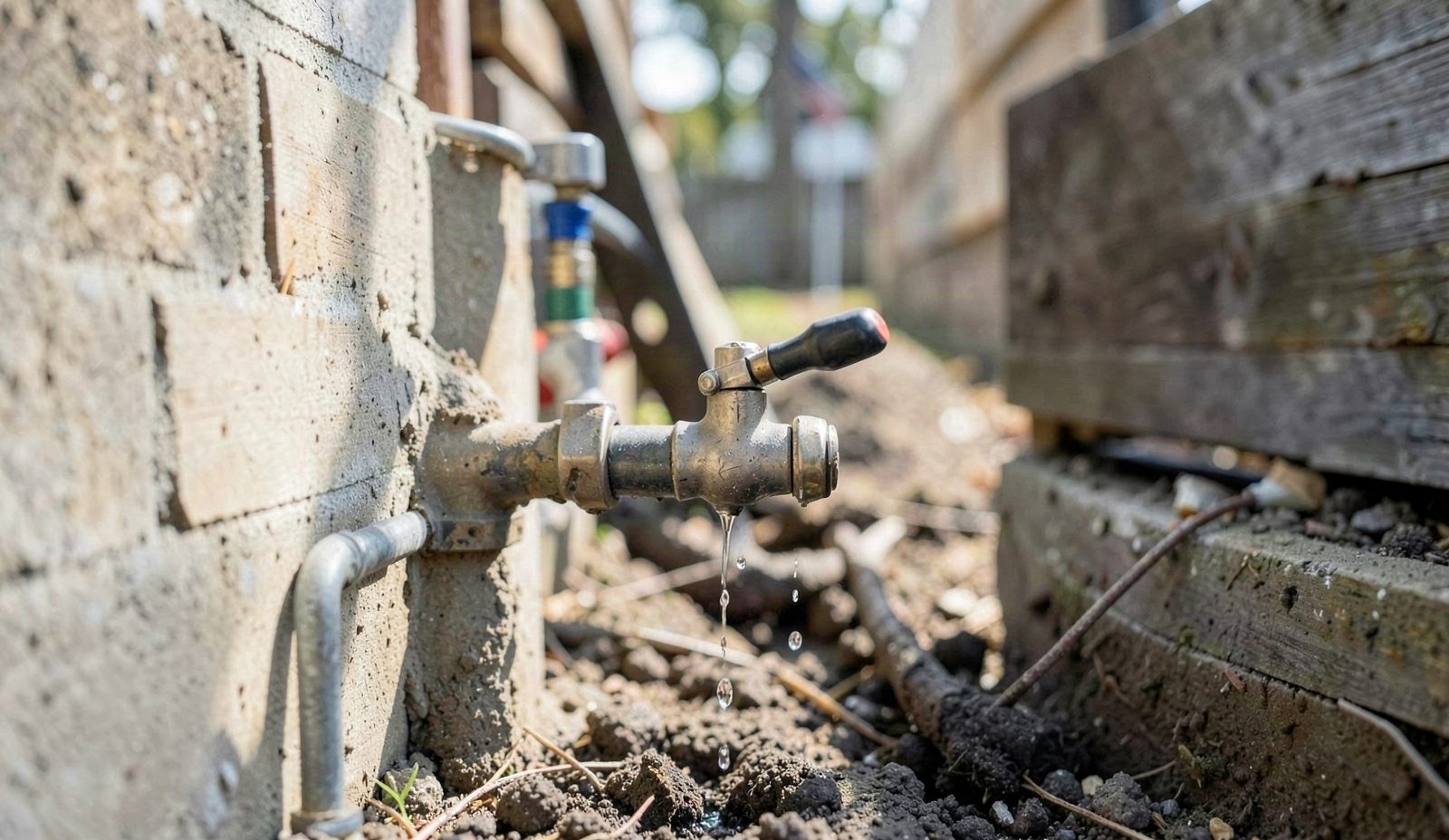
The Hidden Cost of Ignoring a Dripping Faucet in Fort Worth, practical local guidance from Shield Plumbing Fort Worth, Fort Worth's trusted …
Read More