
June 20, 2026
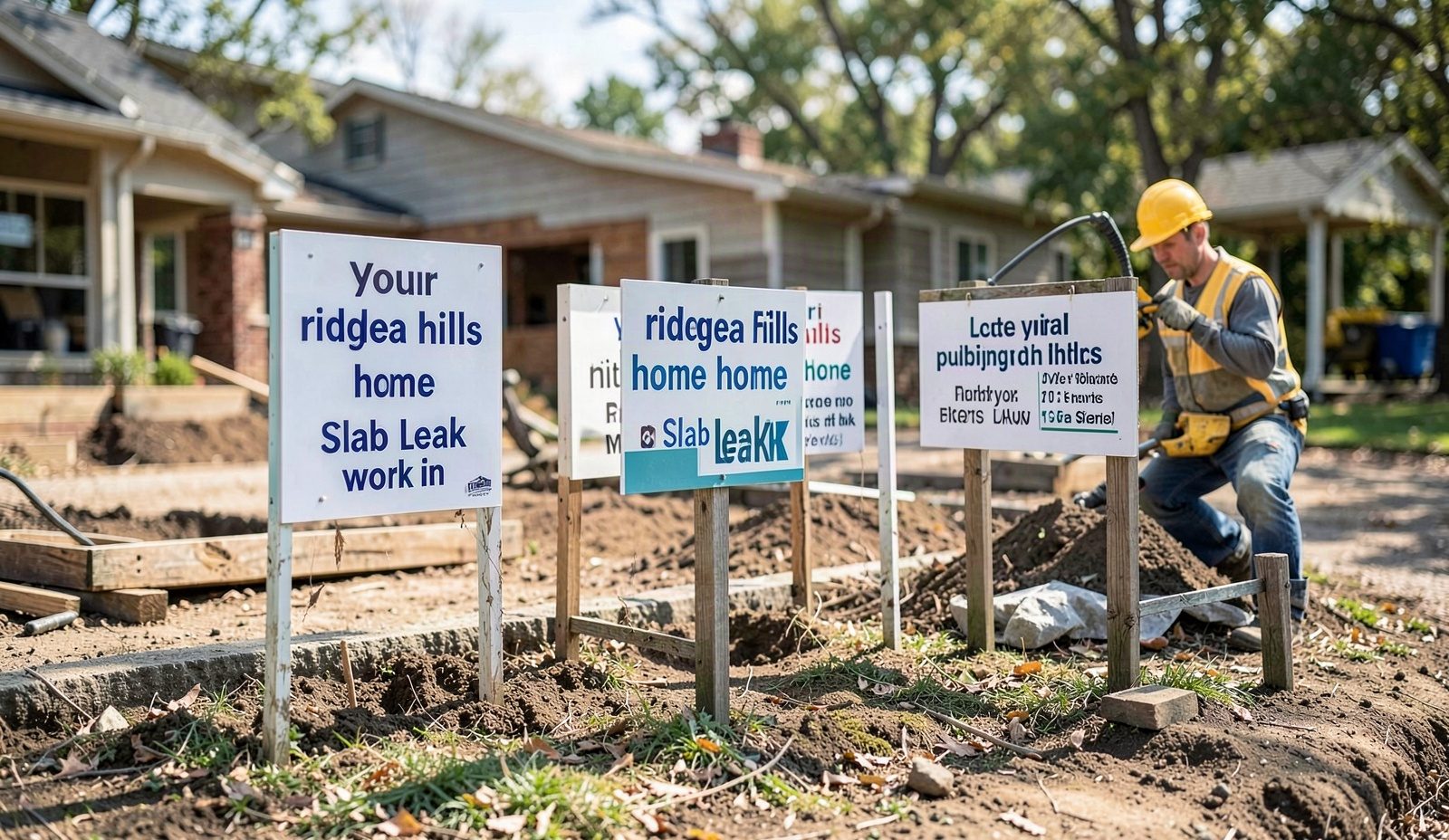
5 Signs Your Ridglea Hills Home Has a Slab Leak
5 Signs Your Ridglea Hills Home Has a Slab Leak, practical local guidance from Shield Plumbing Fort Worth, Fort Worth's trusted plumbing tea…
Read More




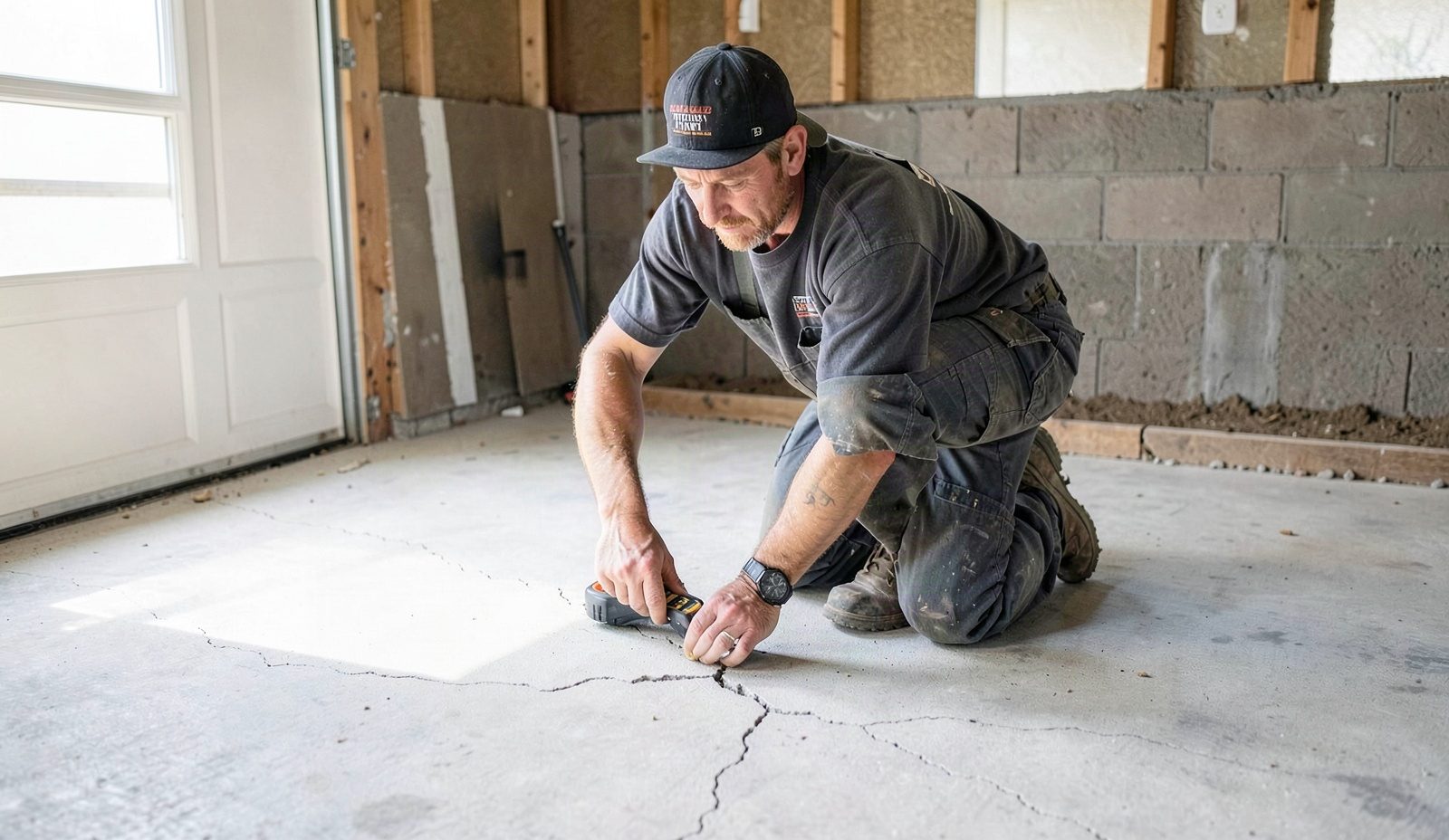
A hairline crack across the garage floor. A door that used to close flush and now sticks in July. A warm patch on the tile near the water heater closet. None of these look like plumbing problems at first. They are. North Texas expansive clay swells with rain and shrinks in drought, moving slab foundations enough to shear copper supply lines and separate drain joints under the house. That movement happens inches at a time, so the leak it starts often runs for months before anyone notices the water bill has climbed or the floor near the kitchen has gone soft.
Age of the pipe matters as much as the soil. Pre-1970 neighborhoods across the metro, including sections of Fairmount and Wedgwood, were plumbed with galvanized steel supply lines and cast iron drains, both now at or past the end of their service life. Galvanized pipe rusts from the inside out, so the first sign is often rust-colored water at the hot tap or a slow drop in pressure at the shower head as scale narrows the pipe's interior diameter. Cast iron drains fail the opposite way, cracking along the bottom seam and letting sewer gas leak into the crawlspace long before anyone hears a drain actually back up.
Water heaters tell their own story. Fort Worth water is moderately hard, and the scale it leaves on heating elements is a leading reason local water heaters fail years before their rated life. A rumbling or popping sound from the tank means sediment has built up on the bottom and is boiling water trapped underneath it. Reduced hot water volume, a rotten-egg smell from the tap, or water that runs rust-tinged after the tank has sat overnight are the checklist items a homeowner can catch before a technician ever shows up.
Waiting turns a repair into a project. A pinhole leak in a slab line becomes a foundation settlement issue once enough water has washed out the soil beneath it. A hairline crack in a cast iron drain becomes a full collapse that requires tunneling under the house to replace. A water heater running past its scale-shortened lifespan fails at the tank seam, not the fitting, which means the flood happens all at once. This is why an annual plumbing inspection matters more in Fort Worth than in cities with stable soil and softer water. A basic home plumbing inspection catches the pipe that is already thinning. A pre purchase plumbing inspection catches the galvanized line the seller never mentioned. Both are cheaper than the failure they prevent.
More detail on plumbing financing options is on its own page.
Permit and inspection questions? Development Services is the office we coordinate with on every permitted Fort Worth job.
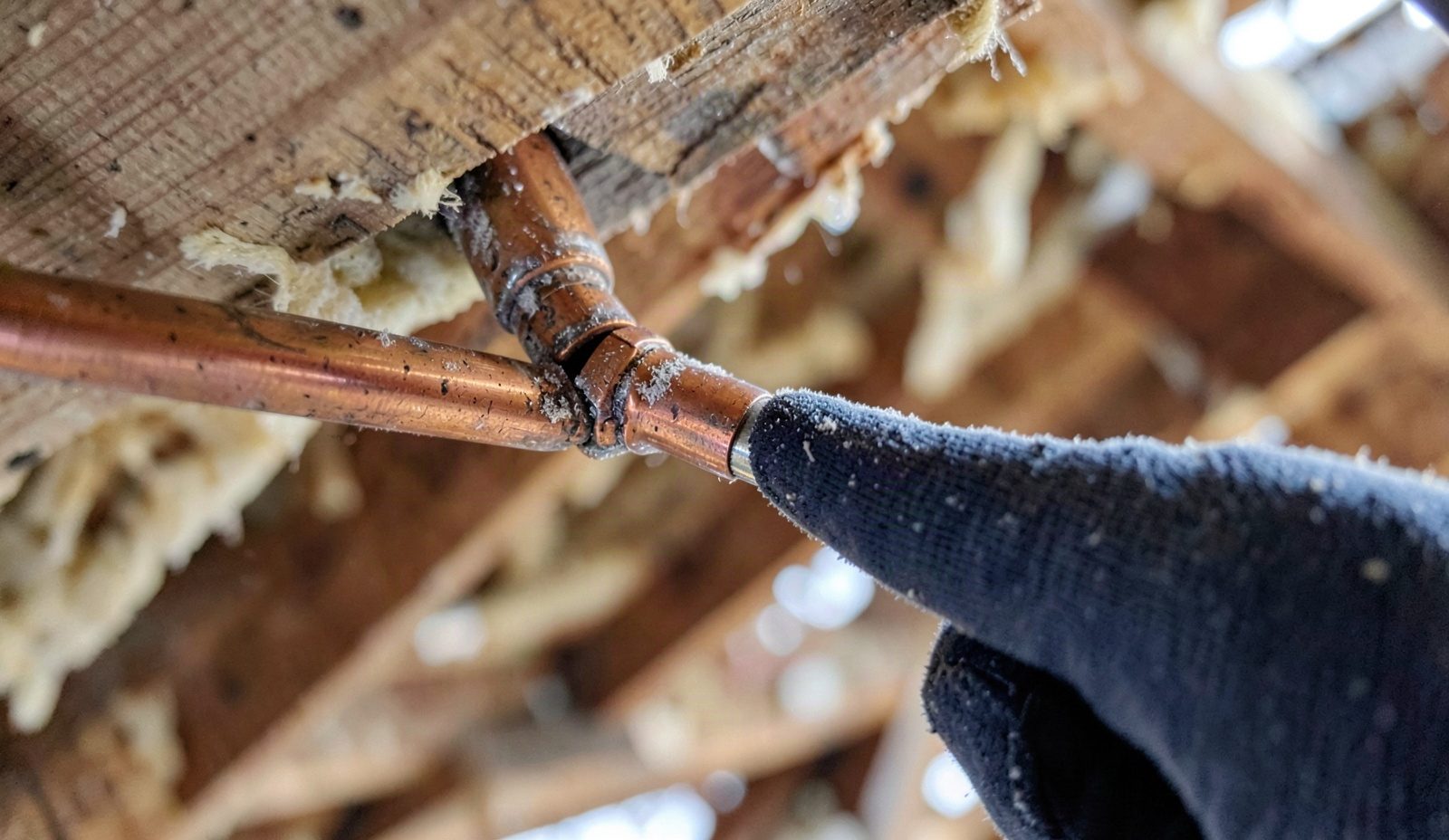
The inspection starts with a fixture-by-fixture walkthrough, not a glance under the sink. A technician runs every hot and cold tap, flushes every toilet twice, and watches the P-trap under each drain for weeping at the slip joint. A borescope camera goes into any cleanout that is accessible, looking for root intrusion, bellied pipe, or the flaking scale pattern that shows a cast iron drain is thinning from the inside. A combustible gas detector checks the water heater's burner compartment and any gas line union in the same trip, because a slow gas leak and a slow water leak get reported the same way by homeowners: "something smells off."
The number that tells us the most about a home's supply system is static water pressure read at an outdoor spigot. A reading under 40 psi means undersized piping or a failing pressure regulator somewhere upstream. A reading over 80 psi is a code issue, not a preference: Section 604.8 of the International Plumbing Code requires a pressure-reducing valve where static pressure at the fixture exceeds 80 psi, and pressure that high shortens the life of every washer, supply hose, and toilet fill valve in the house. We log that number on the checklist along with the water heater's Btu rating and the main shutoff's condition, because those three data points predict most of what fails next.
Pipe material on the checklist gets scored differently depending on what's actually installed. Copper Type L holds up longest and resists scale better than any alternative, but it's rigid, so slab movement stresses it at the joints. PEX-A, the flexible cross-linked polyethylene sold under brands like Uponor AquaPEX, expands slightly under freeze pressure instead of splitting, which is why re-pipe recommendations in Fort Worth lean toward PEX-A for attic and exterior wall runs. CPVC costs less than either but turns brittle with age and UV exposure, so a checklist that finds CPVC exposed in a garage or attic gets flagged for monitoring, not automatic replacement. The checklist notes which material is where, because that decides whether a future leak is a spot repair or a section re-pipe.
Our page on plumbing repair cost guide 2026 covers that side of the work in more depth.
Communities like r/Plumbing are full of homeowners comparing notes on exactly this problem, worth a read before a major project.
The visit starts with the call to (817) 710-3766, where we ask the age of the home, the foundation type if you know it, and whether you've noticed anything specific like slow drains or discolored water. On arrival, the technician walks the exterior first, checking the main shutoff, the outdoor spigots, and any visible cleanouts, then moves inside room by room. You see each finding as it happens, not in a summary after the fact.
Every fixture gets run, every trap gets checked for slow weeping, and the static pressure reading gets logged at the outdoor spigot. If the walkthrough turns up something that needs repair, like a failing shutoff valve or a water heater past its scale-shortened service life, that finding goes on the written quote with its own line item. Nothing gets opened up or replaced until you've reviewed the quote and approved the specific work.
Before the technician leaves, every fixture touched during the inspection gets run again to confirm normal flow and no new leaks at the joints checked. Access panels, cleanout caps, and any opened fixtures get reseated and tested a second time. You get the completed checklist with every reading, from static pressure to water heater condition, so you have documentation on hand for insurance, resale, or your own maintenance records.
Fort Worth plumbing work falls under the City of Fort Worth plumbing code, based on the 2021 International Plumbing Code, and a technician who works this metro daily knows which checklist findings trigger a permit conversation and which don't. A cracked wax ring or a leaking supply stop is a like-for-like repair. Re-piping a slab leak, replacing a water heater with a different fuel type, or rerouting a drain line is structural work that the permitting authority typically wants documented before it's covered back up.
Housing stock knowledge changes what an inspection actually looks for. A ranch-style home near Ridglea Hills built on a pier-and-beam foundation gets inspected differently than a post-war bungalow with a slab foundation and cast iron under it, because the failure points aren't the same. A generalist plumber working a route across several counties doesn't carry that distinction in his head. He treats every drain smell the same way and every slab crack the same way, and that guesswork costs homeowners a second visit once the real cause surfaces.
Response logistics matter too. A technician who already knows the difference between a Near Southside 1940s bungalow and a newer build near the Cultural District doesn't spend the first twenty minutes of the visit figuring out what decade of plumbing he's looking at. He starts the checklist immediately, which is the difference between a same-visit diagnosis and a callback. Call (817) 710-3766 to schedule an inspection with a technician who already knows this housing stock.
If this sounds close but not quite your situation, 24/7 emergency plumbing services may be the better starting point.
Booking happens over the phone, not through an online form. When you call (817) 710-3766, we schedule a specific arrival window rather than an all-day guess, and we call ahead when the technician is on the way. If a prior job runs long because of an unexpected finding like a cracked drain stack, we call to reset the window rather than leave you waiting. Most full-home checklist inspections book within a few days, and same-week openings are common outside of peak freeze season, when call volume across Tarrant County runs heavier than usual.
Every access point gets protected before a tool comes out. Drop cloths go down under water heaters and washing machine connections, shoe covers go on before anyone walks through carpeted rooms, and any attic or crawlspace access gets a work light set up so nothing gets stepped on in the dark. Sediment flushed from a water heater during testing gets caught and disposed of, not dumped on the lawn. When the inspection wraps, access panels go back on, cleanout caps get reseated, and the areas we worked in look the same as when we arrived.
Cost on any follow-up repair depends on scope, access, and the condition the checklist actually finds, not a flat rate applied to every house. A slab leak repair costs differently depending on whether the line is accessible from a crawlspace or has to be located under a finished floor. A water heater replacement varies with tank size and venting type. Once the checklist is complete, you get a written itemized quote broken out by finding, and nothing beyond the inspection itself moves forward until you approve each line item by name.
Every technician who inspects a Fort Worth home passes a background check before ever being assigned a solo visit. Continuing training runs on the current plumbing code cycle, so field staff stay current on requirements like pressure-reducing valve thresholds and venting rules as they're adopted locally, not on outdated assumptions. New technicians work paired jobs first, shadowing a senior tech through full checklist inspections, and don't run solo appointments until a supervisor has signed off on their fieldwork against the same checklist standards used on every visit.
A full plumbing inspection checklist takes roughly two to three hours for an average single-family home. Homes with pier-and-beam foundations near Ridglea Hills take longer because the crawlspace access adds inspection time for the drain and supply runs underneath. A smaller condo or a home with fewer fixtures can finish closer to ninety minutes.
The inspection itself never needs a permit, only the repair work a checklist might uncover does, and only sometimes. Replacing a water heater or re-piping a section of supply line typically requires a permit from the local permitting authority, while swapping a supply stop or resealing a wax ring usually doesn't. Shield Plumbing Fort Worth flags which checklist findings fall into each category before any work begins.
Cost depends on pipe material, blockage location, access difficulty, and whether the fix is a clear-and-clean or a section replacement. A clog cleared with a cable machine or jetter costs less than an excavation to replace a collapsed cast iron section. A technician gives you the specific cost factors for your line after the camera inspection, in writing, before any work starts.
Estimates for weekend and holiday plumbing come after an on-site diagnosis, not a phone guess. A technician inspects the failure, checks pressure or drain flow as needed, and writes up the specific repair with materials and labor listed before touching anything. You review and approve that written number on the spot, and the price does not change mid-repair unless a second problem turns up, in which case that gets approved separately.
It depends on the scope of the repair, not the symptom itself. A full water or sewer line replacement typically needs review from Fort Worth permitting office, while a like-for-like repair on a single joint or short section often does not. The final decision belongs to that office, not to the crew doing the work, and Shield Plumbing Fort Worth flags which category your repair falls into once the camera and pressure data confirm the scope.
Low-cost plumbing usually means a lower price today and a higher repair bill later. Fort Worth plumbing companies price jobs around scope, access and material condition, so a phone quote without an on-site look rarely holds. Shield Plumbing Fort Worth prices after a technician sees the actual pipe or fixture condition, which avoids the change-order surprises that make a cheap bid expensive. Ask any local plumbers for a written scope before comparing price alone.
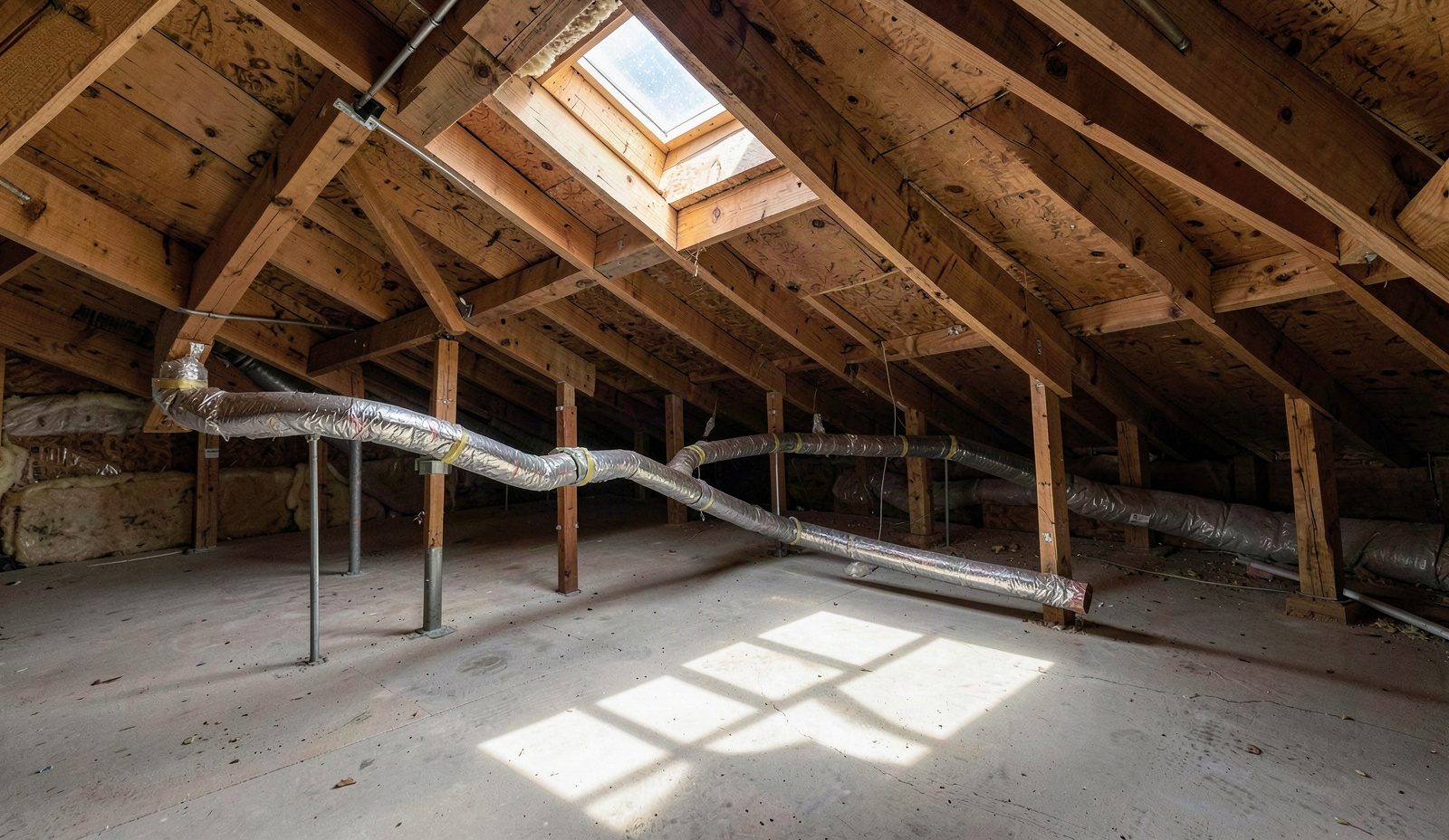
Winter changes what a Fort Worth checklist has to prioritize. The February 2021 freeze burst pipes across Tarrant County by the tens of thousands, and most of the failures were supply lines run through attics and exterior walls, not the buried lines under the slab. That single event reshaped how local inspections treat attic runs near neighborhoods like Arlington Heights and the Cultural District, where older additions and converted garages often route supply lines through uninsulated spaces. A checklist here spends real time on pipe insulation, attic access sealing, and whether exposed lines near exterior walls have any freeze protection at all, because that's the failure point that actually floods a home.
Permitting knowledge protects the homeowner as much as the pipe. Full plumbing replacements and structural changes like re-piping or relocating a drain line typically need a permit, while a like-for-like repair usually doesn't, and the City of Fort Worth Development Services Department makes the final call on Fort Worth addresses, with the local city building department or Tarrant County handling other jurisdictions in the metro. A technician who pulls the right permit when a checklist finding calls for one protects the resale value of the home and keeps an insurance claim from getting denied over undocumented work later.
Explore our service area and locate Shield Plumbing Fort Worth with ease. We're proudly local and serve the surrounding neighborhoods with fast response and honest pricing. Use the map to check our coverage area, or call us and we'll confirm in seconds.
Address:
Shield Plumbing Fort Worth, 210 W 7th St, Fort Worth, TX 76102
5 Signs Your Ridglea Hills Home Has a Slab Leak, practical local guidance from Shield Plumbing Fort Worth, Fort Worth's trusted plumbing tea…
Read More
What Wedgwood Residents Should Know Before a Whole-Home Repipe, practical local guidance from Shield Plumbing Fort Worth, Fort Worth's trust…
Read More
How Fort Worth's Hard Water Is Quietly Destroying Your Water Heater, practical local guidance from Shield Plumbing Fort Worth, Fort Worth's …
Read More
The Hidden Cost of Ignoring a Dripping Faucet in Fort Worth, practical local guidance from Shield Plumbing Fort Worth, Fort Worth's trusted …
Read More