
June 20, 2026
5 Signs Your Ridglea Hills Home Has a Slab Leak
5 Signs Your Ridglea Hills Home Has a Slab Leak, practical local guidance from Shield Plumbing Fort Worth, Fort Worth's trusted plumbing tea…
Read More




A hairline crack running across the slab, a warm patch on the tile floor, a water bill that keeps climbing with no visible drip, a hammering sound in the wall right after a faucet shuts off. These are the signals homeowners live with for weeks before they finally search how much do plumbers charge and pick up the phone. By then the fix usually costs more than it would have a month earlier.
North Texas expansive clay swells with rain and shrinks in drought, moving slab foundations enough to shear copper supply lines and separate drain joints under the house. The slab does not move evenly. One corner rises a fraction of an inch while another settles, and a rigid copper stub-out or a glued drain fitting has nowhere to flex. That movement is why a leak can show up under a kitchen months after the last hard rain, far from where the water actually enters the slab.
Pre-1970 neighborhoods across the metro, including blocks in Fairmount and Arlington Heights, were plumbed with galvanized steel supply lines and cast iron drains, both now at or past the end of their service lives. Galvanized pipe rusts from the inside out, narrowing the bore until a shower barely trickles and the water runs faintly orange after the water heater cycles. Cast iron drains scale and crack along the bottom seam, so a slow drain and a faint sewer smell near a cleanout often point to the same failing pipe.
Fort Worth water is moderately hard, and the scale it leaves on heating elements is a leading reason local water heaters fail years before their rated life. A tank that pops or rumbles when it fires is scale flaking off the element and settling at the bottom, insulating the burner and forcing it to run longer for the same amount of hot water. Waiting on any of this rarely holds the problem in place. A pinhole leak that started as a damp spot behind drywall becomes a soaked stud, then mold behind the baseboard, then a repair that involves cutting open a wall instead of swapping a fitting. Average plumbing prices for the same underlying problem rise every month it sits unaddressed.
If this sounds close but not quite your situation, pex vs. copper piping guide may be the better starting point.
Permit and inspection questions? Development Services is the office we coordinate with on every permitted Fort Worth job.
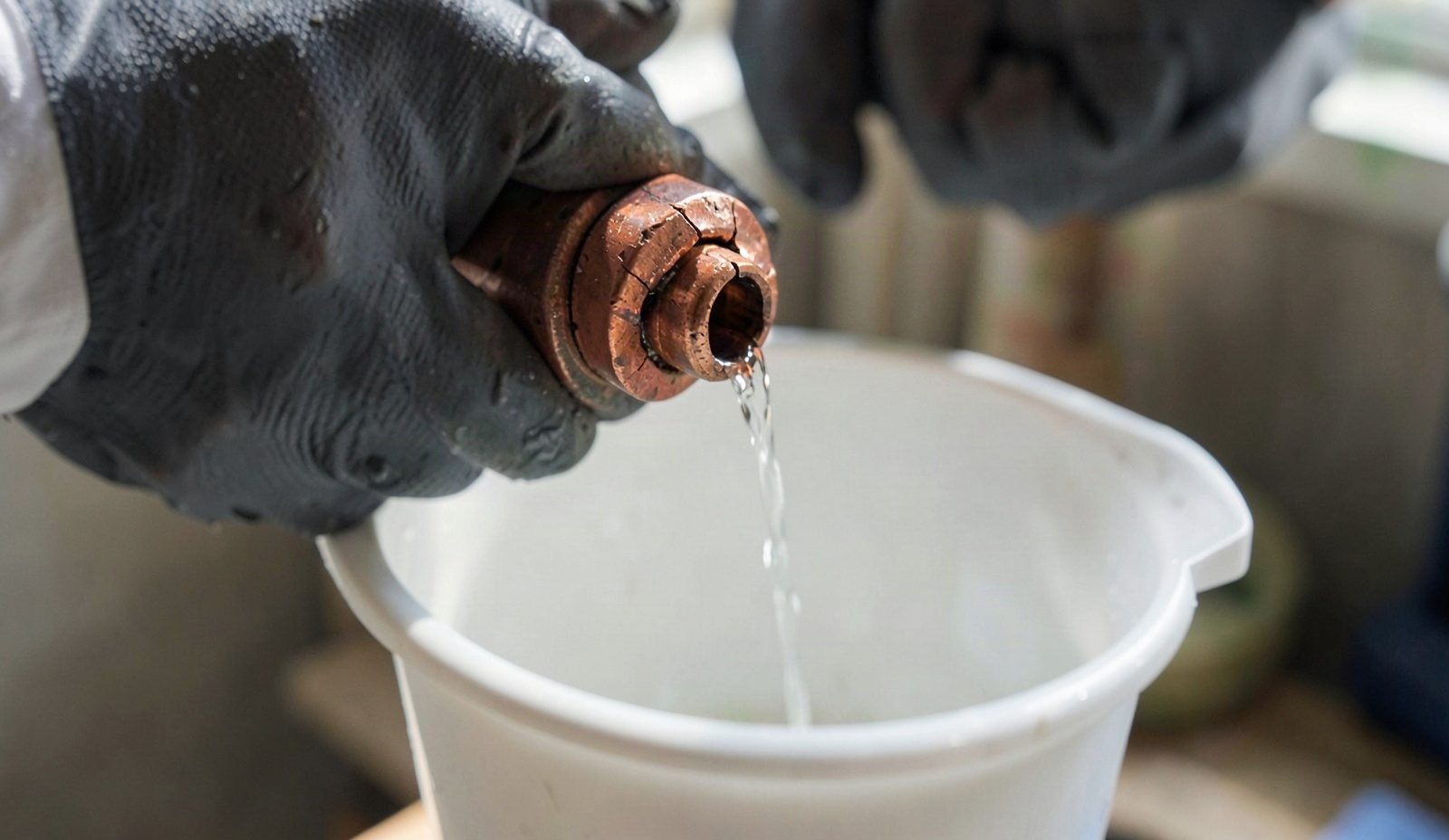
The first instrument out of the truck is a pressure gauge, not a wrench. A technician threads it onto an outdoor spigot and reads static water pressure before touching anything inside the house. Anything above 80 psi calls for a pressure-reducing valve under Section 604.8 of the International Plumbing Code, and that single reading often explains recurring pinhole leaks, banging pipes, and worn-out fixture cartridges that a homeowner had blamed on age. Most of the plumber cost per hour on a diagnostic visit goes into this kind of measurement, not material markup. A fifteen-minute pressure and flow check finds the actual cause before a single pipe gets cut open.
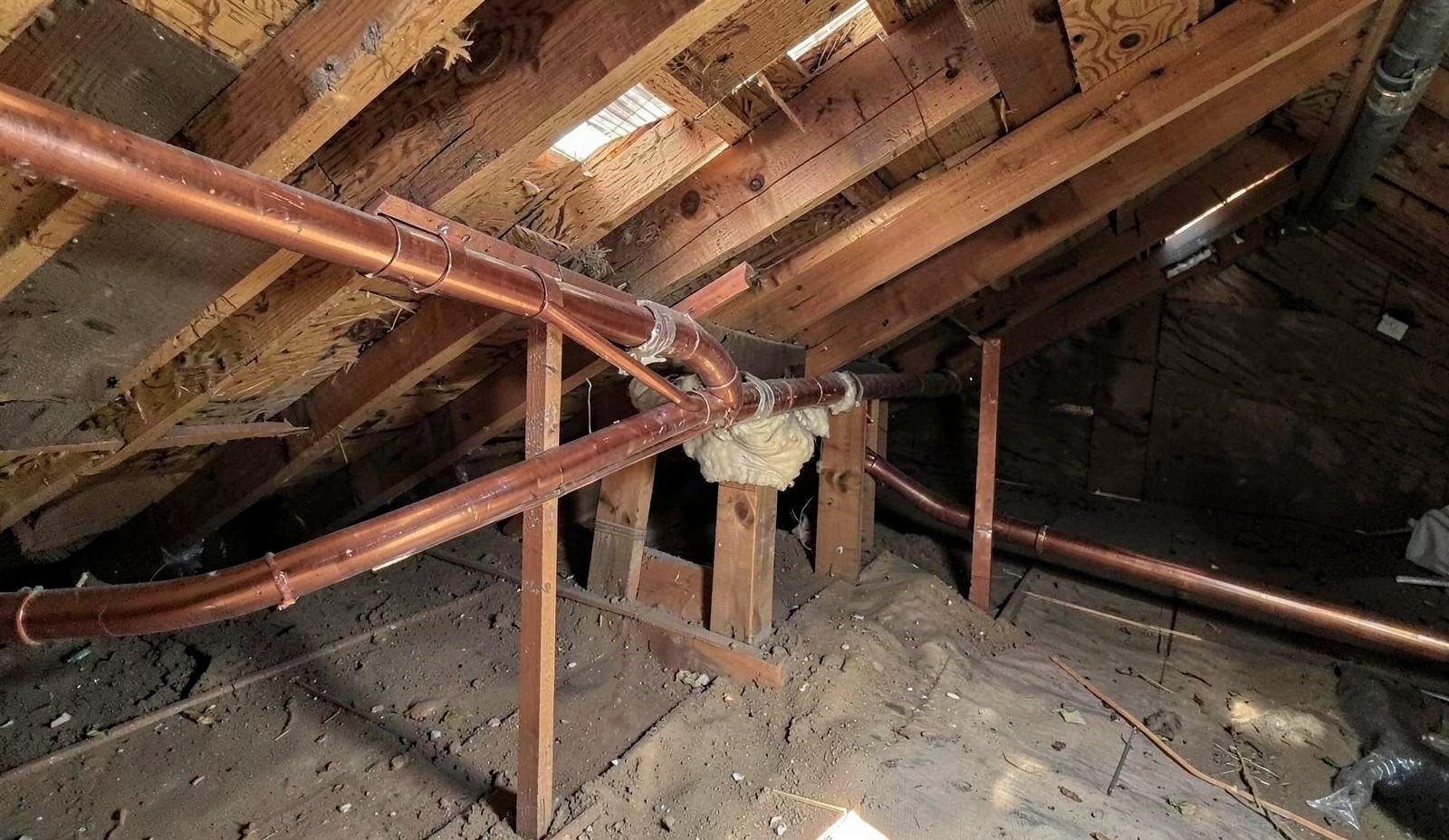
When a full repipe is on the table, the material choice changes both the labor bill and how the system behaves under this soil. Type L copper is rigid, code-accepted everywhere, and can run for fifty years or more, but every joint has to be sweated by hand and a shifting slab can eventually work a soldered joint loose. PEX-A, the system built by Uponor and similar manufacturers, expands slightly rather than splitting when water freezes inside it, and its expansion fittings go in faster than sweated copper, which is why it has become the default choice for attic and exterior wall runs after a hard freeze. CPVC costs less to install than either one but turns brittle with UV exposure and long-term exposure to chlorinated water, so it is a poor match for exterior runs.
On the drain side, a pushrod or borescope camera run through the nearest cleanout shows exactly where a cast iron line has scaled down or where a joint under the slab has separated, without opening the floor to find out. A moisture meter reads the actual water content in drywall and subfloor around a suspected leak; a reading that stays elevated well above the surrounding material after a day of drying points to an active leak rather than old residual dampness, and that reading decides whether the job is a spot repair or a section replacement.
See plumbing financing options for how the related work is scoped and priced.
Independent standards matter too, the EPA's WaterSense program sets the efficiency benchmarks we use when recommending replacement fixtures.
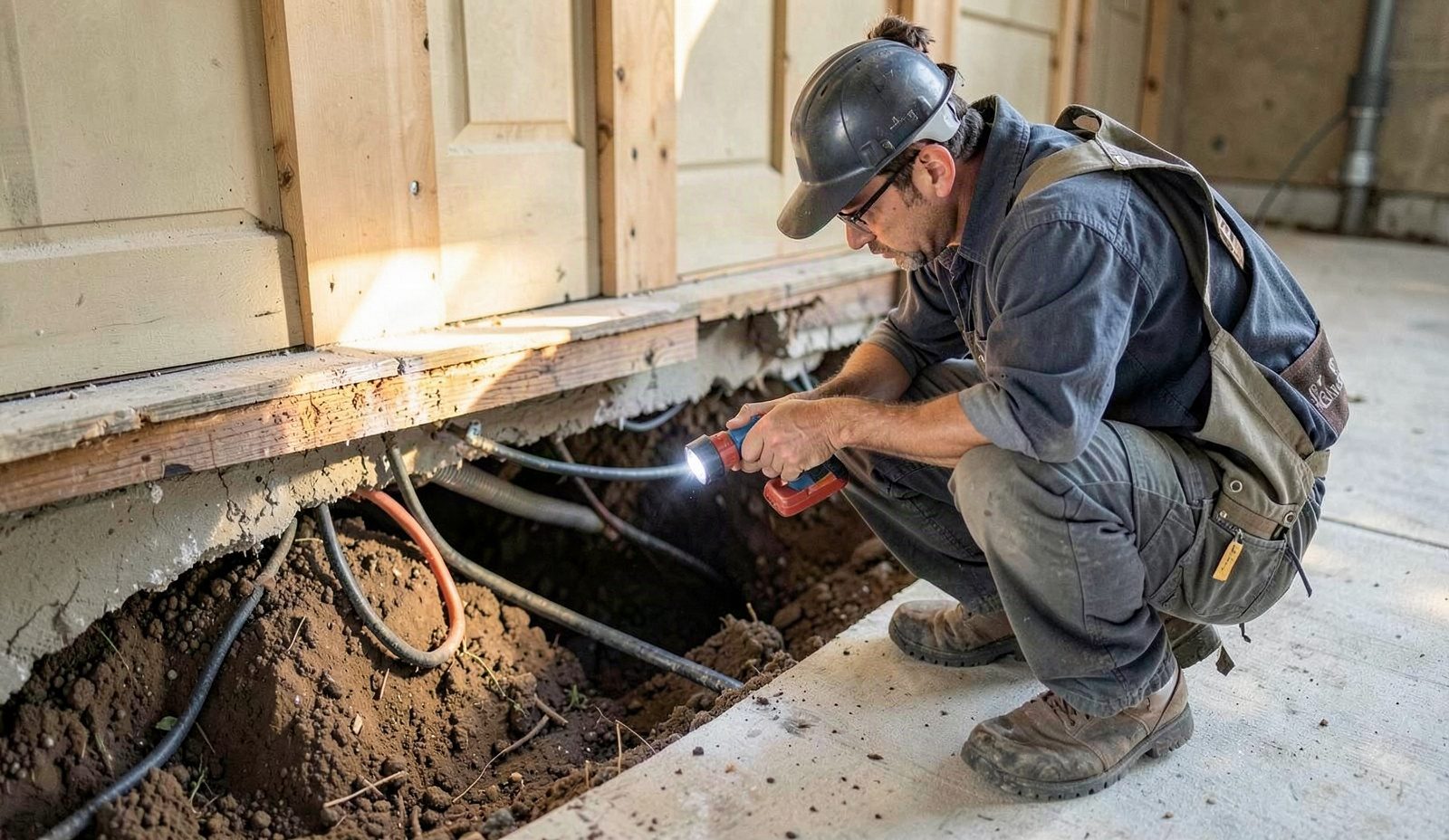
A call to (817) 710-3766 starts with a few questions about what you are seeing and hearing, which helps the technician arrive with the right tools already loaded. On site, the technician walks the affected area, checks visible fixtures and shutoff valves, looks at staining or moisture patterns, and runs basic drain flow checks. You see exactly what they are checking and why, and you get a plain explanation of what is likely happening before any tool touches a pipe.
Once the diagnosis points to a clear cause, you get a written quote covering the scope, the material, and the access method, and work does not start until you approve it. The technician protects flooring and nearby surfaces, isolates the water supply to the affected section so the rest of the house keeps running water, and proceeds with the approved repair, whether that means a section of PEX, a new valve, or a drain joint reseal. You are told before any decision point that changes the original scope.
Before the crew leaves, the repaired line gets pressure-tested and drains get run to confirm flow and check for seepage at every joint that was touched. The technician walks the repair with you, points out what was replaced and why, and answers questions about how the fixed section should behave going forward. Photos of the completed work get kept on file, which is useful documentation if a home sale or insurance question comes up later.
Fort Worth plumbing work falls under the City of Fort Worth plumbing code, built on the International Plumbing Code, and the City of Fort Worth Development Services Department is the authority that decides what needs a permit. Full replacements and structural repairs, like a sewer line reroute or a whole-house repipe, typically require one. A minor like-for-like repair, such as swapping a failed valve for an identical one, often does not. The department makes the final call either way, and a written permit record matters later if a buyer's inspector or an insurance adjuster asks for proof the work was done to code.
An out-of-area crew that has never pulled a permit in Tarrant County does not know that distinction, and the risk shows up two ways. First, a repair gets done without a permit that should have had one, which can surface as a problem during a home sale when a title company or appraiser asks for documentation that does not exist. Second, a crew unfamiliar with how clay soil moves local slabs sometimes reconnects a repair with the same rigid fittings that failed the first time, instead of the flexible connections a slab that shifts seasonally actually needs.
A crew that works Fort Worth every week already knows which supply houses stock the fittings a 1960s galvanized system needs, which cuts down the wait between diagnosis and repair. That local familiarity, more than any sales pitch, is what keeps a repair from turning into a second service call a season later.
More detail on plumbing inspection checklist is on its own page.
We install and service equipment from major manufacturers like Rheem to manufacturer specifications.
Booking starts with a call to (817) 710-3766, where a technician asks what you are seeing and gives a same-week or next-day window, not a vague afternoon. You get a call about thirty minutes before arrival, so you are not stuck waiting around the house all day. If a prior job runs long and the window slips, you get a call with a new time, not silence. Emergency situations like an active leak or a burst line move ahead of routine scheduling, since standing water inside a wall does more damage every hour it sits.
Floor runners go down from the door to the work area before any tools come out, and a drop cloth covers the immediate work zone, especially under a water heater or slab access point. Old fixtures, cut pipe, and packaging leave with the crew, not in your trash bin. If a repair requires cutting into drywall, the cut edge is kept clean and squared so a drywall patch goes back in easily. When the job wraps, the space gets a final wipe-down, and any dust from cutting cast iron or concrete gets vacuumed, not swept into a corner.
The scope of the job, access to the pipe, the material you choose, and the condition of the surrounding plumbing all factor into a plumbing repair estimate, and none of them are the same from one house to the next. A slab penetration behind a finished wall costs more labor than an exposed line in a crawlspace. A technician writes the scope and materials into a quote after the diagnostic step, walks through it with you, and nothing gets cut or replaced until you approve that written number. There is no per-minute clock running while you decide.
Every technician goes through a background check before ever entering a customer's home. Continuing education on the current adopted plumbing code cycle is part of the job, not an optional refresher, since code requirements around venting, backflow prevention, and pressure regulation get revised over time. New technicians work paired jobs under a senior plumber first, and field competence gets checked on real diagnostic calls before anyone is dispatched alone to handle a slab leak or a full fixture replacement.
Most plumbers charge either a flat rate for a defined job or an hourly rate plus a diagnostic visit fee. The right method depends on the job. A fixture swap with clear scope usually gets a flat number upfront, while an open-ended issue like a slow leak with an unknown source often starts as an hourly diagnostic call until the cause is confirmed. Shield Plumbing Fort Worth writes the scope into a quote before work starts either way, so you know the method being used on your job.
Hourly rates in Texas depend on the plumber's experience, the complexity of the job, and whether a diagnostic fee is included in that rate. Rates in the Fort Worth area also reflect drive time and after-hours availability, since a call taken outside normal business hours typically carries a different rate than a scheduled daytime visit. Ask for the rate structure over the phone before scheduling, and request a written breakdown once a technician has seen the job in person.
A fair hourly rate reflects the plumber's tools, drive time, and diagnostic equipment, not just labor minutes. A technician carrying a pressure gauge, a drain camera, and a stocked truck for common Fort Worth pipe materials like PEX and copper can often solve a problem in one visit rather than requiring a second trip for parts. That efficiency is part of what the rate should be paying for, not just time on site.
Estimates in Fort Worth follow an on-site diagnosis first, then a written number, not a phone quote sight unseen. A technician checks the fixture, the pipe material, and the access point, then writes a quote covering scope and materials before any repair begins. Homes with slab access or older galvanized supply lines often need a slightly longer diagnostic step, since the pipe material changes both the repair method and the parts required.
A straightforward fixture or valve repair usually takes a technician one visit lasting a couple of hours. A slab leak reroute or a section of drain replacement takes longer, sometimes a full day or more, since it involves cutting access, running new line, and pressure-testing the repair before closing everything back up. The exact time depends on access, pipe material, and whether parts are on the truck or need a supply house run.
Estimates come after a walkthrough identifies exactly which lines and valves need attention, never before. The technician documents every exposed run, checks pressure at an outdoor spigot, and gives you a written number covering insulation, valve work, and any regulator installation before touching a single pipe. You approve the estimate before work starts, and any new issue found once work is underway gets a separate approval rather than getting added silently.
The February 2021 freeze burst pipes across Tarrant County by the tens of thousands, and most of the failures were supply lines run through attics and exterior walls, the two places least protected from a hard freeze. That single event changed how plumbers here plan repairs in homes across Wedgwood and Ridglea Hills, where mid-century construction often routed supply lines through unconditioned attic space. A repair in those areas now factors in insulation and freeze-resistant fittings, not just replacing what failed. Older sections of the Near Southside carry the same exposure, since attic plumbing there predates any modern insulation standard. Planning a repair here means accounting for both the ground moving under the slab and the temperature swinging above it, sometimes forty degrees in a single day during a February cold front.
Homeowners across Wedgwood's brick ranch homes and Ridglea Hills' larger executive properties get the same written estimate process, scaled to their specific pipe material and access point rather than a flat number pulled from a national price list. That consistency is what builds trust over repeat calls in the same neighborhoods, since a technician who worked a slab leak on one block often already knows the plumbing era of the block next to it. Local reputation here gets built one documented repair at a time, not through a marketing claim, and that documentation is exactly what a homeowner needs on hand if a future buyer's inspector asks what work has been done to the system.
Explore our service area and locate Shield Plumbing Fort Worth with ease. We're proudly local and serve the surrounding neighborhoods with fast response and honest pricing. Use the map to check our coverage area, or call us and we'll confirm in seconds.
Address:
Shield Plumbing Fort Worth, 210 W 7th St, Fort Worth, TX 76102
5 Signs Your Ridglea Hills Home Has a Slab Leak, practical local guidance from Shield Plumbing Fort Worth, Fort Worth's trusted plumbing tea…
Read More
What Wedgwood Residents Should Know Before a Whole-Home Repipe, practical local guidance from Shield Plumbing Fort Worth, Fort Worth's trust…
Read More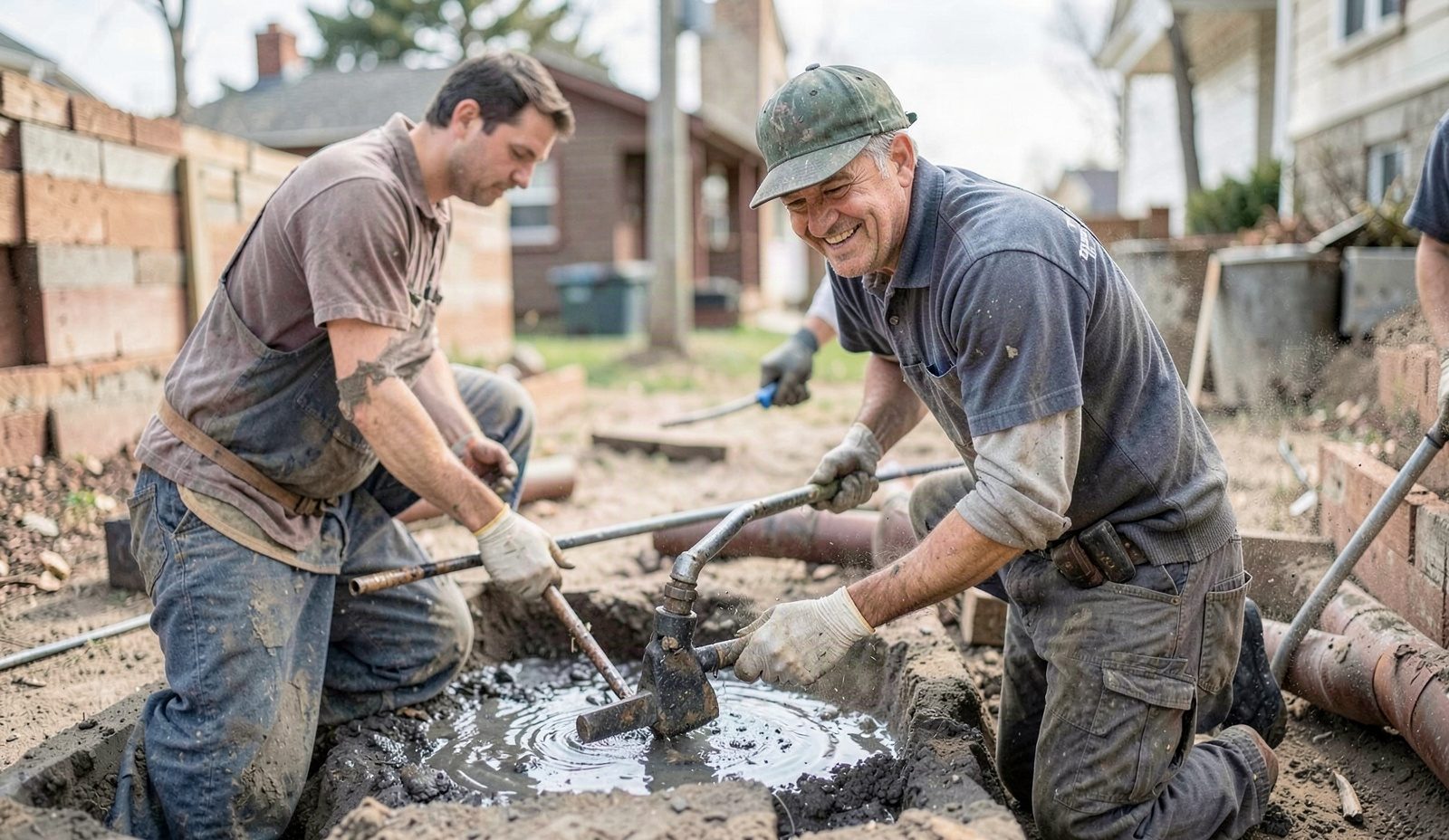
How Fort Worth's Hard Water Is Quietly Destroying Your Water Heater, practical local guidance from Shield Plumbing Fort Worth, Fort Worth's …
Read More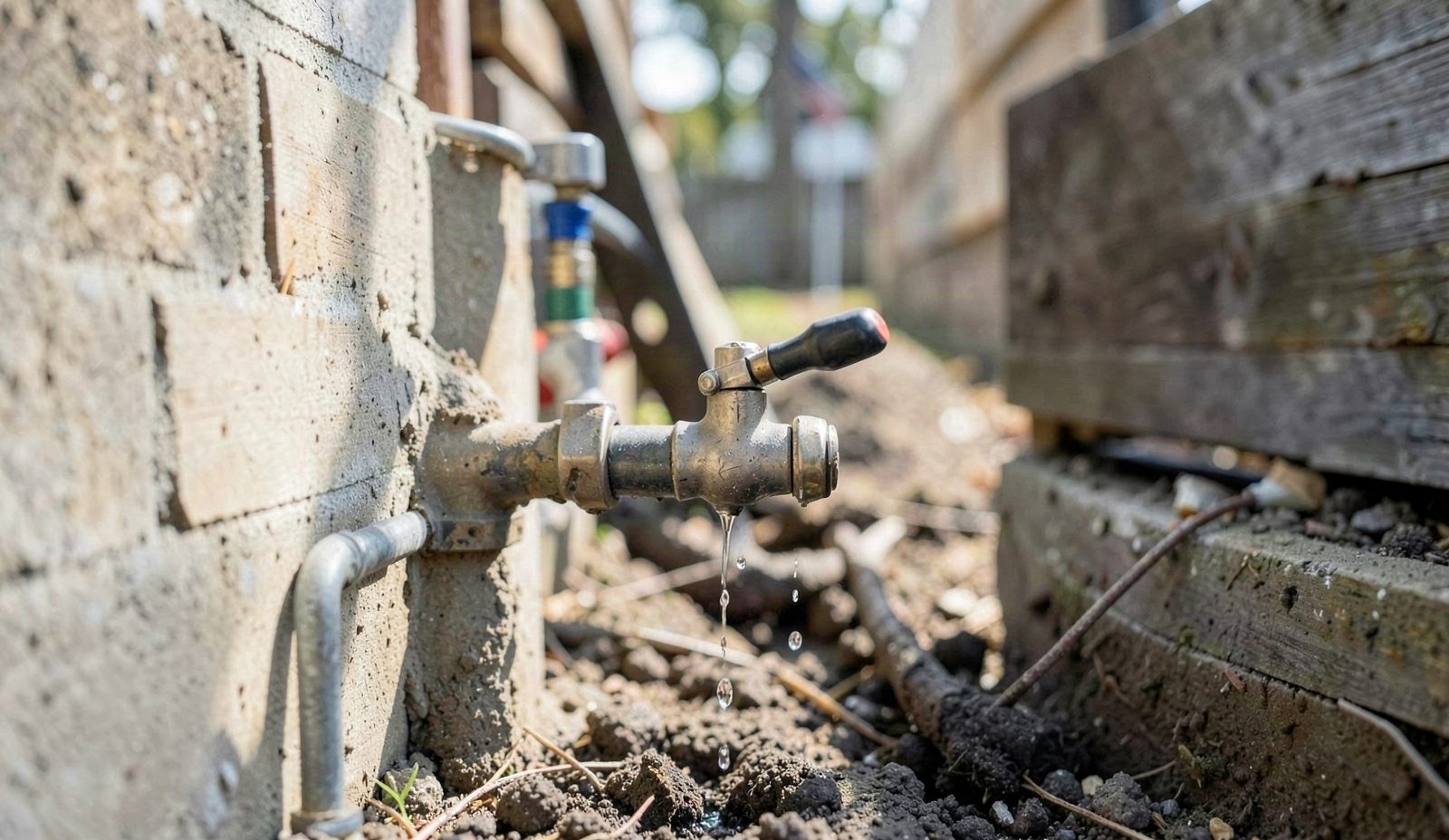
The Hidden Cost of Ignoring a Dripping Faucet in Fort Worth, practical local guidance from Shield Plumbing Fort Worth, Fort Worth's trusted …
Read More