
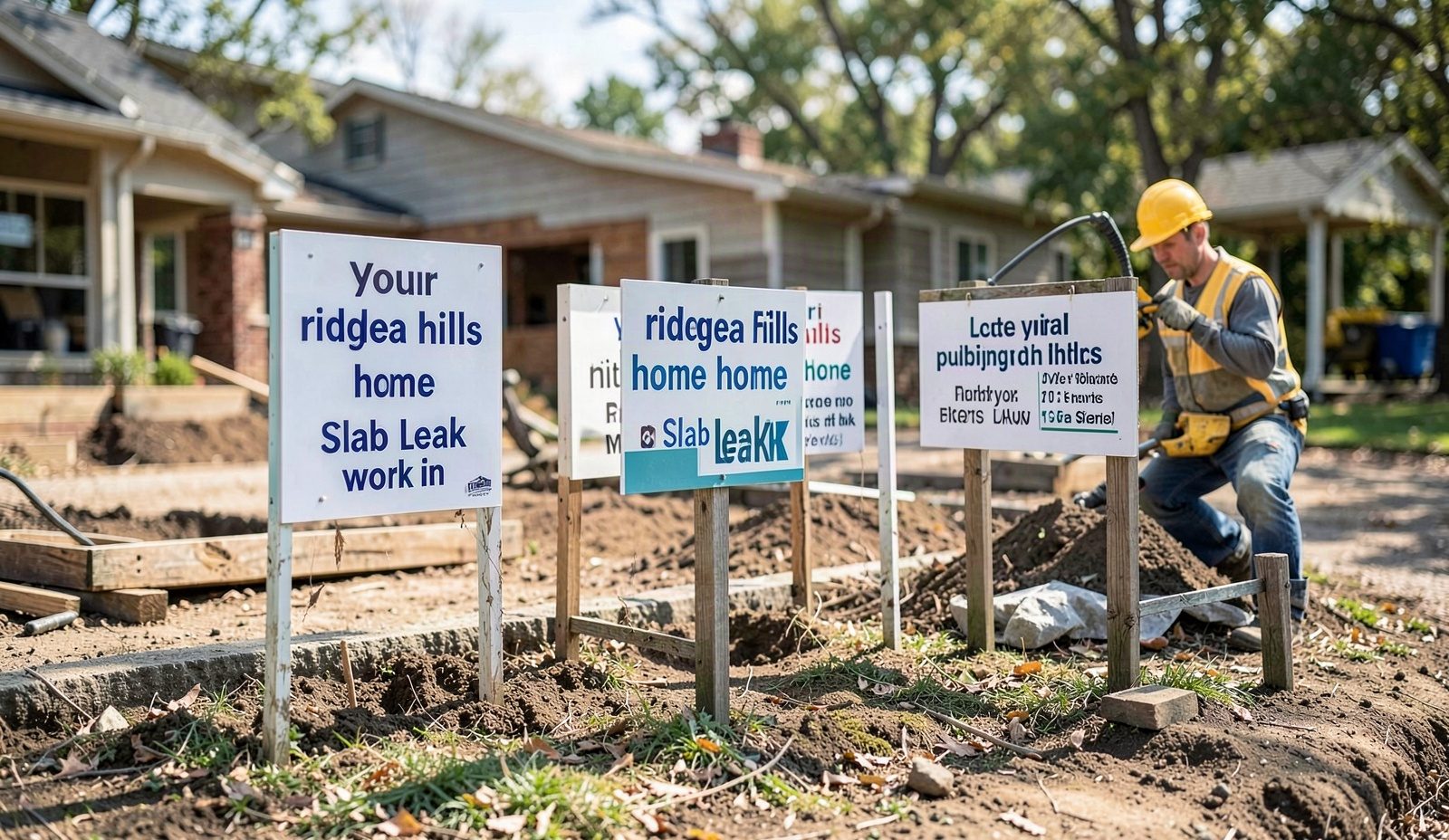
June 20, 2026
5 Signs Your Ridglea Hills Home Has a Slab Leak
5 Signs Your Ridglea Hills Home Has a Slab Leak, practical local guidance from Shield Plumbing Fort Worth, Fort Worth's trusted plumbing tea…
Read More




A slow kitchen sink that turns into standing water. A gurgle from the hall bathroom every time the washer drains. A sewage smell rising from a floor drain in the garage after a hard rain. These are the signals that send Fort Worth homeowners searching whether to hydro jet or snake a stubborn line, and by the time you notice the smell, the blockage has usually been building for weeks.
Two forces drive most of it. First, grease, soap scale, and paper build up on the inner wall of the pipe until the open channel narrows from a four-inch cast iron drain down to something closer to a garden hose. Second, and specific to this region, North Texas expansive clay swells with rain and shrinks in drought, moving the slab under your home enough to shear copper supply lines and separate drain joints beneath the foundation. A joint that opens a quarter inch lets roots and soil into the line, and every flush after that packs more material against the gap.
In pre-1970 pockets of the metro, including sections of Fairmount and Wedgwood, the drain lines themselves are the weak point. Cast iron corrodes from the inside, and decades of mineral scale leave a rough, narrowed bore that snags hair, wipes, and grease far faster than smooth PVC would. A camera run through one of these older lines often shows a pipe wall that looks more like a cave than a drain, with tuberculation hanging down from the crown.
Waiting rarely buys you anything but a bigger job. A partial clog becomes a full stoppage. A full stoppage backs up into the lowest fixture in the house, usually a tub or floor drain, and pushes wastewater back through joints already weakened by clay movement. What starts as a slow drain snake vs hydro jetting decision can turn into torn-up flooring and a excavation quote if the line collapses instead of just clogging.
More detail on benefits of water softeners is on its own page.
Independent standards matter too, the EPA's WaterSense program sets the efficiency benchmarks we use when recommending replacement fixtures.
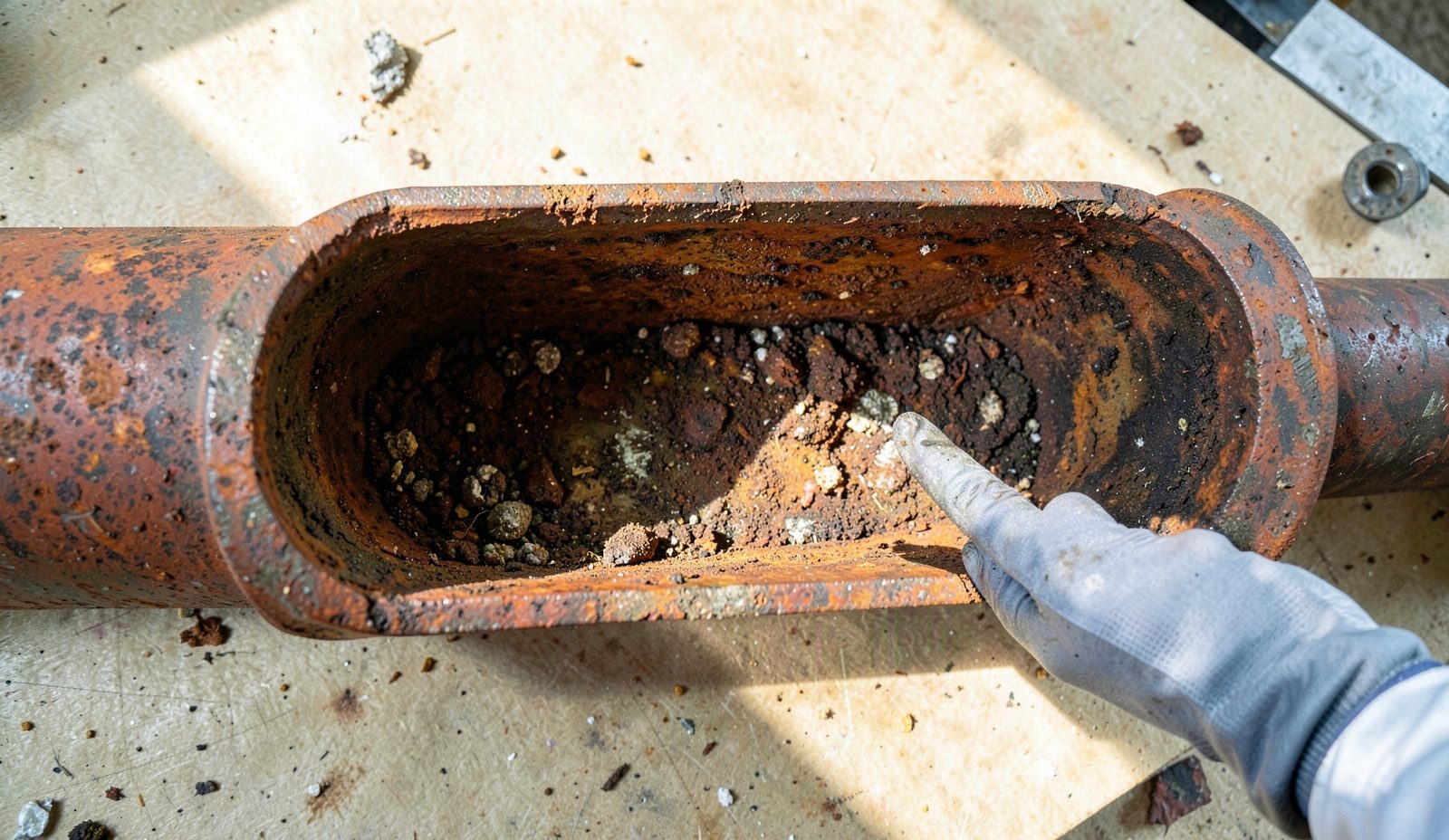
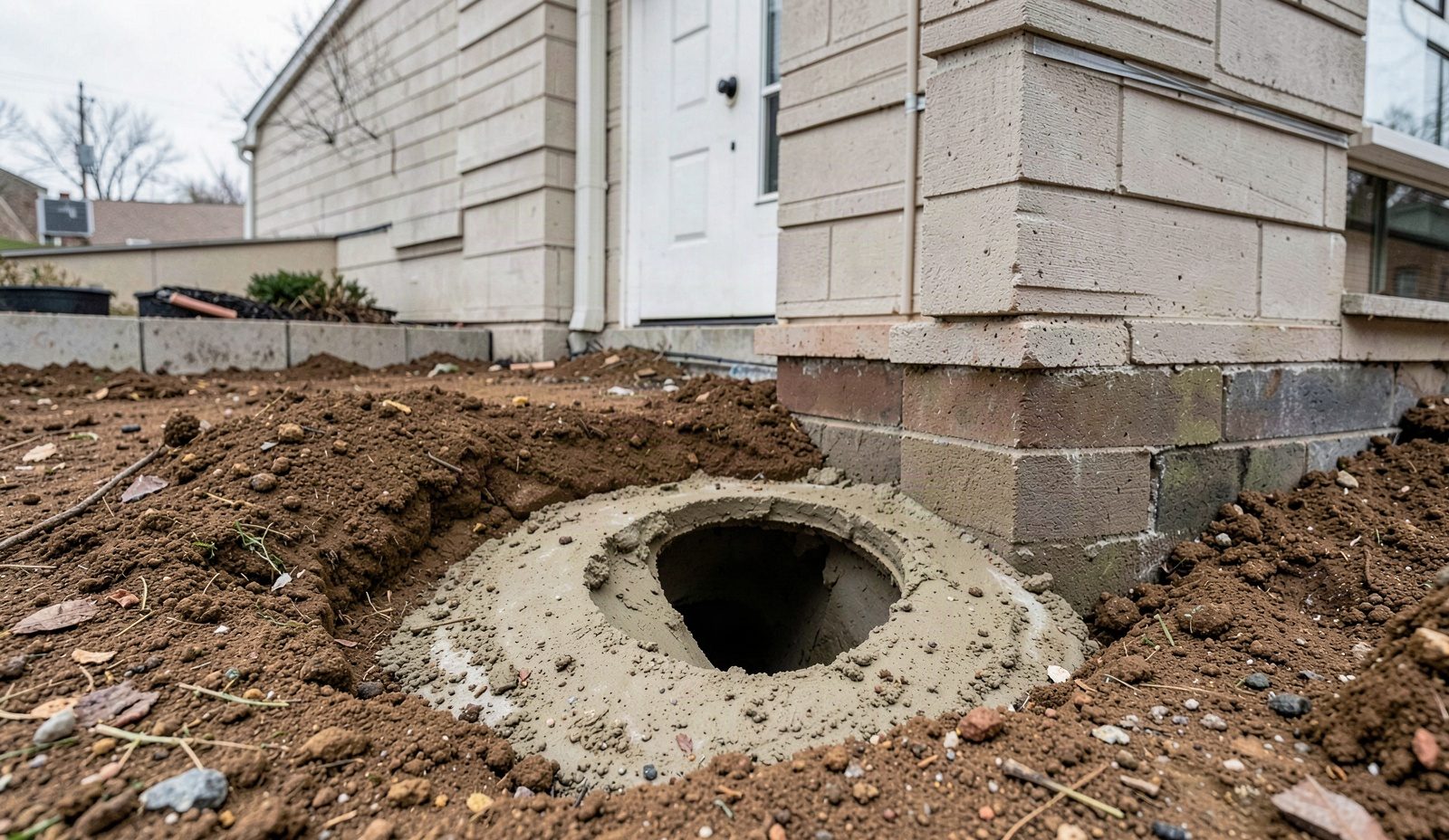
Every call starts with a camera, not a guess. We feed a push camera down the cleanout before touching a cable or a jetter, watching the monitor for pipe material, joint condition, and what's actually causing the stoppage: root mass, grease deposit, a bellied section holding standing water, or a straightforward paper clog. That footage decides which tool goes in the line, and it's the single biggest difference between a real diagnosis and someone running cable rodding vs jetting by habit.
The two methods aren't interchangeable, and the numbers explain why. A sectional cable machine like a Ridgid K-1500, spinning a cutting head through pipe up to 10 inches, punches a hole through roots and hard blockages fast, which makes it the right call for an emergency backup or a fragile cast iron line where high pressure could open an existing crack. A hydro jetter running a General Pipe Cleaners Warthog nozzle at roughly 4,000 PSI and 8 GPM does something a cable can't: it scours the full 360-degree wall of the pipe, stripping grease and scale back to bare pipe instead of drilling a channel through the middle of the clog. For a Fort Worth kitchen line coated in years of grease, jetting clears the whole diameter. For a root-packed lateral, snaking first, then jetting to clean what's left, is often the better sequence.
While the camera is down the line, we also check static water pressure at an outdoor spigot with a gauge. A reading above 80 psi tells us the home's pressure-reducing valve is failing or missing, which matters because Section 604.8 of the International Plumbing Code requires a PRV above that threshold, and excess pressure accelerates the same joint fatigue that's already stressing an older drain system. It's a five-minute check that flags a second problem before it becomes an emergency call of its own.
Our page on diy vs. professional drain cleaning covers that side of the work in more depth.
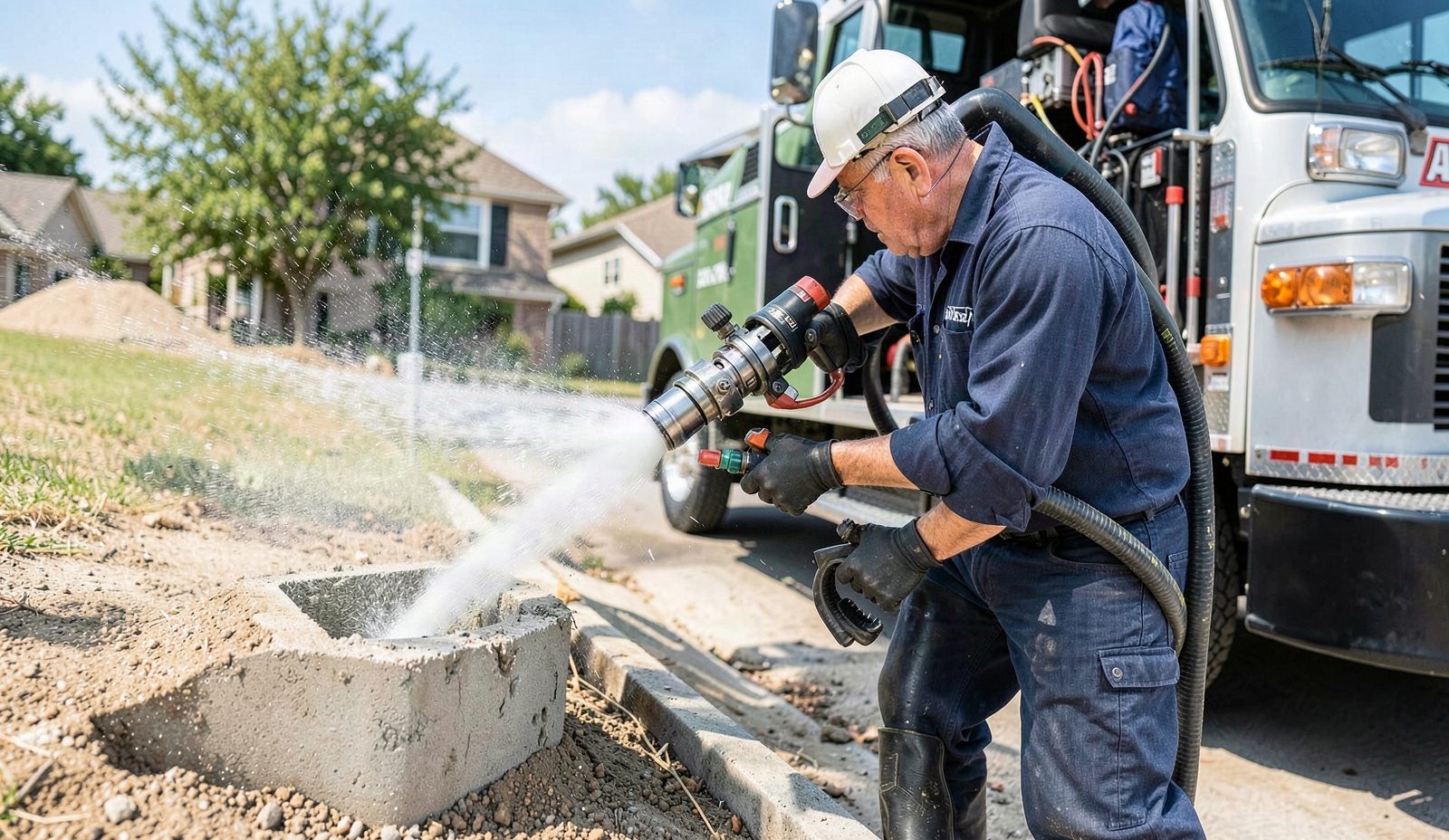
You describe the symptom on the phone, slow drain, gurgling, backup, and get an arrival window. On site, the technician asks when it started and what fixtures are affected, then runs a push camera through the nearest cleanout before touching any tool. You can watch the monitor while the camera moves through the line, seeing the pipe material, the blockage, and how far it sits from the access point. That footage is what the recommendation is based on, not a guess made from the symptom alone.
Once you approve the written quote, the technician protects the floor path from the entry to the cleanout and stages the machine, either a sectional cable, a jetter, or both in sequence based on what the camera showed. For jetting, the nozzle feeds downstream first, then pulls back to scour the pipe wall. For snaking, the cutting head advances until it breaks through the blockage. You're told before any change in scope, like a second access point needed for a bellied section.
After the line runs, the camera goes back down to confirm the pipe wall is clear and to check for any damage the blockage might have hidden, a hairline crack in old cast iron or a joint that needs attention next. The technician walks you through that footage, points out anything worth watching, and runs water through the fixtures to confirm normal drainage before packing up. You get a summary of what was found and cleared, useful documentation if the line needs attention again down the road.
Fort Worth operates under its own plumbing code, based on the International Plumbing Code, and that code governs cleanout placement, cast iron transition fittings, and how a repaired section of drain has to tie back into the existing line. A technician who doesn't work Tarrant County jobs regularly won't know that a lot of homes built before the 1970s still run galvanized steel supply lines alongside cast iron drains, both now well past their intended service life, and both prone to fittings that crumble the moment a cable machine puts real torque on them.
That familiarity changes decisions on site. Knowing which neighborhoods are more likely to have a bellied clay lateral, or where a slab foundation has shifted enough to shear a joint, means we plan the camera run and the tool choice before the truck is even unloaded rather than discovering it halfway through the job. An out-of-area operator working from a rental machine and no local reference points is more likely to jet a compromised cast iron joint at full pressure, or force a cable through a belly and mistake the resistance for a solid clog.
Full sewer line replacement and any structural repair typically require a permit through the governing local authority, while a minor like-for-like repair often does not, and the final call always belongs to that permitting office, not to the technician's opinion. Working this metro daily means knowing which jobs cross that line before we start, not after an inspector flags it.
Your local utility, Payment options, publishes service and water-quality information every Fort Worth homeowner should know.
You call (817) 710-3766 and get a specific arrival window for that day or the next, not a vague morning-to-evening span. The dispatcher asks a few questions about the symptom, whether water is backing up into a fixture, and how many stories the drain line runs through, so the technician arrives with the right camera and machine already loaded. If a prior job runs long, you get a call with an updated window before your slot passes, not a text after the fact. Same-day slots fill first around midweek, so calling as soon as you notice a slow drain gets you a tighter window.
Drain work brings up water, grease, and whatever the blockage was made of, so floor runners go down from the entry point to the cleanout before any tool comes out of the truck. Any wastewater pulled from a cleanout gets contained and removed on site rather than left to soak into a garage floor or flowerbed. Debris pulled from the line, roots, scale, wipes, gets bagged and hauled off. When the technician packs up, the work area looks the way it did before the truck arrived, with the only difference being a drain that runs clear.
The estimate reflects what the camera actually shows: how far the blockage sits from the cleanout, whether the line is cast iron, clay, or PVC, how many access points the job needs, and whether the sequence calls for snaking, jetting, or both. That gets written down and reviewed with you on site before any cable or jetter hose goes into the pipe. If the camera turns up something beyond the original scope, a belly in the line or a separated joint, that gets shown to you on the monitor and priced separately before work continues.
Every technician who runs a solo drain call has logged supervised hours on both cable machines and jetters first, reading pipe conditions on camera alongside a senior tech before doing it unsupervised. Techs go through a background check before they're dispatched to a home, and training gets refreshed as the locally adopted plumbing code updates, so the crew working your line knows the current cleanout and venting requirements, not the ones from a decade ago. Field competence gets checked through ride-along evaluations, not just a certificate on a wall.
Cost depends on line length, access points, and what the camera finds, not a flat rate for either method. A short snaking job to clear a single clog runs less than a full jetting service on a grease-coated main line, since jetting takes longer and often needs a second access point for a bellied section. Shield Plumbing Fort Worth writes the quote after the camera run, so you see the actual scope, cast iron versus PVC, blockage type, distance from cleanout, before approving anything. Call (817) 710-3766 for a technician to walk the line first.
Neither method is universally better, it depends on the blockage and the pipe's condition. Jetting scours the full pipe wall, which makes it the stronger choice for grease buildup or mineral scale coating an older line. Snaking punches through a specific obstruction fast, which makes it the safer first move on a root-packed or fragile cast iron line where full jetting pressure could open a hidden crack. Many Fort Worth jobs use snaking to break through, then jetting to clean what the cable left behind on the pipe wall.
Cost depends on the line's length, its material, and how many access points the job needs, without a set dollar figure that applies everywhere. A main line with a single cleanout and a straightforward grease clog costs less to jet than one needing a second cleanout dug for a bellied or root-invaded section. The camera inspection that precedes any jetting quote is what pins down those variables. Calling (817) 710-3766 gets you a technician on site to run that camera and price the actual scope.
Yes, full-pressure jetting can worsen damage in a pipe that's already cracked or severely corroded. Cast iron lines common in Fort Worth's older neighborhoods sometimes look intact from the outside but have thin, pitted walls on camera, and forcing 4,000 PSI through a weak spot can open it further instead of clearing it. That's why the camera inspection happens before the jetter, not after, and why pressure gets stepped up gradually rather than run at full force from the first pass on an unfamiliar line.
Most single-clog snaking jobs take under an hour once the camera confirms the blockage location. Jetting a full main line runs longer, often two to three hours, since the nozzle has to travel the full length and pull back slowly to scour the pipe wall rather than just punch through. A line needing both methods in sequence, plus a follow-up camera check, can stretch a visit to half a day, which the technician tells you once the initial camera run is done.
Snaking a simple single-fixture clog with a rented drum auger is doable for a shallow, accessible line. Hydro jetting is a different risk profile entirely, a rented jetter running at several thousand PSI can strip pipe joints, blow water back through a cleanout, or drive debris into a section you can't see without a camera. Without knowing the pipe material or where a prior joint has already separated from clay soil movement, a DIY attempt on either method can turn a clog into a bigger repair.
Coverage depends on your policy's specific language, and most standard homeowners policies exclude routine drain clearing as maintenance. A policy is more likely to cover damage from a sudden pipe burst or backup than the clog-clearing service itself. If a backup caused water damage to flooring or drywall, that portion may fall under your dwelling coverage even if the drain cleaning charge doesn't. Checking your policy's exclusions for sewer backup or drain maintenance before the visit clarifies what's covered.
Pre-1970 neighborhoods across the metro, including parts of Ridglea Hills and the Near Southside, were plumbed with galvanized steel supply lines and cast iron drains, and both are now at or past the end of their service life. Cast iron that's corroding from the inside doesn't respond to hydro jetting and cable rodding the same way newer PVC does. A full-pressure jetter run through a thin, pitted cast iron wall can find a weak spot the camera missed, while a cable head can snag on scale ridges and stall short of the actual clog. Jobs in these older sections almost always start with a longer camera run and a lower initial jetting pressure, stepped up only after the pipe wall shows it can take it, which takes more time on site than a newer PVC lateral in a subdivision built in the last two decades.
Permits matter more here than most homeowners expect. A full sewer line replacement or any structural repair to a collapsed or severely bellied section requires a permit through the City of Fort Worth Development Services Department, while a straightforward like-for-like repair on an existing line often doesn't need one, and that determination is theirs to make, not ours. Knowing which jobs cross that threshold before the first tool goes into the pipe keeps a straightforward drain call from turning into a compliance problem later, and it's part of why homeowners across the metro call a crew that works this city's lines every week instead of an operator passing through.
Explore our service area and locate Shield Plumbing Fort Worth with ease. We're proudly local and serve the surrounding neighborhoods with fast response and honest pricing. Use the map to check our coverage area, or call us and we'll confirm in seconds.
Address:
Shield Plumbing Fort Worth, 210 W 7th St, Fort Worth, TX 76102
5 Signs Your Ridglea Hills Home Has a Slab Leak, practical local guidance from Shield Plumbing Fort Worth, Fort Worth's trusted plumbing tea…
Read More
What Wedgwood Residents Should Know Before a Whole-Home Repipe, practical local guidance from Shield Plumbing Fort Worth, Fort Worth's trust…
Read More
How Fort Worth's Hard Water Is Quietly Destroying Your Water Heater, practical local guidance from Shield Plumbing Fort Worth, Fort Worth's …
Read More
The Hidden Cost of Ignoring a Dripping Faucet in Fort Worth, practical local guidance from Shield Plumbing Fort Worth, Fort Worth's trusted …
Read More