

June 20, 2026
5 Signs Your Ridglea Hills Home Has a Slab Leak
5 Signs Your Ridglea Hills Home Has a Slab Leak, practical local guidance from Shield Plumbing Fort Worth, Fort Worth's trusted plumbing tea…
Read More




A kitchen sink that drains in 20 seconds instead of five, a gurgle from the tub when the washing machine empties, a sulfur smell rising from the floor drain in the garage. These are not small nuisances. They are early signals that something downstream of the fixture has narrowed, cracked, or shifted, and in a Fairmount bungalow with original cast iron under the slab, the clock on that problem is already running.
North Texas expansive clay swells with rain and shrinks in drought, and that constant movement flexes the slab underneath homes across Arlington Heights and the Near Southside enough to shear copper supply lines and pull drain joints apart a few degrees at a time. A joint that separates a quarter inch below the slab does not leak water into the yard. It leaks sewage into the soil, and the smell works its way back up through the trap. Add in Fort Worth's moderately hard water, which leaves the same mineral scale inside drain lines that shortens water heater life across the metro, and a 4 inch cast iron drain can lose real interior diameter to buildup over a couple of decades.
This is where the question should I snake my own drain gets people into trouble. A hand auger from a hardware store reaches maybe 25 feet and has a small enough head to punch a hole through a grease clog without clearing it, which makes the sink drain fast again for a week and then back up worse. Chemical drain cleaner risks compound the problem: sodium hydroxide and sulfuric acid formulas generate heat that can soften old PVC couplings and accelerate pitting in cast iron, and they do nothing for a clog caused by a root or a bellied pipe. Home drain cleaning tips that work on a simple hair clog in a bathroom sink do not touch a structural problem three joints down.
Waiting rarely holds a line steady. A partial clog becomes a full stoppage. A full stoppage backs up into the lowest fixture in the house, usually a floor drain or a first-floor shower. Left longer, a hairline root intrusion widens every growing season until the pipe cracks and the yard above it starts to sink. Knowing when to call a plumber for clog symptoms, before the second or third backup, is the difference between a cleared line and an excavation.
If this sounds close but not quite your situation, safe drain cleaning products may be the better starting point.
We install and service equipment from major manufacturers like Rheem to manufacturer specifications.
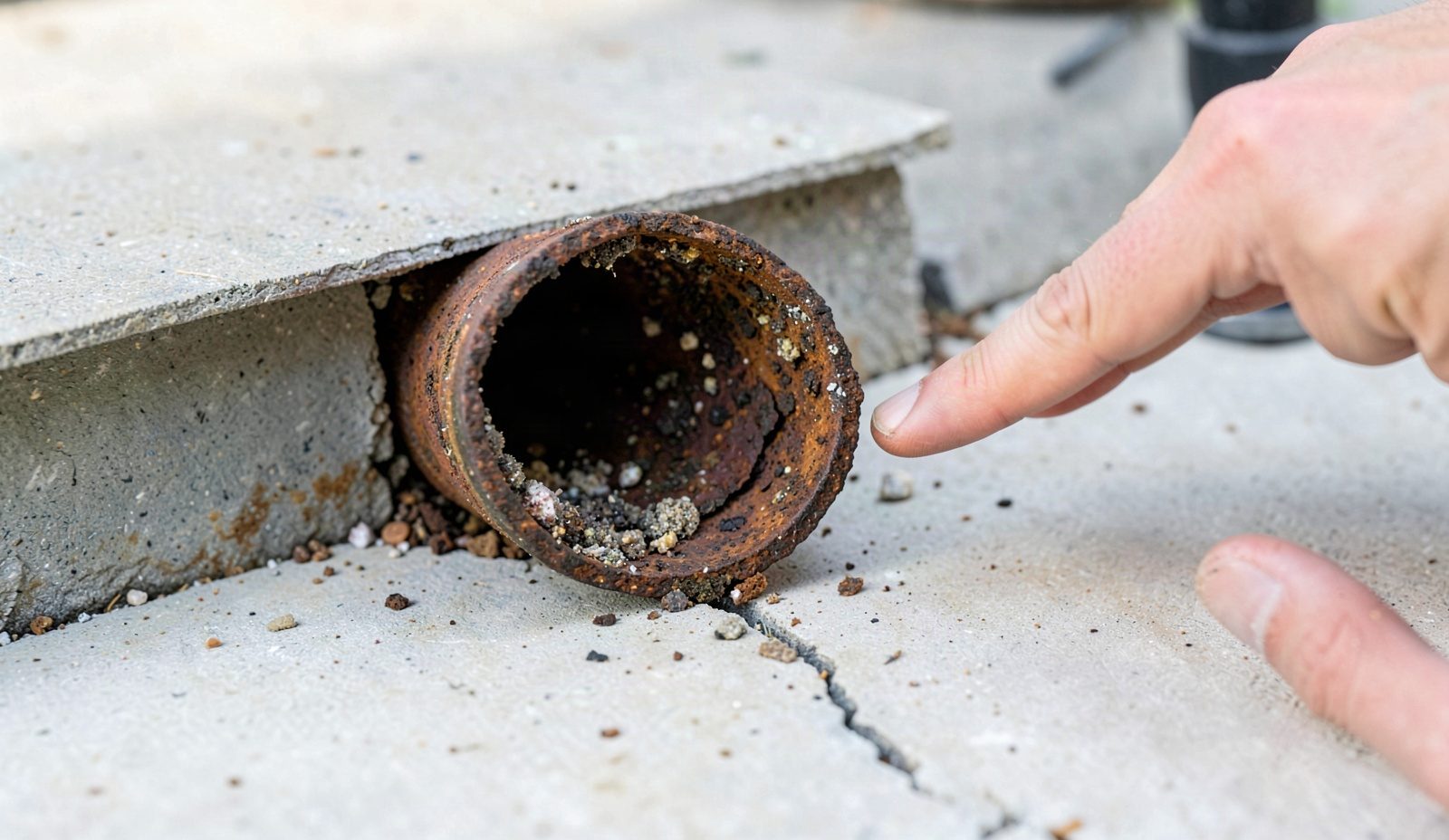
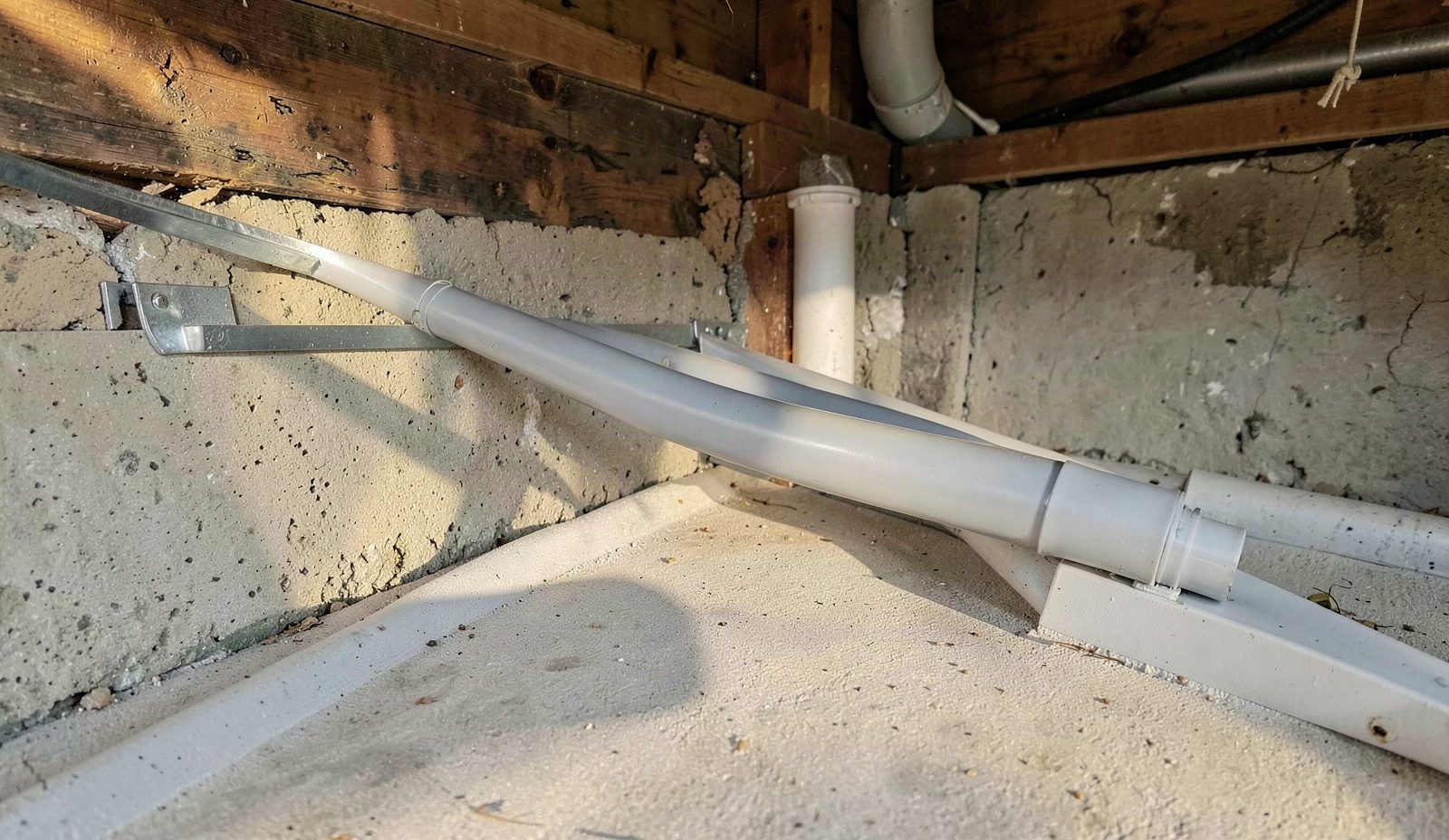
Every call starts with a camera, not a machine. A self-leveling sewer camera goes down the line first so the technician sees the actual obstruction: grease coating the pipe wall, a root mass at a joint, a belly holding standing water, or a fracture in cast iron. That footage decides the tool, not the other way around. Running a cutting head blind into a cracked clay lateral turns a repair into an emergency.
The equipment choice comes down to real numbers. A cable machine like a RIDGID K-750 drum unit runs a 5/8 inch cable and clears hair, grease film, and simple blockages by cutting a path through the material. A hydro-jetter, by comparison, pushes water through a 1/8 inch orifice nozzle at pressures up to 4,000 psi, which scours the full interior wall of the pipe instead of punching a channel through the middle. The professional drain cleaning benefits show up here: if the camera shows buildup coating more than roughly a third of the pipe's interior diameter, jetting gets called instead of cabling, because a cable clears a hole and a jet clears the pipe.
The other check happens outside, at an exterior spigot, with a pressure gauge threaded onto the bib. Static water pressure above 80 psi stresses every joint in the system, drain and supply alike, and Section 604.8 of the International Plumbing Code requires a pressure-reducing valve once that threshold is crossed. A drain that keeps backing up after a clean cabling sometimes traces back to a supply-side pressure problem stressing the whole system, not the drain itself, and that gauge reading rules it in or out in under a minute.
See storm drain cleaning & repair for how the related work is scoped and priced.
Independent standards matter too, the EPA's WaterSense program sets the efficiency benchmarks we use when recommending replacement fixtures.

You describe the symptom on the phone at (817) 710-3766: which fixtures back up, how fast, and whether you smell sewage. The technician arrives in the confirmed window and runs a sewer camera down the affected line before touching anything else. You see the same footage on a monitor: the material, the obstruction, and roughly how far down it sits. That footage, not a guess, decides whether the job calls for cabling, jetting, or a closer look at the pipe itself.
Once you approve the written quote, floor protection goes down and the cleanout gets opened. A cable machine or hydro-jetter runs based on what the camera showed, sized to the pipe diameter and material. The technician monitors resistance and flow the entire time, because a cable that stops cutting mid-line or water backing up faster than it clears signals a second problem, like a belly or a break, that changes the plan before work continues.
After clearing, the camera goes back down the line to confirm the obstruction is gone and to check the pipe wall for damage the initial pass might have missed. Fixtures upstream get run for several minutes to confirm normal drain speed under real use, not just a clear cable pull. The technician walks you through what the second camera pass showed, leaves you with a summary of what was found and cleared, and answers any questions about the pipe's condition going forward.
The City of Fort Worth plumbing code, adopted from the International Plumbing Code, governs cleanout spacing, trap arm length, and vent sizing on every drain repair in the city, and an operator who works out of a different county does not carry that code in their head. That gap shows up on the job as a cleanout installed at the wrong slope, or a trap arm run too long for its vent, both of which pass a quick look and fail an inspection.
The February 2021 freeze burst pipes across Tarrant County by the tens of thousands, and most of the damage traced back to supply lines run through attics and exterior walls, not the drains under the slab. A crew that worked through that event knows which houses in the metro still carry that hidden damage on the supply side, and checks for it while diagnosing a drain problem, because the two systems share a foundation that moved the same amount.
Pre-1970 homes across Fort Worth were plumbed with galvanized steel supply lines and cast iron drains, and both are now at or past their rated service life. A drain snake pushed hard through fifty-year-old cast iron with unknown wall thickness can punch through a wall that has already lost half its material to rust. Knowing the housing stock changes how much force gets used and when a camera inspection happens before any cable goes in at all, rather than after something breaks.
Permit and inspection questions? Development Services is the office we coordinate with on every permitted Fort Worth job.
Calls booked before early afternoon typically get same-day service, with a two-hour arrival window confirmed by phone before the technician leaves for your address. If a prior job runs long, dispatch calls you directly with an updated time rather than leaving you checking the clock. Drain backups that involve sewage in a living space get moved ahead of routine slow-drain calls. You get a name and an estimated arrival time when you book, and a text or call if that window shifts by more than fifteen minutes in either direction.
Drain work brings up standing water, grease, and sometimes sewage, so the technician lays down floor runners from the entry point to the work area before opening a cleanout. Any debris pulled from the line goes straight into a sealed container, not a bucket left on your bathroom tile. Tools and cable come in on a drop cloth. Before the technician leaves, the work area gets wiped down and the runners come up, so the only sign a drain was serviced is that it drains normally again.
Clog location drives most of the cost: a bathroom sink trap is a different job than a main line 40 feet from the cleanout. Pipe material matters too, since cast iron takes more time and a lighter touch than PVC. Whether the job needs cable clearing alone or a full camera inspection and hydro-jetting changes the labor and equipment involved. The technician gives you a written number after the camera inspection, before any cutting or jetting starts, and nothing proceeds past that point without your approval.
Every technician who services a drain call passes a background check before ever driving to a customer's home. New hires shadow an experienced tech on camera inspections, cable work, and hydro-jetting jobs across a range of pipe materials and ages before they take a call solo. Ongoing training tracks the current plumbing code cycle adopted locally, so a technician working a 1960s cast iron line and one working new PVC construction both know the code requirements that apply to each.
Professional drain cleaning is worth it once a clog returns within a few weeks or a store-bought auger cannot reach it. A hand snake typically maxes out around 25 feet, while a technician's camera-guided cable and jetting equipment reach the main line and show exactly what is causing the backup. For a recurring clog or one affecting more than one fixture in a Fort Worth home, that camera footage usually saves a second or third callback for the same problem.
Cost depends on the clog's location, the pipe material, and whether the job needs a camera inspection or hydro-jetting equipment instead of a simple cable run. A bathroom sink trap costs far less time and equipment than a main line clog 40 feet from the cleanout. Shield Plumbing Fort Worth provides a written number after the camera inspection and before any cutting or jetting begins, so you approve the scope before work starts.
Plumbers avoid chemical drain cleaner because it generates heat that can soften PVC joints and accelerate pitting in older cast iron pipe common across Fort Worth. The caustic formula also does nothing for a root intrusion, a bellied pipe, or a broken joint, the three most common causes of a repeat clog. It sits against whatever it does not dissolve, and a technician opening that line later handles standing caustic chemical along with the original clog.
Salt does not clear a real clog, and pouring it nightly is a myth that mostly controls minor odor, not blockage. Table salt combined with hot water can loosen light grease film in a P-trap, but it has no effect on a root mass, a scale-narrowed cast iron line, or a broken joint under the slab. If a drain needs nightly attention to keep flowing, that is a signal to call a professional, not a reason to keep pouring salt.
Estimates start with a camera inspection that shows the actual obstruction before any price gets set. The technician explains what the footage shows, whether the job needs cabling or jetting, and provides a written number for you to approve before work begins. There is no charge decided sight unseen, because the pipe material and clog location shown on camera are what actually set the scope.
DIY works for a single slow fixture with a plunger or a manual auger under 25 feet reaching a simple hair or soap clog. It stops working once a clog returns within weeks, affects more than one fixture, or sits in a Fort Worth home with original cast iron drain lines where a wrong tool can punch through corroded pipe. At that point a camera-guided professional visit replaces guesswork with an actual view of the line.
Homes in the Wedgwood and Ridglea Hills areas span a wide range of construction eras, and that range matters more for drain work than most homeowners expect. Pre-1970 neighborhoods across the metro were plumbed with galvanized steel supply lines and cast iron drains, both now at or past the end of their service life, which means a cable that clears a clog easily in a 1990s PVC line can meet a corroded, thin-walled cast iron line a few blocks away in the Cultural District. Job planning has to account for that variation before the truck is even loaded, because the right tool for one address on a street is sometimes the wrong tool three doors down.
Full drain replacements and structural line repairs typically require a permit from the City of Fort Worth Development Services Department, while a straightforward clog clearing or a like-for-like trap swap usually does not, though the final call always belongs to that office. A crew unfamiliar with Fort Worth's permitting thresholds either skips a permit that was required or pulls one that was not needed, and both mistakes cost the homeowner time later, whether at resale or at the next inspection. Working this metro regularly means knowing which drain jobs cross that line before the work starts, not after.
Explore our service area and locate Shield Plumbing Fort Worth with ease. We're proudly local and serve the surrounding neighborhoods with fast response and honest pricing. Use the map to check our coverage area, or call us and we'll confirm in seconds.
Address:
Shield Plumbing Fort Worth, 210 W 7th St, Fort Worth, TX 76102
5 Signs Your Ridglea Hills Home Has a Slab Leak, practical local guidance from Shield Plumbing Fort Worth, Fort Worth's trusted plumbing tea…
Read More
What Wedgwood Residents Should Know Before a Whole-Home Repipe, practical local guidance from Shield Plumbing Fort Worth, Fort Worth's trust…
Read More
How Fort Worth's Hard Water Is Quietly Destroying Your Water Heater, practical local guidance from Shield Plumbing Fort Worth, Fort Worth's …
Read More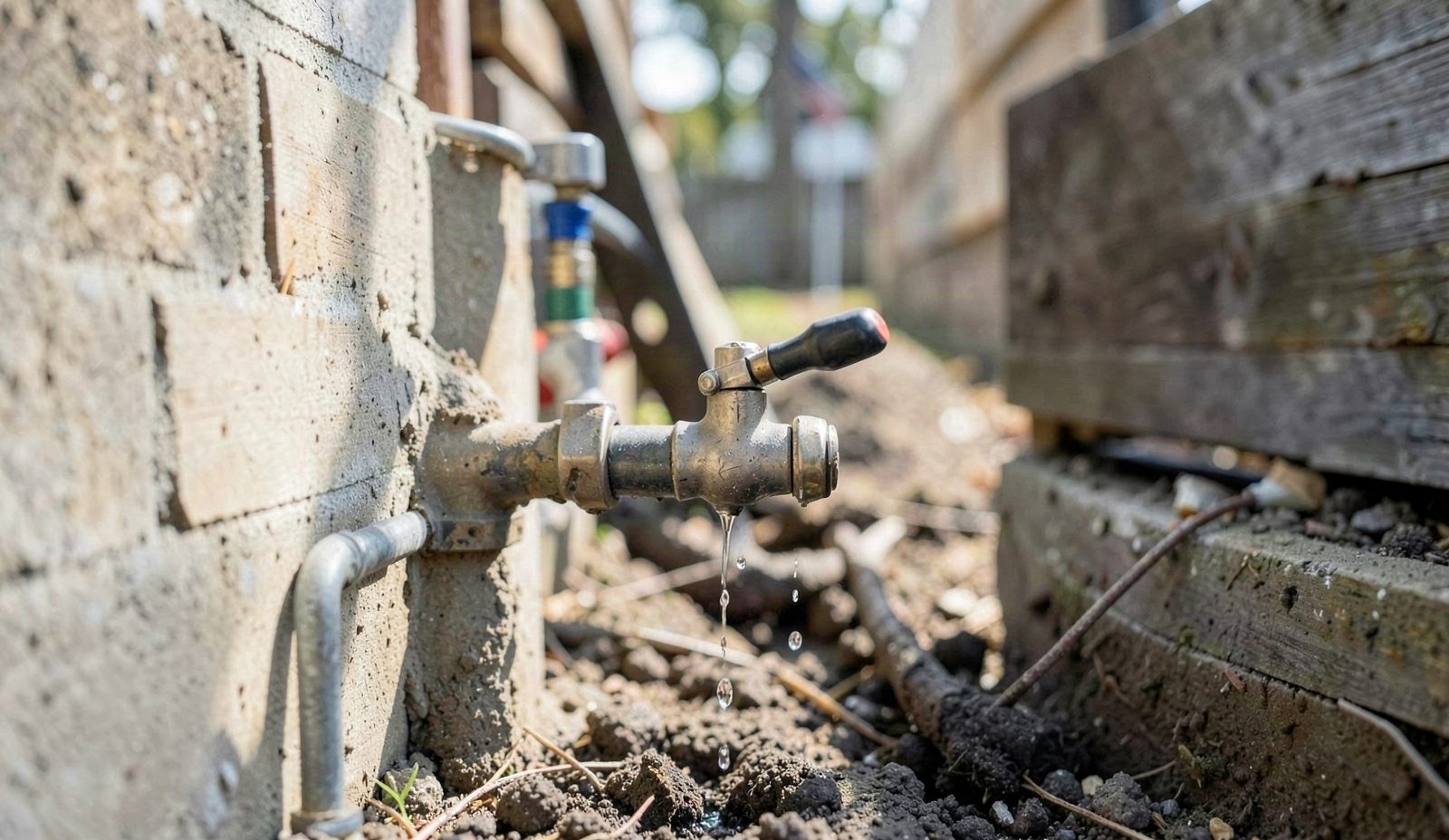
The Hidden Cost of Ignoring a Dripping Faucet in Fort Worth, practical local guidance from Shield Plumbing Fort Worth, Fort Worth's trusted …
Read More