
June 20, 2026
5 Signs Your Ridglea Hills Home Has a Slab Leak
5 Signs Your Ridglea Hills Home Has a Slab Leak, practical local guidance from Shield Plumbing Fort Worth, Fort Worth's trusted plumbing tea…
Read More




Water backs up in the kitchen sink after every load of dishes. The bathtub drains slower each week until it barely moves. A sour, sulfur-like smell rises out of the tub drain or the laundry standpipe, especially after a hot shower loosens grease clinging to the pipe wall. These aren't one-time nuisances. They're the pipe telling you its inside diameter has narrowed, and the narrower it gets, the less it takes to stop flow altogether.
Homes in Fairmount and Arlington Heights built before the mid-century boom often still run on the original cast iron drain lines. Cast iron corrodes from the inside, and the rough scale that forms catches hair, grease, and soap film the way a burr on a screw catches thread. Pour a caustic drain opener down one of these lines and the sodium hydroxide reacts with the same buildup already restricting flow, generating enough heat to soften nearby fittings and turning a partial clog into a fused mass inside the pipe rather than clearing it.
Below the slab, North Texas expansive clay swells with rain and shrinks in drought, moving the foundation enough to shear copper supply lines and separate drain joints under the house. A hairline gap at a hub joint doesn't show up as a leak right away. It shows up as a slow drain that no amount of enzyme drain cleaner or natural drain cleaning routine will fix, because the problem isn't buildup, it's a broken joint letting waste seep into the soil instead of flowing to the main.
Ignore the slow drain and the next stage is a full stoppage, usually at the worst possible time, a holiday dinner or a house full of guests. Keep dosing it with a caustic drain opener that isn't a drain cleaner safe for pipes, and thin spots in aging cast iron or galvanized lines turn into pinhole leaks that show up as a wet ceiling below the bathroom or a damp spot in the yard. What starts as a five-minute clog becomes a section of pipe that has to come out entirely.
If this sounds close but not quite your situation, storm drain cleaning & repair may be the better starting point.
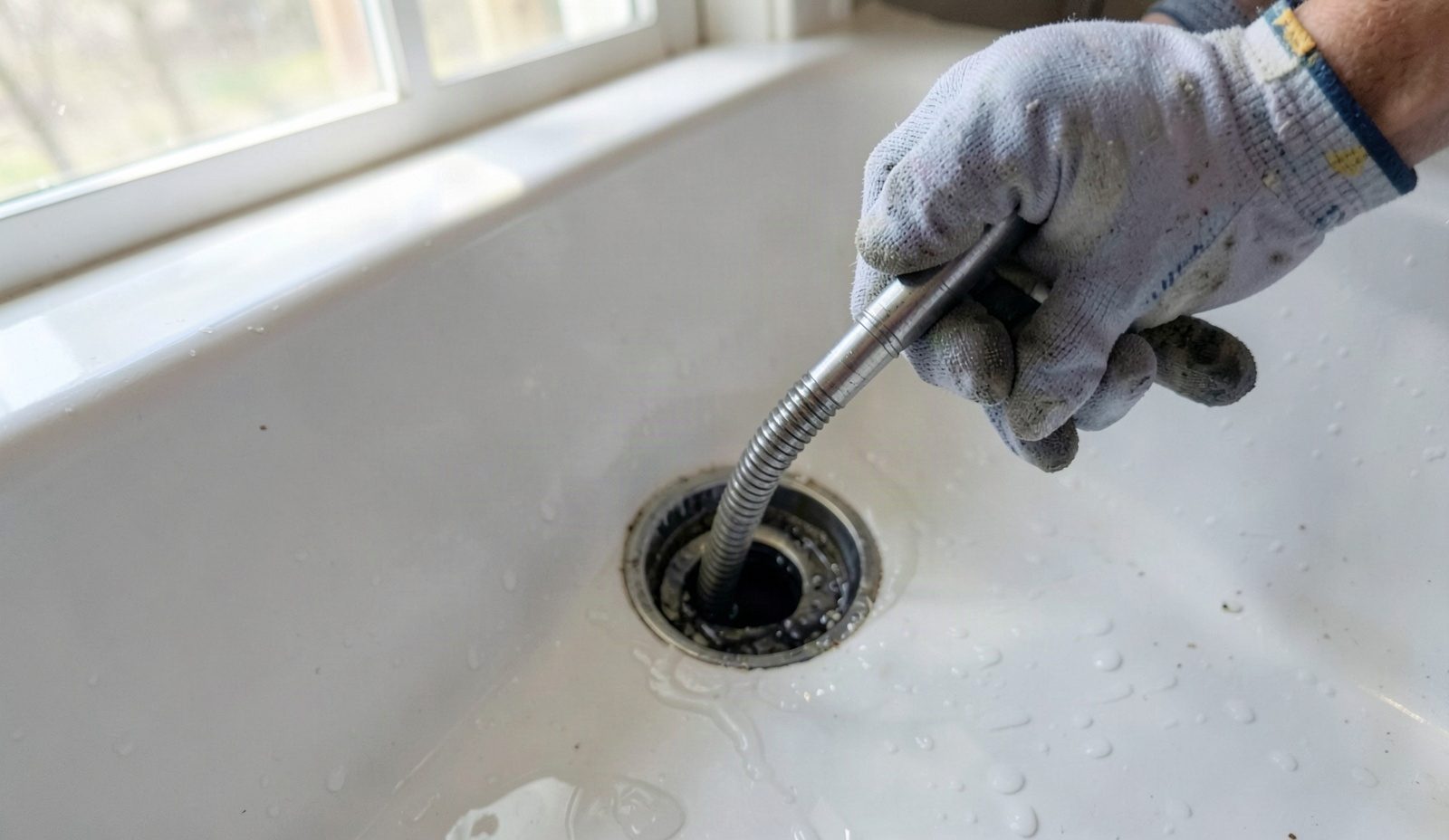
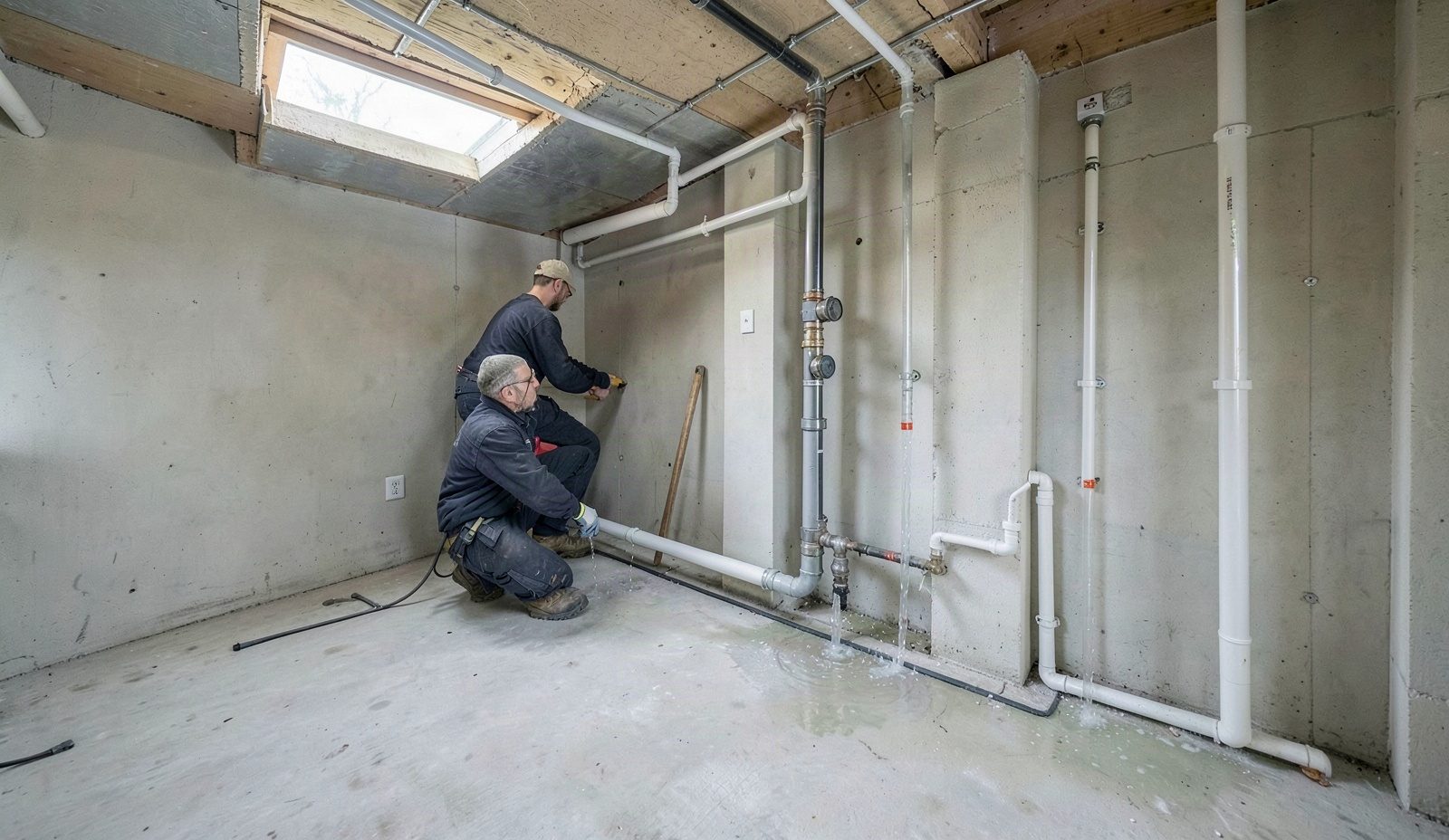
Before any product goes down a drain, a technician runs a sewer camera through the cleanout to see what's actually restricting flow. Grease buildup looks matte and yellow-gray on the lens. Root intrusion shows as dark hairline filaments pulling toward the pipe joints. Scale on cast iron shows a rough, tuberculated texture that narrows the visible pipe diameter, sometimes cutting a 4-inch line down to an effective 2-inch opening. That footage decides whether an enzyme drain cleaner, a mechanical cable, or hydro jetting is the right tool, because pouring product down a line that's structurally broken wastes time and money. While the camera is in the line, the technician also reads static water pressure at an outdoor spigot. Anything above 80 psi means Section 604.8 of the International Plumbing Code requires a pressure-reducing valve, and a pH test strip run on standing water in a slow drain tells us whether we're dealing with organic buildup, which enzyme cultures break down over 24 to 48 hours, or chemical residue from a previous caustic drain opener.
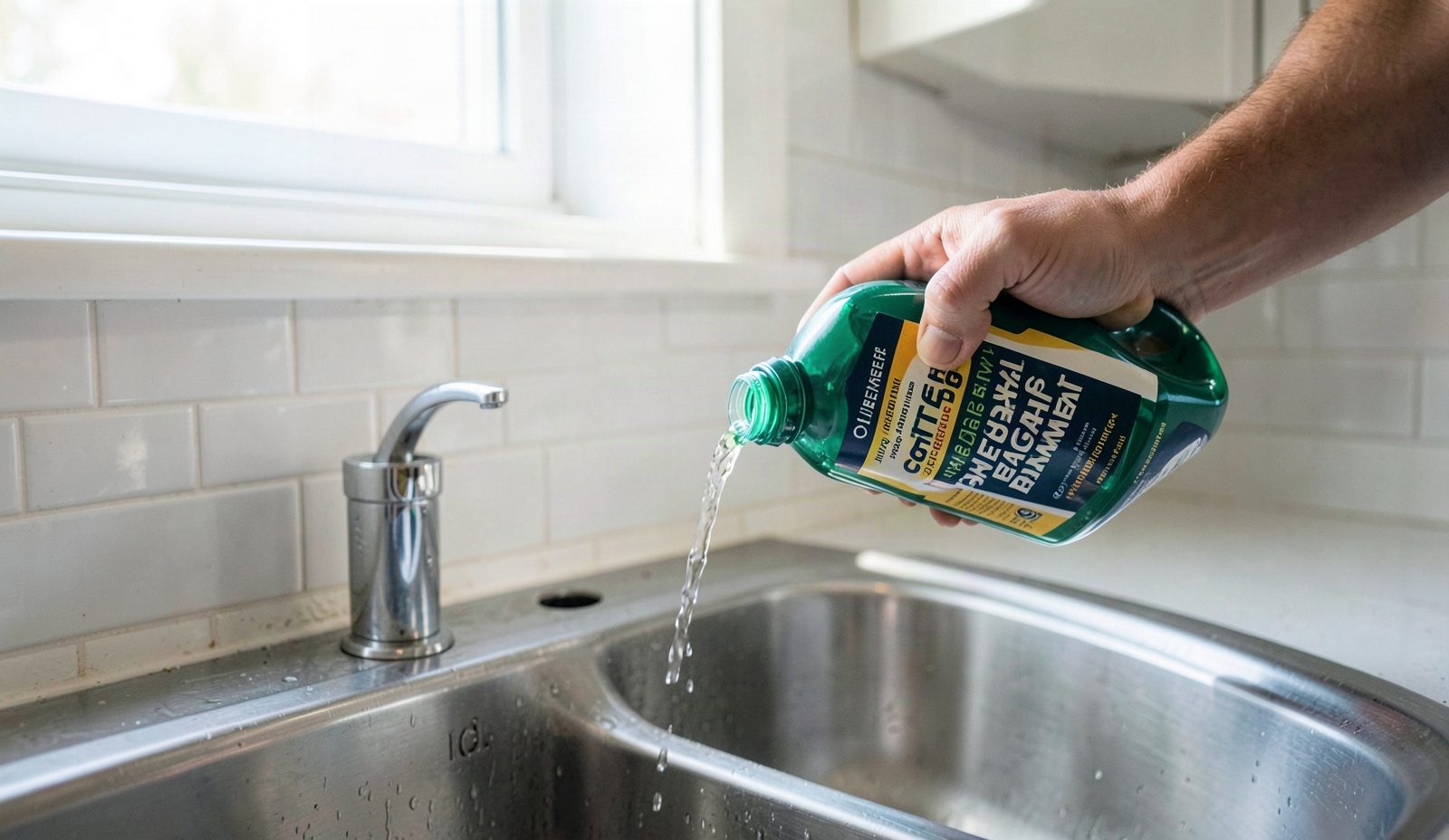
For biological buildup, we favor enzyme and bacteria-based treatments like Bio-Clean over sodium hydroxide products like Drano Max Gel or Liquid-Plumr, because bacteria cultures digest organic waste without generating the exothermic reaction that softens PVC cement joints or pits galvanized steel. Bio-Clean and similar enzyme formulas run close to a neutral pH, while a caustic gel opener can push well into double digits on the pH scale, hot enough to warp a plastic trap in minutes. Enzyme treatment takes longer to work, usually an overnight dwell instead of a fifteen-minute wait, but it's the drain cleaner safe for pipes that plumbers actually use on repeat maintenance visits rather than one-time chemical dumps.
When the camera shows a partial or full blockage instead of surface buildup, no cleaner, safe or otherwise, replaces mechanical clearing. A cable machine with the correct head, a spade for roots or a chain knocker for scale, physically removes the obstruction, and hydro jetting at 1,500 to 4,000 psi through a rotating nozzle scours the pipe wall back to bare cast iron or PVC without the wall-thinning risk repeated caustic dosing carries. We choose the jetter head and pressure based on what the camera showed, not a standard setting run on every job.
Your local utility, Payment options, publishes service and water-quality information every Fort Worth homeowner should know.
You describe the symptom on the phone, gurgling, slow drain, sewage smell, and how many fixtures are affected. On arrival, the technician asks when it started and whether anyone has already poured a chemical opener down the line, since that changes what protective gear gets used. The technician opens the nearest cleanout and runs a sewer camera through the line, narrating what the footage shows: grease coating, root filaments, scale buildup, or a separated joint. You see the same footage on a tablet in real time, so the diagnosis isn't a verbal description you have to take on faith.
Once the camera identifies the problem, the technician recommends enzyme treatment, cable clearing, or hydro jetting, and explains why in terms of what the footage showed rather than a default script. You approve the written scope before any tool goes into the line. Work areas get protected with mats and drop cloths first. If the job is mechanical, the technician selects the cable head or jetter nozzle based on the pipe material and blockage type from the camera pass, not a one-size setting run on every call.
Before packing up, the technician runs water through the cleared fixture and times how fast it drains, then reruns the camera to confirm the pipe wall is actually clear rather than just pushed through. You get a short walkthrough covering what caused the clog and what to watch for if it's a symptom of an aging line rather than routine buildup. Any debris pulled from the line leaves in a sealed bag, and the camera footage stays available to you as a record of the line's condition that day.
The City of Fort Worth plumbing code is based on the International Plumbing Code, and it governs everything from trap arm length to cleanout spacing on drain work that goes beyond routine clearing. A technician who works Tarrant County daily knows which fixtures in a mid-century home need a full trap replacement versus a simple snake-through, and which cast iron stacks are original enough that aggressive cabling risks punching through a wall already thinned by decades of corrosion. That judgment doesn't come from a product label, it comes from reading the same housing stock week after week.
An operator who doesn't work this metro regularly tends to reach for the same caustic drain opener on every call, because it's fast and doesn't require reading the line first. On a cast iron stack that's already lost wall thickness to corrosion, that shortcut trades a slow drain today for a pinhole leak next year, one that often surfaces as a stain on a downstairs ceiling long after the truck has left. Knowing which lines in this city can take a chemical treatment and which ones need a camera first protects the pipe as much as it protects the ceiling underneath it.
Scheduling a drain evaluation is a phone call, not a form to fill out. Call (817) 710-3766 and describe what the drain is doing, gurgling, backing up, smelling of sewage, and a technician can tell you on the phone whether it sounds like buildup, a broken joint, or something that needs a camera before anyone commits to a treatment plan.
Our page on diy vs. professional drain cleaning covers that side of the work in more depth.
Plumbing code in most jurisdictions traces back to the Uniform Plumbing Code maintained by IAPMO, it's the rulebook behind our permit work.
Scheduling starts with a call describing what the drain is doing. Most requests get a same-day or next-day arrival window instead of an all-day wait, and dispatch gives a two-hour window on the day of service with a heads-up call thirty minutes out. If an earlier job runs long because of an unexpected root cut or a deeper camera run, dispatch resets your window instead of leaving you guessing. Routine maintenance, like a scheduled enzyme treatment on an older line, can be booked days ahead so a slow drain doesn't turn into a full stoppage before it gets attention.
A technician lays a runner mat from the door to the work area before opening any cleanout, and a drop cloth goes under the toolbox and camera reel. Cleanout caps removed to access a line get set on a tray, not the floor, so nothing tracks sewage residue across tile or carpet. Cable and jetter hose get wiped down before they're coiled back onto the truck. Any debris pulled from the line, roots, scale, grease, goes straight into a sealed bag for haul-away, and the work area gets a final wipe-down before the technician calls the job done.
The price reflects pipe material, line length, number of access points, and what the camera shows once it's run through the cleanout. A single-fixture enzyme treatment on a kitchen sink costs less than a main line jetted from a slab cleanout with no easy access point. A technician writes the scope and price after the camera run, walks through it with you on a tablet, and nothing beyond that written scope happens without a separate approval, whether that's an added root cut or a second access point the first camera pass didn't reveal.
Every technician passes a background check before working alone in a customer's home. New hires ride with a senior technician through a set number of drain calls, covering camera reading, enzyme dosing, and jetter pressure selection, before working solo. Ongoing training keeps the crew current on the locally adopted plumbing code as it's updated, not just on the day they were hired. Field competence gets checked through spot audits, where a supervisor reviews camera footage and the written scope from recent jobs against what was actually found on site.
An enzyme or bacteria-based drain cleaner is the safest option available. These formulas use live bacterial cultures that consume grease, soap film, and organic waste over an overnight dwell, without the heat reaction that damages pipe walls. Unlike sodium hydroxide gels, enzyme treatments stay close to a neutral pH, so they won't soften PVC cement joints or accelerate corrosion in galvanized or cast iron lines. Shield Plumbing Fort Worth uses enzyme-based products as the default first treatment on any drain that shows organic buildup rather than a structural break.
Plumbers recommend enzyme drain cleaners or mechanical clearing instead of Drano. A bacterial enzyme treatment poured down the drain overnight breaks down the same grease and soap buildup without the corrosive side effects. For a clog enzyme treatment can't reach, a cable machine or hydro jetting physically removes the blockage. Shield Plumbing Fort Worth stocks enzyme treatment for routine maintenance and reserves jetting for lines a camera confirms are structurally sound enough to handle the pressure.
Plumbers recommend a monthly enzyme treatment paired with hot water flushes rather than any single product. Running the hottest tap water available through a kitchen drain for two minutes after each greasy meal keeps fat from solidifying on the pipe wall in the first place. On older cast iron lines, an annual camera check catches scale buildup before it narrows the pipe enough to trap debris, which takes far less effort than clearing a full stoppage later.
Estimates depend on a camera inspection completed before any price is set. A technician runs the camera, shows you the footage on a tablet, and explains whether the fix is an enzyme treatment, a cable run, or jetting. You approve the written scope before any product or tool touches the line, and the price reflects pipe material, line length, and how many access points the crew needs to reach the blockage.
The job is confirmed done through a timed flow test and a second camera pass. A technician times how fast a full sink or tub drains down after clearing, typically under 20 seconds for a properly cleared 2-inch line, and reruns the camera to confirm the pipe wall is clear rather than just pushed through. That footage stays available so you have a record of the pipe's condition after the visit.
Cost depends on pipe material, line length, number of access points, and whether the fix is a chemical treatment or mechanical clearing. A single-fixture enzyme treatment costs less than a whole-house cable run or jetting job on a main line under a slab. Call (817) 710-3766 and a technician can walk through what typically drives the price for your specific drain before scheduling a camera inspection.
Fort Worth summers push drain chemistry in a specific direction. Enzyme cultures activate faster in warm standing water, so a treatment that takes two nights to work in a cooler climate often clears a line in Fort Worth within a single overnight dwell, especially in a garage laundry standpipe that holds summer heat. Older neighborhoods complicate the physical side of the job. Mature trees along streets in Wedgwood and Ridglea Hills send roots toward clay drain tile and cast iron hub joints looking for the moisture inside, and a camera pass in these areas turns up root intrusion more often than pure grease buildup. Density near the Near Southside and the Cultural District means shorter runs from house to main but also tighter yards, so a technician often works from a single cleanout rather than digging a second access point, which shapes whether jetting or cabling is the practical choice on a given call.
Routine drain cleaning, chemical or mechanical, doesn't require a permit under the City of Fort Worth plumbing code, since nothing about clearing an existing line changes its size, slope, or material. That changes the moment a camera pass shows a section that needs to be cut out and replaced, a bellied run or a joint separated by ground movement. That kind of repair counts as structural work, and it goes through the City of Fort Worth Development Services Department before anyone opens the slab. A technician who works this metro regularly knows where that line sits, avoiding a rough surprise mid-job, and knows to flag it during the camera inspection rather than after the invoice is written, so you're deciding on a permit and a repair scope with full information instead of catching up after work has already started.
Explore our service area and locate Shield Plumbing Fort Worth with ease. We're proudly local and serve the surrounding neighborhoods with fast response and honest pricing. Use the map to check our coverage area, or call us and we'll confirm in seconds.
Address:
Shield Plumbing Fort Worth, 210 W 7th St, Fort Worth, TX 76102
5 Signs Your Ridglea Hills Home Has a Slab Leak, practical local guidance from Shield Plumbing Fort Worth, Fort Worth's trusted plumbing tea…
Read More
What Wedgwood Residents Should Know Before a Whole-Home Repipe, practical local guidance from Shield Plumbing Fort Worth, Fort Worth's trust…
Read More
How Fort Worth's Hard Water Is Quietly Destroying Your Water Heater, practical local guidance from Shield Plumbing Fort Worth, Fort Worth's …
Read More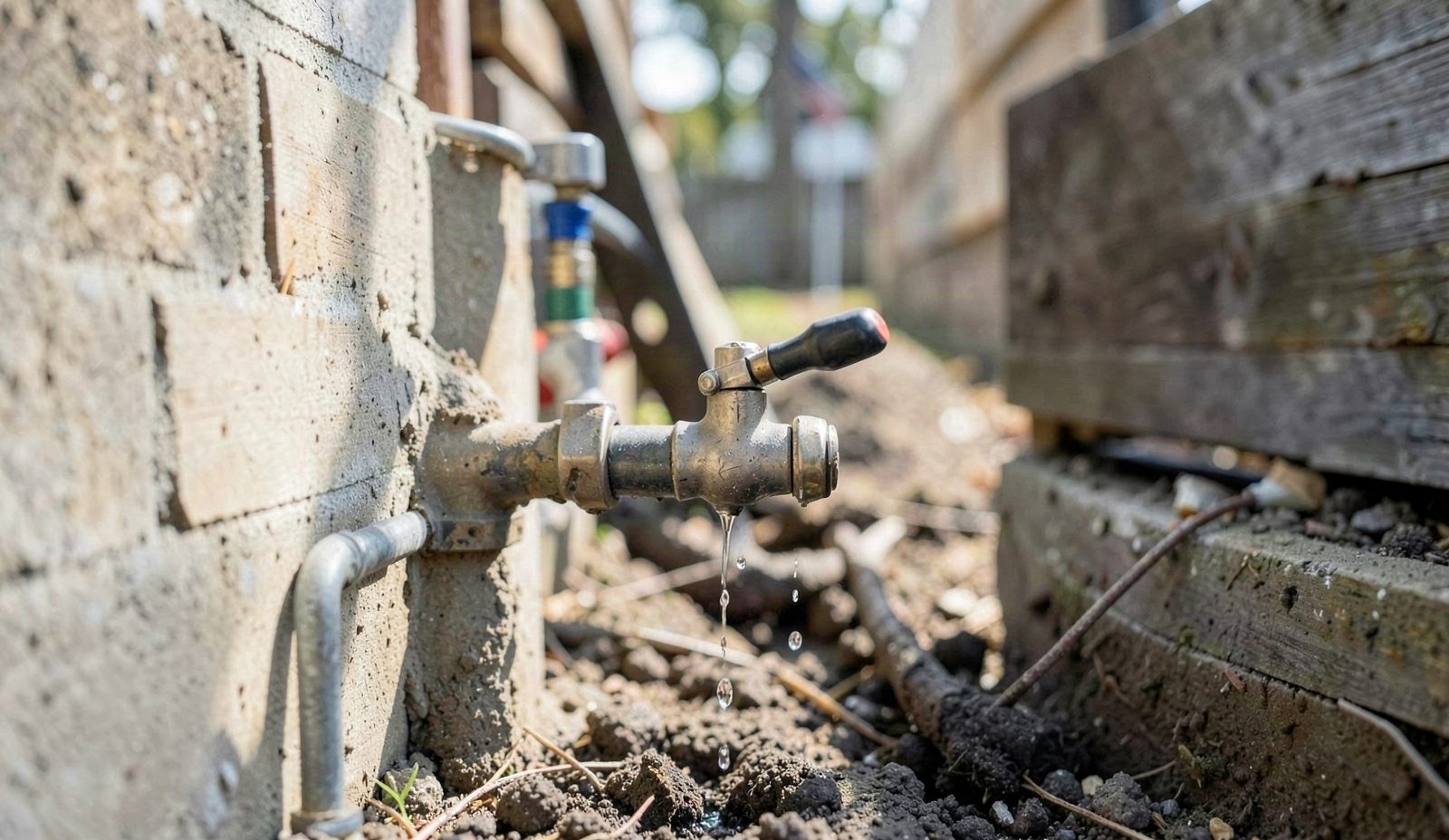
The Hidden Cost of Ignoring a Dripping Faucet in Fort Worth, practical local guidance from Shield Plumbing Fort Worth, Fort Worth's trusted …
Read More