
June 20, 2026
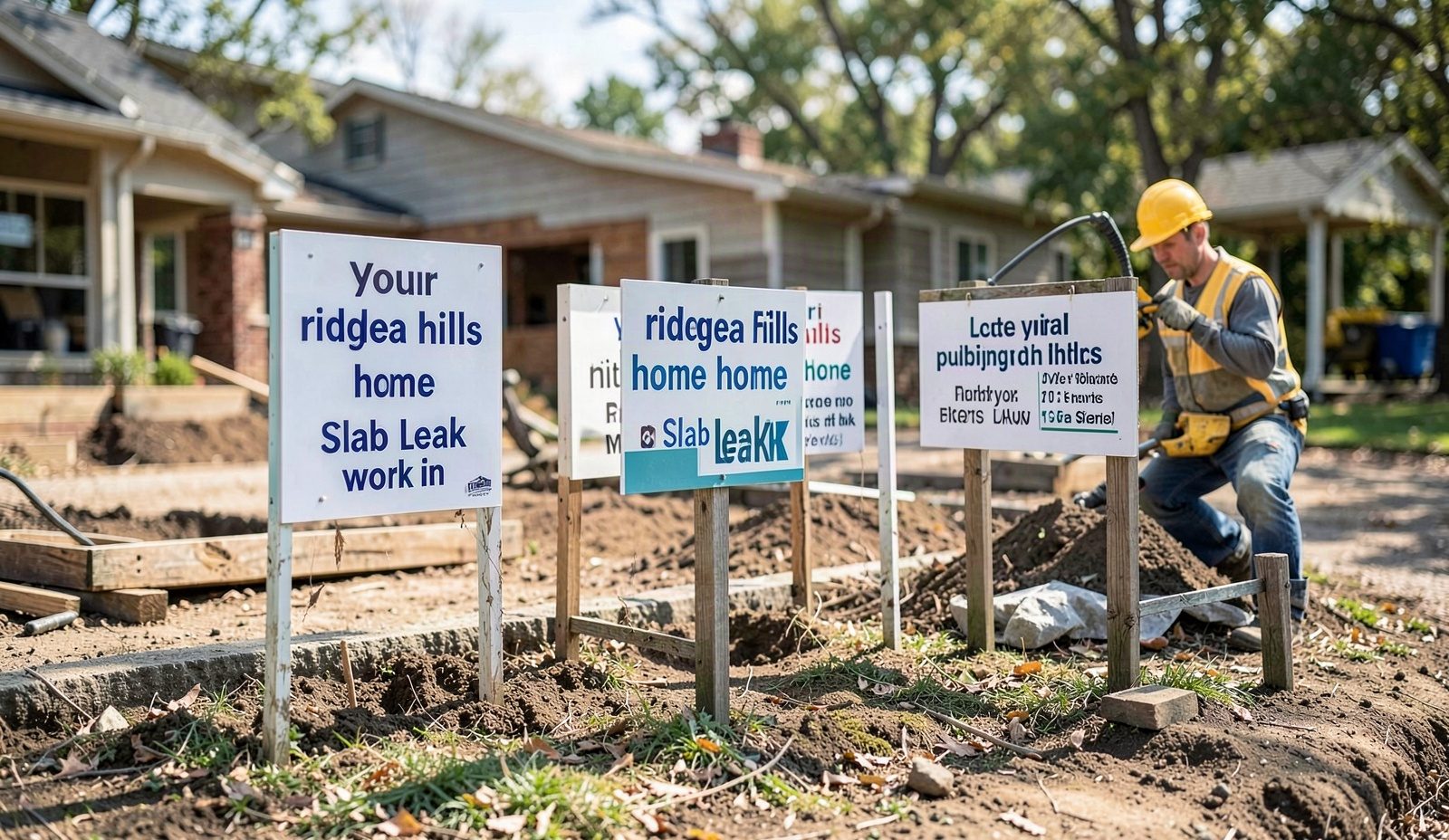
5 Signs Your Ridglea Hills Home Has a Slab Leak
5 Signs Your Ridglea Hills Home Has a Slab Leak, practical local guidance from Shield Plumbing Fort Worth, Fort Worth's trusted plumbing tea…
Read More




A drain that gurgles when the washing machine empties, a tub that backs up black water when someone flushes down the hall, a sink that drains in slow motion no matter how much you plunge it. These are not separate problems. They are one blocked or damaged line losing capacity, and in most Fort Worth homes that line runs under a slab that has already moved at least once since it was poured.
North Texas expansive clay swells with rain and shrinks in drought, and that flexing moves slab foundations enough to shear copper supply lines and separate drain joints under the house. A joint that opens by even a quarter inch lets wastewater escape into the soil around the pipe instead of carrying it to the main, and the smell of wet earth mixed with sewage under a bathroom floor is usually the first sign something under the slab has already given way. Homes in Fairmount and Arlington Heights sit on some of the oldest, most reworked clay lots in the city, so their drain lines have had decades of seasonal movement to work joints loose.
Add pipe material to the picture. Pre-1970 neighborhoods across the metro were plumbed with galvanized steel supply lines and cast iron drains, both now at or past the end of their service lives. Cast iron corrodes from the inside out, and the rough, rusted interior wall gives grease and paper something to grab onto that a smooth PVC line never would. Tree roots find the same rusted joints and grow straight into them, which is why a house that drained fine for thirty years can suddenly back up every time it rains.
A slow drain does not stay slow. Left alone, the clog compacts, the backup migrates upstream to the next fixture, and what needed only professional drain cleaning turns into an excavation once the line collapses or a root mass hardens into a plug no cable can punch through. Every week you wait is another week of wastewater sitting against a pipe wall that was already thinning.
Our page on safe drain cleaning products covers that side of the work in more depth.
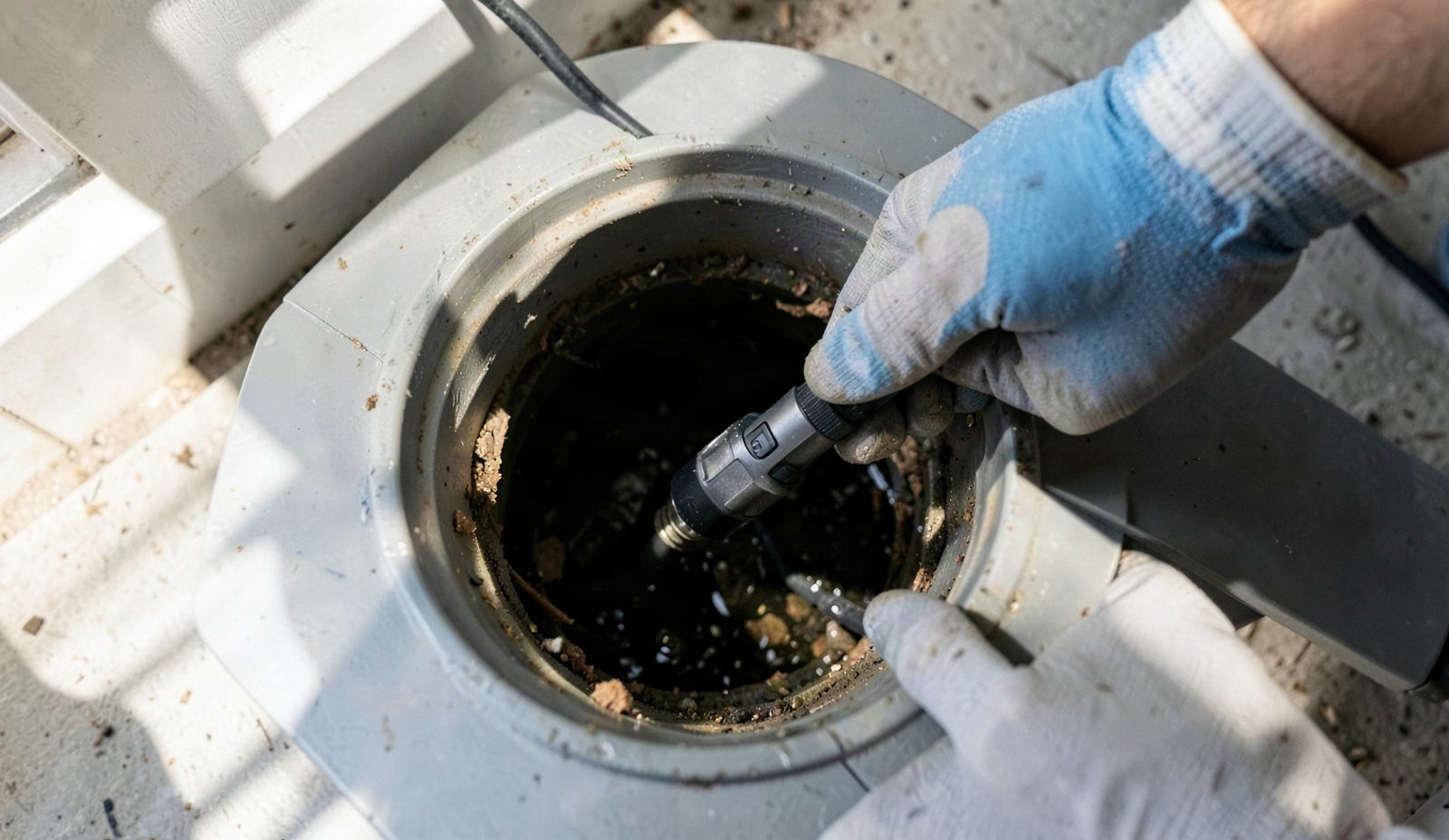
We start every call with a self-leveling color camera fed down the line, not a cable pushed in blind. The camera head carries a sonde, and a handheld locator wand on the surface reads its depth in feet as the head moves under the slab, accurate to within a few inches. That reading tells us whether we are looking at a belly in the line, an offset joint, or a root ball, and exactly how far that point sits from the cleanout or the foundation edge. A homeowner who has called around for rooter service and drain repair work before knows the difference between a tech who calls out footage numbers off a screen and one who just starts cranking a cable.
Once we know what we are dealing with, the tool changes with it. A RIDGID K-750 sectional machine running 5/8 inch cable clears root intrusion and solid blockages in 2 to 4 inch lines by cutting and dragging debris back out, which is the right call for a mechanical break in the line. Grease buildup and mineral scale coating the pipe wall are a different animal. Cabling punches a hole through grease and leaves the rest on the wall, so the same line backs up again within months. A hydro-jetter running roughly 4,000 PSI at 12 to 18 gallons per minute through a rotating nozzle scours the full circumference of the pipe clean, which is standard practice for any sewer rooter and drain cleaning company working kitchen lines or grease-heavy setups. We pick the tool the footage tells us to pick.
While we are under the house with the camera, we also read static water pressure at an outdoor spigot with a gauge threaded onto the bib. Section 604.8 of the International Plumbing Code calls for a pressure-reducing valve once that reading passes 80 psi, and high supply pressure matters here because it accelerates wear on joints that are already carrying decades of seasonal foundation movement. It takes two minutes, and it is the kind of check that separates a full diagnostic visit from an appointment that only touches the symptom in front of it.
If this sounds close but not quite your situation, storm drain cleaning & repair may be the better starting point.
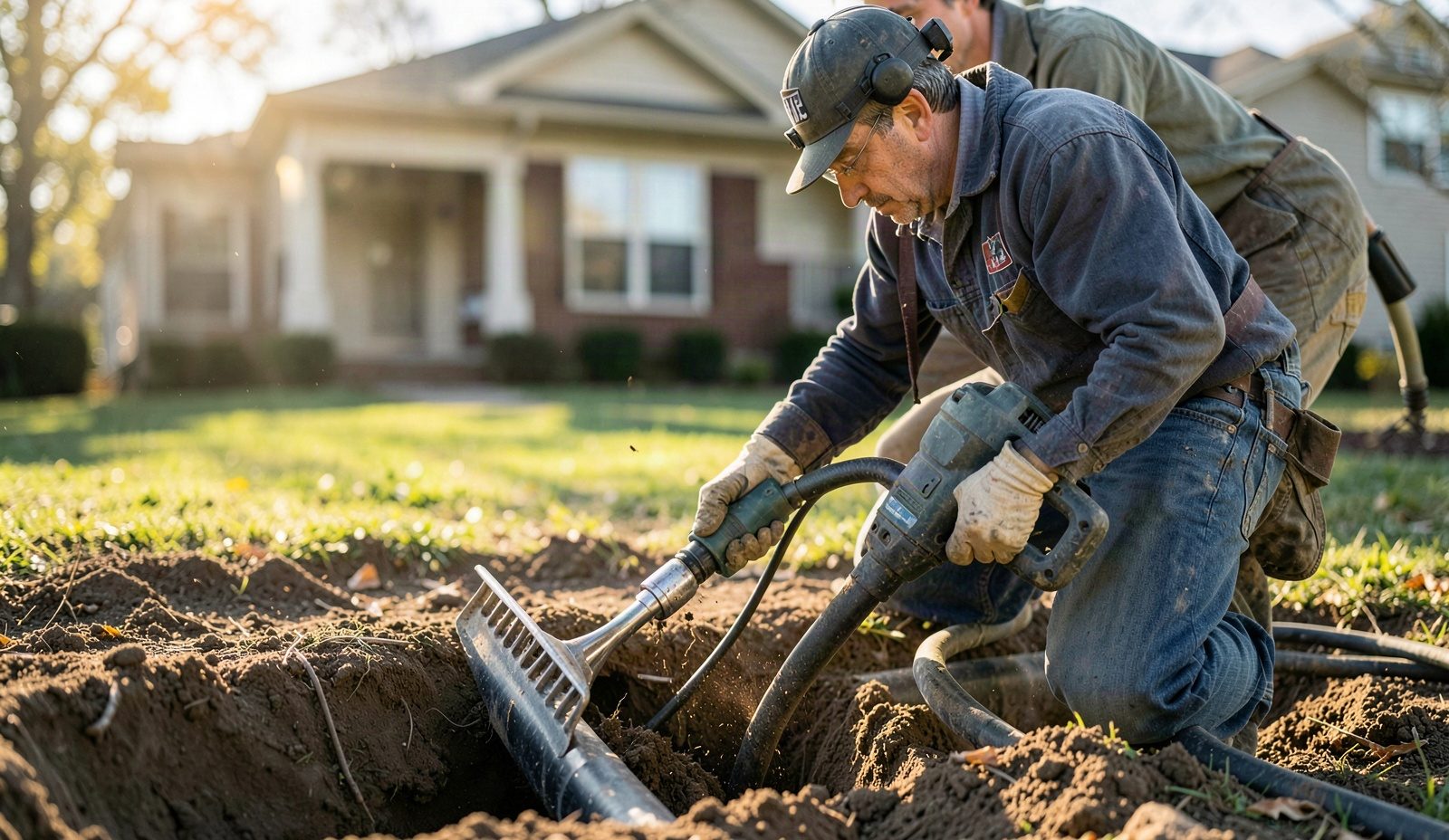
You describe the symptom on the phone, the fixture backing up, the sound, whether it happens with one appliance or every drain in the house. The technician arrives inside the scheduled window and walks the property to locate every accessible cleanout, inside and out. Before touching a cable, the camera goes in first, and you can watch the footage on a screen as it runs. This is where the diagnosis happens: root intrusion, a belly, a separated joint, or simple grease, each one calling for a different tool.
Once the camera has shown the actual problem, we write down the scope and the quote and walk you through it before anything else happens. Floors and access points get protected first. Then the right tool goes to work, a sectional cable machine for roots and solid blockage, a hydro-jetter for grease and scale coating the pipe wall. If the footage reveals something bigger, like a collapsed section, we stop and talk through options rather than push forward on a fix that will not hold.
After the line is cleared, the camera goes back in to confirm it is actually open end to end, not just punched through in one spot. We run water through the fixtures for several minutes and watch how it drains, checking for gurgling or slow return that would signal a partial blockage still sitting in the line. You get to see the before and after footage side by side, and we walk the site with you before we pack up, so nothing gets left unexplained.
The City of Fort Worth plumbing code, based on the International Plumbing Code, sets the cleanout spacing, drain slope, and venting rules every line in this city has to meet, and we work to that code on every call regardless of where a technician's last job happened to be. A crew that does not know Fort Worth's adopted amendments can clear a line and still leave a vent configuration that will not pass inspection when you sell the house or pull a permit for a remodel.
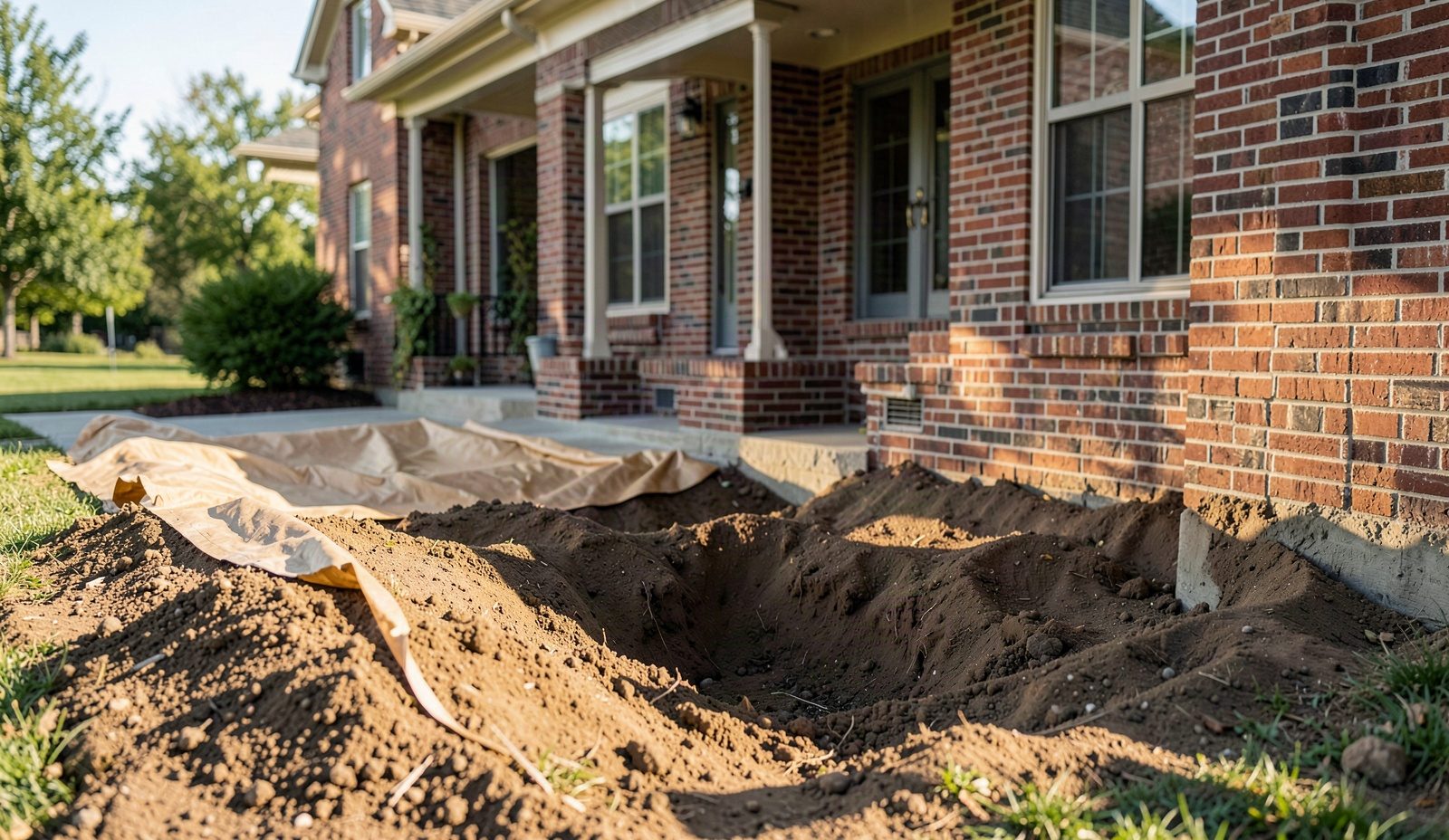
Full sewer line replacement and any work that changes the piping layout typically needs a permit. Clearing an existing line with a cable or jetter typically does not, and that distinction matters, because a homeowner who lets an unpermitted crew cut into a slab can end up with a repair that has to be reopened later to satisfy an inspector. We also read housing stock correctly. A 1940s pier-and-beam bungalow drains nothing like a 1980s slab ranch, and a tech who has only worked new construction will spend an hour hunting for a cleanout that, on an older Fort Worth lot, sits buried under a foot of soil built up over decades.
Every technician who runs a drain call solo has already worked jobs alongside a senior tech, cable in hand, camera on the screen, before being trusted to diagnose alone. That matters for a rooter service and drain repair company's reputation, because a wrong call on a cast iron line, cabling where the pipe needed jetting, scale mistaken for a root, wastes a truck run and delays the real fix. Call (817) 710-3766 to talk through what your line is doing before anyone gets dispatched.
More detail on diy vs. professional drain cleaning is on its own page.
Your local utility, Payment options, publishes service and water-quality information every Fort Worth homeowner should know.
When Fort Worth homeowners search for drain cleaning and rooter service near their address, the calendar reality looks like this: you call, we ask what the fixture is doing and where the nearest cleanout sits, then we give you an arrival window, usually two hours wide. If a prior job runs long, dispatch calls or texts before your window closes, not after. Same-day slots open up on most weekdays depending on how the route is running that morning, and we will tell you honestly on the phone whether today or tomorrow is realistic for your part of the metro before you commit to waiting around.
Before any cable or hose runs, we lay tarps across the floor path from the door to the cleanout and set containment around the work area itself. If a backup has already reached a tub or floor drain, we wet-vac that standing water out before starting so it does not track through the house. Roots, scale, and sludge pulled from the line go straight into sealed containers, not a bucket left on your driveway. When we finish, the cleanout is closed back up, the tarps come up, and the area gets a wipe-down so the only sign we were there is a clear drain.
The price of professional drain cleaning services on any given call depends on scope, access, and what the camera finds. A single stubborn kitchen line costs less to clear than a main line with a root mass forty feet out, and a crawlspace cleanout is faster to reach than one buried under a slab penetration. Once the camera footage shows us exactly what we are dealing with, we write the scope and the number down before any cable or jetter runs, and you approve that written quote before work starts. Nothing changes mid-job without a conversation first.
Every technician goes through a background check before ever riding in a service vehicle, and training does not stop at hire. Techs review changes to the current plumbing code cycle as the city adopts them, and they drill on camera reading, tool selection, and root cause diagnosis in ongoing sessions. New hires shadow a senior tech on live calls, cable in hand, before they are ever sent to run a job alone. A tech who cannot correctly call a footage reading in training does not get dispatched solo on your line.
Roto-Rooter's rates depend on their local franchise and are not something Shield Plumbing Fort Worth sets or publishes. Pricing at any drain cleaning company hinges on line length, access point, and whether the job needs a cable or a jetter. Shield writes a scope and quote after running a camera through your line first, so you see exactly what is being charged for before approving anything, rather than an estimate based on the fixture alone.
Mr. Rooter's pricing is set by their own franchise network and varies by location, not something Shield Plumbing Fort Worth quotes on their behalf. What actually drives the cost of unclogging any drain is the same everywhere: how far the blockage sits from the cleanout, whether roots or grease caused it, and how many trips the job takes. Shield prices from camera footage taken on site, so the number reflects your specific line.
The cost depends on where the clog sits, what caused it, and how far into the line the tool has to travel. A single fixture clog cleared through an accessible trap is a shorter job than a main line blockage forty feet out that needs a hydro-jetter instead of a cable. Shield runs a camera first on every call so the quote reflects the actual footage of your line, not a flat rate guessed over the phone.
Same-day and emergency drain and rooter service is available across Fort Worth depending on route capacity that day. Calling early in the day gives the best shot at a same-day arrival window, while calls later in the afternoon may land a first-thing-tomorrow slot instead. Shield tells you honestly on the phone which is realistic for your part of the metro before you commit to waiting, rather than promising a window that will not hold.
The technician diagnoses the failure on site first, then writes a scope covering pump horsepower, housing material, and any discharge line work needed. You review and approve that written scope before repair or replacement begins. Pit depth, access under the crawlspace, and discharge routing distance are the factors that move the number most between two otherwise similar homes.
Plumbing costs in Fort Worth depend on scope, access, and how much of the existing system needs to be replaced versus repaired. A slab penetration costs more labor time than a crawlspace repair for the same length of line, and older galvanized or cast iron systems often add scope once one section is opened up. Call for a written quote after a real diagnosis.
A drain crew working the Near Southside one morning and Wedgwood the next is handling two different plumbing systems, not two versions of the same one. Ridglea Hills and the Cultural District mix mid-century ranch homes with newer infill construction, so a cleanout that sits at grade on one lot might be buried under a deck extension two doors down. The February 2021 freeze burst pipes across Tarrant County by the tens of thousands, and most of those failures were supply lines run through attics and exterior walls, which pushed a wave of repair crews under these same houses and exposed drain joints already stressed by decades of soil movement. Job planning here means checking access before quoting, not after arriving.
Structural sewer work, anything that changes the pipe route or requires excavation, goes through the City of Fort Worth Development Services Department, which reviews the scope and inspects the finished work before it gets covered back up. That oversight exists because a poorly bedded pipe or a wrong-slope repair fails again within a few years, and the inspector's sign-off is the only record a future buyer or lender can trust. Local familiarity with what that department expects on a permit application, and which repairs fall under it versus which ones do not, keeps a routine drain call from turning into a compliance problem months later.
Explore our service area and locate Shield Plumbing Fort Worth with ease. We're proudly local and serve the surrounding neighborhoods with fast response and honest pricing. Use the map to check our coverage area, or call us and we'll confirm in seconds.
Address:
Shield Plumbing Fort Worth, 210 W 7th St, Fort Worth, TX 76102
5 Signs Your Ridglea Hills Home Has a Slab Leak, practical local guidance from Shield Plumbing Fort Worth, Fort Worth's trusted plumbing tea…
Read More
What Wedgwood Residents Should Know Before a Whole-Home Repipe, practical local guidance from Shield Plumbing Fort Worth, Fort Worth's trust…
Read More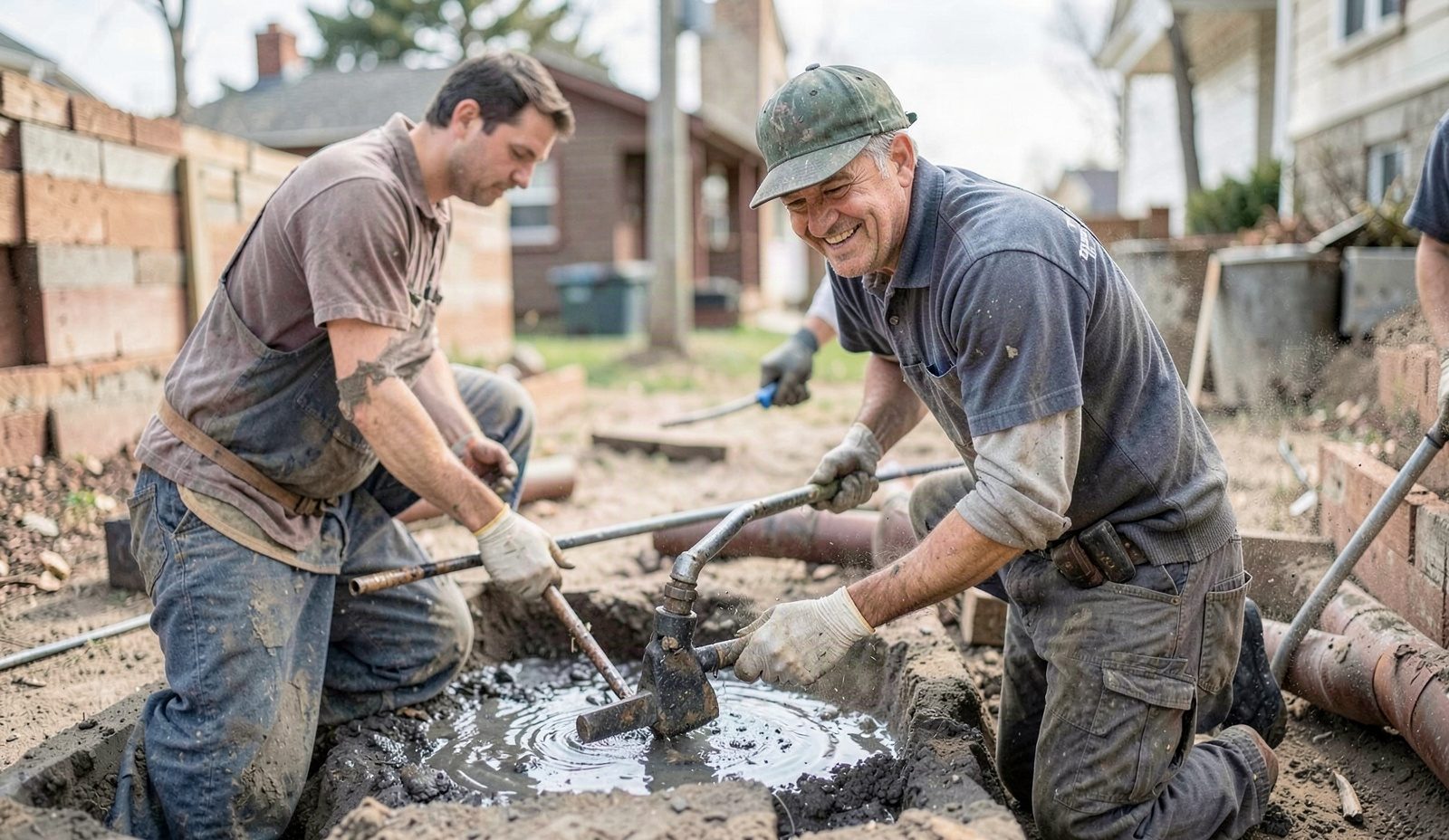
How Fort Worth's Hard Water Is Quietly Destroying Your Water Heater, practical local guidance from Shield Plumbing Fort Worth, Fort Worth's …
Read More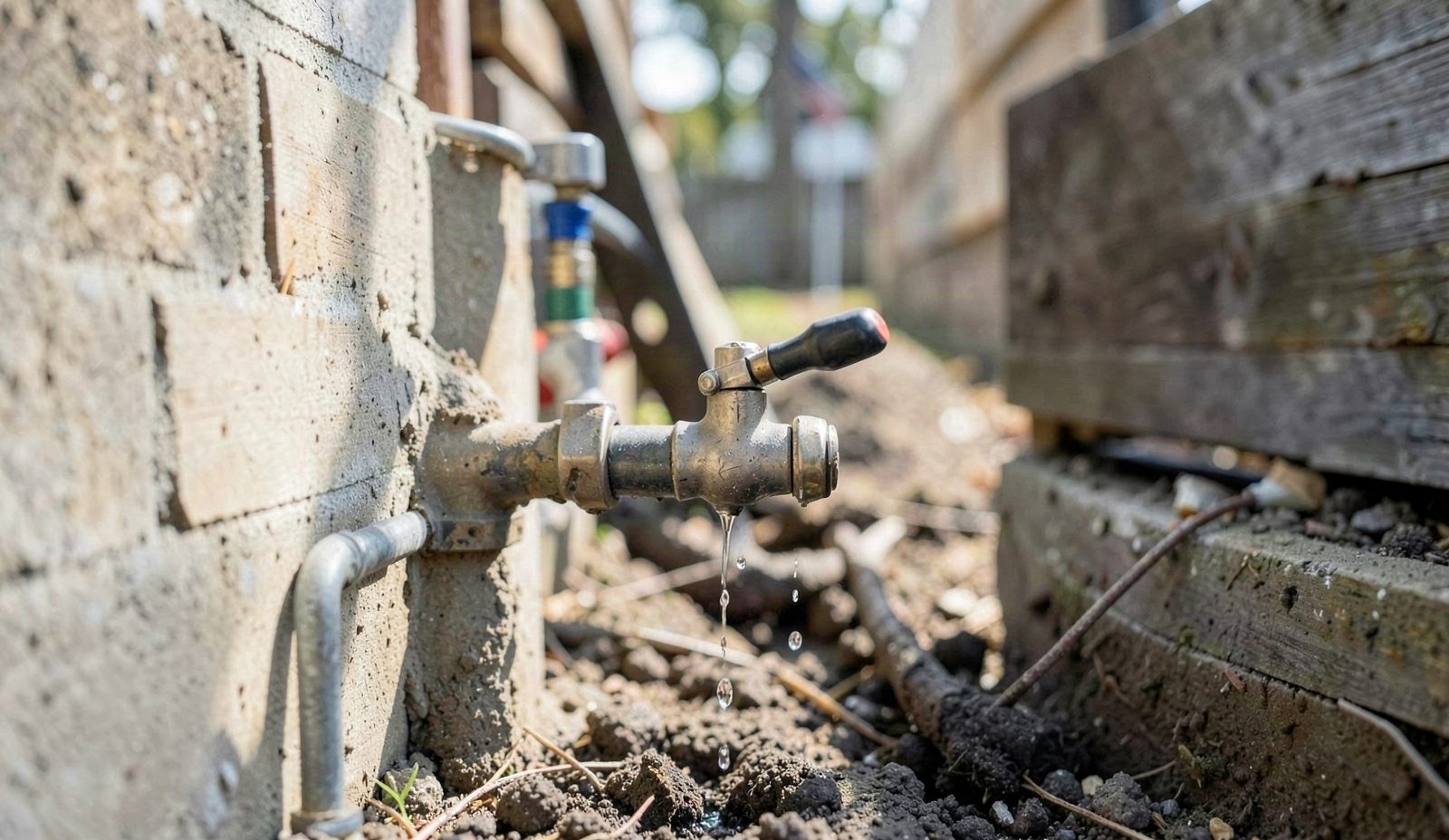
The Hidden Cost of Ignoring a Dripping Faucet in Fort Worth, practical local guidance from Shield Plumbing Fort Worth, Fort Worth's trusted …
Read More