
June 20, 2026
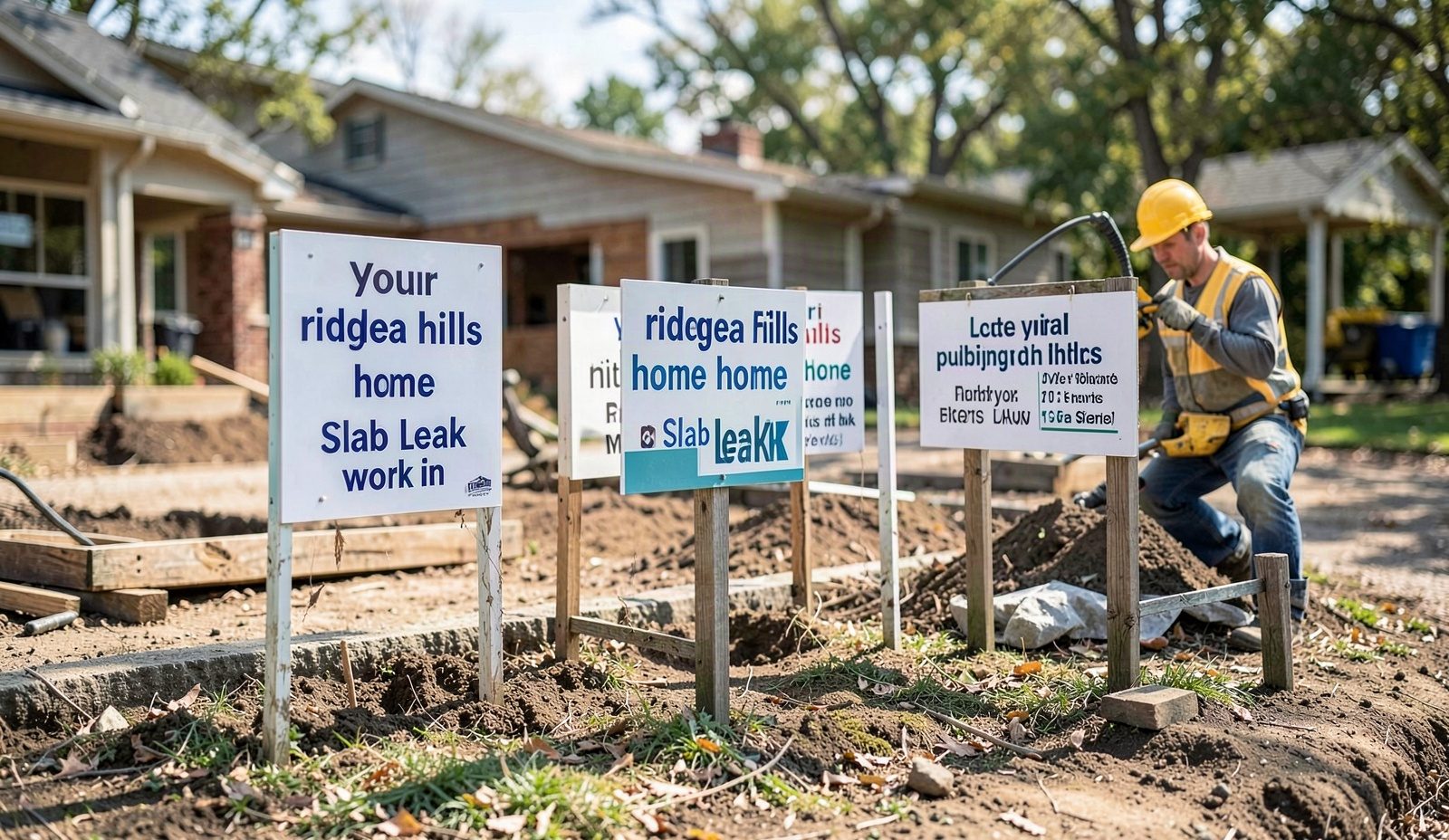
5 Signs Your Ridglea Hills Home Has a Slab Leak
5 Signs Your Ridglea Hills Home Has a Slab Leak, practical local guidance from Shield Plumbing Fort Worth, Fort Worth's trusted plumbing tea…
Read More




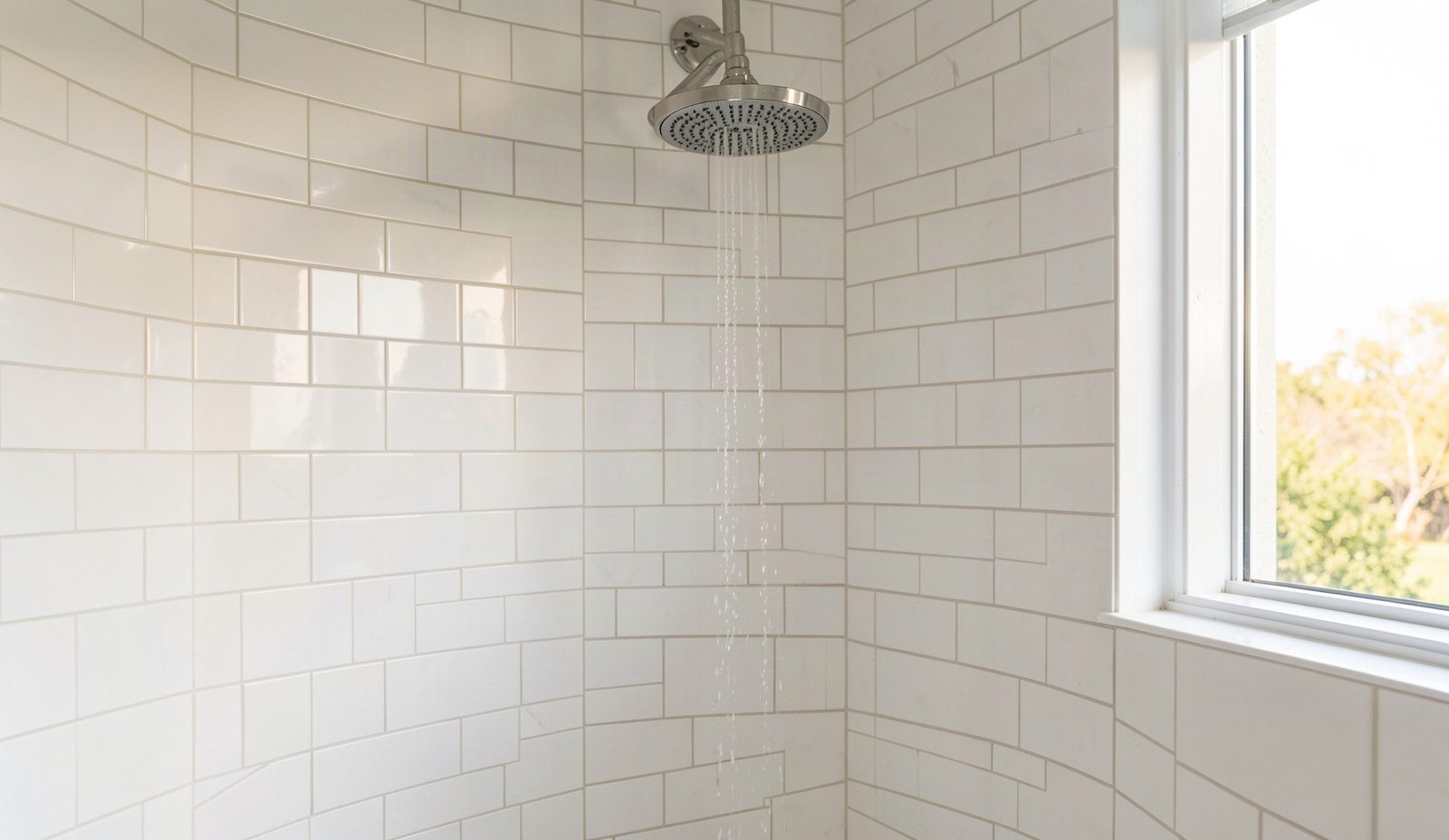
A shower valve that drips for twenty minutes after you shut it off signals a worn cartridge or a seat that no longer closes flush, and the sound changes from a hiss to a slow tick as pressure bleeds down the line. A bathtub that drains slower each week, leaves a ring of grit at the overflow plate, or gurgles when the toilet flushes usually points to a partial drain block or a vent problem rather than something a plunger will fix. Soft, spongy flooring at the base of the tub, a musty smell that shows up before you see any water, or a stain spreading across the ceiling below a second-floor bathroom all mean water has been moving somewhere it should not for a while already.
North Texas expansive clay is the reason so many of these problems start under the slab instead of behind the tile. The clay swells when rain soaks it and shrinks hard during a dry August, and that cycle moves the foundation enough to shear copper supply lines and pull drain joints apart under the house. Older homes in Fairmount and Arlington Heights, built when slabs sat on soil nobody graded for movement, show this first: a shower that ran fine for fifteen years starts dripping at the valve body or backing up at the drain the same season the yard cracks.
Not every failure starts in the ground. A tub faucet repair often turns up a stem packing that dried out from years of mineral buildup, and a shower valve replacement becomes necessary once the cartridge seats have worn oval instead of round, a wear pattern a plumber feels with a finger before ever seeing it. A bathtub drain repair frequently finds a slip joint that corroded loose rather than a clog, especially in showers original to the house that were never touched during a remodel.
Wait past the first drip or the first slow drain and the failure stops being a fixture problem. Water tracking down inside a wall cavity rots the subfloor under the tub, softens the framing around the drain, and feeds mold growth that means opening drywall instead of swapping a cartridge. A slab leak left alone under a shower pan can undermine the pad itself, turning a valve job into a full shower plumbing rough in and tile demolition.
If this sounds close but not quite your situation, 24/7 emergency plumbing services may be the better starting point.
Independent standards matter too, the EPA's WaterSense program sets the efficiency benchmarks we use when recommending replacement fixtures.
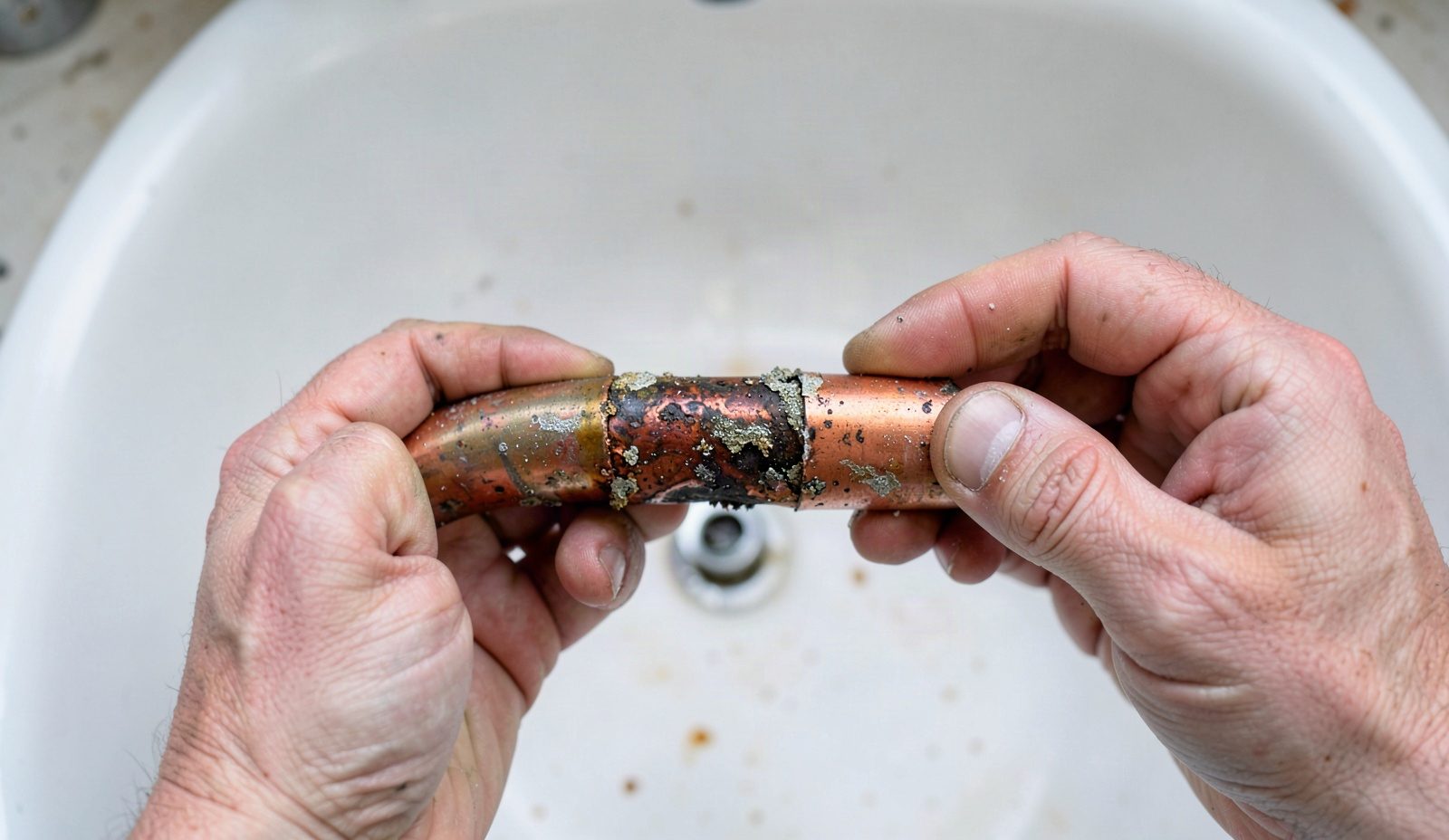
Every shower and tub call starts with a pressure reading. We thread a gauge onto an outdoor spigot and read static water pressure before touching a single valve. Anything above 80 psi puts stress on every washer, cartridge and slip joint in the house, and Section 604.8 of the International Plumbing Code requires a pressure-reducing valve once that reading is confirmed. A house running at 95 or 100 psi explains a shower valve that fails every two years no matter how many times it gets replaced, because supply pressure that high wears out any cartridge fast, regardless of brand or price.
Fort Worth water is moderately hard, and the scale it deposits inside a valve cartridge shows up as a chalky white ring around the moving parts when a technician pulls the trim plate. That buildup is why we check cartridge material before recommending a replacement brand. A Moen PosiTemp cartridge uses a broader ceramic disc and tolerates scale longer between services, while a Delta MultiChoice valve isolates the rough-in from the trim, letting a homeowner change finishes later without cutting into tile again. For a shower pan rebuild, we compare Schluter-Kerdi sheet membrane, which cures in about 24 hours at a fixed thickness you can verify with a straightedge, against a Redgard liquid-applied membrane, which needs two coats and a longer cure before a flood test but conforms better to odd-shaped niches.
On a new shower plumbing rough in, we set valve height and drain rough-in dimensions to the fixture manufacturer's template before a single pipe gets soldered or glued, because a half-inch error at rough-in means cutting finished tile later to fix it. Before any pan or floor goes down, the drain gets a flood test, water held at the weep holes for a measured period and checked for any drop in level, because a slow leak here shows up as a ceiling stain months after the tile is finished.
See apartment complex plumbing for how the related work is scoped and priced.
Your local utility, Payment options, publishes service and water-quality information every Fort Worth homeowner should know.
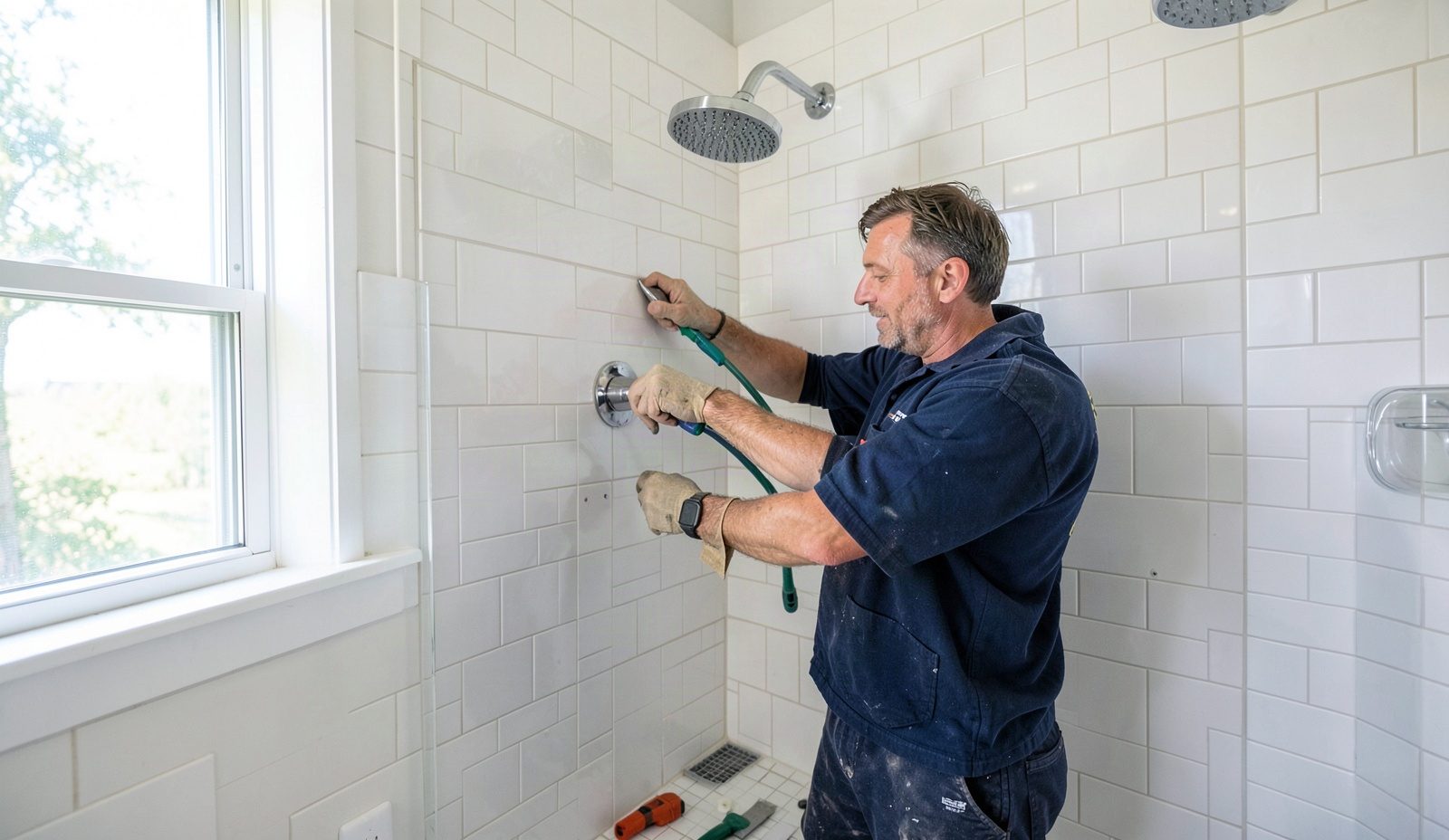
You call (817) 710-3766 and describe what you are seeing, a dripping valve, a slow drain, a stain on the ceiling. We schedule an arrival window and the technician checks the fixture on site: valve trim removed to inspect the cartridge, drain scoped or probed if it is backing up, and a pressure gauge threaded onto an outdoor spigot to read static water pressure. You see the actual reading on the gauge and the worn part in hand before any repair gets discussed, so the diagnosis comes from what the technician measures on site rather than a phone description.
Once you approve the written scope, we lay drop cloths and painter's tape before any cutting starts. Valve swaps, cartridge replacements, drain repairs and rough-in work proceed to the specifications in the quote, matching new fittings to existing pipe material, copper, galvanized or cast iron, rather than forcing a universal fitting that leaks later. If the wall opens and reveals a different condition than expected, we stop, show you what changed, and confirm the adjusted scope before continuing.
Before we consider the job finished, every repaired valve runs through a full hot and cold cycle checking for drips at the trim, and every drain gets a flood test with water held to check for leaks at the joints. We walk the bathroom with you, point out what was replaced and why, and leave the area vacuumed and wiped down. You get a copy of the scope of work for your records, useful if you sell the house or need it for insurance later.
Shower and tub work in Fort Worth falls under the City of Fort Worth plumbing code, based on the International Plumbing Code, and the line between a permit and a phone call matters more than most homeowners realize. A like-for-like valve or drain repair typically does not need a permit, but a full shower plumbing rough in, a wall relocation, or any work that changes drain line size is structural work that the City of Fort Worth Development Services Department will want to inspect. We pull permits when the scope calls for one instead of guessing.
Ridglea Hills and other neighborhoods built before 1970 across the metro were plumbed with galvanized steel supply lines and cast iron drains, both now at or past the end of their service lives. A technician unfamiliar with that housing stock opens a wall expecting copper and finds rusted steel threads that shear the moment a wrench touches them. We plan those jobs around galvanized fittings and cast iron hubs before the first cut, avoiding surprises once the wall is open.
An out-of-area crew that does not know Fort Worth's clay soil movement, its permit thresholds, or which neighborhoods still run galvanized pipe treats every job the same way, and that costs homeowners a second visit or a failed inspection. We check static water pressure, drain material, and slab condition before we quote a shower or tub job, because those three facts change the materials and the labor every time.
Our page on plumbing services covers that side of the work in more depth.
Permit and inspection questions? Development Services is the office we coordinate with on every permitted Fort Worth job.
Call (817) 710-3766 and we schedule a specific arrival window instead of an all-day wait. Most shower and tub calls get a same-day or next-day slot, and you get a call thirty minutes before the technician pulls up. If a job ahead of yours runs long, a leaking valve versus a simple washer swap for example, we call and reset the window rather than leaving you guessing. A shower valve that will not shut off gets bumped ahead of routine repairs the same day you call, because a running valve wastes water and pressure on every other fixture until it stops.
Every job starts with a drop cloth from the bathroom door to the tub and painter's tape on any tile edge near the work. Tools stay on a mat, not the floor, and any drywall or tile cut gets bagged before it hits the ground. Cast iron and old galvanized pipe come out heavy and rusty, so we haul it straight to the truck instead of stacking it in the yard. When the work is done, we run a shop vac over the work area and wipe down every surface we touched, leaving the bathroom clean and ready to use.
The price on a shower or tub job moves with four things: how much of the valve or drain is original versus already modified, how the wall opens since drywall cuts clean but tile does not, whether the drain material is copper, galvanized or cast iron, and whether the job is a repair, a shower installation, or a full shower plumbing rough in. We write the scope and the price before any cutting starts, and you approve it before a single tool touches tile. If the wall opens and the scope changes, we stop and confirm before continuing.
Every technician working on shower and tub plumbing passes a background check before the first solo call and sits through ongoing training tied to the current plumbing code cycle. New hires ride with a senior technician on rough-in and valve jobs until they can identify pipe material, read a pressure gauge correctly, and set a flood test without supervision. We check that competence on real jobs, not a written test in an office, before anyone works a shower or tub call alone.
Shower plumbing cost depends on scope, not a flat number, ranging from a simple cartridge swap to a full rough-in. Repairs that stay behind the existing valve trim cost far less than jobs that require opening tile or moving a drain line. Pipe material matters too, copper repairs go faster than working around galvanized steel or cast iron. Call (817) 710-3766 and a technician will give you a written price after checking the valve, the drain, and the wall access, before anything gets cut.
Replacing a tub and shower combo costs more than a valve repair because it involves demolition, new rough-in plumbing, and finish work. The price swings on whether the drain and supply lines move, whether framing behind the old unit needs repair, and whether the new unit is a one-piece surround or a tiled shower plumbing rough in. A technician measures the existing rough-in dimensions on site before quoting, since a mismatch there adds labor fast.
Repair is usually cheaper if the valve body, drain line and surrounding wall are sound. Replacement becomes the better value once a cartridge or drain has failed more than once, or once the pipe behind the wall is galvanized steel or cast iron nearing the end of its service life, common in homes built before 1970 across the metro. A technician checks pipe material and valve condition before recommending either path.
Simple parts, a showerhead or a trip lever, are reasonable for a homeowner to swap. Valve replacement, drain repair behind a tub, and any shower plumbing rough in involve soldered or glued joints hidden inside a wall, where a mistake shows up as a leak months later inside framing you cannot see. Cutting into a wall or moving a drain line can also cross into work that may require a permit from the city, which a homeowner project can miss.
Shield Plumbing Fort Worth stands out because technicians carry fittings for copper, galvanized and cast iron on the same truck, so a rough-in surprise inside an older wall does not turn into a second appointment. Every quote lists the exact parts and labor covered, and a technician answers questions about the code or the material before you approve anything. That combination of local pipe knowledge and same-visit readiness is why Fort Worth homeowners call Shield first for shower and tub work.
A cartridge or valve swap usually takes under two hours once the technician is on site. A drain repair runs longer if the clog or corrosion sits deep in the wall, and a full shower plumbing rough in or tub-to-shower conversion takes multiple days across demolition, rough-in, inspection where required, and finish work. The written quote states the expected timeframe for your specific job before work begins.
Shower and tub plumbing in Fort Worth answers to conditions most other metros do not deal with together. The February 2021 freeze burst pipes across Tarrant County by the tens of thousands, and most of those failures were supply lines run through attics and exterior walls, exactly where a shower valve gets its water. Homes in Wedgwood and near the Cultural District with attic-run plumbing carry that exposure every winter, which is why we route replacement lines through interior walls when a valve rebuild gives us the chance. That single winter changed how we spec pipe insulation and shutoff placement on every rough-in we plan today, freeze exposure now gets checked before we ever discuss finish or fixtures.
Permitted work on a Fort Worth shower or tub gets inspected against the same code every other job in the city answers to, so a rough-in that passes inspection today still meets the standard if you sell the house in ten years. Homeowners in the Near Southside, where older bungalows sit next to new infill construction, ask about permits more than most because appraisers and inspectors already know which streets carry galvanized pipe and which have been re-plumbed. That local track record, knowing which blocks still run original plumbing and which do not, comes from doing the work here repeatedly rather than from a manual.
Explore our service area and locate Shield Plumbing Fort Worth with ease. We're proudly local and serve the surrounding neighborhoods with fast response and honest pricing. Use the map to check our coverage area, or call us and we'll confirm in seconds.
Address:
Shield Plumbing Fort Worth, 210 W 7th St, Fort Worth, TX 76102
5 Signs Your Ridglea Hills Home Has a Slab Leak, practical local guidance from Shield Plumbing Fort Worth, Fort Worth's trusted plumbing tea…
Read More
What Wedgwood Residents Should Know Before a Whole-Home Repipe, practical local guidance from Shield Plumbing Fort Worth, Fort Worth's trust…
Read More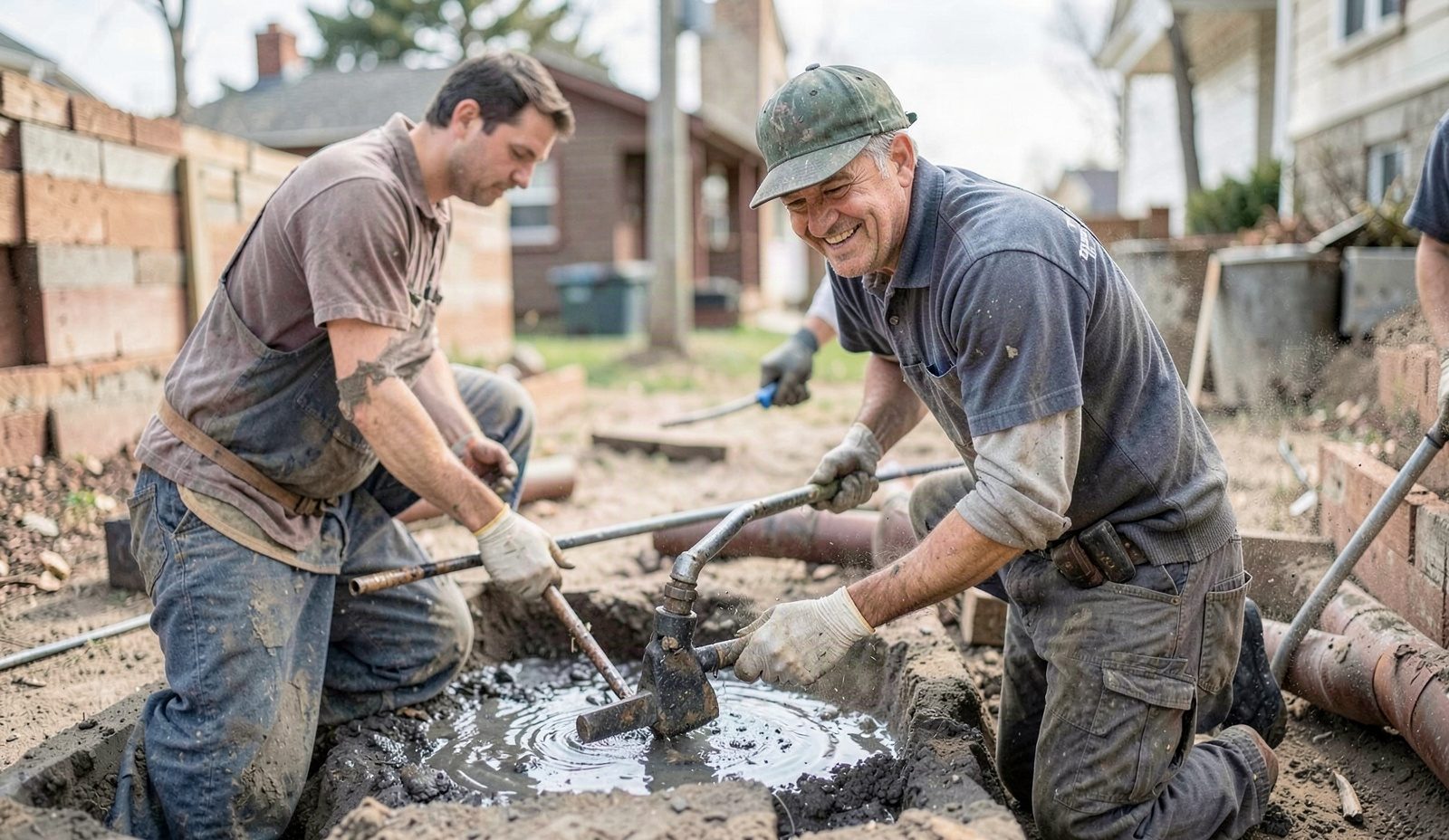
How Fort Worth's Hard Water Is Quietly Destroying Your Water Heater, practical local guidance from Shield Plumbing Fort Worth, Fort Worth's …
Read More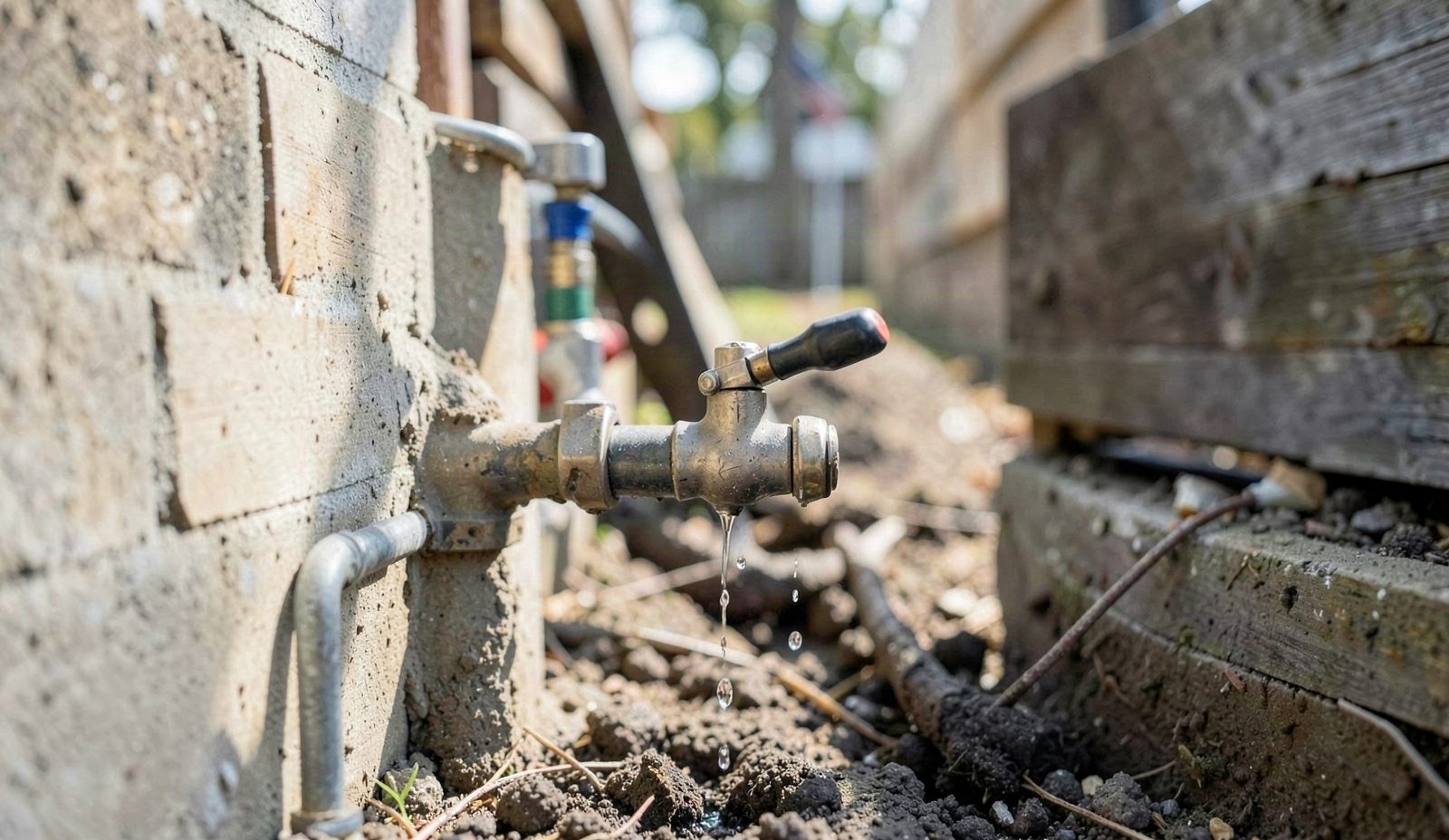
The Hidden Cost of Ignoring a Dripping Faucet in Fort Worth, practical local guidance from Shield Plumbing Fort Worth, Fort Worth's trusted …
Read More