
June 20, 2026
5 Signs Your Ridglea Hills Home Has a Slab Leak
5 Signs Your Ridglea Hills Home Has a Slab Leak, practical local guidance from Shield Plumbing Fort Worth, Fort Worth's trusted plumbing tea…
Read More




A running toilet announces itself before you see the water bill. The fill valve hisses between flushes, the tank refills on its own every few minutes with nobody touching the handle, and the water meter dial keeps spinning long after the house goes quiet. That's not a minor annoyance. A worn flapper or a fill valve stuck open can waste enough water in a month to justify a running toilet fix on its own, before anything else goes wrong.
Clogged toilet repair calls come with their own signature. Water rises slower than it should, a gurgle comes from the tub drain when the toilet flushes, and a faint sewer smell hangs near the base even when the bowl looks clean. Older low-flow toilets from the 1990s water-saving push often can't clear waste in one pass, and tree roots working into aging clay or cast iron branch lines under the yard back things up further down the line, not just at the fixture.
A toilet that rocks when you sit down usually means the wax ring under it has already failed, and water has been seeping into the subfloor with every flush. In neighborhoods like Wedgwood and the Near Southside, where homes sit on foundations poured over expansive clay, that wobble often has a second cause: the clay swells with rain and shrinks in drought, moving the slab enough to shift the closet flange out of level and crack the seal a toilet flange repair would otherwise have caught early.
None of these symptoms stay small. A leaking wax ring rots plywood subfloor in a matter of weeks, and rotted subfloor spreads to the joists below it. A running toilet that goes unaddressed for a billing cycle or two turns a five-minute flapper swap into a full toilet replacement once the fill valve assembly fails outright. Waiting rarely saves money. It just moves the job from a repair ticket to a rebuild.
See commercial toilet & urinal repair for how the related work is scoped and priced.
Permit and inspection questions? Development Services is the office we coordinate with on every permitted Fort Worth job.
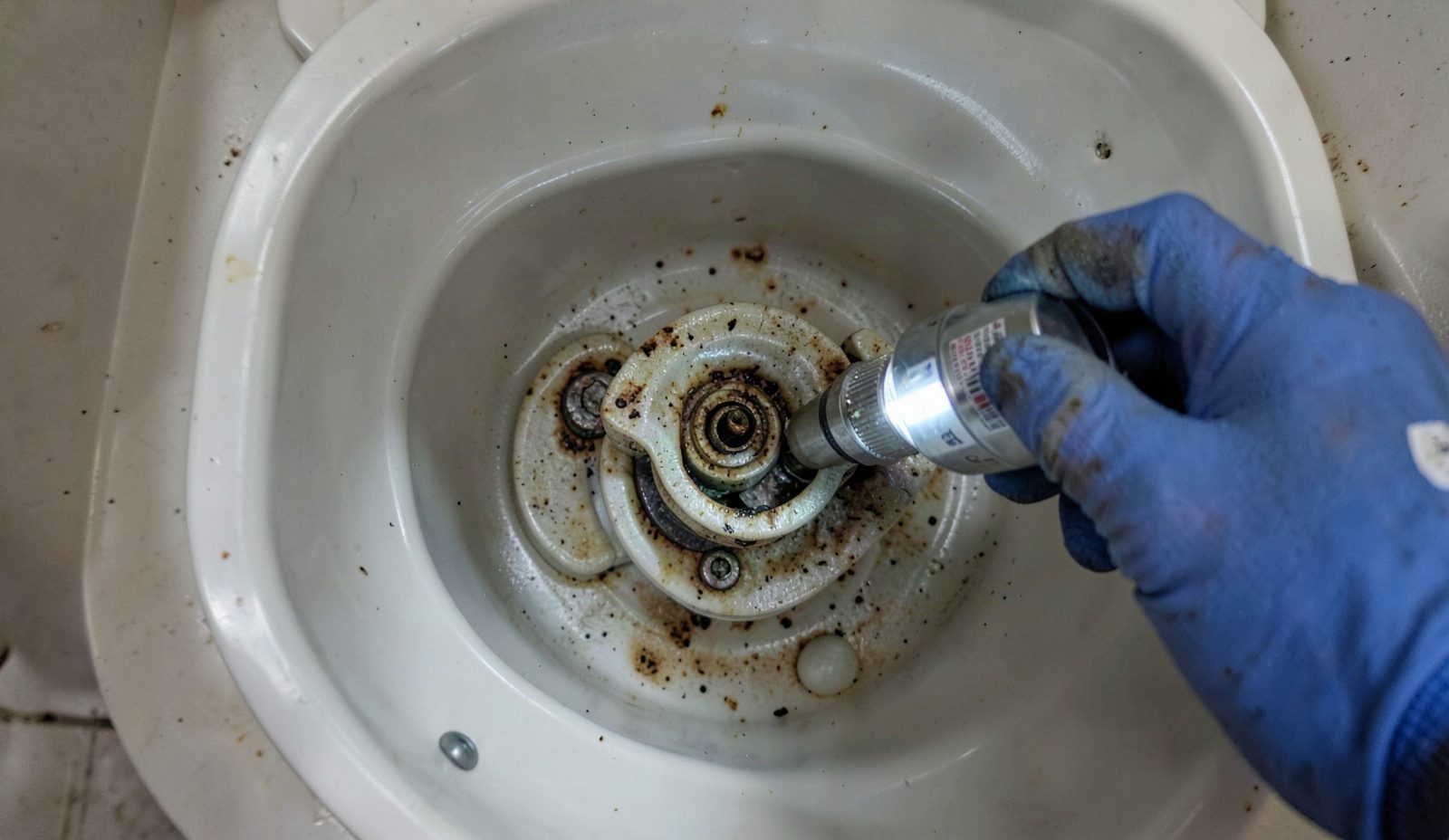
Every call starts with the tank, not the bowl. We drop a dye tablet into the tank water and watch the bowl for ten minutes. Color showing up in the bowl confirms a flapper leak instead of a guess. We check the fill valve's shutoff level against the overflow tube mark stamped on the tank, and we read static water pressure at an outdoor spigot with a gauge. A reading above 80 psi triggers a pressure-reducing valve recommendation under Section 604.8 of the International Plumbing Code, because pressure that high batters fill valve seats and shortens flapper life long before either part should fail.
Flange work gets its own protocol. We set a torpedo level across the bowl base and measure flange height against the finished floor with a tape, looking for flush to roughly a quarter inch above tile, the tolerance most manufacturers spec. Wax rings hold that tolerance but fail fast outside it, while a wax-free rubber gasket, Fluidmaster's Better Than Wax line among them, flexes across closer to an inch of variance, which matters on the uneven subfloors common in Fort Worth's older additions. Fort Worth's moderately hard water compounds the problem on the fill valve side too: mineral scale builds on washers and flush valve seals faster here than in soft-water markets, which is why a fill valve that looks fine on a shelf can start hissing again within a year of a rushed install.
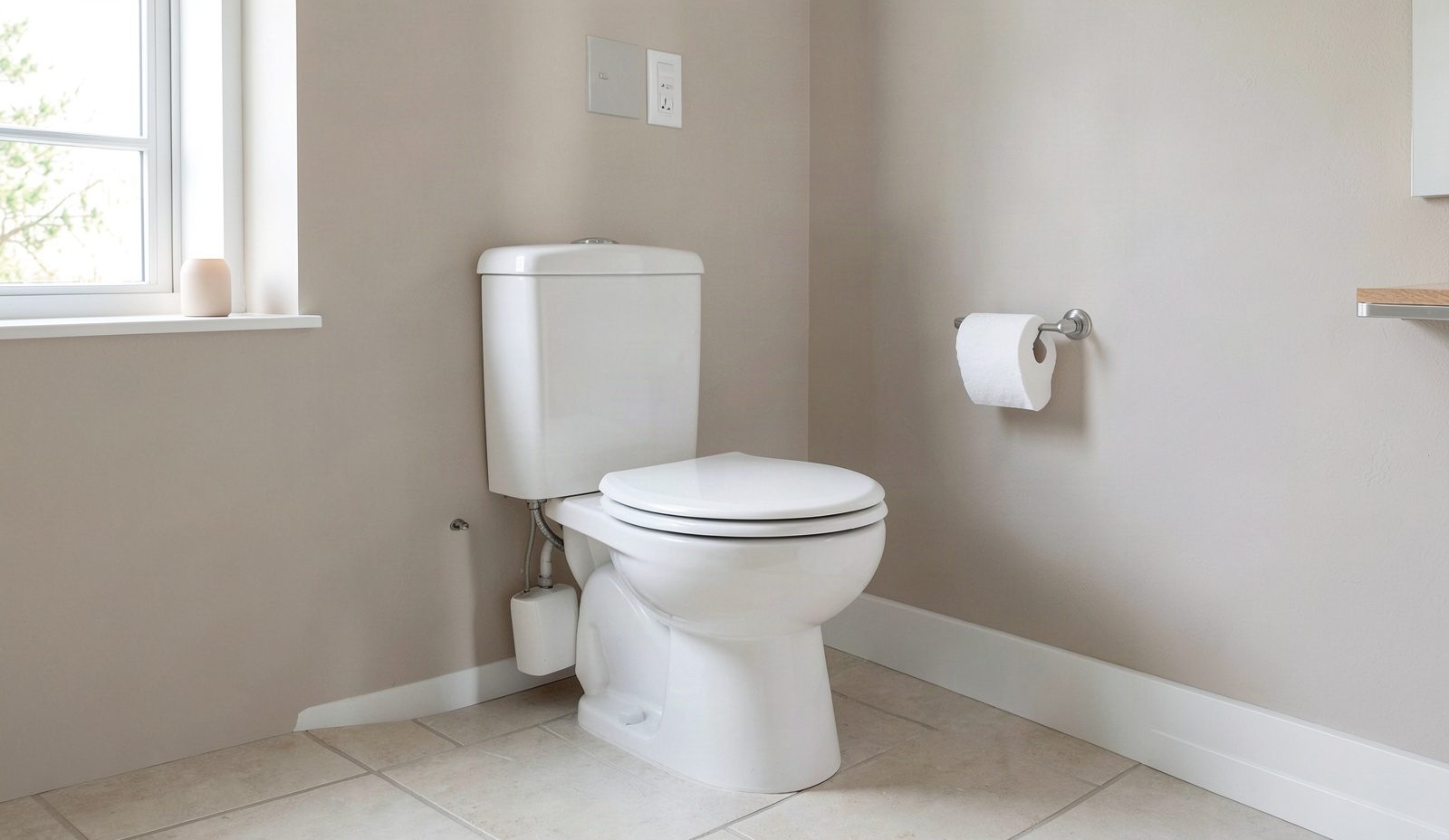
New toilet installation and toilet replacement come down to two measurements before any brand gets discussed: rough-in distance from the wall to the center of the flange bolts, almost always 12 inches on North Texas homes, and bowl height. Past that, the choice is a real comparison. American Standard's Cadet 3 and Kohler's Highline both post strong MaP flush scores at a 1.28 gallon-per-flush rate, while TOTO's Drake uses a different trapway geometry that clears bulk waste in fewer flushes but costs more upfront. We measure first, then walk you through which platform fits your rough-in and your water use before ordering anything.
More detail on gurgling toilet sounds is on its own page.
Our technicians follow the workmanship standards promoted by the Plumbing-Heating-Cooling Contractors Association.
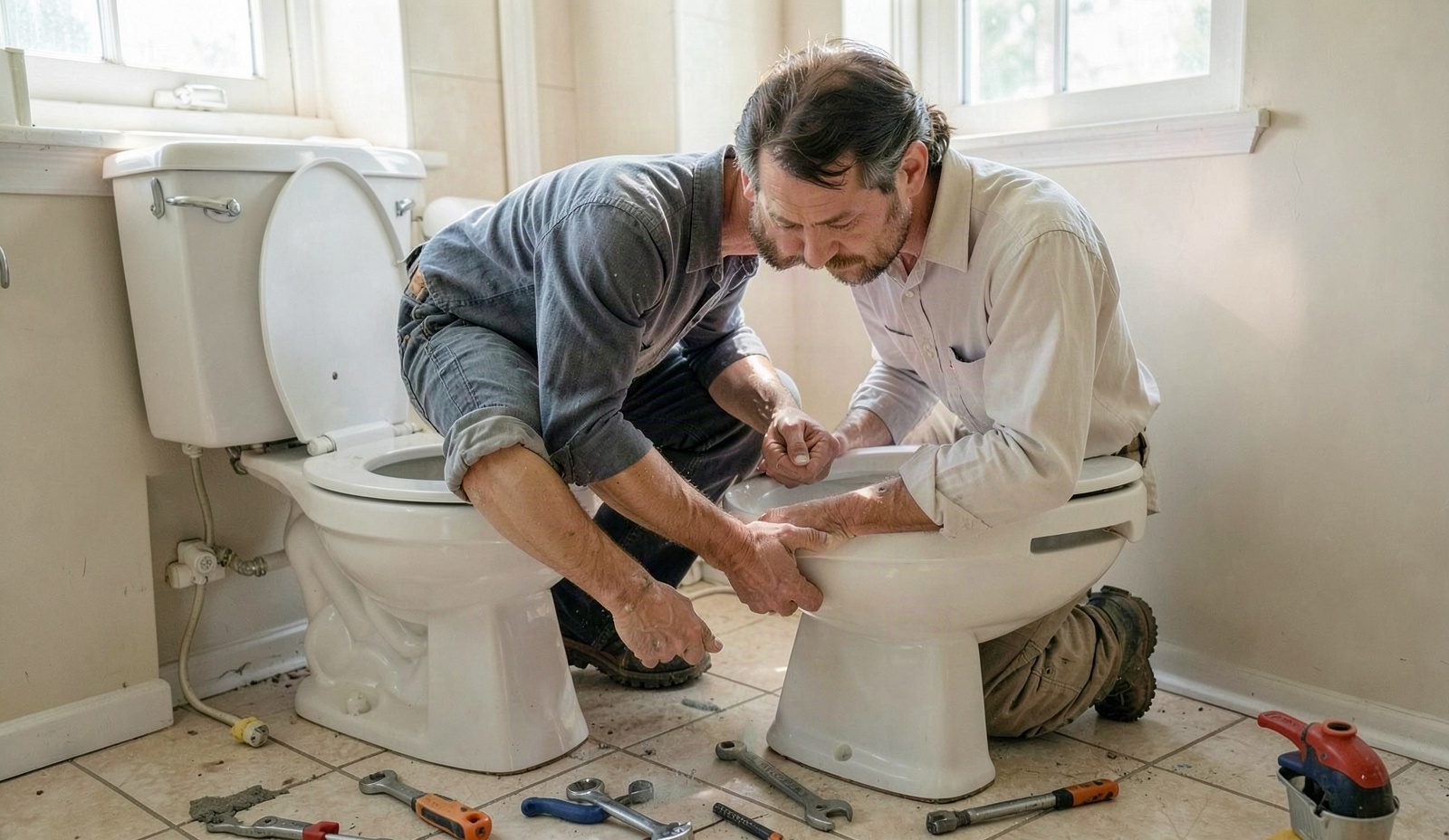
You call (817) 710-3766 and describe what you're seeing: running, rocking, slow drain, or a fixture you want replaced. A technician arrives in the scheduled window and starts with the tank, checking the flapper seat, fill valve level, and, on rocking or leaking bowls, the flange height and subfloor condition underneath. You watch the checks happen. The technician points out exactly what's failing, whether that's a fifteen-minute flapper swap or a flange that needs the bowl pulled to see the wax ring underneath.
Once the diagnosis is clear, you get a written scope before any part gets ordered or cut. On a repair, that might mean a new flapper, fill valve, or wax-free gasket. On a replacement, it means confirming rough-in and bowl height against the toilet you've chosen, protecting the floor, shutting the supply valve, and setting the new flange or extender square before the bowl goes back down. Nothing proceeds past the diagnosis stage without your approval on the scope and the parts involved.
Before the technician packs up, the toilet gets flushed several times and the base is checked with a level and a hand press for any rock. The supply line connection gets checked for weeping under pressure, and the fill valve shutoff level is confirmed against the overflow mark. You get a short walkthrough of what was replaced and why, plus straightforward guidance on anything to watch, like a new flapper needing a short break-in flush cycle before it seats fully.
Toilet work in Fort Worth falls under the City of Fort Worth plumbing code, built on the International Plumbing Code framework. A straight, like-for-like toilet swap on the same flange usually doesn't need a permit. Moving a drain line, relocating a flange, or altering the waste stack is structural work, and that triggers a permit through the City of Fort Worth Development Services Department. We tell you which category your job falls into before work starts, not after an inspector asks questions at resale.
Housing stock changes the job more than most homeowners expect. Pre-1970 neighborhoods across the metro were plumbed with galvanized steel supply lines and cast iron drains, and both are now at or past the end of their rated service life. A closet flange bolted into a corroded cast iron hub doesn't behave like one set into modern PVC. Over-torque it and the hub cracks instead of sealing. A shutoff valve that hasn't turned in twenty years can shear off in your hand if forced instead of soaked and worked loose first. This is the kind of failure we see from crews unfamiliar with the metro's older plumbing runs, and it's the difference between a contained repair and an emergency call.
Every truck carries flange extender kits, both wax and wax-free sealing options, and a stock of common rough-in configurations, because a technician who has to leave for parts on an older Fort Worth flange costs you a second visit. Familiarity with what's actually installed under this city's floors is what keeps a toilet job a toilet job.
Our page on overflowing toilet repair covers that side of the work in more depth.
You call (817) 710-3766 and get a scheduling window, not a vague "sometime today." Most toilet repair and installation calls in Fort Worth get booked within the same week, often sooner for a running toilet wasting water by the hour. The technician calls or texts thirty minutes out so you're not waiting by the door. If parts on an older flange configuration need a supply run, we tell you before we leave, not after you've rearranged your afternoon twice. Scheduling shifts happen occasionally with traffic or an earlier job running long, and we call ahead the moment we know, not after the window closes.
We lay down a drop cloth and shoe covers before touching the bowl, because wax ring removal is messy by nature. The old wax ring, any rotted subfloor material, and packaging from a new toilet all leave in a trash bag, not on your curb. Bathroom floors get wiped down after the flange is set and the new bowl is bolted, so there's no grit left from cutting a flange extender or scoring old caulk. When we walk out, the bathroom looks like the only thing that changed is the toilet itself, and nothing else in the room shows we were there.
Scope drives the number more than the fixture does. A flapper swap or wax ring reseat costs less than a flange repair that requires cutting into subfloor, and both cost less than a full replacement on a broken cast iron hub. Access matters too: a toilet in a tight half bath takes longer to pull and reset than one with clearance on both sides. The technician diagnoses the issue on site, explains what's driving the scope, and writes up the work before touching anything further. You approve it before the wrench comes back out, and nothing gets added without a conversation first.
Every technician passes a background check before being assigned a route in Fort Worth. New hires shadow on flange repairs, wax ring resets, and full installs before working a call solo, and we run periodic field checks where a senior technician reviews a completed job against the current plumbing code cycle. That means the person at your door has been checked on the exact tasks toilet repair and installation require, not just handed a truck and a schedule. Continuing training happens whenever the locally adopted code updates a requirement, so field practice doesn't lag behind what the city expects.
Installation pricing depends on the toilet's rough-in match, whether the existing flange is sound, and how much floor protection or old-material removal the job needs. A straightforward swap onto a healthy flange runs less than an install where the flange needs an extender or repair. Fort Worth's older homes, with cast iron hubs and shifted flanges from clay soil movement, often add scope a newer subdivision install wouldn't need. Shield Plumbing writes the scope out after the on-site diagnosis, before ordering parts, so you see what's driving the number.
Repair cost depends on which part failed and how the failure damaged anything around it. A flapper or fill valve swap is minor work. A flange repair that requires pulling the bowl and checking subfloor condition underneath costs more because of the labor and materials involved, not because the part itself is expensive. Fort Worth's clay soil can shift a flange out of level even on a well-maintained bathroom, which sometimes turns what looked like a simple wobble into a flange-level repair once the bowl comes off.
Full replacement cost depends on the toilet model chosen, the rough-in and bowl height match, and the condition of the flange and shutoff valve being reused. A basic swap onto a good flange with a working shutoff is the lower end of the scope. A replacement that also needs a new shutoff valve, a flange extender, or subfloor repair from a failed wax ring adds labor and materials. Shield Plumbing measures rough-in and checks the flange first, then quotes the actual scope rather than a flat number that ignores what's under the old bowl.
Estimates start with an on-site diagnosis, since flange condition, subfloor damage, and water pressure all change the scope in ways a phone description can't capture. A technician checks the tank components, the flange height with a torpedo level, and the shutoff valve condition, then writes a scope covering exactly what needs repair or replacement. You review and approve that scope before any part is ordered or any work begins. Call (817) 710-3766 to schedule the diagnostic visit that starts this process.
Dumpster rental pricing in Fort Worth depends on container size, rental length, and the hauler you choose, so the cheapest option varies by project. Get quotes from a few local roll-off companies and confirm what's included in the weight limit before you commit. This falls outside plumbing work, so Shield Plumbing Fort Worth can't rent one for you, but we're happy to point you toward the question to ask.
Cost depends on pipe diameter, total run length, number of access points and how much grease or scale coats the pipe wall. A single restroom branch line runs less than a full main line with root intrusion needing multiple passes. Buildings with rougher-interior pipe, whether from age or heavy grease history, often need more time per pass than smooth PVC. Call for a camera-assessed quote specific to your line rather than a flat number, since two buildings with the same pipe diameter can need very different amounts of work.
Toilet supply lines and shutoff valves in Fort Worth take more abuse than the fixtures they feed. The February 2021 freeze burst pipes across Tarrant County by the tens of thousands, and most failures traced back to supply lines run through attics and exterior walls, the same feed lines that run down to a toilet's shutoff valve. A valve that survived that freeze without failing outright may still be brittle, and forcing it during a routine toilet swap can shear the stem instead of shutting off cleanly. In neighborhoods like Fairmount and Arlington Heights, where original plumbing runs are decades old, we test the shutoff before relying on it, not after water is already spraying the cabinet below.
Permit requirements hinge on whether the job changes the plumbing's footprint, not just the fixture on top of it. A toilet swapped onto its existing flange is routine maintenance in most cases. Relocating a flange, cutting into a slab, or altering drain routing crosses into work that needs a permit and an inspection before it's closed up. Homes in the Ridglea Hills and Cultural District areas mix original 1950s bathrooms with later additions, so the same house can have both permitted and non-permitted plumbing histories layered on top of each other. Knowing which category a given job falls into, and documenting it correctly, protects you at resale and keeps the work defensible if a future buyer's inspector asks questions.
Explore our service area and locate Shield Plumbing Fort Worth with ease. We're proudly local and serve the surrounding neighborhoods with fast response and honest pricing. Use the map to check our coverage area, or call us and we'll confirm in seconds.
Address:
Shield Plumbing Fort Worth, 210 W 7th St, Fort Worth, TX 76102
5 Signs Your Ridglea Hills Home Has a Slab Leak, practical local guidance from Shield Plumbing Fort Worth, Fort Worth's trusted plumbing tea…
Read More
What Wedgwood Residents Should Know Before a Whole-Home Repipe, practical local guidance from Shield Plumbing Fort Worth, Fort Worth's trust…
Read More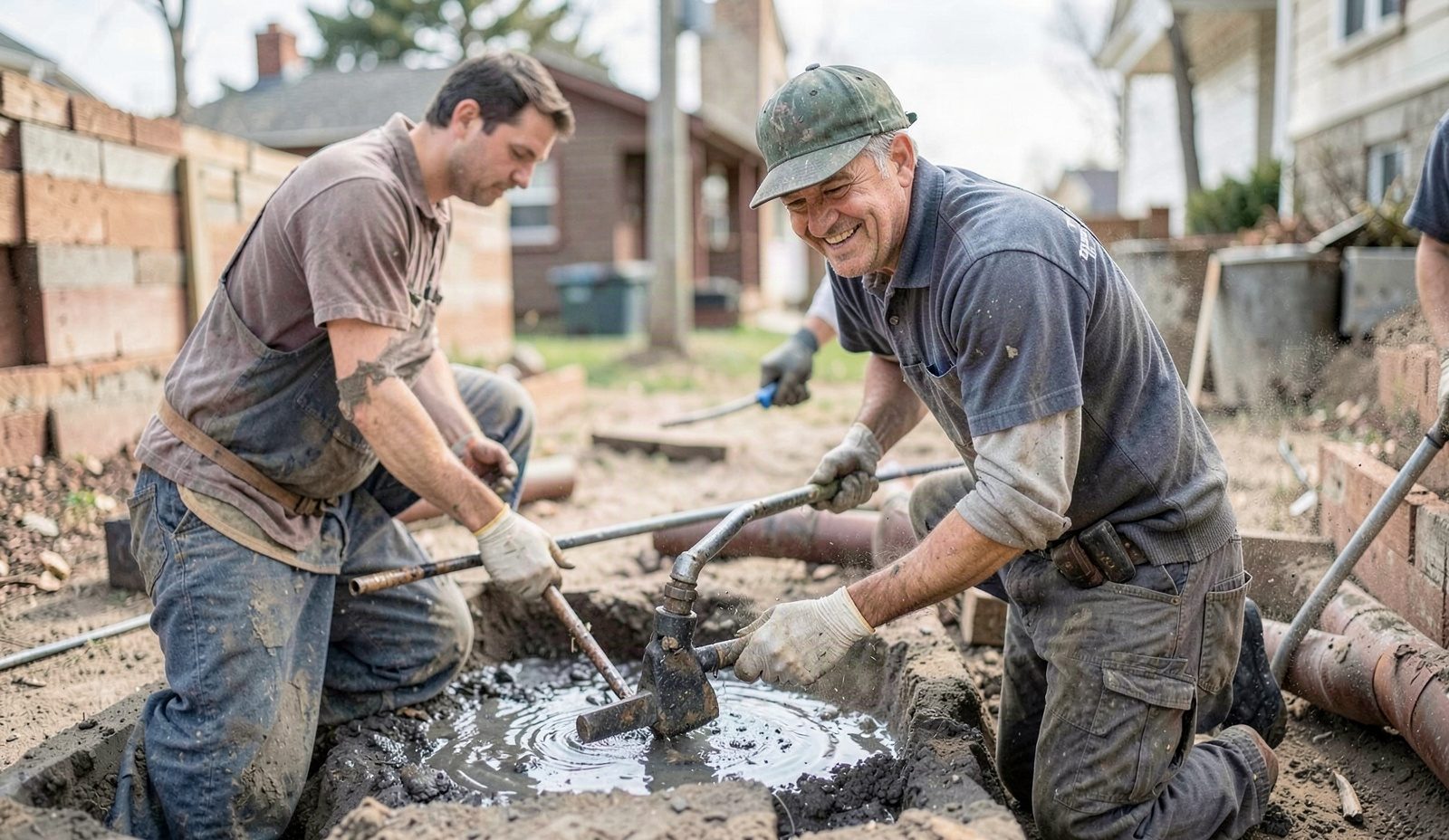
How Fort Worth's Hard Water Is Quietly Destroying Your Water Heater, practical local guidance from Shield Plumbing Fort Worth, Fort Worth's …
Read More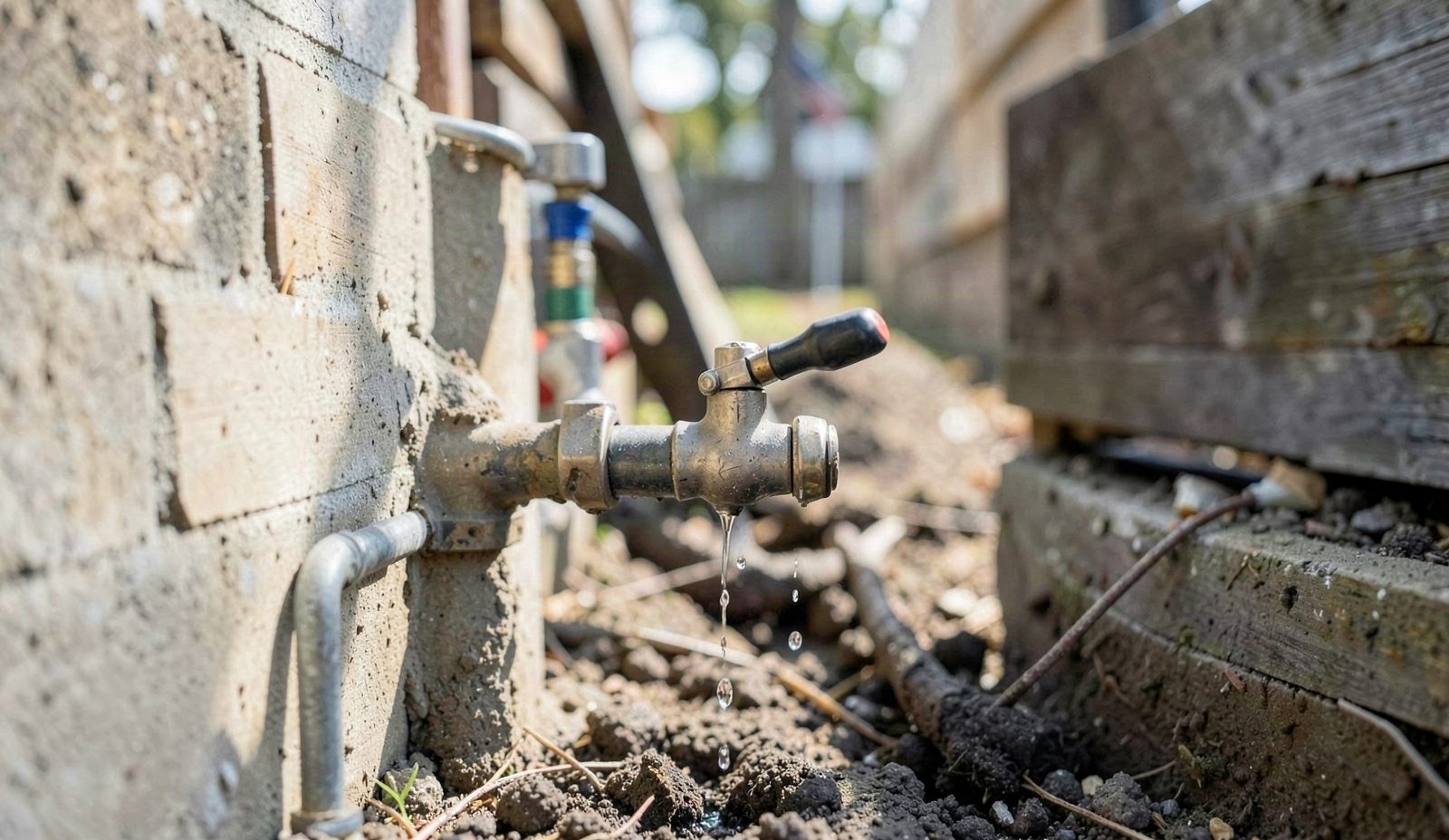
The Hidden Cost of Ignoring a Dripping Faucet in Fort Worth, practical local guidance from Shield Plumbing Fort Worth, Fort Worth's trusted …
Read More