
June 20, 2026
5 Signs Your Ridglea Hills Home Has a Slab Leak
5 Signs Your Ridglea Hills Home Has a Slab Leak, practical local guidance from Shield Plumbing Fort Worth, Fort Worth's trusted plumbing tea…
Read More




If your toilet is overflowing right now, work through this sequence first. Shut off the water at the supply valve behind the toilet. Turn it clockwise until it stops moving. Lay towels or a trash can under the tank to catch what's left in the line. Keep kids and pets out of the bathroom until the floor dries completely. Photograph the water line on the baseboard before you mop, for the insurance file.
A toilet flooding bathroom announces itself before the bowl crests the rim. You hear the tank refill again and again, a toilet that won't stop running because the fill valve never seats. You see the water climb past the normal line inside the bowl instead of dropping after the flush, which means the trapway below is partly blocked. You smell it too, standing water pulled back up from the drain line carries a flat, sour odor that fresh tap water never has. Any of these three signs means you are looking at a toilet overflowing emergency that needs attention today.
Fort Worth's expansive clay is the reason so many of these calls come from older homes in Fairmount and Wedgwood. The clay swells when it rains and shrinks hard in a Texas drought, and that movement shifts the slab enough to shear copper supply lines and separate drain joints running under the house. When a drain joint separates even a quarter inch, waste water backs up through the closest exit instead of the sewer, and for most houses that exit is the toilet on the slab. A cracked wax ring or a rocking closet flange from that same slab movement is the most common overflow toilet fix we find once we pull the toilet off the floor.
Waiting on an overflowing toilet costs more than the water on the tile. Subfloor plywood under a toilet swells and delaminates within a day of standing water, and that swelling telegraphs through vinyl or tile as a soft spot months later. If the bathroom sits above a den or garage, water finds the ceiling drywall below within hours and leaves a brown ring that spreads every time it rains again. Left long enough, the moisture feeds mold behind the baseboard, and what started as a same-day emergency toilet repair turns into a flooring and drywall replacement job.
Your local utility, Payment options, publishes service and water-quality information every Fort Worth homeowner should know.
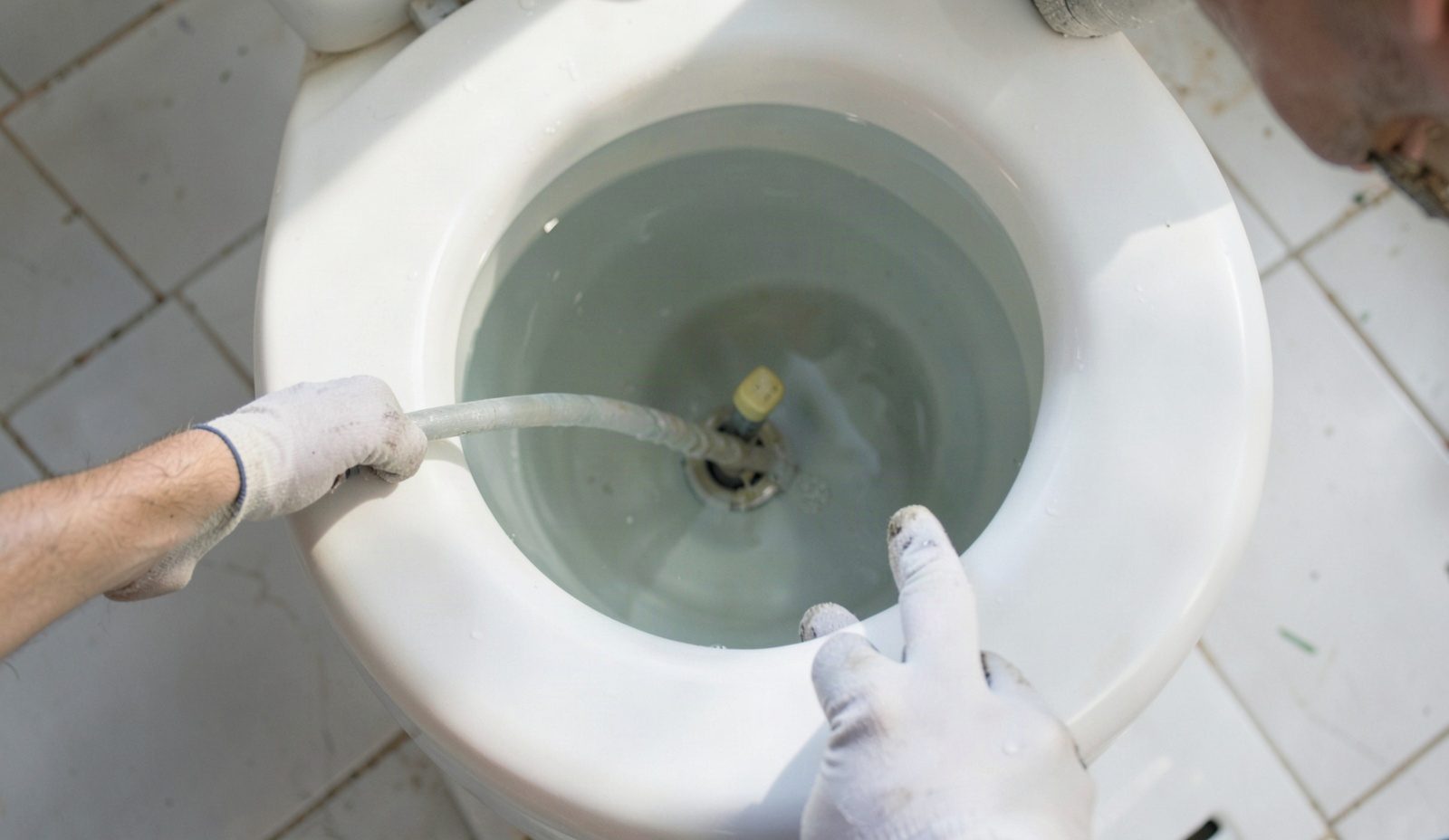
We treat every overflow call as a system problem instead of a single broken part. On arrival, the technician checks three points in order: the supply pressure feeding the fill valve, the fill valve and flapper assembly inside the tank, and the trapway and drain line below the bowl. Static water pressure gets read at an outdoor spigot with a gauge threaded onto the bib. A reading above 80 psi means the fill valve is slamming shut and reopening under stress every cycle, which is why the tank refills in bursts instead of one smooth fill, and it triggers a pressure-reducing valve install under Section 604.8 of the International Plumbing Code. Below that threshold, the fault sits inside the tank or the trapway rather than the supply line.
Inside the tank, we compare what's installed against two standards. A Fluidmaster 400A fill valve uses a float cup that rides the water level and shuts off within about a half inch of the overflow tube. A Korky QuietFILL uses a similar cup design but ships with a wider shutoff range that tolerates the pressure swings common in older Fort Worth lines. Either brand outperforms the ballcock-style valves still running in pre-1990 tanks, which stick open when the rubber seat swells and send water straight down the overflow tube until the toilet floods the floor. On the drain side, a 3-foot closet auger clears a paper ring sitting in the trapway in one pass, while a stoppage that won't clear past 3 feet points to a partial block further down the branch line, which changes the job from a five-minute fix to a drain-clearing call.
What decides repair versus reset comes down to what the tools show. A dye tablet dropped in the tank and left for ten minutes reveals a slow leak past the flapper if color shows up in the bowl, and that calls for a flapper swap. A level set on the tank lid that shows the toilet rocking more than an eighth of an inch front to back means the wax ring is compromised and the toilet needs to come off the floor for a flange inspection. If the flange itself sits below the finished floor by more than a quarter inch, a flange extender goes in before the new wax ring, because a low flange is what lets sewage push back up around the base during every heavy flush.
If this sounds close but not quite your situation, commercial toilet & urinal repair may be the better starting point.
The U.S. Department of Energy's water heating guide is a solid primer on operating costs if you want to dig into the numbers yourself.
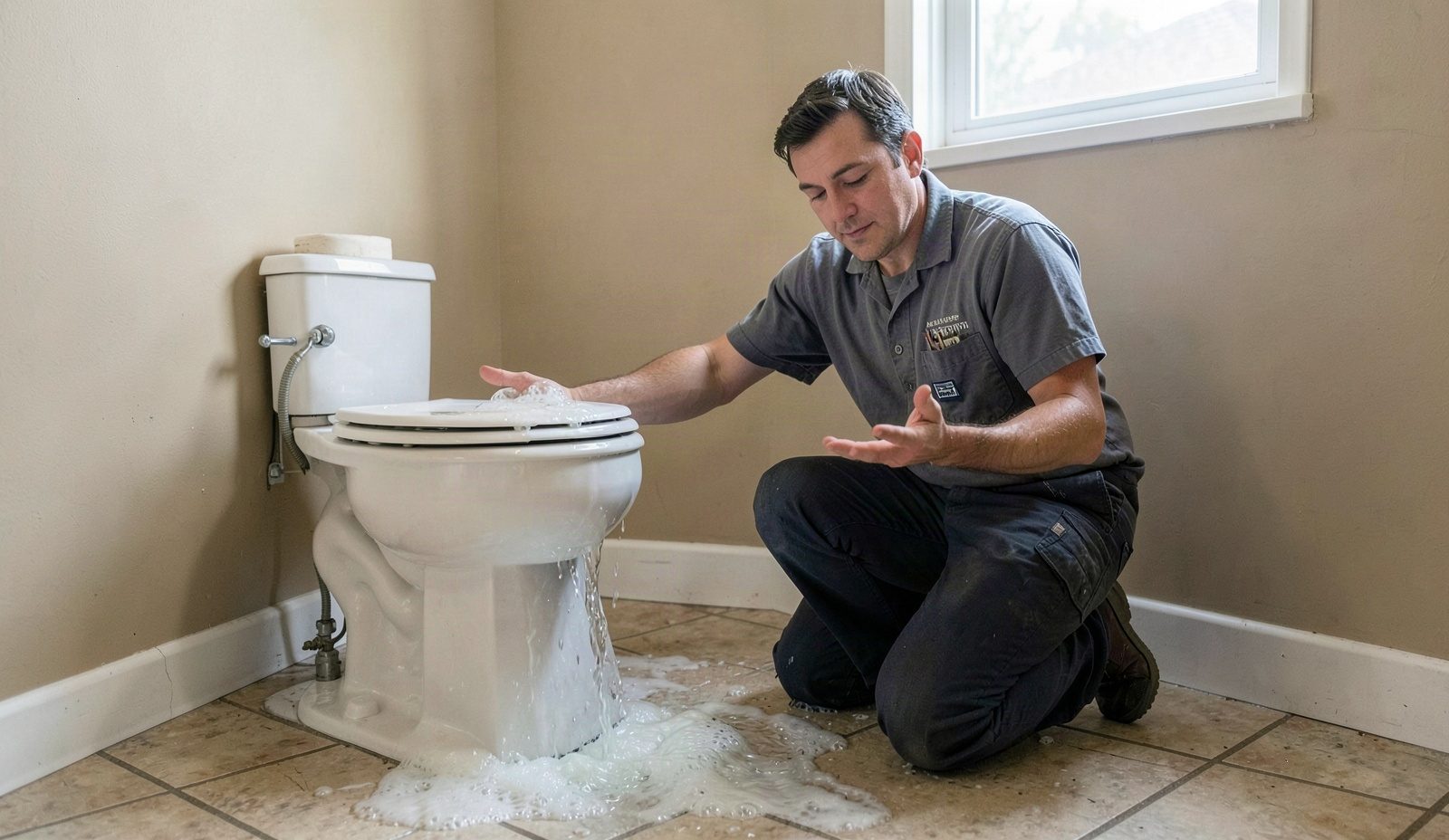
You call (817) 710-3766 and describe what you're seeing, a running toilet, rising water, or a backing-up drain, so dispatch sends a technician set up for that specific fault. On arrival, the technician confirms the shutoff valve is fully closed, checks the floor and subfloor extent of the water, and opens the tank lid to look at the fill valve, flapper, and overflow tube before touching anything else. You get a plain description of what's wrong, in the bowl or below it, and what needs checking next, a pressure reading, a dye test, or pulling the toilet, before any tool comes out.
Once the diagnosis is confirmed, the technician writes the scope on a work order, tank rebuild, wax ring reset, or drain clearing, and you approve it before parts get touched. A drop cloth goes down first, then the technician shuts off and drains the tank, disconnects the supply line, and either rebuilds the fill and flush assembly or lifts the toilet off the flange for inspection. Any change found mid-repair, a cracked flange or a second block further down the line, gets flagged and priced separately before the technician continues, so the scope you approved stays the scope you pay for.
Before the technician packs up, the toilet gets flushed at full volume three times in a row to confirm the tank refills at the right level, the flapper seats fully, and no water seeps at the base where it meets the floor. The technician checks around the base with a flashlight for dampness working up through the caulk line, and runs a hand along the supply line connection to check for weeping under pressure. You get a short walkthrough of what was replaced and why, plus a copy of the work order for your records, before the technician leaves.
Every toilet reset or supply line repair we perform follows the City of Fort Worth plumbing code, based on the International Plumbing Code adopted locally. That matters most on full toilet replacements and any work that touches the drain stack, both of which typically call for a permit before the work starts, while a like-for-like flapper or fill valve swap usually does not. A technician who doesn't know that line gets it wrong in both directions, skipping a permit a homeowner needs on record for insurance, or pulling one on a five-minute part swap and charging for the delay.
Homes in the Near Southside and the Cultural District split into two eras, and both change the repair. Bungalows built before 1970 often still run cast iron drain stacks and galvanized steel supply lines, both now past the end of their service life, so a toilet backup in one of these houses is as likely to be a corroded stack losing diameter as it is a bad flapper. Newer infill construction on the same blocks runs PVC and PEX, where the failure points sit almost entirely inside the tank.
An out-of-area crew unfamiliar with these two housing eras tends to default to one fix for every job, replacing a fill valve on a house with a collapsing cast iron stack, which means the overflow returns within weeks. Our technicians read a house's era off its plumbing before the truck leaves, so the diagnosis starts closer to the actual cause instead of the most common one. That local knowledge also keeps the paperwork straight when a homeowner needs proof of code-compliant work for a lender or an insurance adjuster after a flood claim.
See gurgling toilet sounds for how the related work is scoped and priced.
Permit and inspection questions? Development Services is the office we coordinate with on every permitted Fort Worth job.
Call (817) 710-3766 and you'll speak with a person, not a queue, day or night. Overflow calls get pulled ahead of routine work, and dispatch gives you a two-hour arrival window instead of an all-day guess. If the technician is running behind on a job that turned into a bigger repair, you get a call with an updated arrival time before the window closes. Weekend and after-midnight calls run on the same response standard as a Tuesday afternoon, because a bathroom overflow doesn't wait for business hours. You get a text confirmation once a technician is dispatched, so you know a truck is moving before you hear a knock.
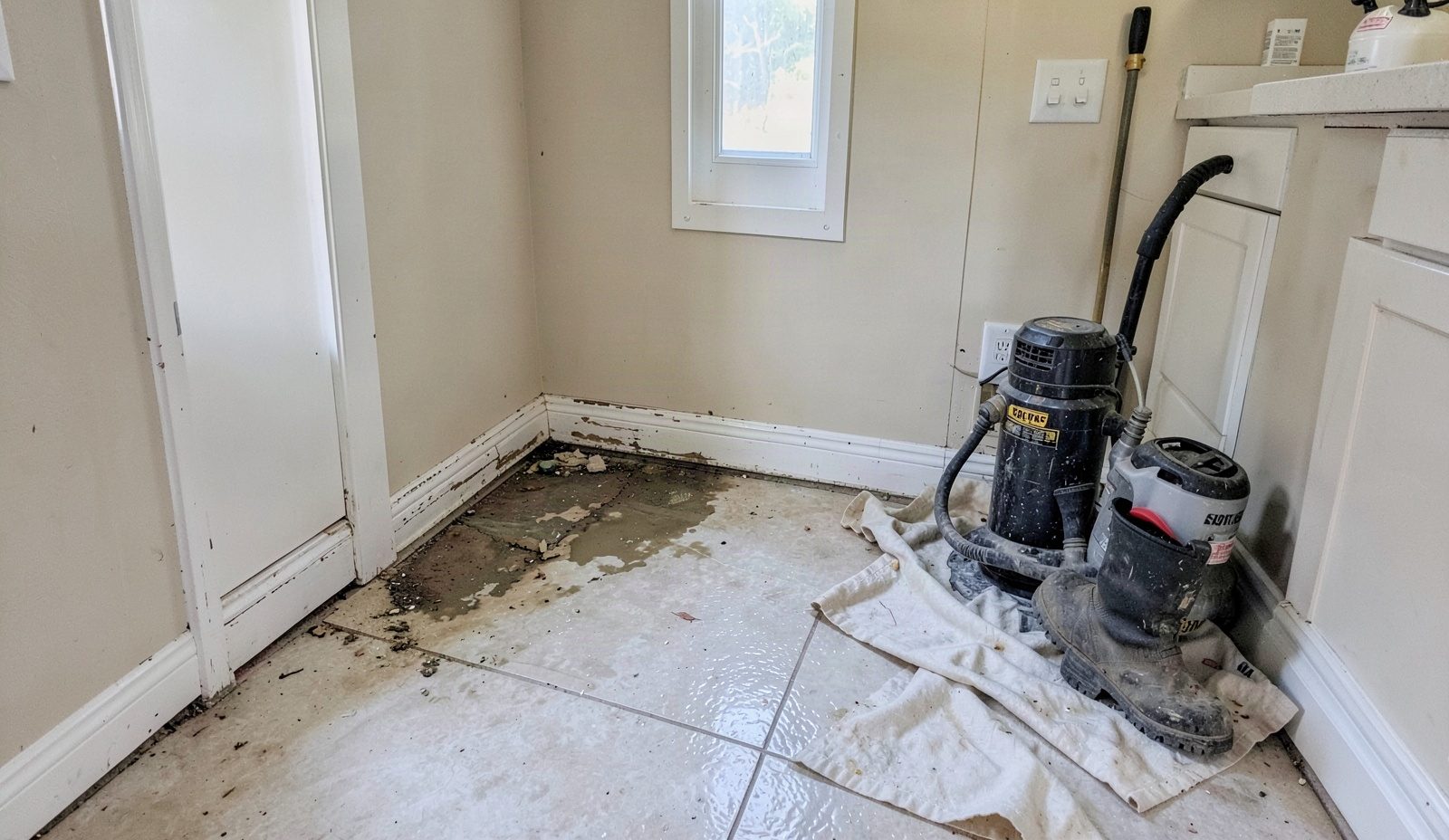
Every toilet job starts with a rubber mat and a canvas drop cloth laid from the bathroom door to the work area, because tile and hardwood both scratch under a toolbox dragged across them. Standing water gets extracted with a wet vac before any parts come off, so it doesn't spread under the baseboard while the tank is disassembled. Old wax rings, cracked fill valves, and any wet insulation pulled from under the house go straight into a lined bucket and leave with the truck. When the technician backs out of the driveway, the floor is dry, the toilet is reset and caulked, and the only sign anyone was there is a business card on the counter.
The estimate for overflowing toilet repair moves on four things: what's broken inside the tank, whether the toilet has to come off the floor to check the flange, how the drain line responds when it's cleared, and how old the supply line running to the wall is. The technician writes the price on a work order before touching a wrench, itemized by part and labor, and nothing starts until you approve it out loud or with a signature. If the drain camera turns up a second problem further down the line, that becomes a separate line item you approve or decline, never an assumed add-on buried in the final invoice.
Every technician working solo has logged supervised calls first, shadowing on tank rebuilds, wax ring resets, and drain clearing before dispatch sends them out alone. Continuing education keeps pace with current plumbing code changes and material standards, covering everything from a 1960s cast iron stack to new PEX supply lines. Background checks run before a technician ever gets a company vehicle key. Field competence gets checked again anytime a job type shifts, like moving from residential tank work to commercial fixture rebuilds.
The right call is Shield Plumbing Fort Worth at (817) 710-3766, any hour of the day or night. Overflow calls get flagged as priority dispatch the moment you describe rising water or a running tank, ahead of routine maintenance already on the board. Tell the dispatcher whether the water is still climbing or has stopped, since that changes which tools the technician brings. A live person answers, confirms an arrival window, and stays on the line long enough to walk you through shutting off the supply valve if you haven't already.
Fixing it starts with shutting the supply valve at the wall, then finding out whether the fault sits inside the tank or below the bowl. Lift the tank lid and check if the float or fill valve is stuck open, which keeps water climbing past the overflow tube. If the tank looks normal but the bowl rises after every flush, the block sits in the trapway or drain line further down, and a plunger won't reach it. A technician brings a closet auger and a pressure gauge to narrow that down in one visit.
Yes, a toilet can overflow with no clog anywhere in the line. A float arm that sticks, a fill valve with a torn diaphragm, or supply pressure running high enough to overpower the shutoff can all keep water climbing until it crests the rim, even with a fully open drain below. This kind of overflow usually shows up as a toilet that won't stop running rather than a slow-draining bowl. Checking the fill valve and float first saves a trip to the drain line on jobs like this.
Cost depends on how much of the tank hardware needs replacing and whether the toilet has to come off the floor. A flapper and fill valve swap is quick labor with low-cost parts, while a full tank rebuild kit, a new wax ring, and a flange repair add both parts and time on top of that. Fort Worth homes with an older cast iron stack sometimes need extra time clearing scale from the flange bolts before the new ring seats. Ask for the itemized work order before anything starts.
Simple fixes are within reach for most homeowners with basic tools, like swapping a flapper or fill valve. Anything involving the wax ring, a rocking toilet base, or water backing up from the drain line calls for pulling the toilet off the floor, which risks cracking the porcelain or the flange without the right lift technique. A toilet that keeps flooding after a DIY flapper swap usually means the real fault sits further down the line than a homeowner can reach with a plunger.
Cost scales with the scope of the fix rather than a flat rate. A flapper or fill valve swap runs far less than pulling the toilet to reset a wax ring, and a drain line clear costs more again if the auger has to run past three feet to reach the block. Older homes in the metro with galvanized supply lines sometimes need a line section replaced alongside the toilet repair, which adds to the total. A technician gives you the number in writing before starting.
Overflowing toilet repair changes house to house across Fort Worth because the plumbing underneath was never installed on the same schedule. The February 2021 freeze burst pipes across Tarrant County by the tens of thousands, and most of those failures were supply lines running through attics and exterior walls, the same runs that feed the fill valve on every toilet in the house. A toilet that suddenly won't stop running in late winter, in Arlington Heights or Ridglea Hills alike, often traces back to a fill valve straining against pressure spikes from a freeze-damaged line upstream, not a worn-out part inside the tank. Slab foundations across these neighborhoods also sit on soil that moves with every wet season, so a technician has to check whether the toilet itself rocks on its base before assuming the fix stops at the tank.
Permit rules for this kind of work depend on the scope of the job. A full toilet replacement or any repair that opens the drain stack under the slab typically needs a permit through the City of Fort Worth Development Services Department, while resetting a toilet on its existing flange or swapping a fill valve usually does not require one. Homes outside city limits fall under the local city building department or Tarrant County instead. A technician who skips that check on a stack repair leaves the homeowner without a record an insurance adjuster or a future buyer's inspector will ask for. Getting that filing right the first time is a smaller job than it sounds, but it holds up on paper when someone asks for proof later.
Explore our service area and locate Shield Plumbing Fort Worth with ease. We're proudly local and serve the surrounding neighborhoods with fast response and honest pricing. Use the map to check our coverage area, or call us and we'll confirm in seconds.
Address:
Shield Plumbing Fort Worth, 210 W 7th St, Fort Worth, TX 76102
5 Signs Your Ridglea Hills Home Has a Slab Leak, practical local guidance from Shield Plumbing Fort Worth, Fort Worth's trusted plumbing tea…
Read More
What Wedgwood Residents Should Know Before a Whole-Home Repipe, practical local guidance from Shield Plumbing Fort Worth, Fort Worth's trust…
Read More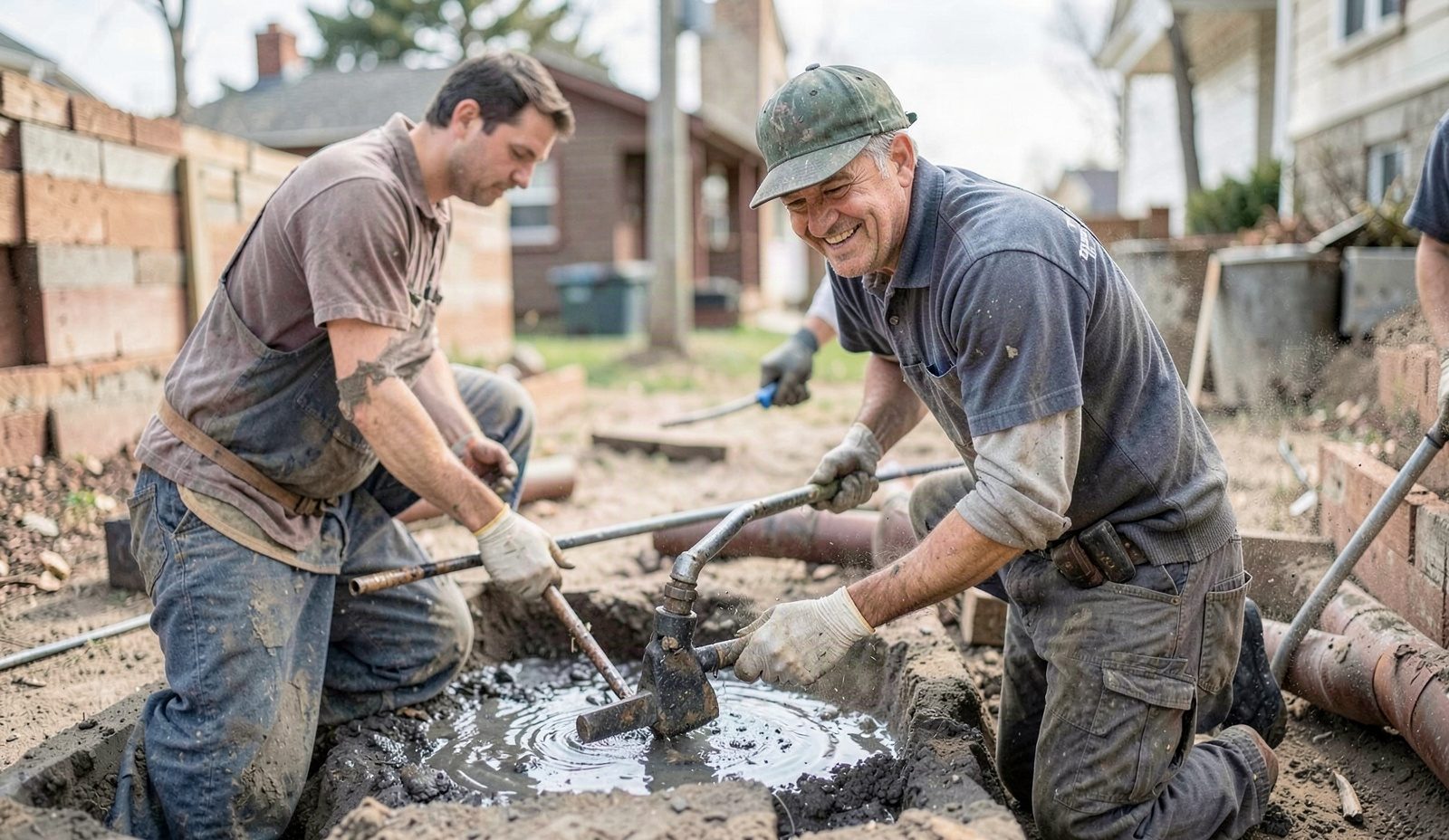
How Fort Worth's Hard Water Is Quietly Destroying Your Water Heater, practical local guidance from Shield Plumbing Fort Worth, Fort Worth's …
Read More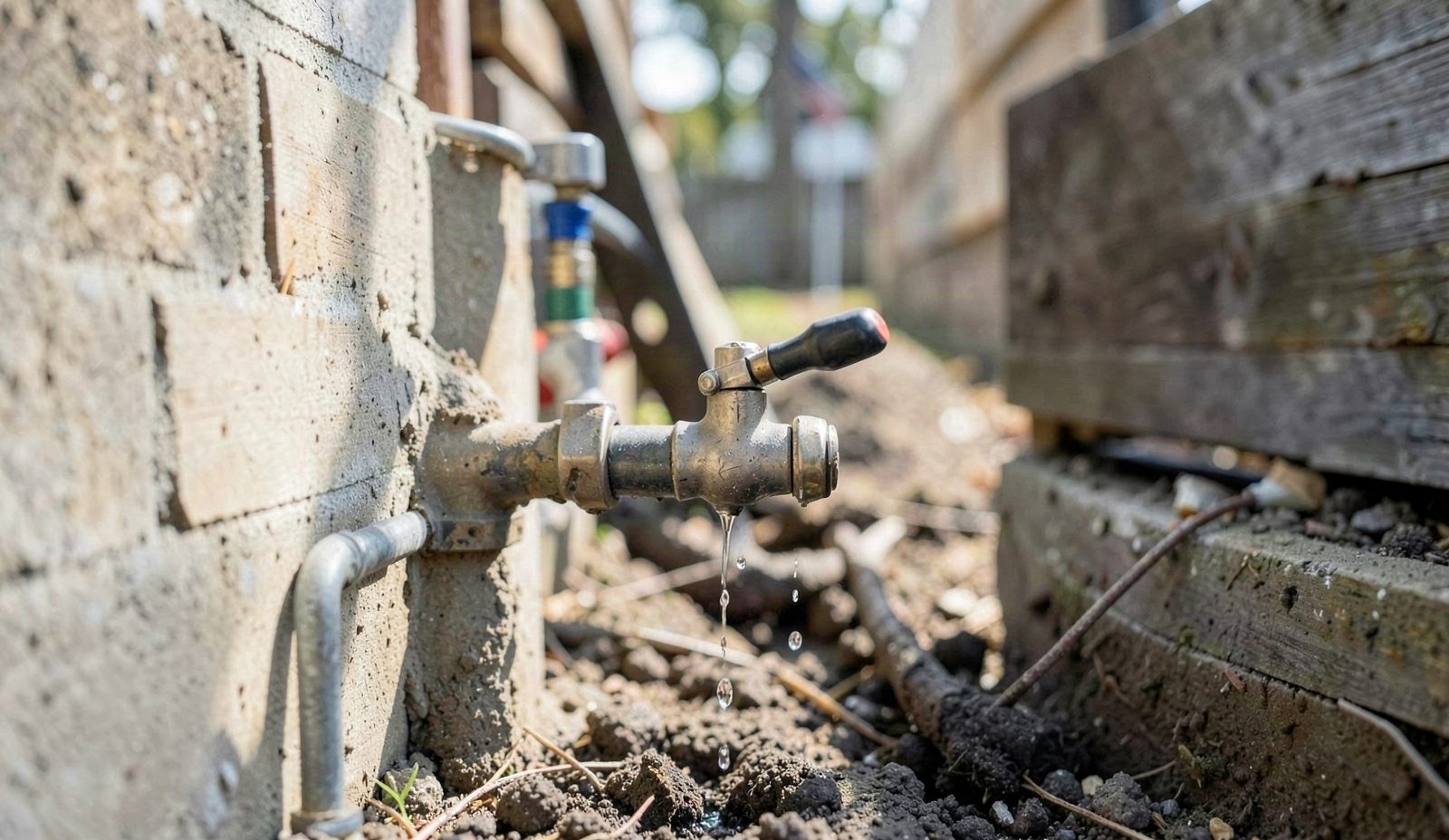
The Hidden Cost of Ignoring a Dripping Faucet in Fort Worth, practical local guidance from Shield Plumbing Fort Worth, Fort Worth's trusted …
Read More