
June 20, 2026
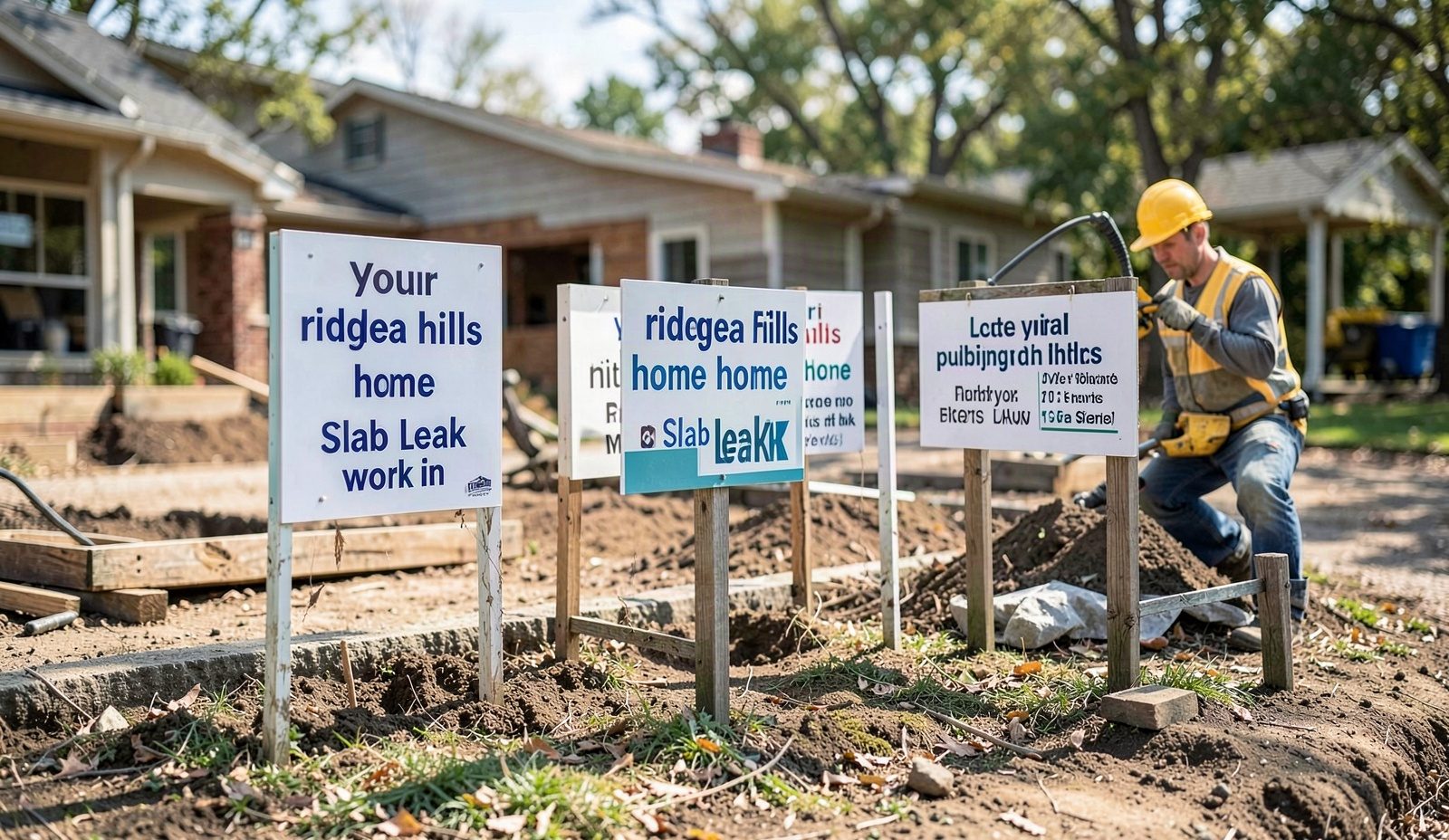
5 Signs Your Ridglea Hills Home Has a Slab Leak
5 Signs Your Ridglea Hills Home Has a Slab Leak, practical local guidance from Shield Plumbing Fort Worth, Fort Worth's trusted plumbing tea…
Read More




A burst pipe rarely announces itself politely. You hear a hiss behind drywall, or water drips from a ceiling light fixture with no obvious source. A pipe burst in wall cavities often shows up first as a soft, discolored patch of paint, or a baseboard that has started to bow. Under a slab, the tell is a warm spot on the floor, a spike in your water bill, or the meter dial spinning with every fixture off.
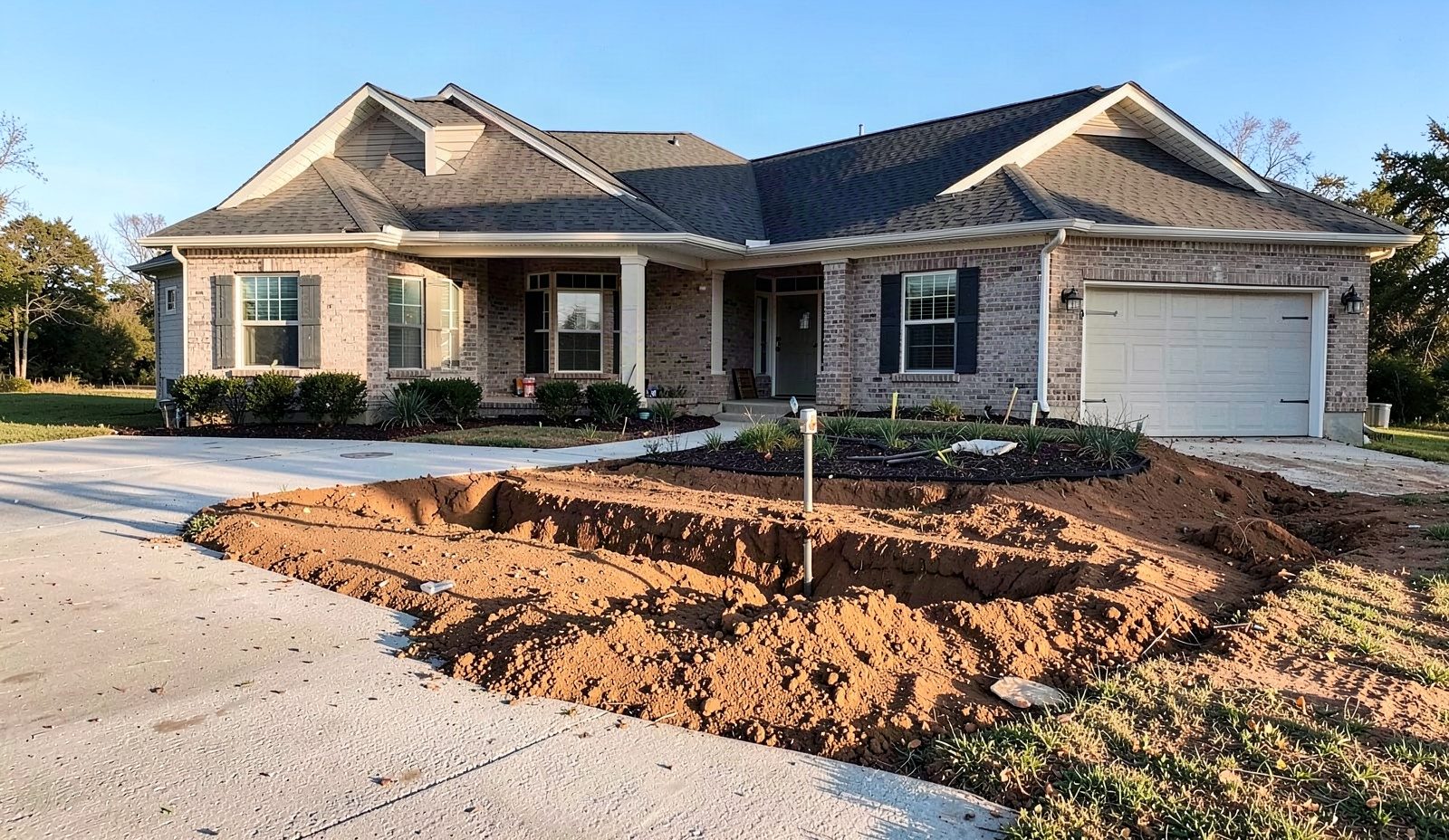
The root cause under most Fort Worth homes traces back to the ground itself. North Texas expansive clay swells with rain and shrinks in drought, and that constant movement shifts the slab enough to shear copper supply lines and separate drain joints running underneath the house. A home that sat still all summer can crack a line the first week of a wet fall, simply because the soil beneath it finally moved.
Cold snaps do the same damage from a different angle. The February 2021 freeze burst pipes across Tarrant County by the tens of thousands, and most of those failures were supply lines running through attics and exterior walls, places builders never expected to see hard freezes. Any home with exposed or poorly insulated lines in those same locations carries that same risk every winter, whether in Fairmount's older bungalows or a newer build near Wedgwood.
Ignore a broken water pipe repair need for even a day and the damage compounds. Drywall wicks water upward into insulation that never fully dries. Subfloor swells and delaminates under vinyl or hardwood. Standing water finds electrical boxes. What starts as a pinhole leak you could have caught with a five-minute shutoff becomes a mold remediation job, a flooring replacement, and in bad cases a section of ceiling that has to come down. The pipe itself is the cheap part. The water it releases in the meantime is what runs up the real cost.
See industrial pipe repair for how the related work is scoped and priced.
Our technicians follow the workmanship standards promoted by the Plumbing-Heating-Cooling Contractors Association.
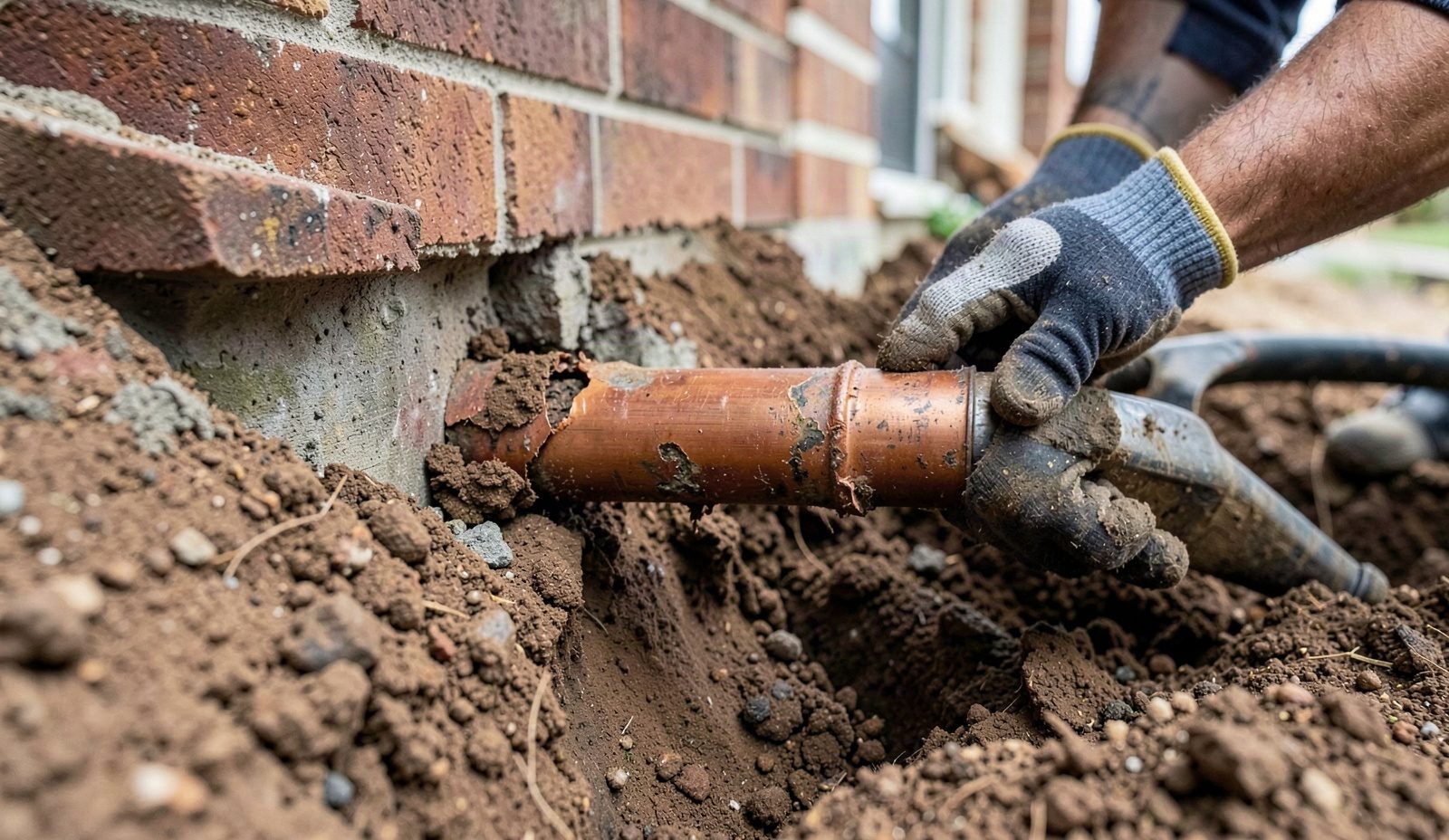
The first move on any burst pipe emergency call is isolation, not repair. A technician locates the main shutoff, confirms it fully seats, and then works room by room with a moisture meter to map how far the water has traveled through drywall, subfloor and insulation before touching a wrench. That map decides whether this is a spot repair or a section replacement, and it keeps us from opening up more wall than the job actually requires.
Pressure is the number that tells the real story. We read static water pressure at an outdoor spigot with a calibrated gauge before we close anything back up. Under the City of Fort Worth plumbing code, based on the International Plumbing Code, a reading above 80 psi at that spigot requires a pressure-reducing valve under Section 604.8. A house that keeps rupturing joints every year or two, even after a repair, is usually running hot on pressure, and that gauge reading is the reason. Install the valve once and the repeat calls to that address usually stop.
Material choice depends on what the line already is and where it runs. For a copper repair, we sweat in Type L copper with lead-free solder rated for potable water, matched wall thickness to wall thickness. For a slab leak or a run through a tight wall cavity, PEX-A with expansion fittings flexes around minor drift in the framing and resists the freeze-crack failure that hard copper suffers, which matters given how many Fort Worth failures trace back to unconditioned spaces. Once the new section is in, we pressure-test the repaired line to static line pressure and hold it, watching the gauge for any drop before we call the ruptured pipe fix complete and close the wall.
More detail on 24/7 emergency plumbing services is on its own page.
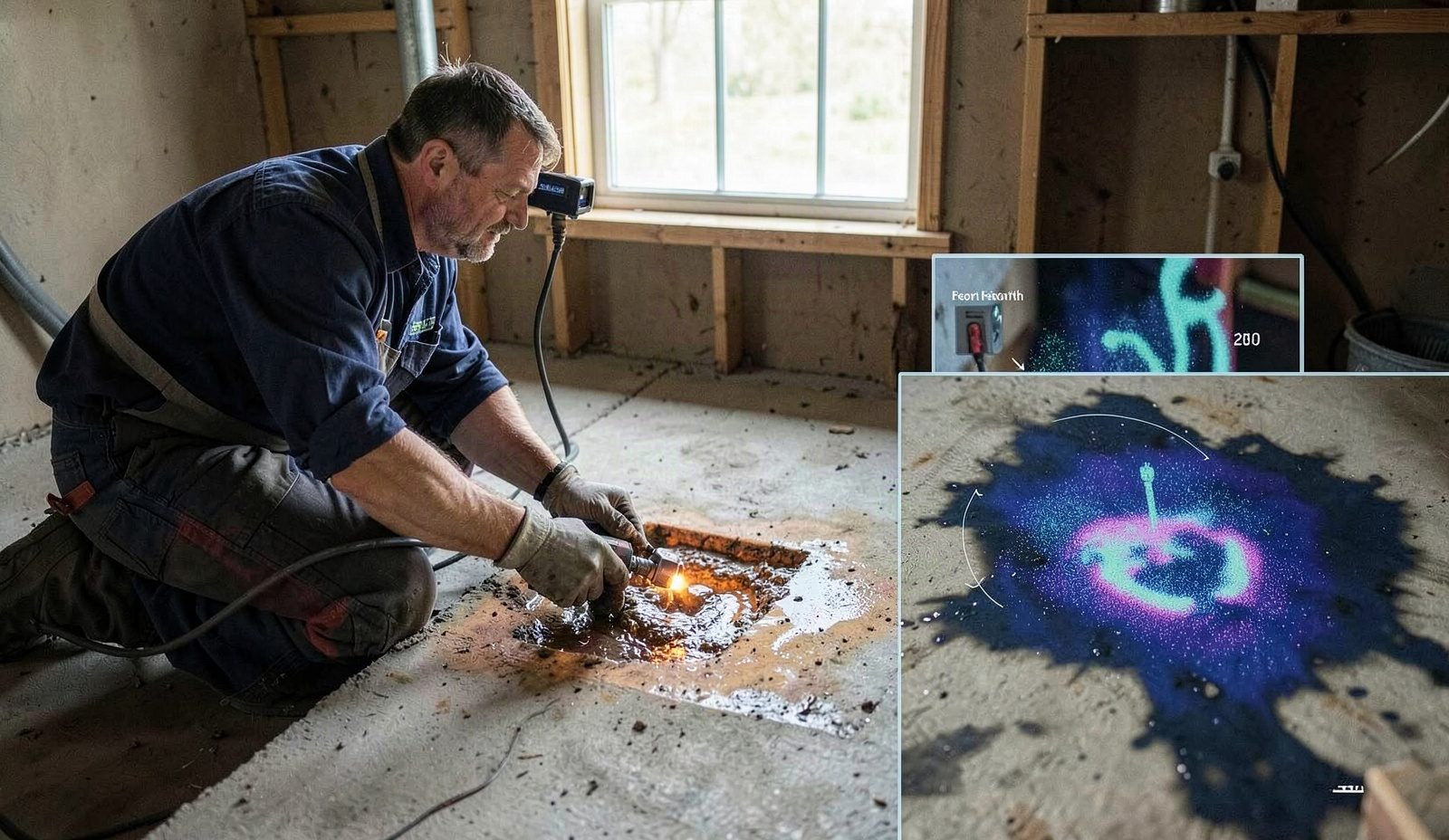
You call (817) 710-3766 and describe what you are seeing and hearing, which helps dispatch send the right tools on the truck. On arrival, the technician confirms the main shutoff is closed, then walks the affected area with a moisture meter to trace how far water has traveled through walls, flooring and insulation. You see the reading and the technician explains, in plain terms, what section of pipe likely failed and why, before any wall gets opened.
Once you approve the written scope, the technician protects the work area with drop cloths and floor runners, then opens only the section of wall, ceiling or slab needed to reach the damaged pipe. Depending on the material and location, the repair uses sweat-soldered copper or PEX-A with expansion fittings. Any water-damaged drywall or insulation gets removed and bagged for haul-away as part of the same visit, keeping the job contained to one trip.
Before closing anything back up, the technician pressure-tests the repaired section against your home's static line pressure and watches the gauge hold steady with no drop. If that outdoor spigot reading came back above 80 psi during diagnosis, the pressure-reducing valve installation gets tested the same way. You get a final walk-through, the work area gets cleaned, and you receive documentation of what was repaired for your records or insurance file.
Fort Worth's housing stock spans generations, and that history changes what a technician finds behind the wall. Pre-1970 neighborhoods across the metro were plumbed with galvanized steel supply lines and cast iron drains, and both materials are now at or past the end of their service life. A repair on a galvanized line near Ridglea Hills or Arlington Heights often reveals interior corrosion the diameter of a pencil eraser just past the failure point, which means the fix has to account for a pipe that is failing everywhere, not just where it burst.
Permitting is the other place where local knowledge protects you. Under the locally adopted plumbing code, a full re-pipe or any structural repair typically requires a permit through the City of Fort Worth Development Services Department, while a minor like-for-like section repair often does not. An out-of-area crew unfamiliar with that distinction either skips a permit that was required, leaving you exposed at resale, or pulls one that was never necessary and delays your repair for no reason. Knowing which side of that line a job falls on comes from working Fort Worth addresses regularly, not from a general contracting background somewhere else.
Response logistics matter too. A crew that already knows the Near Southside's mix of converted bungalows and new infill, or the slab-on-grade layout common in the Cultural District, spends less time on-site figuring out the house and more time stopping the water. That familiarity is the difference between a technician guessing at where a shutoff might be and one who checks the two or three spots it usually sits in a home of that era.
If this sounds close but not quite your situation, frozen pipe thawing & repair may be the better starting point.
Your local utility, Payment options, publishes service and water-quality information every Fort Worth homeowner should know.
Call (817) 710-3766 and dispatch gives you an honest arrival window based on current calls in progress, not a placeholder. Burst pipe emergency calls get priority routing ahead of routine work. If traffic on I-30 or a longer job ahead of yours pushes the window, dispatch calls you directly with an updated time rather than letting you wait and wonder. You get a name and a estimated time before the technician leaves for your address, so you know who is pulling into the driveway and roughly when.
Every technician lays down floor runners and drop cloths from the entry point to the work area before touching a tool, and any drywall or insulation cut out during the repair gets bagged and hauled off the same visit, not left in a pile in the yard. Wet-vac extraction handles standing water before drying begins. Tools stay on a mat, not on your flooring or countertops. When the repair is done, the work area gets wiped down and swept, and you get a walk-through so nothing surprises you later.
Four things move the number on your estimate: how much wall or slab has to open to reach the pipe, whether the material is copper, PEX or a galvanized section that needs more than a spot fix, how much water damage has to be remediated alongside the plumbing work, and access, meaning attic, crawlspace or slab. A technician writes the scope and the price on-site after diagnosis, walks you through each line item, and waits for your approval before cutting into anything. No work starts against a number you have not seen and agreed to.
Every technician completes a background check before being assigned to residential calls, and ongoing training keeps the crew current on the plumbing code cycle the City of Fort Worth has adopted, including pressure and material requirements that change how a repair gets done. New technicians work paired calls with a senior tech until they can walk through a full diagnostic, from shutoff to pressure test, without prompting. That pairing period is what determines when someone works a solo emergency call, not a certificate on a wall.
Cost depends on scope, access and material, not a flat number. A single accessible copper repair costs far less than a slab leak requiring a section of concrete cut and repoured, or a galvanized line in a pre-1970 home near Arlington Heights that needs more than a spot fix. Shield Plumbing Fort Worth writes the full scope and price after on-site diagnosis, before any work starts, so you approve the number with the pipe already located and the damage already assessed.
Coverage depends on your policy and the cause of the burst. Most homeowners policies cover sudden, accidental pipe bursts, including freeze damage like the widespread failures Tarrant County saw in February 2021, but many exclude damage from long-term neglect or a pipe that was clearly failing for months. Shield Plumbing Fort Worth documents the failed section and the repair with photos you can hand directly to your adjuster, which speeds up most claims.
Yes, a plumber repairs or replaces the ruptured section and restores water flow safely. The work involves shutting down the system, cutting out the damaged pipe, and rejoining new material, copper or PEX, using proper fittings and solder or connectors rated for potable water. Shield Plumbing Fort Worth technicians pressure-test every repair before closing the wall back up, confirming the fix holds at your home's actual line pressure rather than assuming it does.
Responsibility falls on the homeowner for lines inside the property line, and on the utility for the service line up to the meter. Once water crosses your meter, any pipe under your slab, in your walls or attic is your repair to make. Shield Plumbing Fort Worth handles that entire interior scope, from the shutoff valve at the street-side connection through every fixture inside the house.
Estimates get written on-site after the technician diagnoses the failure, not over the phone before anyone sees the pipe. The technician traces the water damage, identifies the failed section, and itemizes the repair scope, material and labor into a written number you approve before any cutting begins. Because access and material vary so much between a Wedgwood ranch and a Near Southside bungalow, an accurate number requires eyes on the actual pipe first.
A homeowner can shut off the water and contain the leak, but a proper repair requires cutting, joining and pressure-testing the line correctly, which most DIY attempts skip. A slip coupling or rubber clamp bought at a hardware store often holds for a few days before the pressure works it loose again, especially on a line already stressed by slab movement. Calling a technician for the actual joint repair prevents a second flood from a fix that only looked finished.
Fort Worth sits on expansive clay that behaves differently by season, and that behavior drives most of the repair decisions on a slab home. A line that ruptures in August drought conditions often needs a different fix than the same line failing in a wet March, because the clay has shifted the slab in opposite directions. Homes near the Cultural District and on the west side around Ridglea Hills, many built directly on grade, see this most, since any shift in the pad transfers straight into the copper or galvanized lines running underneath. Attic and exterior-wall runs face the opposite risk every winter, when unconditioned spaces drop below freezing and static water inside the pipe expands until the wall gives way. Both failure modes exist in the same house, and a technician has to check for both before calling a repair finished.
Permitting oversight for this work runs through the City of Fort Worth Development Services Department, and the line between a permitted job and a same-day repair usually comes down to scope. A single spot repair on an existing line typically does not require a permit, while a full re-pipe or any repair that changes the structure does. That distinction protects you at resale, since an unpermitted structural repair can surface during a home inspection years later and complicate a sale. Working Fort Worth addresses regularly, from older Fairmount bungalows to newer construction near the Near Southside, means knowing which repairs cross that line before the first cut is made, not after a permit office flags it.
Explore our service area and locate Shield Plumbing Fort Worth with ease. We're proudly local and serve the surrounding neighborhoods with fast response and honest pricing. Use the map to check our coverage area, or call us and we'll confirm in seconds.
Address:
Shield Plumbing Fort Worth, 210 W 7th St, Fort Worth, TX 76102
5 Signs Your Ridglea Hills Home Has a Slab Leak, practical local guidance from Shield Plumbing Fort Worth, Fort Worth's trusted plumbing tea…
Read More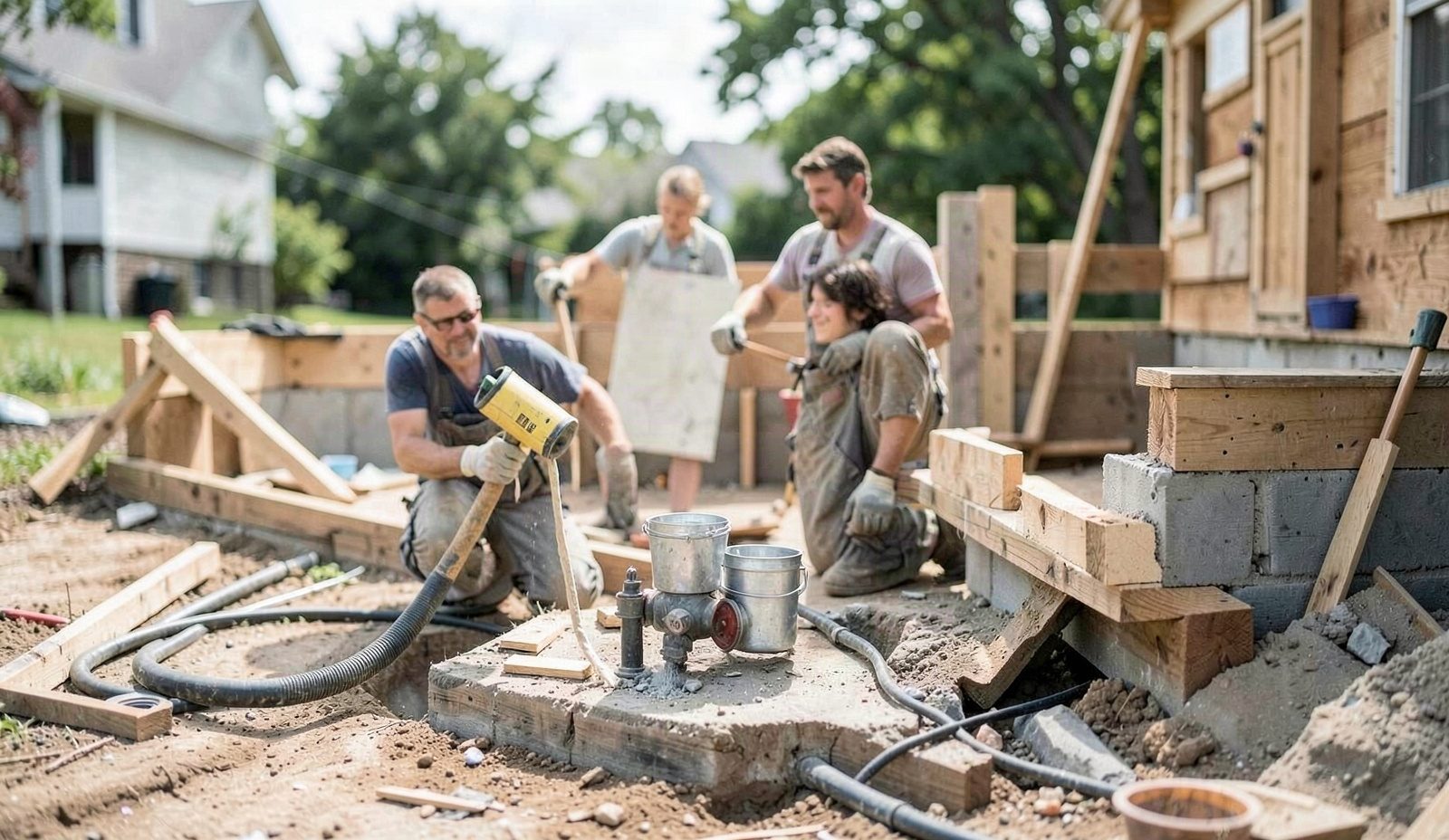
What Wedgwood Residents Should Know Before a Whole-Home Repipe, practical local guidance from Shield Plumbing Fort Worth, Fort Worth's trust…
Read More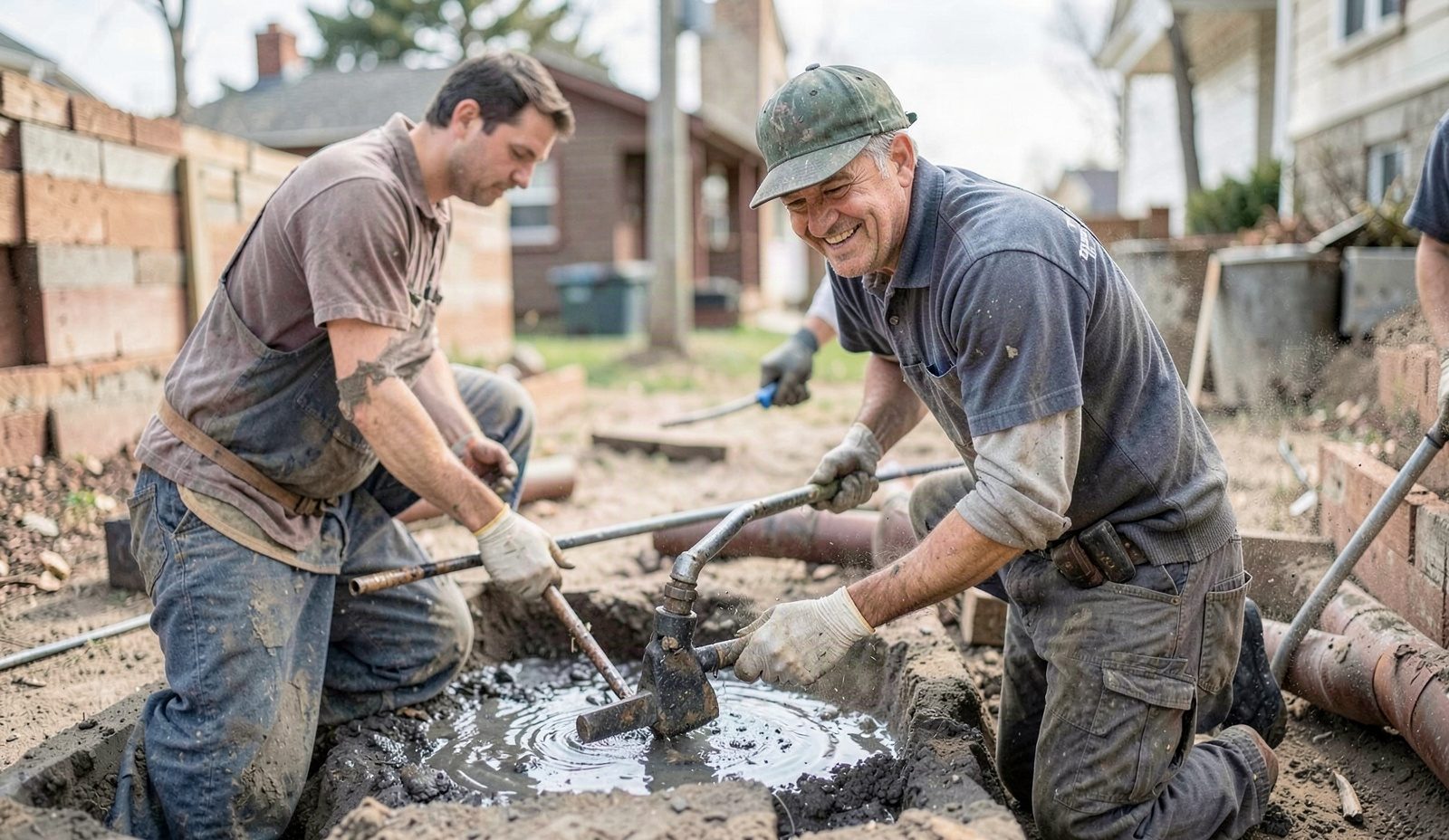
How Fort Worth's Hard Water Is Quietly Destroying Your Water Heater, practical local guidance from Shield Plumbing Fort Worth, Fort Worth's …
Read More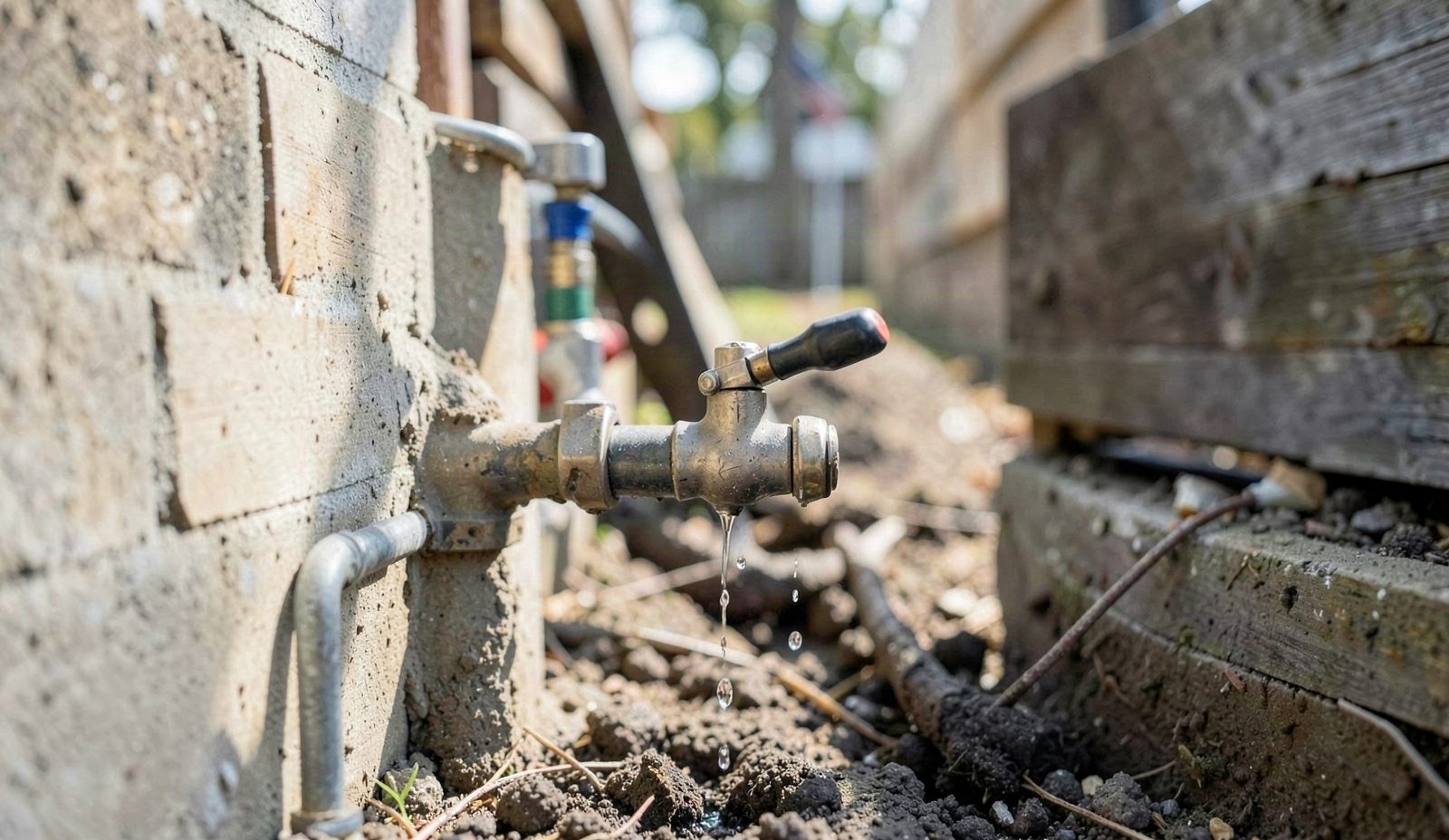
The Hidden Cost of Ignoring a Dripping Faucet in Fort Worth, practical local guidance from Shield Plumbing Fort Worth, Fort Worth's trusted …
Read More