
June 20, 2026
5 Signs Your Ridglea Hills Home Has a Slab Leak
5 Signs Your Ridglea Hills Home Has a Slab Leak, practical local guidance from Shield Plumbing Fort Worth, Fort Worth's trusted plumbing tea…
Read More




Do this in the next five minutes. Cut power to the pump circuit if water is climbing toward any outlet or extension cord. Start bailing the pit with a bucket if the water line is near the rim. Move stored boxes, tools and anything on the floor away from the water's path. Photograph the water line on the walls or foundation piers before it recedes, for the insurance file. Then call (817) 710-3766 and get a technician moving toward you.
A sump pump not pumping rarely announces itself quietly. You hear the motor hum but see no discharge at the outside pipe. You hear rapid, stuttering cycling every few seconds instead of a normal run cycle. You smell a musty, standing-water odor rising from the crawlspace access panel. You see the float switch tilted sideways, jammed against the pit wall by silt. Any one of these means sump pump failure flooding is already underway under the house, not a future risk.
North Texas expansive clay swells with rain and shrinks in drought, moving slab foundations enough to shear copper supply lines and separate drain joints under the house. That same soil movement tilts the perimeter drain tile and sump pit itself, so a pump that handled normal groundwater for years suddenly fights a redirected flow it was never sized for. Homes in Fairmount and Arlington Heights, many built on shallow pier-and-beam foundations with crawlspace pits, feel this first because their drainage systems were never designed for today's clay movement and today's rainfall totals.
Waiting costs more than a pump. Standing water under the house saturates floor joists and subfloor sheathing within a day, and mold colonies establish within 24 to 48 hours in that humidity and darkness. The breaker panel or junction boxes mounted near the pit sit closer to rising water with every hour the pump sits dead. Foundation piers already shifting from clay movement see accelerated differential settling when water pools instead of draining. A same-day emergency sump pump replacement costs far less in damage than a week of unnoticed flooding.
More detail on basement flooding pump-out is on its own page.
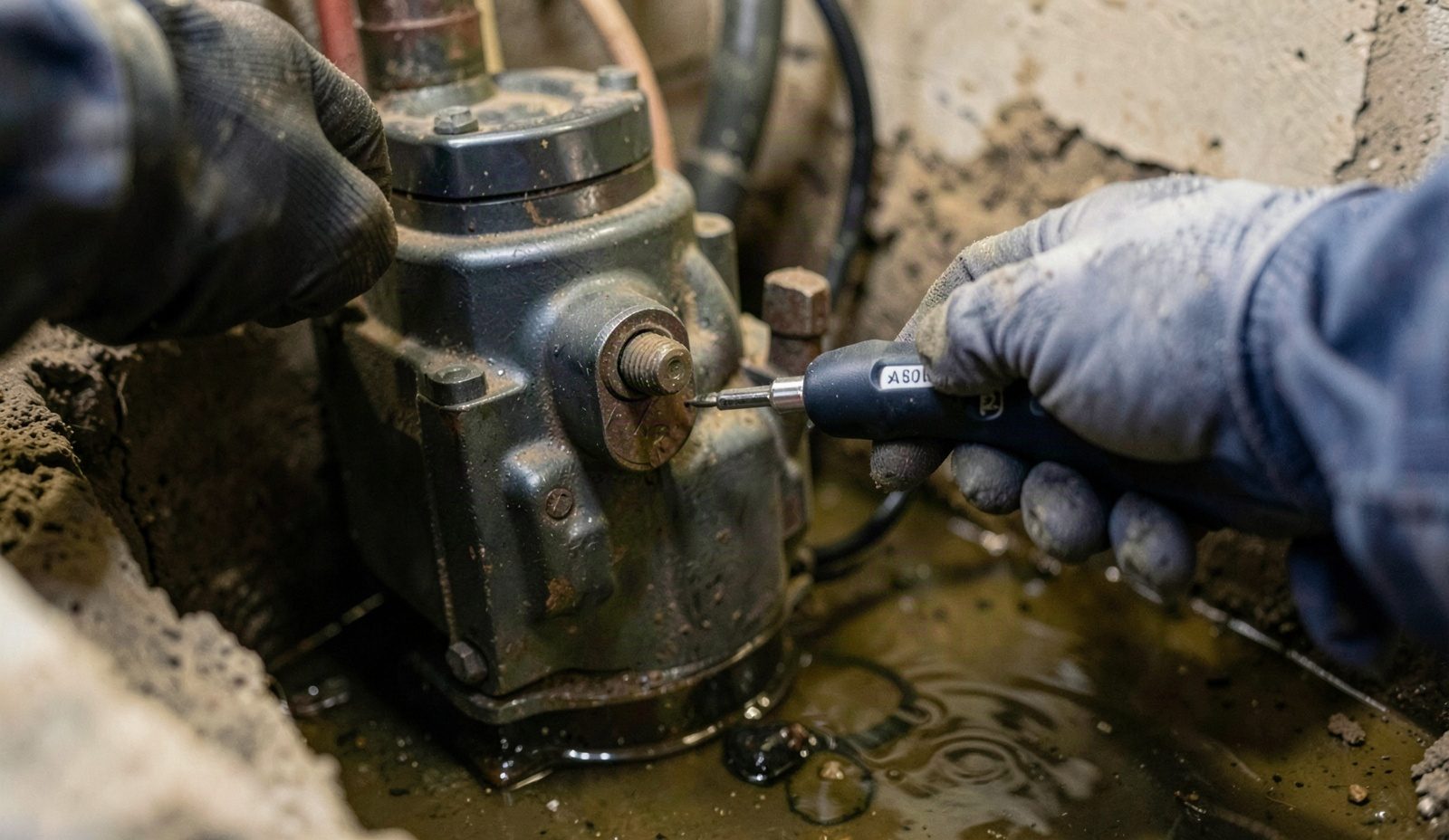
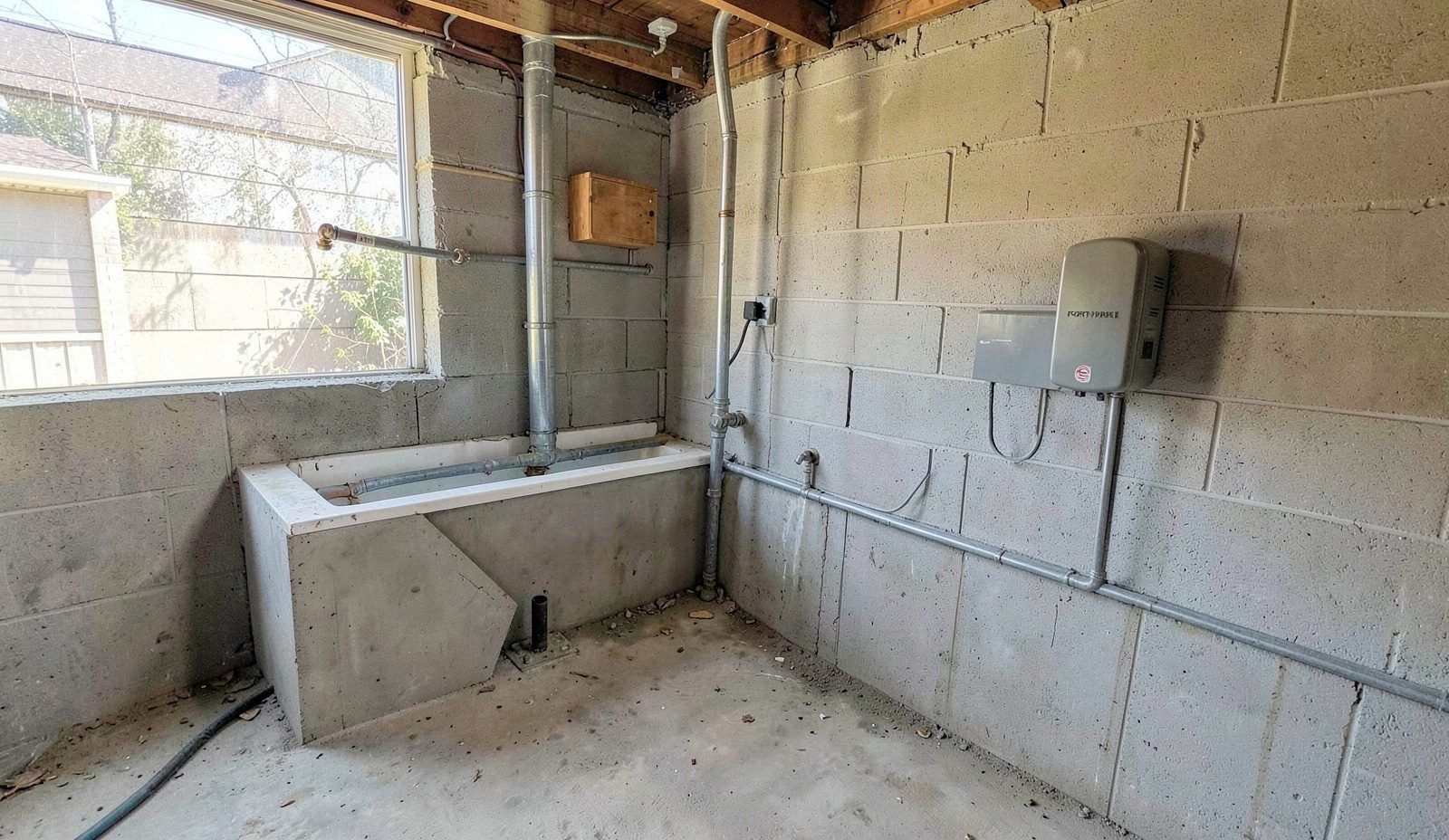
The first check happens before any tool comes out. A technician confirms power at the outlet with a plug-in tester, checks the breaker and any GFCI upstream, and watches the float switch travel by hand. A healthy float should swing freely through about 3 to 4 inches of vertical travel before it trips the switch. A float that binds against the pit wall or a switch that clicks with no motor response points to a wiring or capacitor fault rather than a worn pump.
Next comes the clamp meter. Every sump pump has a nameplate amp draw, and a 1/3 horsepower unit typically pulls around 4 to 5 amps under normal load. A reading that spikes to double the nameplate figure signals a seized impeller or a bound bearing working against debris. A reading near zero with the motor still humming usually means a broken winding, confirmed with a multimeter continuity check across the motor leads. If a battery backup unit is present, its resting voltage should read close to 12.6 volts, a reading closer to 11 volts under load means the battery dies exactly when the storm knocks out power, which is when it matters most.
Housing material drives the repair-versus-replace call. A cast iron pump like the Zoeller M53, rated near 2,400 to 2,600 gallons per hour at 10 feet of lift, dissipates motor heat into the metal housing and holds up better under the continuous duty cycles that clay-soil crawlspaces demand. A thermoplastic big-box unit rated similarly when new runs hotter under sustained pumping and its bearings wear faster in the same conditions, which shows up as a shortened service life even though the box says the same GPH rating. On calls where the whole-house system is being checked, static water pressure at an outdoor spigot gets read as well, and anything above 80 psi calls for a pressure-reducing valve under Section 604.8 of the International Plumbing Code, since that same pressure stresses the check valve on a sump discharge line over time.
Your local utility, Payment options, publishes service and water-quality information every Fort Worth homeowner should know.
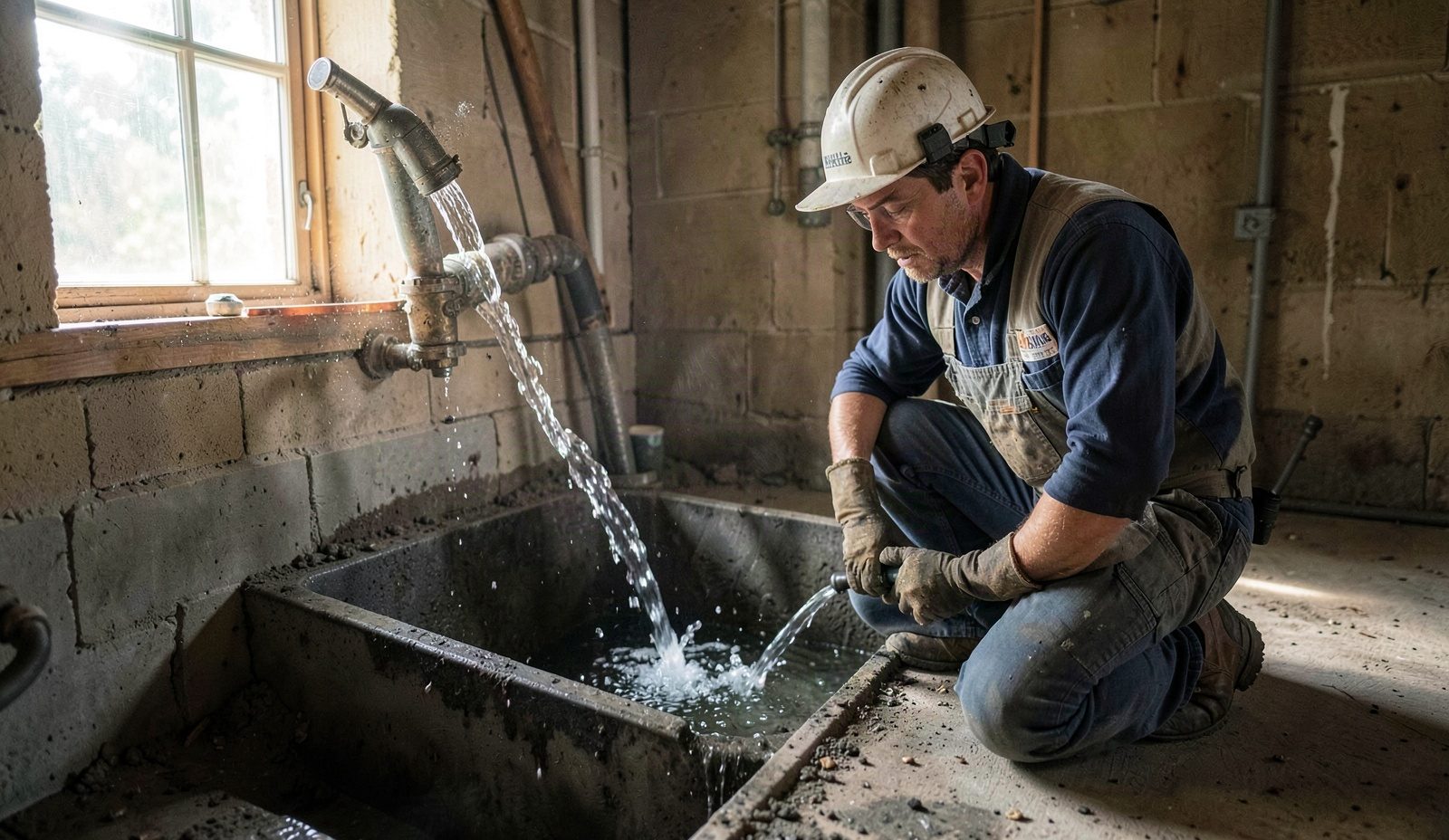
Dispatch takes your address and a quick description of what you are seeing, water level, pump sound, breaker status, and gives you an arrival window. On site, the technician checks power and the breaker first, then hand-tests the float switch travel and runs a clamp meter reading against the pump's nameplate amps. You are shown the reading and told in plain terms whether the motor, the switch, or the check valve failed, before any tool comes out for repair work.
The technician writes the repair or replacement scope, including pump horsepower, housing material, and any discharge line rerouting needed, and you approve it before work starts. Floor runners and containment go down, the pit gets pumped clear with a trash pump, and the failed unit comes out. A new or repaired pump gets set, the check valve gets oriented correctly for backflow prevention, and wiring gets reconnected through the existing GFCI protection.
The pump gets run through several full fill-and-discharge cycles while the technician watches the float switch travel and confirms the check valve holds without backflow sliding down the discharge pipe. Amp draw gets rechecked under load against the nameplate rating to confirm normal operation. You walk through the work area together, the technician explains the readings taken, and any documentation you need for insurance purposes gets left with you before the truck pulls out.
Pre-1970 neighborhoods across the metro were plumbed with galvanized steel supply lines and cast iron drains, both now at or past the end of their service lives, and a sump system tied into that older infrastructure fails differently than one in a newer build. Technicians who work these calls daily recognize a cast iron drain stub feeding a crawlspace pit on sight, and know it changes how a discharge line gets routed and supported.
The governing standard on every job is the City of Fort Worth plumbing code, based on the International Plumbing Code. That code prohibits tying a sump discharge line into the sanitary sewer system, a shortcut some out-of-area operators still take because it looks simpler than routing to daylight or a storm connection. That shortcut backs sewage into a pit during a heavy rain event, turning a pump failure into a contamination problem.
An operator unfamiliar with Fort Worth's clay movement also tends to undersize the replacement pump, matching the old unit's horsepower without accounting for the added groundwater a shifting foundation now redirects toward the pit. That pump fails again within a season. A technician who works this region checks pit diameter, inflow rate during an active rain event, and discharge line length before recommending a replacement, not just the horsepower printed on the old pump's tag.
Response logistics matter as much as the diagnosis. A crew dispatched for emergency sump pump failure carries pumps in more than one horsepower and housing material on the truck, along with check valves and battery backup units, so a full emergency sump pump replacement does not wait on a parts run while water keeps rising under the house.
See 24/7 emergency plumbing services for how the related work is scoped and priced.
Our technicians follow the workmanship standards promoted by the Plumbing-Heating-Cooling Contractors Association.
Calling (817) 710-3766 connects you to a dispatcher, not a voicemail queue. You get an arrival window measured in hours, not a callback the next business day. If a prior call runs long because of an unexpected access issue, dispatch calls you directly with a revised window rather than leaving you guessing. Overnight and weekend calls for sump pump failure flooding get the same priority as daytime calls, because standing water under a house does not wait for business hours. You are told upfront whether the technician is en route or still finishing a prior stop.
Before any tool touches the pit, floor runners go down from the access point to the work area to keep tracked mud off flooring inside the house. Wet debris pulled from a failed pit, old pump housings, and cut sections of damaged discharge pipe get bagged and hauled out, not left staged in the yard or driveway. Standing water in the pit gets pumped down with a portable trash pump before any electrical work begins, both for safety and to see the pit walls clearly. When the technician leaves, the crawlspace access and surrounding area look the way they did before the call, minus the water.
Pit depth, pump horsepower needed for the inflow rate, and whether the discharge line needs rerouting all move the estimate, along with access difficulty under low-clearance crawlspaces common in older Fort Worth homes. The technician writes the scope and the reasoning behind it on site, before any repair or replacement begins, so you see what drives the number rather than a flat rate that ignores your specific pit and pump condition. You approve that written scope before work starts. Nothing gets added mid-job without a call explaining why and what it changes.
Every technician sent on an emergency sump pump call has passed a background check before ever being handed a truck key. Ongoing training tracks the current plumbing code cycle adopted locally, not whatever the technician learned years ago in a different jurisdiction. New hires ride alongside a senior technician on live calls before working solo, and their diagnostic readings get spot-checked against a senior tech's findings on early independent calls. Field competence gets verified through actual call outcomes, not a certificate on a wall.
Call a plumber who handles emergency sump pump replacement directly, not a general handyman or a big box return counter. Shield Plumbing Fort Worth takes calls at (817) 710-3766 around the clock and sends a technician with pumps and check valves already on the truck. A plumbing-specific crew catches wiring and check valve issues a general repair service often misses.
Yes, if water is actively rising in the pit or crawlspace, it is an emergency. A dead pump during dry weather can wait a day, but a dead pump during active rain floods the crawlspace within hours. Fort Worth's clay soil moves enough water toward foundations that a stalled pump rarely stays a small problem for long.
Coverage depends on your specific policy language, not on the failure itself. Most standard policies treat the pump's mechanical breakdown as excluded, but some cover the resulting water damage under a separate endorsement. Photograph the water line and the failed unit before repairs begin, and call your carrier with those photos in hand alongside the technician's written diagnosis.
Bail visible standing water with a bucket while you wait for a technician, and test whether the outlet lost power by plugging in a lamp or phone charger. A tripped GFCI upstream of the pump circuit is a common, quick-to-check cause. Note the time the pump stopped responding, that detail helps the technician narrow down whether it was a power event or a mechanical failure.
A homeowner can swap a simple pedestal pump, but check valve orientation mistakes are common and let pumped water flow straight back into the pit. Wiring the unit through improper GFCI protection is another frequent DIY error that trips repeatedly under load. A misdirected discharge line that dumps water back against the foundation defeats the entire repair.
The technician diagnoses the failure on site first, then writes a scope covering pump horsepower, housing material, and any discharge line work needed. You review and approve that written scope before repair or replacement begins. Pit depth, access under the crawlspace, and discharge routing distance are the factors that move the number most between two otherwise similar homes.
The February 2021 freeze burst pipes across Tarrant County by the tens of thousands, and the same storm that overwhelms supply lines also strains the power grid feeding sump pumps at the exact moment groundwater intrusion peaks. A pump without a battery backup dies with the power and stays dead through the storm that needed it most. Housing stock across the Near Southside and Wedgwood mixes decades of foundation styles, pier-and-beam bungalows sitting beside slab ranch homes, and each foundation type routes groundwater to the sump pit differently, which changes pit placement and discharge routing on every call rather than following one standard layout.
Full sump system installations and structural drain tie-ins typically require a permit, while a like-for-like pump swap in an existing pit often does not, and the City of Fort Worth Development Services Department makes the final call on where that line sits for any given address. Homes near Ridglea Hills and the Cultural District often carry decades of prior repairs on file with the city, and a technician who checks that history before opening a wall or pit avoids duplicating work or missing a prior code correction that affects today's repair.
Explore our service area and locate Shield Plumbing Fort Worth with ease. We're proudly local and serve the surrounding neighborhoods with fast response and honest pricing. Use the map to check our coverage area, or call us and we'll confirm in seconds.
Address:
Shield Plumbing Fort Worth, 210 W 7th St, Fort Worth, TX 76102
5 Signs Your Ridglea Hills Home Has a Slab Leak, practical local guidance from Shield Plumbing Fort Worth, Fort Worth's trusted plumbing tea…
Read More
What Wedgwood Residents Should Know Before a Whole-Home Repipe, practical local guidance from Shield Plumbing Fort Worth, Fort Worth's trust…
Read More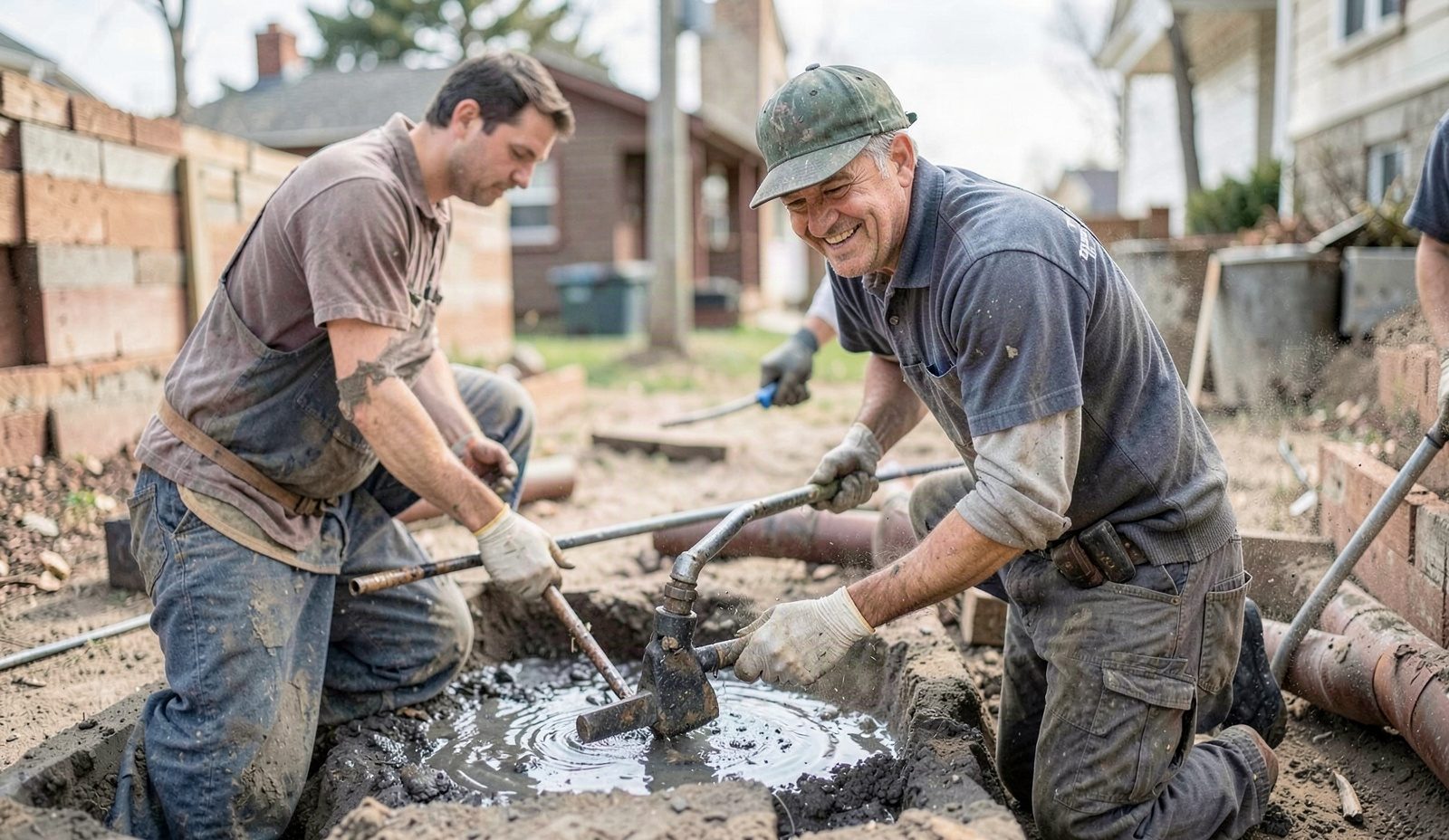
How Fort Worth's Hard Water Is Quietly Destroying Your Water Heater, practical local guidance from Shield Plumbing Fort Worth, Fort Worth's …
Read More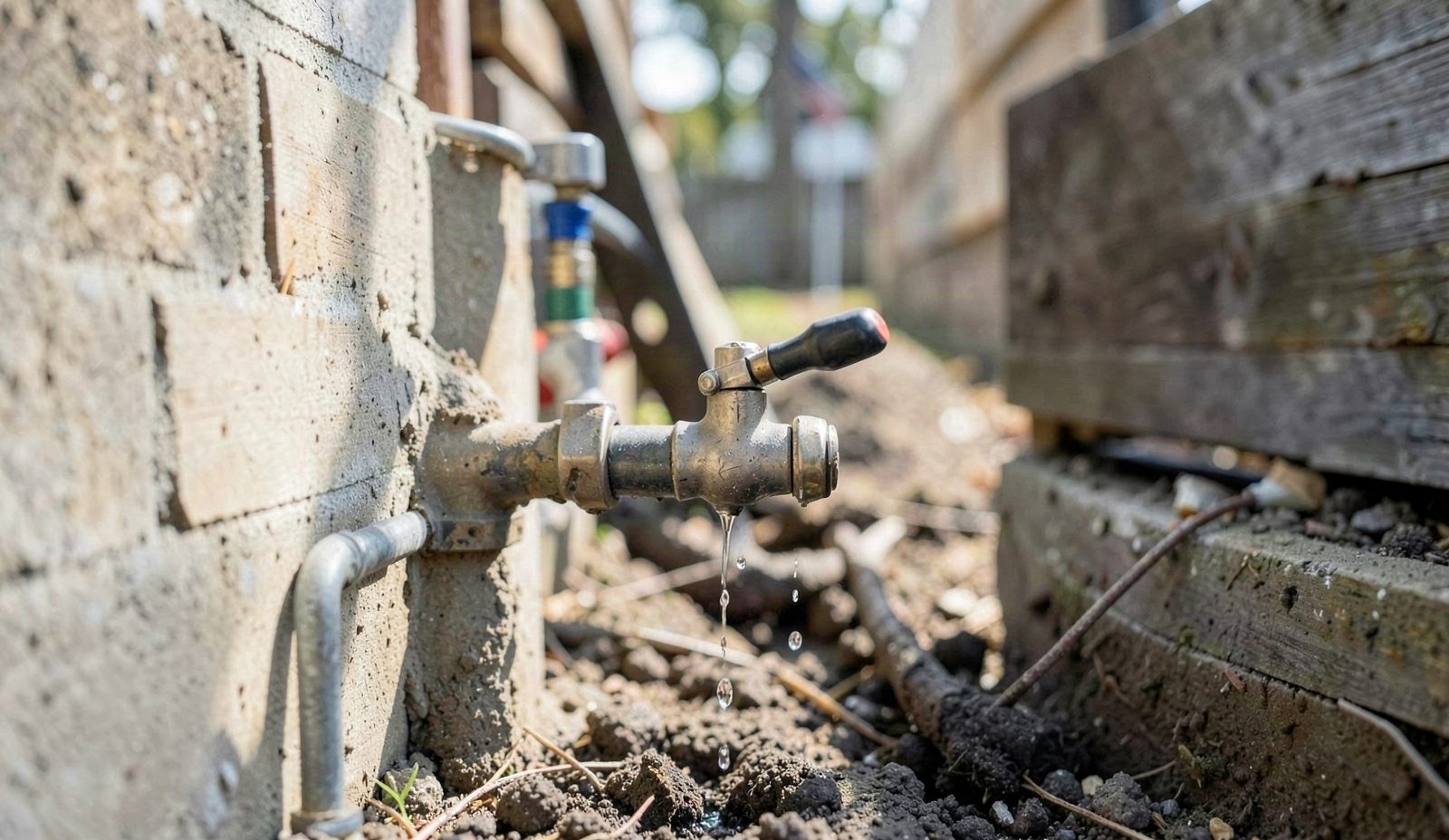
The Hidden Cost of Ignoring a Dripping Faucet in Fort Worth, practical local guidance from Shield Plumbing Fort Worth, Fort Worth's trusted …
Read More