
June 20, 2026
5 Signs Your Ridglea Hills Home Has a Slab Leak
5 Signs Your Ridglea Hills Home Has a Slab Leak, practical local guidance from Shield Plumbing Fort Worth, Fort Worth's trusted plumbing tea…
Read More




A slab leak rarely announces itself with a flood. It shows up as a warm patch on the tile in a room with no heating vent underneath, a hiss you hear only when the house goes quiet, or a water bill that jumps thirty or forty percent with no new fixture to explain it. Some homeowners smell it first, a musty note near a baseboard that traces back to moisture wicking up through grout lines from a concrete slab pipe leak below.
The root cause under most Fort Worth homes is the ground itself. North Texas expansive clay swells when rain soaks it and shrinks hard during drought, and that swing moves slab foundations enough to shear rigid copper supply lines and pull drain joints apart under the house. A foundation doesn't need to crack visibly for this to happen. A few millimeters of differential movement at a joint is enough to start a leak that runs for months before anyone notices.
Older housing stock adds a second failure path. In neighborhoods like Fairmount and Arlington Heights, where many homes predate 1970, original supply and drain lines were often galvanized steel and cast iron, materials now well past any reasonable service life. Galvanized pipe corrodes from the inside out, narrowing its own bore with rust scale until a pinhole opens under pressure. Cast iron drain bells crack from decades of root intrusion and soil movement. A homeowner searching for under slab leak detection in one of these blocks is usually dealing with material fatigue, not a single unlucky pipe.
Waiting costs more than a higher water bill. An active foundation water leak saturates the fill dirt under the slab, and saturated soil loses bearing capacity, which lets the slab settle unevenly and stresses every other joint nearby. Left alone, a small copper pinhole becomes a full line failure, a hairline drain crack becomes a collapsed bell needing excavation, and a repair that would have been a single spot fix turns into a multi-day reroute. Slab leak repair cost climbs in direct proportion to how long the leak runs, because every week adds erosion under the slab and more compromised pipe to replace.
Our page on rapid response leak repair covers that side of the work in more depth.
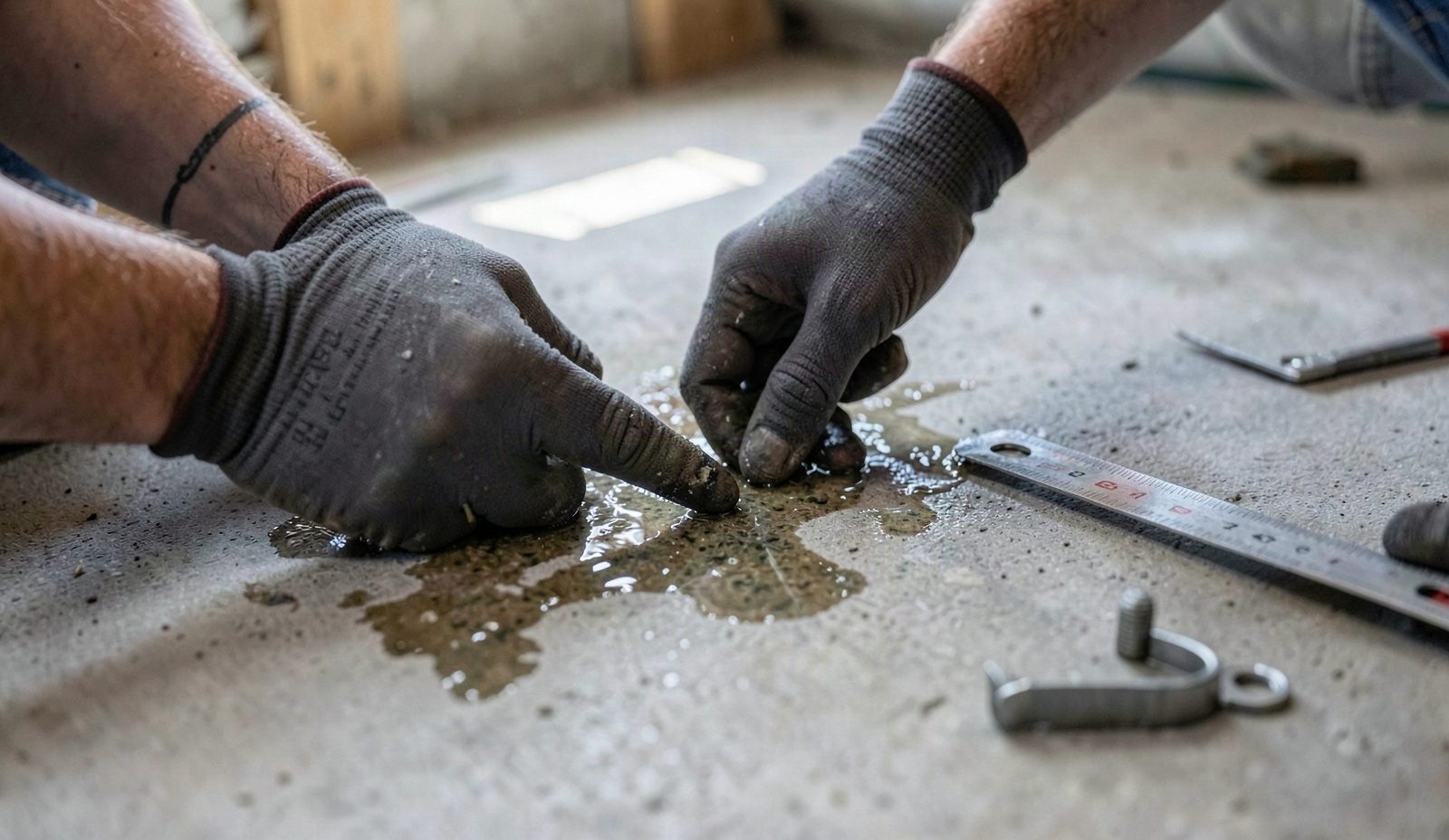
Every visit starts with isolation, not cutting. We shut every fixture in the house, then read static water pressure at an outdoor spigot with a calibrated gauge. Anything above 80 psi triggers a requirement under Section 604.8 of the International Plumbing Code for a pressure-reducing valve, and elevated pressure also accelerates pinhole failures in copper, so that number gets logged and addressed regardless of where the leak sits. With the system isolated, we watch the water meter's low-flow indicator. Any movement with everything off confirms an active leak somewhere in the supply side rather than a drain issue.
Location comes next with an acoustic listening device, a sensitive microphone pressed to the slab or an exposed pipe in a grid pattern across the suspect area. A pressurized leak produces a distinct rushing or hissing tone that peaks in volume as the sensor approaches the source, narrowing the search to a few square feet. On drain-side suspicion, we run a smoke or dye test down the line and watch for it surfacing through slab cracks or exterior weep points. A thermal imaging camera can flag a warm plume on the floor surface if the leak is on a hot water line, since hot water raises surface temperature a degree or two in a pattern a cold line never produces.
The repair decision hinges on scope, not preference. A single confirmed leak on an otherwise sound copper line usually calls for spot repair, cutting a small section of slab, exposing the pipe, and replacing a short run. Multiple leaks, or a galvanized line corroding from the inside, point toward a full reroute, abandoning the under-slab line and running new PEX-A tubing through the attic and walls instead. Trenchless epoxy lining, the technology behind systems like Nu Flow and Perma-Liner, cures a resin sleeve inside the existing pipe without cutting concrete at all, but it only works on pipe still round and clean enough to accept a liner, which rules it out on badly corroded galvanized runs. We tell you which category your leak falls into before any tool touches the floor.
If this sounds close but not quite your situation, backflow prevention & testing may be the better starting point.
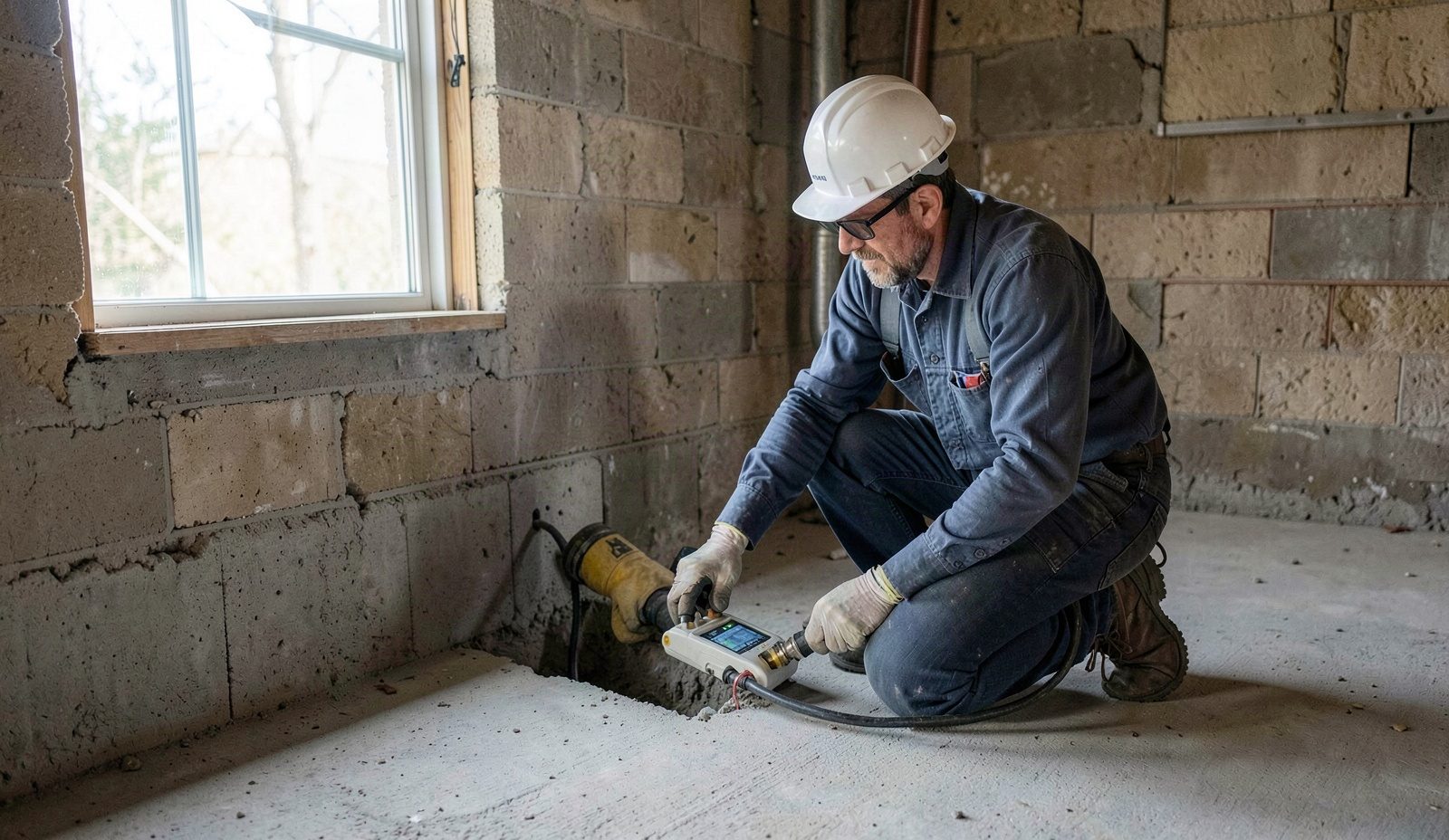
You describe the symptoms on the phone, warm floor, high bill, running-water sound, and we schedule a diagnostic visit around how urgent that sounds. On site, the technician isolates the water system, reads static pressure at an outdoor spigot, checks the meter for movement, and sweeps suspect areas with acoustic listening equipment. You see the readings as they're taken and get a plain explanation of where the leak sits and why, spot repair territory or something wider, before any tool touches the slab.
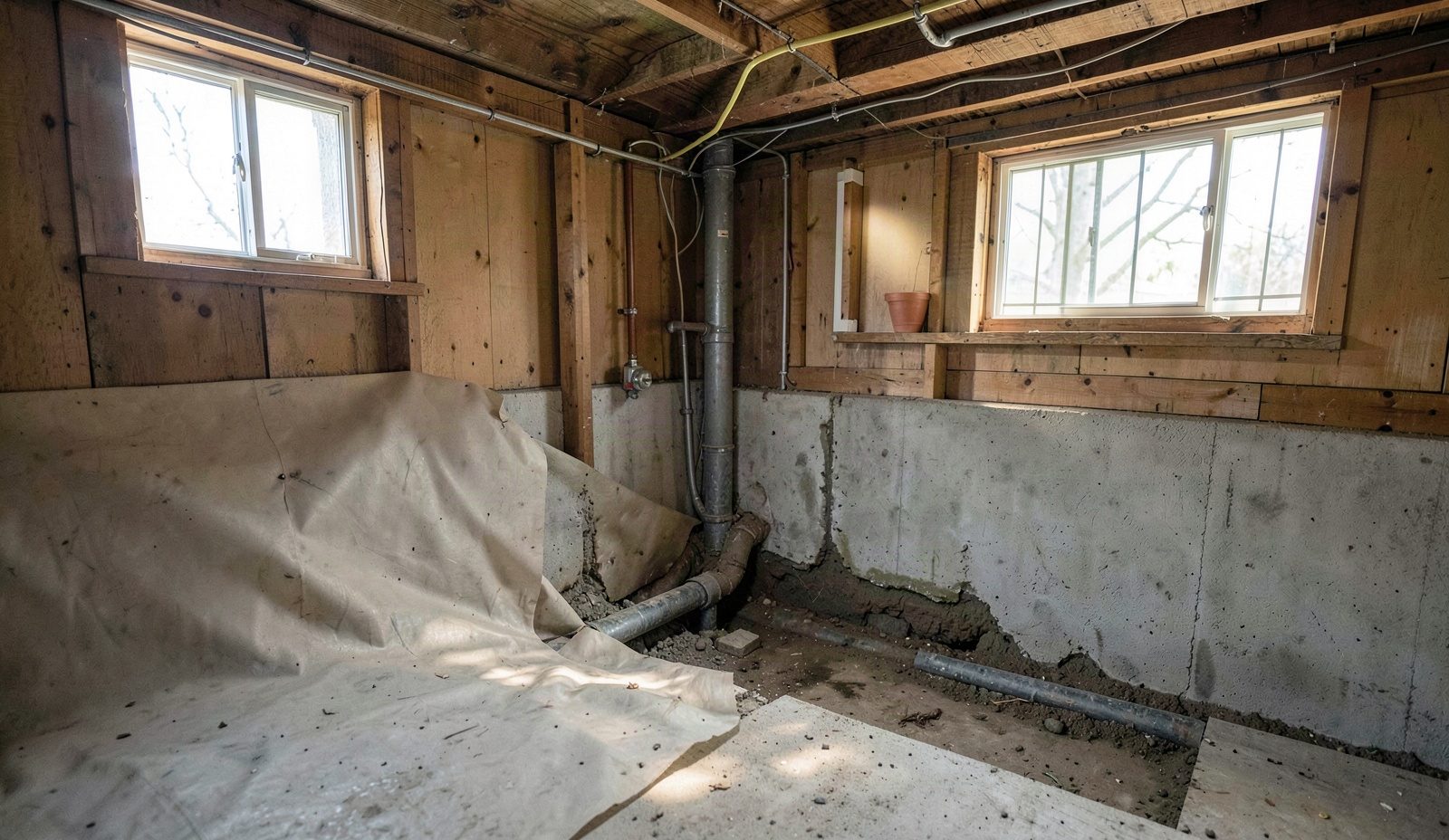
Once you approve the written estimate, the crew masks flooring and cabinetry, then opens the slab with a dust-shrouded saw at the marked location. For a spot repair, the damaged section of copper or PEX gets cut out and replaced with a soldered or crimped fitting matched to the existing line size. If the diagnosis called for a full reroute instead, new PEX-A tubing runs through the attic to each fixture, and you approve that routing before any wall gets opened.
Before backfilling or closing any opened wall, we pressure test the repaired line and watch the gauge hold steady over several minutes with no drop. Drain-side repairs get a water test down the line, watching the joint for seepage. We walk the repair with you, point out what's now visible under the slab or in the attic, and leave you with photos and the pressure readings for your records, useful if a foundation contractor or an insurer asks for documentation later.
Plumbing work in Fort Worth falls under the City of Fort Worth plumbing code, based on the International Plumbing Code, and that code draws a real line between minor repair and structural work. A like-for-like spot repair on an existing line often doesn't require a permit. A full reroute or any work that changes the piping path typically does, and that permit runs through the City of Fort Worth Development Services Department, the office with final say on what's required for any given scope. An out-of-area crew that doesn't pull that permit leaves you holding the liability if the work surfaces during a home sale or an insurance claim.
Local housing stock also changes what a technician should expect before they ever open a wall. A slab-on-grade ranch built in the 1960s carries different drain slope and vent stack conventions than a 1990s two-story with engineered foundation plans, and a crew unfamiliar with either can misjudge access points, cut in the wrong spot, or miss a cleanout that was relocated during a prior remodel. That kind of miscalculation adds hours to a job that a crew with local reps would have planned around from the first walk-through.
Response logistics matter just as much on a leak that's actively undermining a foundation. A crew that knows which Fort Worth blocks sit on the most reactive clay can flag a homeowner's foundation contractor early, coordinating pipe repair with any piering work already scheduled instead of doing one job that undoes the other. Reach a technician directly at (817) 710-3766 to talk through what your specific address and pipe age suggest before any work begins.
More detail on gas leak detection & repair is on its own page.
Your local utility, Payment options, publishes service and water-quality information every Fort Worth homeowner should know.
Call (817) 710-3766 and you get a same-week or same-day slot depending on how the leak is behaving. Active leaks with meter movement or wet flooring get priority dispatch. Slower leaks, the kind you catch from a water bill spike, get scheduled around your day rather than forced into a generic block. You get a two-hour arrival window the morning of the visit, and a text or call if traffic on the way to your address pushes that window. If parts sourced for a specific fitting size need a return trip, we tell you that at diagnosis, not after we've already opened the slab.
Before a saw touches concrete, we lay drop cloths from the door to the work area and mask nearby cabinetry or baseboards with painter's tape and plastic sheeting. Concrete cutting uses a wet saw or dust-shrouded equipment tied to a HEPA-filter vacuum, keeping silica dust from settling on your floors and furniture. Excavated fill dirt goes into lined buckets, not onto a tarp that shifts underfoot. When the repair is done, we haul the removed pipe, broken concrete and dirt off site and vacuum the work area before we ask you to walk through it.
Slab leak repair cost tracks four things: how deep the pipe sits under the slab, how far it is from an exterior wall or plumbing chase, whether the fix is a spot repair or a full reroute, and the pipe material we find once we're in. Copper repair and PEX reroute price differently because of material and labor hours, not markup. After the diagnostic, we walk you through the written estimate line by line, showing which line items change if we hit something unexpected like a second joint failure, and nothing gets cut until you approve that scope in writing.
Every technician passes a background check before they're assigned to a Fort Worth address alone. New hires shadow a lead tech through a set number of slab leak calls, running the pressure tests and listening equipment under supervision before they're cleared to diagnose independently. We run regular refreshers on the current plumbing code cycle so field decisions, especially around permit thresholds and drain slope, stay current rather than based on habits from a prior code edition. Field competence gets checked again anytime a tech's repair method or diagnostic call gets flagged during quality review.
Locating and repairing a slab leak yourself is not realistic for most homeowners. Finding the leak without acoustic listening equipment or a static pressure gauge means guessing at a cut location, and cutting concrete blind risks hitting rebar, other pipes, or an electrical conduit run through the slab. Even if you find it, matching fittings correctly to old galvanized or cast iron and re-testing the joint under pressure takes tools and experience most households don't have on hand. A misjudged cut can turn a single spot repair into a much larger opening.
Estimates come after the diagnostic visit, not before it, since pricing depends on what the pressure test and listening sweep actually find. The technician walks through a written, line-item quote on site the same day, showing what changes if the repair scope shifts once the slab is open. Nothing gets cut until you sign off on that scope, and any change beyond it triggers a new approval before work continues.
A diagnostic visit takes about one to two hours depending on how large the search area is. A confirmed spot repair often finishes the same day, cut to patch, once the leak location is marked. A full reroute through the attic runs longer, typically two to three days depending on slab access, number of fixtures served, and any drywall repair needed where new lines pass through walls.
Mondays and the day after a holiday closure tend to be the busiest, since problems that started over the weekend finally get called in. In Fort Worth, the days right after a hard freeze spike even higher, as thawing lines reveal breaks that happened overnight. Shield Plumbing Fort Worth staffs through the weekend itself specifically to catch these failures before that Monday backlog builds.
It depends on the scope of the work, not the fact that a backflow device is involved. Routine annual testing and like-for-like rebuilds of an existing device typically do not require a permit, but a new backflow preventer installation or a change in device location or classification usually does. The final call belongs to the City of Fort Worth Development Services Department for Fort Worth addresses, and a technician confirms which category your job falls into before starting.
Most Texas water utilities, including Fort Worth cross-connection control program, require an assembly test once every 12 months to keep a property in compliance. Some high-hazard devices, like those on chemical feed lines or fire sprinkler antifreeze loops, get flagged for more frequent checks by the property's insurer even when the utility only requires the annual filing. Missing the annual window restarts the clock on a citation, so we track renewal dates for properties with multiple devices so nothing lapses.
The February 2021 freeze burst pipes across Tarrant County by the tens of thousands, and most of those failures were supply lines running through attics and exterior walls rather than under slabs, a reminder of how much of the metro's piping is original and aging past its intended life. Neighborhoods across the Near Southside, Wedgwood, Ridglea Hills and the Cultural District mix mid-century slab construction with additions and remodels from several later decades, so a single house can have three different pipe materials feeding one system. A technician working here plans for that variance, testing each branch rather than assuming the whole house shares one pipe type or one age.
Fort Worth requires an open trench inspection before backfill covers any repaired line involving a foundation penetration or pipe reroute, confirming pipe support, joint quality and drain slope meet the locally adopted plumbing code before the ground closes over it. That inspection step is also why local familiarity matters more than a low quote. A technician who has scheduled that inspection before knows the paperwork, the timing, and what the inspector checks, so the job doesn't stall waiting on a step an out-of-area crew didn't plan for.
Explore our service area and locate Shield Plumbing Fort Worth with ease. We're proudly local and serve the surrounding neighborhoods with fast response and honest pricing. Use the map to check our coverage area, or call us and we'll confirm in seconds.
Address:
Shield Plumbing Fort Worth, 210 W 7th St, Fort Worth, TX 76102
5 Signs Your Ridglea Hills Home Has a Slab Leak, practical local guidance from Shield Plumbing Fort Worth, Fort Worth's trusted plumbing tea…
Read More
What Wedgwood Residents Should Know Before a Whole-Home Repipe, practical local guidance from Shield Plumbing Fort Worth, Fort Worth's trust…
Read More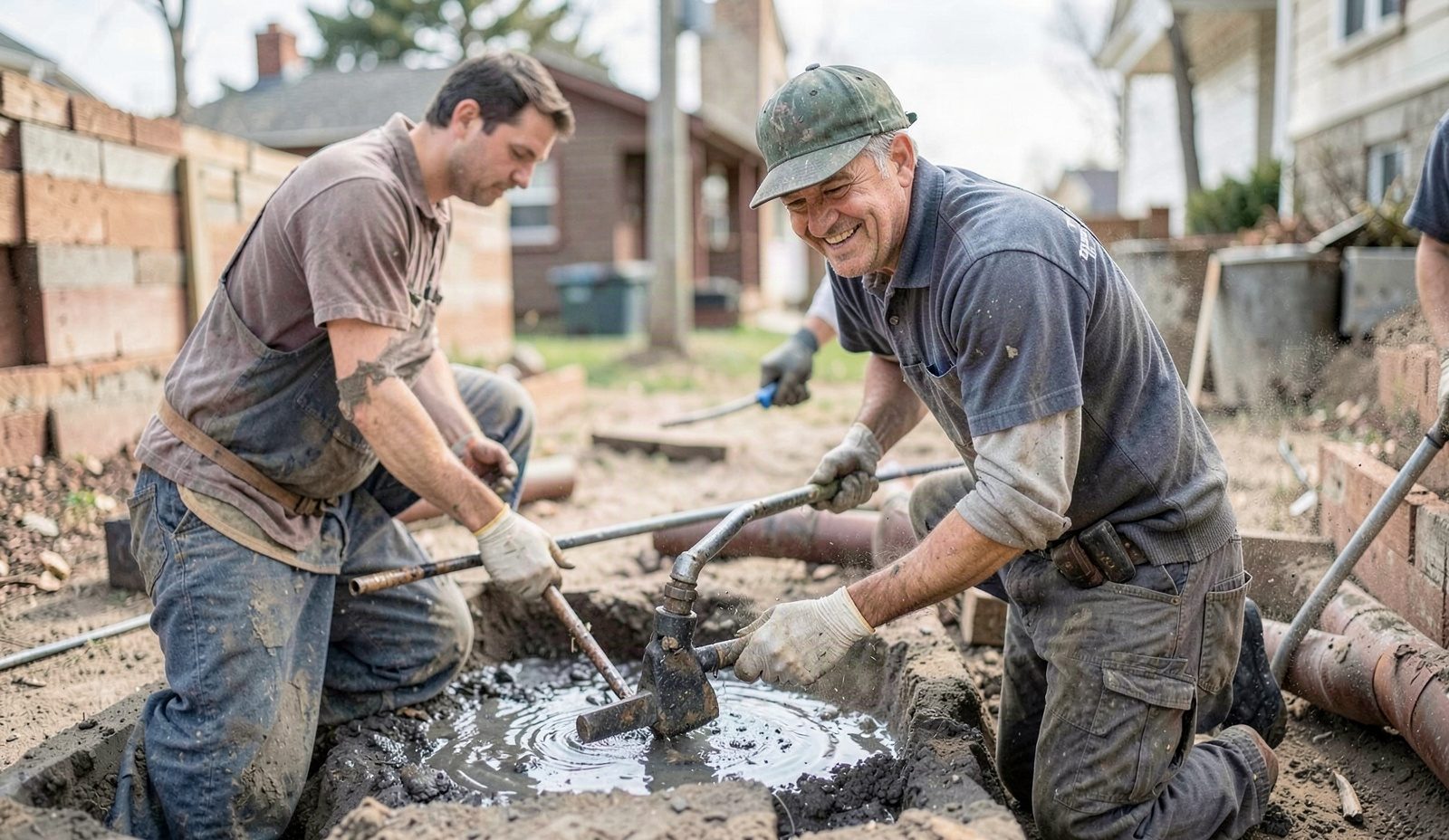
How Fort Worth's Hard Water Is Quietly Destroying Your Water Heater, practical local guidance from Shield Plumbing Fort Worth, Fort Worth's …
Read More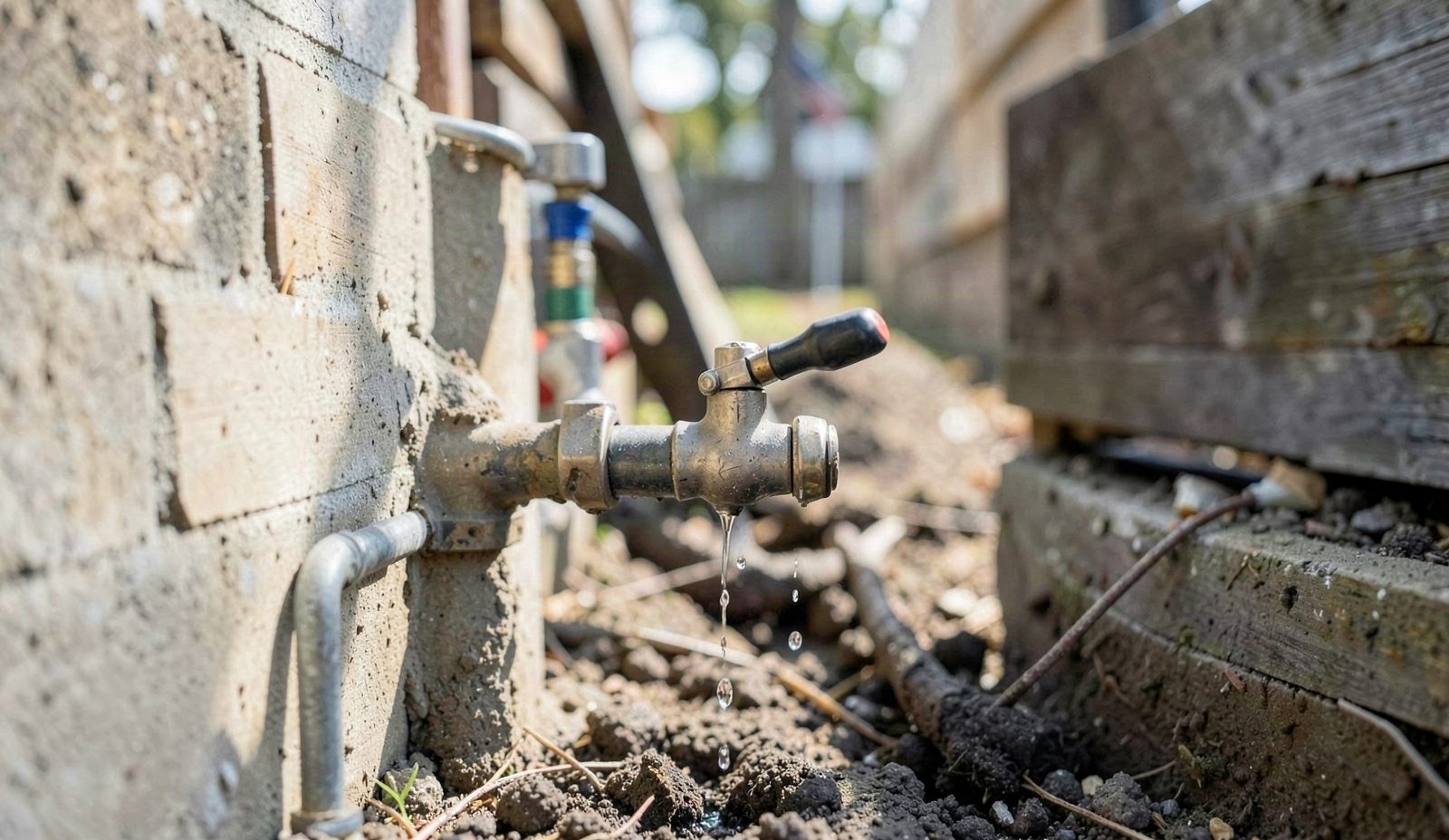
The Hidden Cost of Ignoring a Dripping Faucet in Fort Worth, practical local guidance from Shield Plumbing Fort Worth, Fort Worth's trusted …
Read More