
June 20, 2026
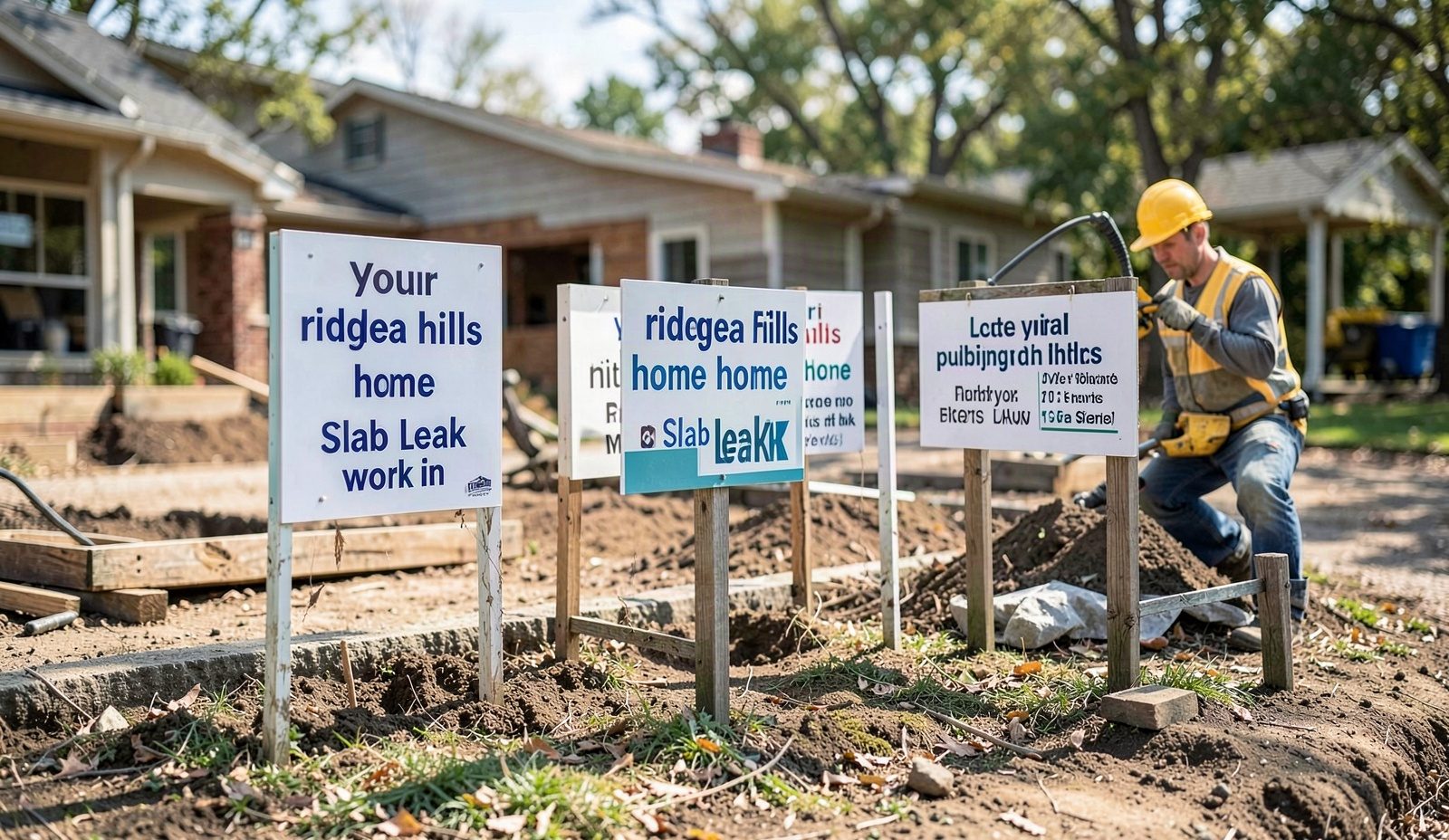
5 Signs Your Ridglea Hills Home Has a Slab Leak
5 Signs Your Ridglea Hills Home Has a Slab Leak, practical local guidance from Shield Plumbing Fort Worth, Fort Worth's trusted plumbing tea…
Read More




A drain that gurgles every time the dishwasher runs, a water stain spreading across the ceiling under an upstairs bathroom, a toilet that rocks slightly when you sit down. These are the calls that come into plumbing repair services across Fort Worth every week, and they almost never start big. Homeowners in bungalows near Fairmount and Arlington Heights notice a slow drain first, then a smell of wet earth near the foundation, then a hairline crack tracking across the slab where a drain line used to sit flat.
The cause traces back to the ground itself. North Texas expansive clay swells with rain and shrinks in drought, moving slab foundations enough to shear copper supply lines and separate drain joints under the house. That movement is slow and mostly invisible until a fitting finally lets go, and by then water has been finding its way into the soil under the slab for weeks.
Cold weather adds a second failure mode. The February 2021 freeze burst pipes across Tarrant County by the tens of thousands, and most of the failures were supply lines run through attics and exterior walls, the same construction found in Wedgwood homes built with minimal insulation around plumbing runs. A pipe that survived one hard freeze can still carry a hairline split that only weeps under full pressure, showing up as a damp insulation batt or a spike on the water meter months later.
Water quality wears on fixtures from the inside out. Fort Worth water is moderately hard, and the scale it leaves on heating elements is a leading reason local water heaters fail years before their rated life, along with reduced flow through aerators and shower heads. Ignore any of this and the failure gets more expensive to fix, not less severe: a hairline slab leak becomes a saturated subfloor, a weeping attic line becomes a soaked insulation bay and a sagging ceiling, and a scaled water heater element becomes a tank that ruptures onto a garage floor. Local plumbers who work this soil and this water every week catch these patterns before they become the second kind of call, the emergency kind.
See shower & bathtub plumbing for how the related work is scoped and priced.
Permit and inspection questions? Development Services is the office we coordinate with on every permitted Fort Worth job.
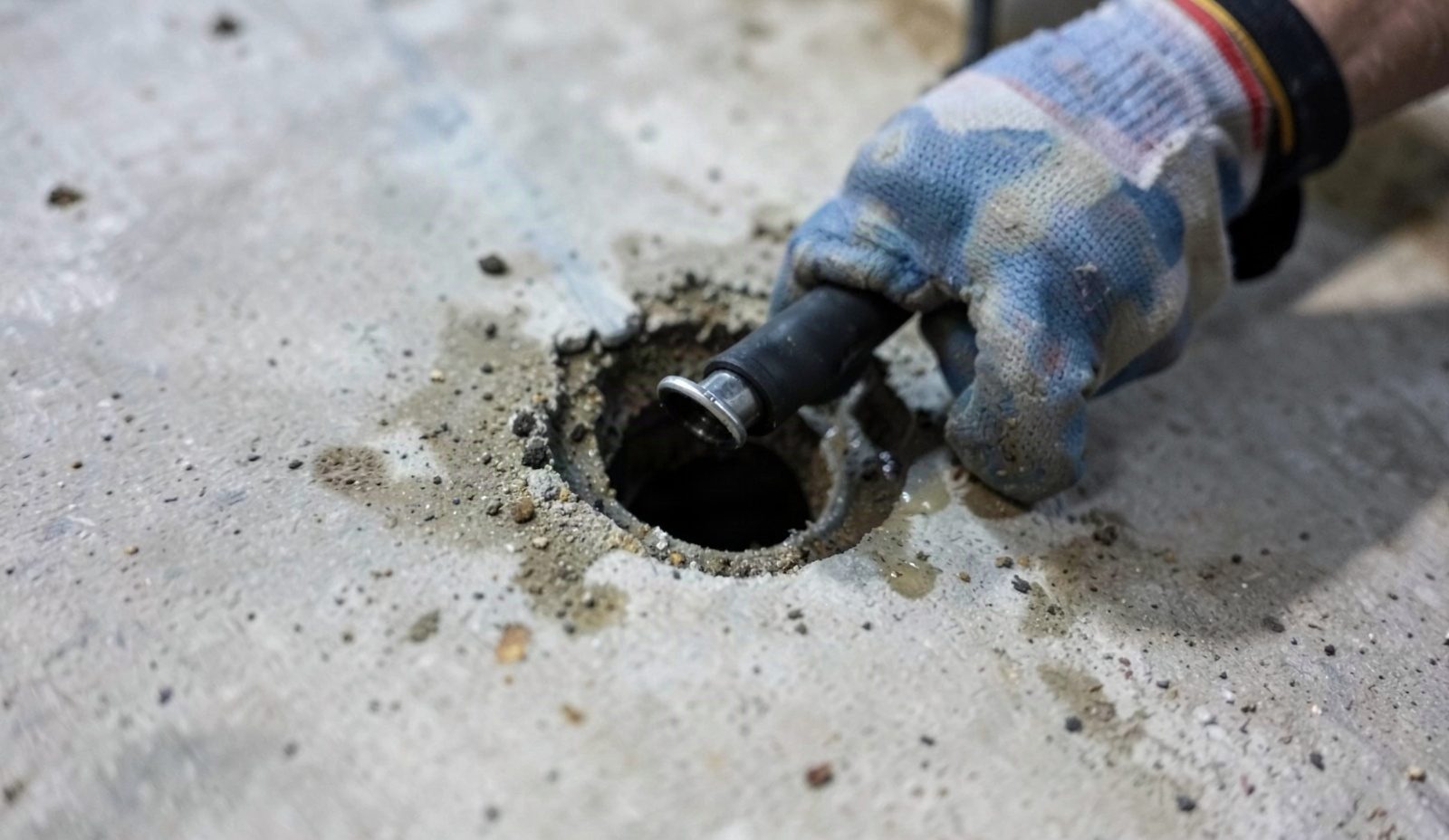
Every service call starts with a pressure reading. A technician screws a gauge onto an outdoor spigot and reads static water pressure before touching a single fixture. Section 604.8 of the International Plumbing Code requires a pressure-reducing valve where static water pressure at the fixture exceeds 80 psi, and homes on the higher end of Fort Worth's municipal supply routinely test past that number. A reading above 80 psi tells us that failing fixtures, screaming toilet fill valves and a dripping water heater relief valve are symptoms of one upstream problem, not four separate repairs.
Pipe material choice matters as much as the fix itself. PEX-A, the Uponor system, uses expansion fittings that let the pipe stretch back to shape after a freeze, which is why it tends to hold up better through a hard freeze than PEX-B systems like Viega, which rely on crimped or cinched fittings with less expansion tolerance. Copper Type L still gets specified for exposed runs and water heater connections where inspection history favors it, even though it costs more and takes longer to sweat into place than either PEX option. On a repipe estimate, the decision comes down to what the inspection finds: how much of the existing line is galvanized, how the attic runs are insulated, and how many fixture branches need to tie in.
Diagnosis goes past pressure. A borescope camera runs the drain line to find the actual break point instead of guessing from a surface stain. A moisture meter reads the subfloor and drywall around a suspected leak in percentage points instead of a hand pressed against the wall. On water heaters, a multimeter checks element resistance and the anode rod gets inspected for a pitting pattern that signals the tank is nearing the end of its service life. Professional plumbers use these readings to decide whether a repair holds or a section needs replacement.
More detail on 24/7 emergency plumbing services is on its own page.
Plumbing code in most jurisdictions traces back to the Uniform Plumbing Code maintained by IAPMO, it's the rulebook behind our permit work.
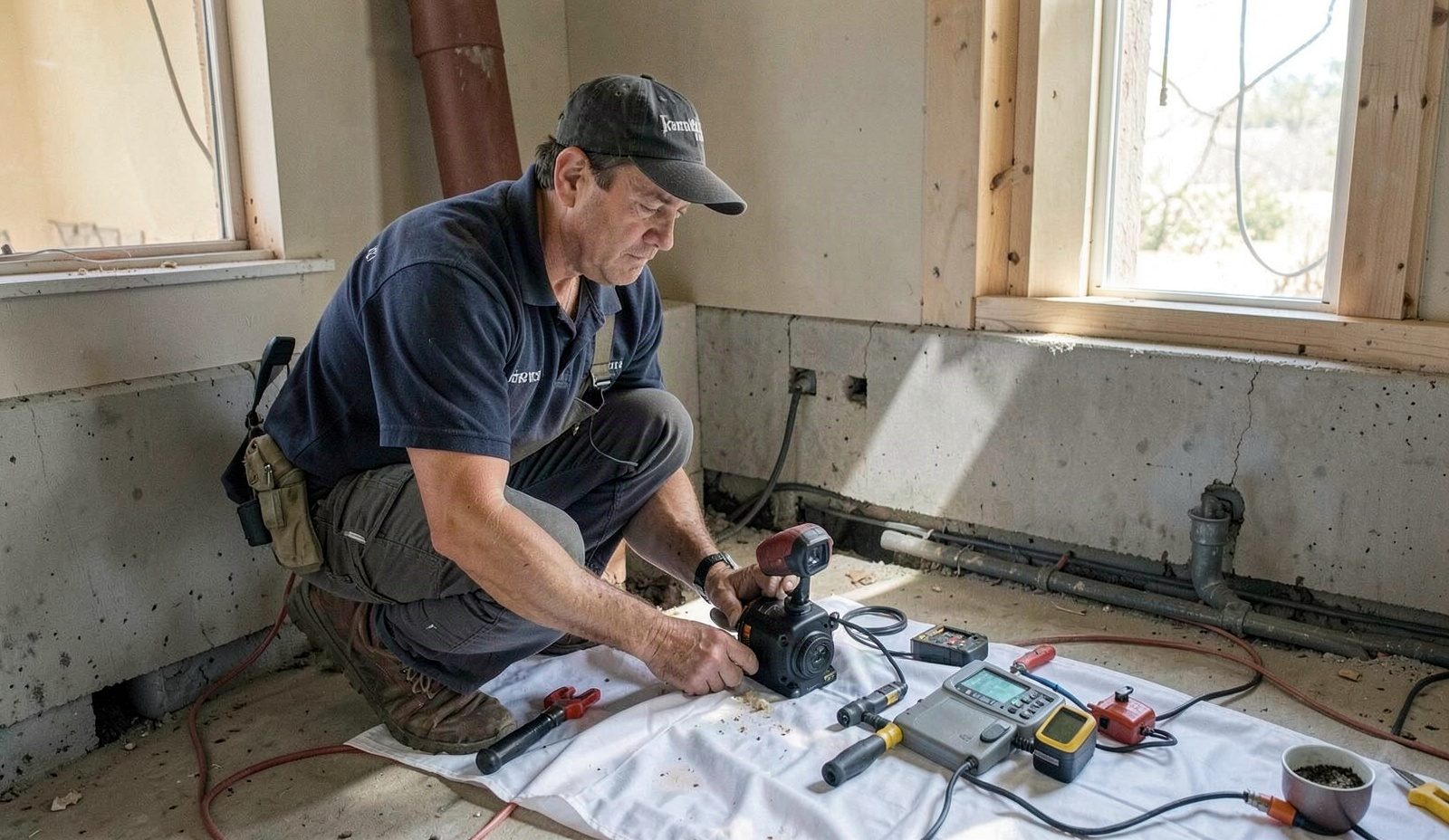
You call (817) 710-3766 and describe the symptom: slow drain, no hot water, water at the baseboard. A technician arrives inside the arrival window and starts with a visual walkthrough, checking the fixture, the shutoff valve and any visible staining before opening anything. Static pressure gets read at the nearest spigot, and a camera or moisture meter comes out if the problem is inside a wall, under a slab or behind a drain line. You see the reading on the gauge and hear the technician explain what it means before any tool touches a pipe.
The technician writes the scope and price on a work order and waits for your signature before cutting into drywall, slab or a fixture connection. Drop cloths go down first, then the repair proceeds, whether that means sweating a copper joint, expansion-fitting a PEX-A section or replacing a wax ring under a toilet. Any decision that changes scope, a galvanized branch found mid-repair or a drain fitting that crumbles on contact, gets a phone call and a revised price before work continues.
Before the technician leaves, the repaired line gets pressure tested and run under full flow to confirm the fix holds, and any drain repair gets checked with water and, where relevant, a camera pass to confirm the line runs clear. The technician walks the work area with you, points out what changed and answers questions about upkeep. Photos of the completed work and the readings taken get left with you or emailed for your records, useful if the work ties to a home sale or an insurance question later.
Work performed inside Fort Worth city limits falls under the City of Fort Worth plumbing code, based on the 2021 International Plumbing Code, and that code governs everything from vent sizing to trap arm length on a bathroom remodel. Plumbing contractors who normally work outside Tarrant County do not always know these specifics, and a repair that looks fine on the surface can fail an inspection or create a slow drain problem the homeowner did not have before the fix.
Pre-1970 neighborhoods across the metro were plumbed with galvanized steel supply lines and cast iron drains, both now at or past the end of their service lives, and that construction shows up block by block in the older sections of the city. A technician who has cut into a dozen of these systems knows the steel will be scaled down to a pinhole opening inside a pipe that still looks solid from outside, and knows which transition fittings connect old cast iron cleanly to new PVC without leaving a joint that leaks under vibration. That kind of pattern recognition only comes from working the same housing stock repeatedly, not from a general plumbing background.
Response logistics matter as much as technical knowledge. A dispatcher who knows Fort Worth streets gets a technician to the right address without a wrong turn costing thirty minutes during an active leak. Call (817) 710-3766 and describe what you are seeing. The person answering has fielded enough of these calls to ask the two or three questions that tell a technician what to load on the truck before they leave, so the first trip is usually the only trip.
Our page on apartment complex plumbing covers that side of the work in more depth.
Booking starts with a phone call. Tell the dispatcher what you're seeing and whether water is actively moving, and you get a two-hour arrival window instead of an all-day guess. Same-day slots open most weekdays for standard plumbing repair services, and any call involving active water loss moves to the front of the schedule. If a prior job runs long, the office calls before your window closes so you aren't left watching the clock. Technicians send a text about twenty minutes out, giving you time to secure pets or move a car before the truck pulls up.
Every technician carries drop cloths and shoe covers into the house before touching a toolbox. Work areas under sinks and around water heaters get lined with absorbent mats to catch drips from disconnected fittings. Any drywall or slab access cut during a repair gets contained with a vacuum running right at the cut line as it happens. Old pipe, fittings and packaging leave with the crew in the truck, never in your trash cans. Before asking for a signature, the technician wipes down the work area and checks for tool marks, stray screws or debris left in a cabinet.
A quote for plumbing repair services depends on scope, access and the condition found once the wall or slab opens. Cutting into a slab for a drain repair prices out differently than a fixture swap under a sink, and a galvanized branch found mid-repair adds material and labor a fixture-only estimate never counted. The technician writes the price on a work order before starting, walks through what drives each line, and waits for your approval before cutting anything. Shield Plumbing Fort Worth offers a few payment options at the time of approval, so the financial side is settled before the crew packs up.
Every technician goes through a background check before being assigned a service address, and new hires ride with a senior technician on live calls before working solo. Ongoing training keeps the crew current on the plumbing code cycle the city has adopted, including fixture and venting requirements that change how a remodel or water heater swap gets approved. Field competence gets checked through supervisor spot visits and a review of the diagnostic readings logged on each job, pressure, temperature and camera footage, before a technician runs calls without oversight. Professional plumbers on this team know the difference between a fix that passes and one that lasts.
Same-day service is available most weekdays for standard plumbing repair services, and active leaks get priority scheduling ahead of routine calls. Availability depends on how many active water-loss calls are already on the board that day, so calling earlier improves your odds of a same-day slot. Describe what you're seeing when you call, and the dispatcher gives you a realistic window instead of a vague promise. Non-urgent repairs can also be booked days out if same-day timing doesn't fit your schedule.
Duration depends on the specific repair, a faucet swap takes under an hour while a slab leak repair can run a full day once the concrete is cut and the line exposed. Access is the biggest variable in Fort Worth homes: a line running under a finished floor or through a brick exterior wall adds time a technician cannot know until it's opened. Most standard plumbing repair services, water heater swaps, toilet reseals, drain clears, finish within a single visit. Anything requiring a permit or an inspection adds a second visit for city sign-off.
It depends on the scope, full replacements and structural changes typically need a permit while minor like-for-like repairs often do not. A water heater swap or a sewer line replacement usually requires a permit and inspection, while replacing a faucet cartridge or clearing a drain typically does not. The city permitting office makes the final call on anything in between, and a technician who pulls permits regularly can tell you which category your repair falls into before work starts.
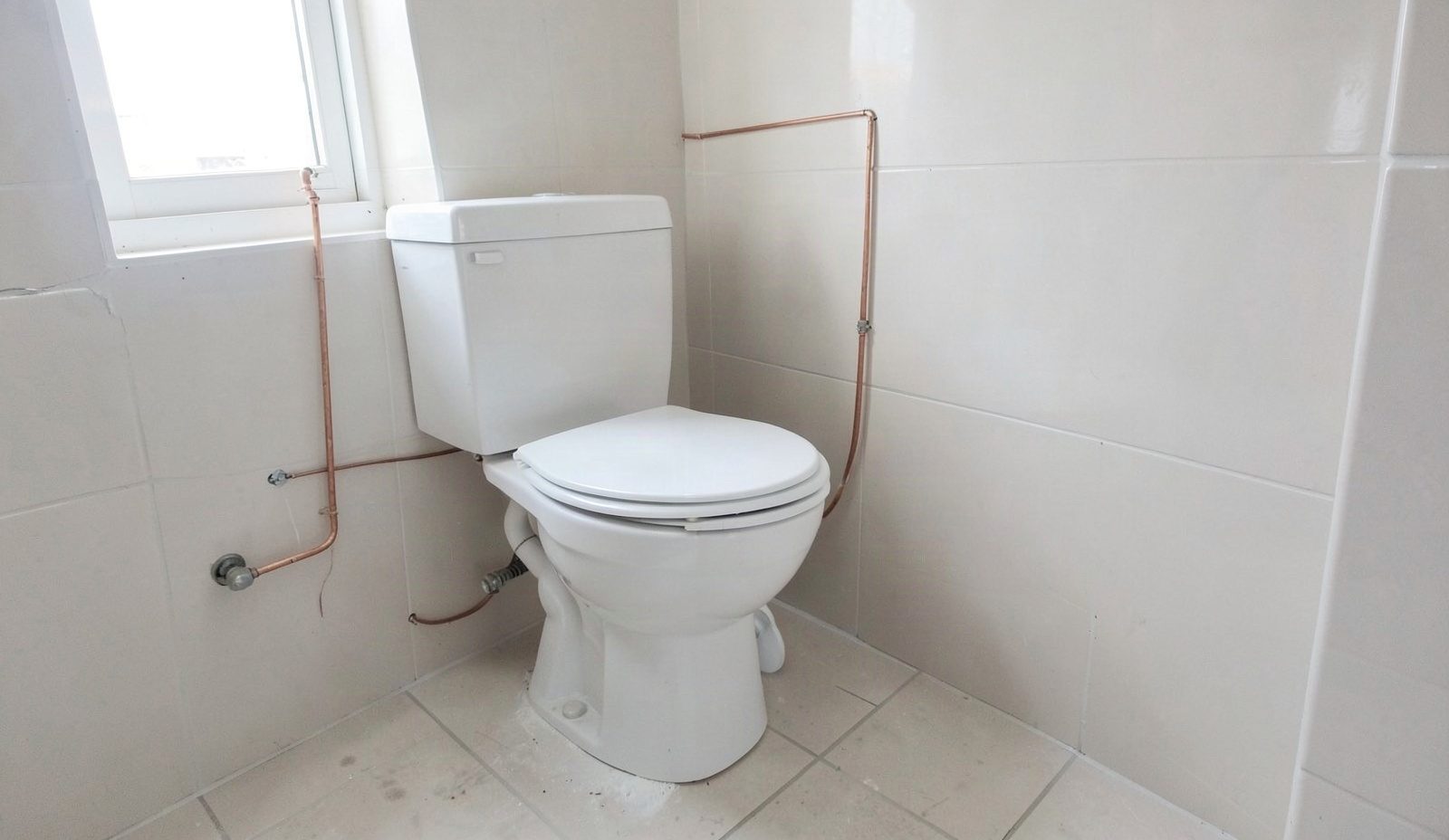
Repair cost depends on which part failed and how the failure damaged anything around it. A flapper or fill valve swap is minor work. A flange repair that requires pulling the bowl and checking subfloor condition underneath costs more because of the labor and materials involved, not because the part itself is expensive. Fort Worth clay soil can shift a flange out of level even on a well-maintained bathroom, which sometimes turns what looked like a simple wobble into a flange-level repair once the bowl comes off.
The test is a series of physical readings, not a written quiz. A technician checks each moving part in the assembly, meaning a two-check assembly gets two readings and a relief-valve assembly gets a few more, all logged on one report. There's no pass or fail based on opinion, only whether each valve's reading clears its required minimum.
Industrial pipe repair cost in Fort Worth depends on pipe material, line pressure rating, access conditions, and whether the work qualifies as a permitted modification under the City of Fort Worth adopted plumbing code. A rooftop or exposed line repair typically runs less than a buried header replacement requiring excavation and permit review. A written quote follows an on-site inspection, not a phone estimate, since scope changes once a section is opened.
Most homes near the Near Southside and Ridglea Hills sit on slab-on-grade foundations, which means drain and supply repairs under the house mean cutting concrete instead of dropping into a crawlspace. That changes how a job gets scoped: locating the line with a camera and a listening device before cutting saves a homeowner from an oversized hole in a finished floor. Summer heat past 100 degrees expands PVC and CPVC fittings enough to change how tight a solvent weld needs to be, and installers account for that expansion gap on rooftop and attic runs near the Cultural District, where older commercial-to-residential conversions still carry mixed pipe generations from different decades.
Structural plumbing work inside city limits, a full repipe, a sewer line replacement, a new bathroom rough-in, generally needs a permit from the City of Fort Worth Development Services Department, while a like-for-like fixture swap or a faucet repair usually does not, with the department making the final call on anything in between. Technicians who pull permits regularly know what an inspector checks first, cleanout accessibility, trap arm length, vent sizing, and build the repair to pass that inspection on the first visit instead of scheduling a return trip. That familiarity matters more in a city where a large stock of aging housing keeps inspectors busy and reschedules cost homeowners real time.
Explore our service area and locate Shield Plumbing Fort Worth with ease. We're proudly local and serve the surrounding neighborhoods with fast response and honest pricing. Use the map to check our coverage area, or call us and we'll confirm in seconds.
Address:
Shield Plumbing Fort Worth, 210 W 7th St, Fort Worth, TX 76102
5 Signs Your Ridglea Hills Home Has a Slab Leak, practical local guidance from Shield Plumbing Fort Worth, Fort Worth's trusted plumbing tea…
Read More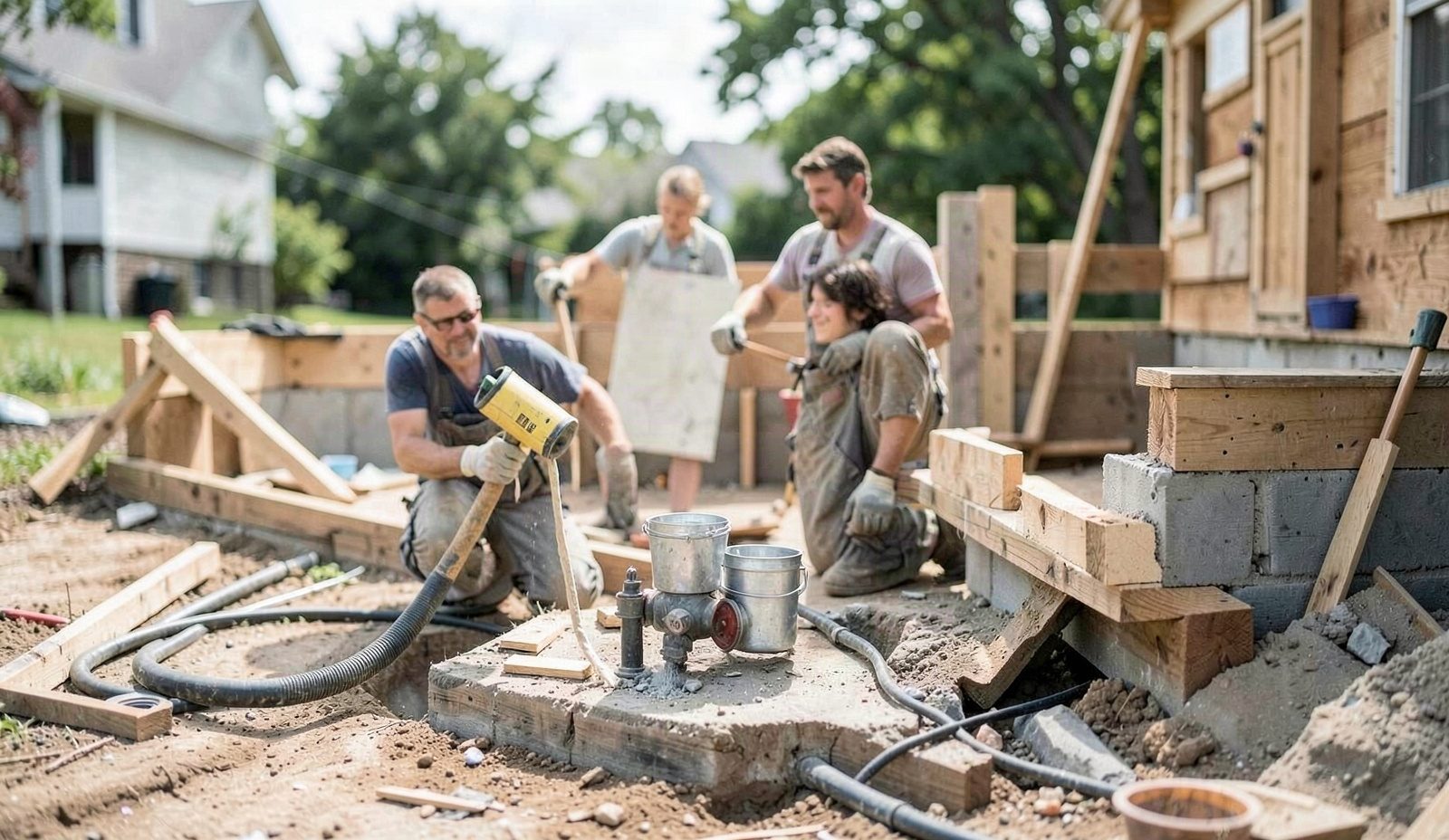
What Wedgwood Residents Should Know Before a Whole-Home Repipe, practical local guidance from Shield Plumbing Fort Worth, Fort Worth's trust…
Read More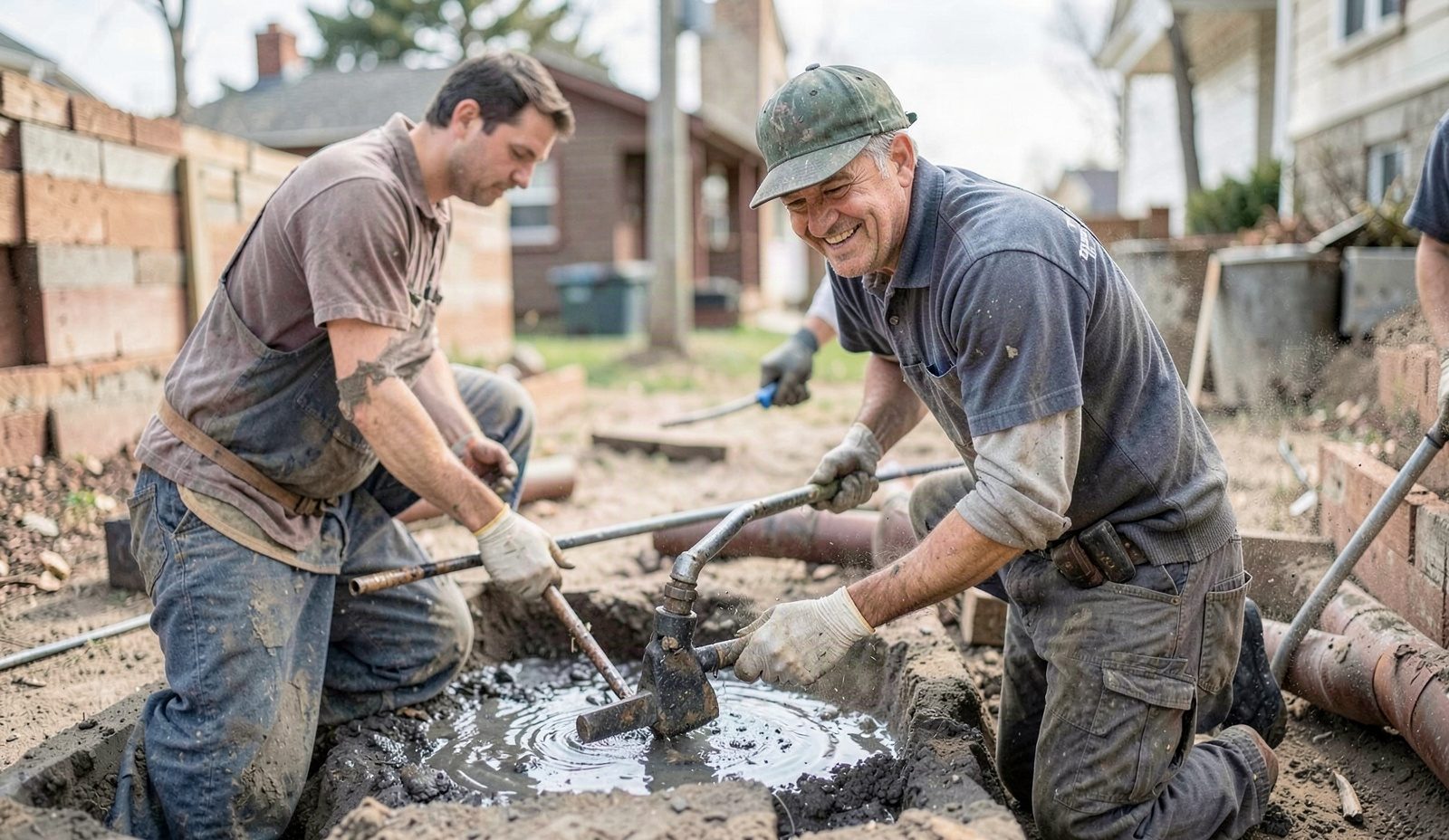
How Fort Worth's Hard Water Is Quietly Destroying Your Water Heater, practical local guidance from Shield Plumbing Fort Worth, Fort Worth's …
Read More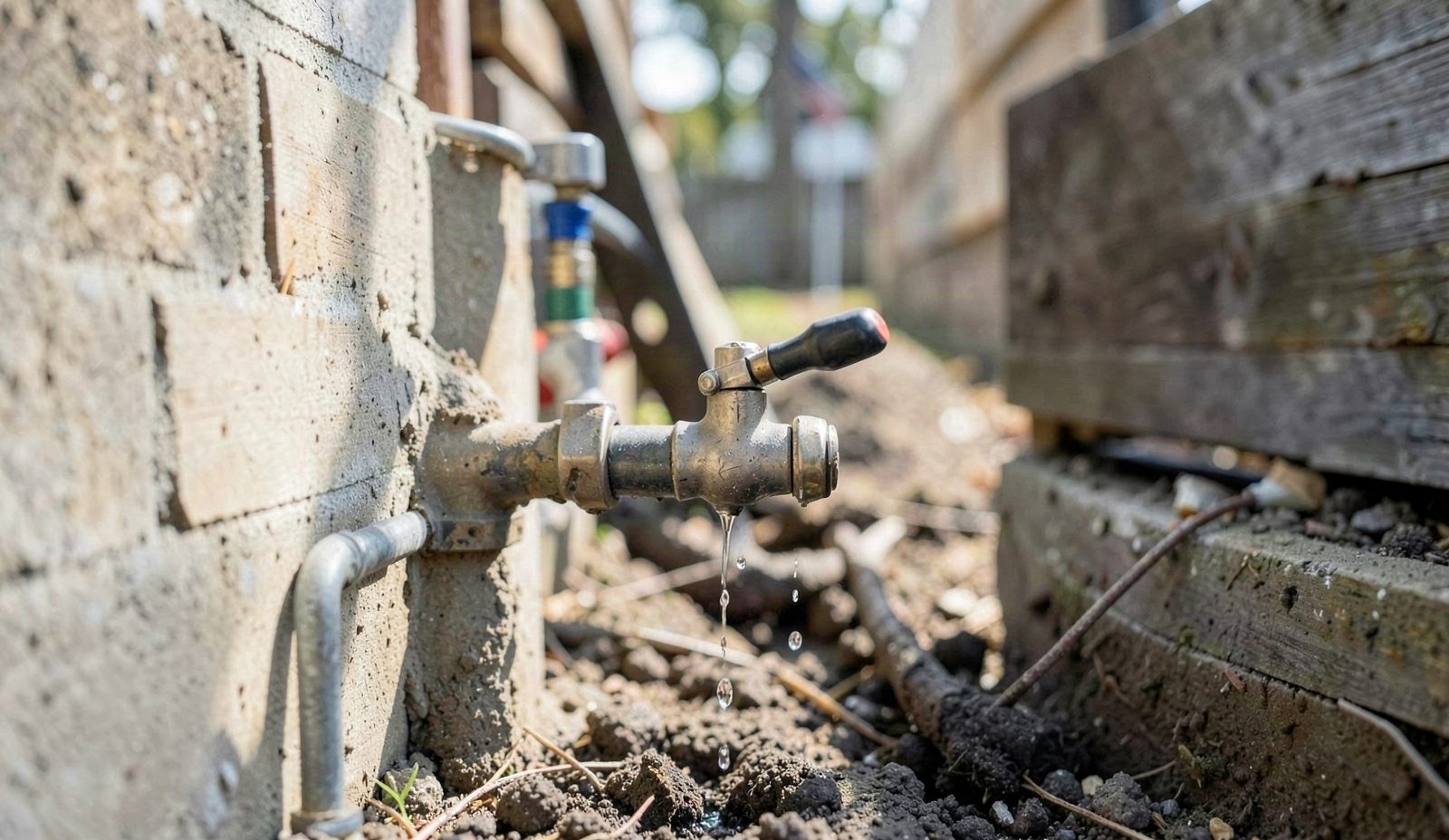
The Hidden Cost of Ignoring a Dripping Faucet in Fort Worth, practical local guidance from Shield Plumbing Fort Worth, Fort Worth's trusted …
Read More