
June 20, 2026
5 Signs Your Ridglea Hills Home Has a Slab Leak
5 Signs Your Ridglea Hills Home Has a Slab Leak, practical local guidance from Shield Plumbing Fort Worth, Fort Worth's trusted plumbing tea…
Read More




A water bill that climbs month over month without a change in habits usually means water is escaping somewhere you cannot see. You hear it before you see it: a faint hiss behind a wall, a toilet tank that refills itself every few minutes, a damp cool spot on the slab near a bathroom. None of that is normal wear. It is water leaving your system before it ever reaches a faucet you control.
North Texas expansive clay swells with rain and shrinks in drought, and that constant movement shifts the slab under your home enough to shear copper supply lines and pull drain joints apart beneath the house. In bungalow blocks around Fairmount and Wedgwood, where original galvanized runs and mid-century copper still carry the water supply, that seasonal soil movement stresses joints that were never built to flex. A slow leak under a slab can run for months before a stain or a soft spot in the flooring gives it away.
Old fixtures make the problem worse even without a leak. A pre-1990s toilet can use several times the water of a current low flow model on every single flush, and older shower valves and kitchen faucets were built with no flow restriction at all. If you want to reduce water usage without ripping out plumbing, the fixtures themselves are usually the first place to look, not just the pipes.
Wait too long and the cost compounds. A slab leak that goes unaddressed keeps feeding moisture into the clay under your foundation, which can accelerate the very soil movement that caused it. A running toilet ignored for a year wastes water every single day it goes unnoticed. What starts as an inflated bill becomes a foundation issue, a mold issue under flooring, or both, and every one of those costs more to fix than the leak that started it.
Our page on benefits of water softeners covers that side of the work in more depth.
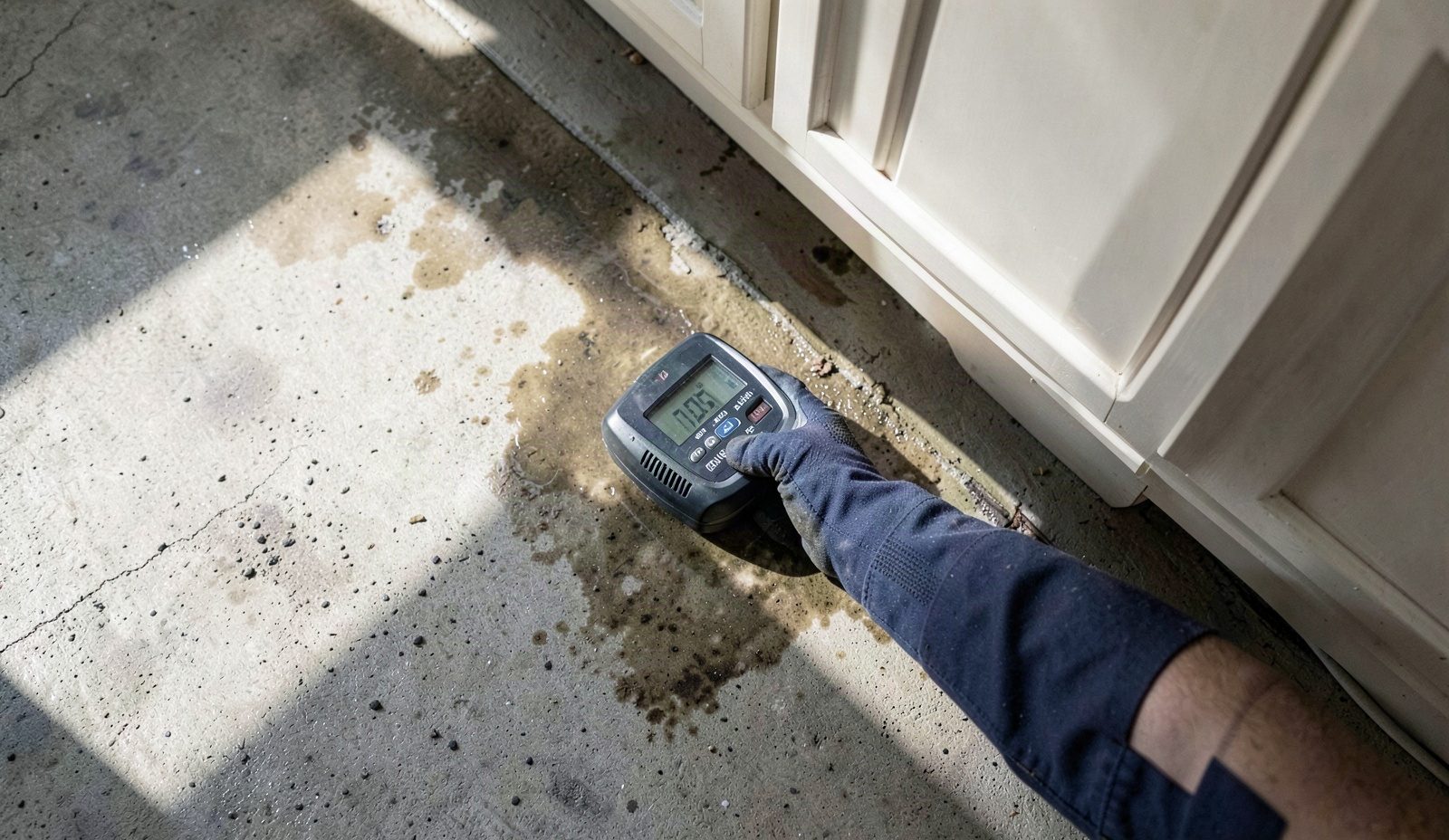
Every conservation visit starts with a number, not a guess. We read static water pressure at an outdoor spigot with a calibrated gauge. Under the plumbing code Fort Worth has adopted, based on the International Plumbing Code, a reading above 80 psi at the fixture requires a pressure-reducing valve under Section 604.8. High pressure does not just risk pipe failure, it forces more water through every fixture in the house than the fixture is rated for, which quietly inflates usage on every faucet and every flush.
From there we walk the fixture list room by room. A standard bathroom faucet aerator flows around 2.2 gallons per minute unless it has been swapped for a WaterSense-labeled model rated closer to 1.0 to 1.5 gpm, and the difference shows up on the meter within a single billing cycle. On toilets, we compare what is installed against current options like the Toto Drake or the Kohler Wellworth, both rated at 1.28 gallons per flush, against the 3.5 to 7 gallon tanks common in homes built before the 1990s. That gap alone accounts for a large share of indoor water use in older Fort Worth houses.
Fort Worth water is moderately hard, and the scale it deposits on heating elements is a leading reason local water heaters fail years before their rated life, which matters directly for conservation. A scaled element runs longer to heat the same volume of water, and a failing heater often gets compensated for by running the hot side longer at the tap. We check element condition and tank sediment as part of the same visit, because a water-saving plumbing plan that ignores the heater is only solving half the problem.
If this sounds close but not quite your situation, how to shut off main water valve may be the better starting point.

You call (817) 710-3766 and describe what you are seeing, a high bill, a running toilet, a damp spot near a wall. On site, the technician walks the house checking every fixture, reads static pressure at an outdoor spigot, and inspects the water heater for scale and sediment. You see the readings as they are taken and hear what each one means for your specific home, including whether the issue is a fixture, a pressure problem, or something further back in the supply line.
Once the written quote is approved, the technician protects the work area with drop cloths and begins the scoped work, whether that is swapping aerators and showerheads for WaterSense-rated models, installing a pressure-reducing valve, or replacing a toilet with a low flow unit. Any decision point that comes up mid-job, like finding corrosion on a supply line, gets reviewed with you before work continues. You approve each change before it happens, not after the invoice.
Before the technician leaves, pressure gets re-checked at the same outdoor spigot to confirm the reading now falls within code range, and every serviced fixture gets run to confirm flow and check for leaks at each connection. You walk the house together, fixture by fixture, and get a plain explanation of what changed and why. Any documentation relevant to permitted work gets left with you for your records.
Pre-1970 neighborhoods across the metro were plumbed with galvanized steel supply lines and cast iron drains, and both materials are now at or past the end of their service life. Galvanized pipe corrodes from the inside out, narrowing the bore and restricting flow long before it fails outright, which means a homeowner chasing water saving plumbing upgrades in one of these homes needs someone who recognizes that pattern on sight, not someone guessing from a service checklist written for new construction.
An out-of-area operator who does not know this housing stock will often recommend fixture swaps and stop there, missing the supply line behind the wall that is already restricting pressure or leaching sediment into every faucet. That gap in judgment costs homeowners a second service call and, in some cases, a wall repair that a first proper inspection would have caught. We look at the whole supply path, not just the fixture at the end of it.
Permit awareness matters here too. Full repipes and any structural plumbing work typically require a permit through the City of Fort Worth Development Services Department, while minor like-for-like fixture swaps generally do not, and the department makes the final call on any given scope. A technician who does not know that distinction either skips a required permit or delays a simple job waiting on paperwork it never needed. We plan the work against the actual requirement, not a guess, so your project moves at the right pace from the start.
More detail on water heater maintenance tips is on its own page.
Your local utility, Payment options, publishes service and water-quality information every Fort Worth homeowner should know.
You call and get a real arrival window, not a vague half day. Most water conservation assessments and fixture upgrades book within a few days of your call, and urgent leak-related requests get priority slotting. If a technician is running behind on a prior job, you get a call with an updated window before your appointment time passes, not after. Evening and weekend slots are available for households where a workday visit is not practical. You are told what to expect before the truck arrives, including which fixtures will be tested and roughly how long the visit takes.
Drop cloths go down under any sink, toilet, or water heater access point before tools come out. Old fixtures and any removed pipe get bagged and hauled off, not left in your driveway or trash bins. If a slab or wall access is needed to trace a leak, we contain dust and debris to the immediate work area, not the whole room. Floors and countertops get wiped down before we call the job finished. You should be able to use the space normally within minutes of the visit ending.
Your quote reflects scope, access, and the condition of what we find, not a flat rate guess. A single aerator or showerhead swap costs less than a full fixture replacement behind an already-corroded galvanized line, and pressure-reducing valve installation depends on where the main line enters the house. You see the written quote broken out by task before any work starts, and nothing proceeds past the diagnostic without your approval. If we find a second issue mid-job, like a hidden leak, you get a call and a revised number before we touch it.
Every technician completes a background check before working in your home. Ongoing training covers the current plumbing code cycle the city has adopted, so fixture and valve installations meet the standard an inspector would check, not an outdated one. New technicians work alongside a senior tech on slab, pressure, and water heater diagnostics before they take those calls solo. Field competence gets checked against real job outcomes, not paperwork alone, so the person testing your pressure and fixtures actually knows what the readings mean.
Cost depends on what the assessment finds, not a flat rate. A simple aerator or showerhead swap costs far less than a pressure-reducing valve installation or a toilet replacement behind an aging supply line. Shield Plumbing Fort Worth provides a written quote broken out by task after the on-site pressure and fixture check, so you know exactly what you are paying for before anything is installed.
Some conservation steps are safe to do yourself, others are not. Swapping an aerator or showerhead for a WaterSense-labeled model is a simple homeowner task, and a dye tablet dropped in the toilet tank can confirm a silent flapper leak within twenty minutes. Diagnosing pressure problems, corroded supply lines, or water heater scale buildup requires a gauge reading and trained judgment that a visual check at home cannot replicate.
Estimates follow the on-site assessment, not a phone quote. A technician tests pressure and walks every fixture first, then presents a written quote broken out by task, whether that is a valve install, a fixture swap, or a water heater repair. Nothing proceeds until you approve that written scope, and any new issue found mid-job gets a revised number before work continues.
Same-day scheduling is often available depending on the day's booking load. Water waste and leak-related calls get priority slotting ahead of routine fixture upgrades. Call (817) 710-3766 and describe what you are seeing, a spiking bill or a running toilet, and the scheduler will confirm the soonest realistic window for your address.
It depends on the fixture's age and the pipe condition feeding it, not a fixed rule. A toilet or faucet with sound internal parts usually just needs a flow upgrade, while a fixture fed by corroded galvanized pipe often needs the supply line addressed too, since a new fixture on a restricted line will not save the water it should. The technician's on-site inspection determines which situation you are in before recommending either path.
A water bill that rises without a change in habits is the clearest warning sign to act on. Also watch your water meter's leak indicator dial with every fixture in the house turned off, if it moves at all, water is escaping somewhere in the system. A toilet that runs intermittently on its own, a hot water heater that takes noticeably longer to recover between uses, or a musty smell near a slab edge all warrant a same-week call rather than a wait-and-see approach.
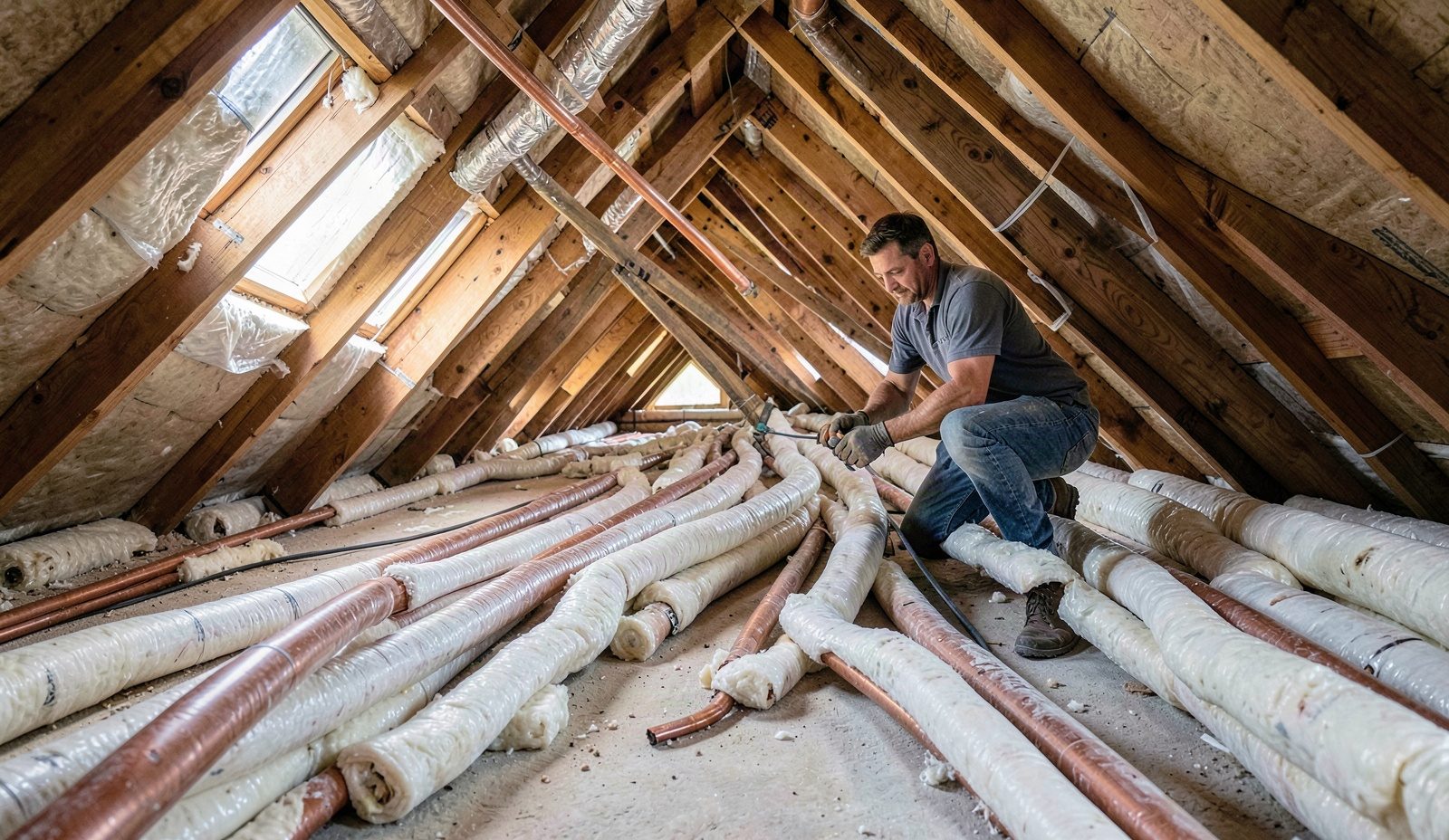
The February 2021 freeze burst pipes across Tarrant County by the tens of thousands, and most failures traced back to supply lines run through attics and exterior walls with no insulation protection. A frozen line that bursts does not just flood a house, it wastes enormous volumes of treated water in the hours before anyone finds the break. In older sections near Ridglea Hills and the Cultural District, where original attic runs are common, insulation and pipe placement matter as much to conservation as any fixture upgrade. Planning water-saving plumbing here means accounting for a freeze event, not just a slow drip, because the two failure modes call for different fixes.
Permitted plumbing work in Fort Worth goes through the City of Fort Worth Development Services Department, which reviews structural repiping and new fixture rough-ins before they close up behind drywall. Minor fixture swaps generally move forward without that review, but the department makes that determination, not the contractor. Homeowners near the Near Southside and Arlington Heights, areas with a mix of historic and newly renovated housing, benefit most from a technician who already knows which upgrades trigger that review and which do not, because guessing wrong on that point either delays a project or skips a step an inspector will later flag.
Explore our service area and locate Shield Plumbing Fort Worth with ease. We're proudly local and serve the surrounding neighborhoods with fast response and honest pricing. Use the map to check our coverage area, or call us and we'll confirm in seconds.
Address:
Shield Plumbing Fort Worth, 210 W 7th St, Fort Worth, TX 76102
5 Signs Your Ridglea Hills Home Has a Slab Leak, practical local guidance from Shield Plumbing Fort Worth, Fort Worth's trusted plumbing tea…
Read More
What Wedgwood Residents Should Know Before a Whole-Home Repipe, practical local guidance from Shield Plumbing Fort Worth, Fort Worth's trust…
Read More
How Fort Worth's Hard Water Is Quietly Destroying Your Water Heater, practical local guidance from Shield Plumbing Fort Worth, Fort Worth's …
Read More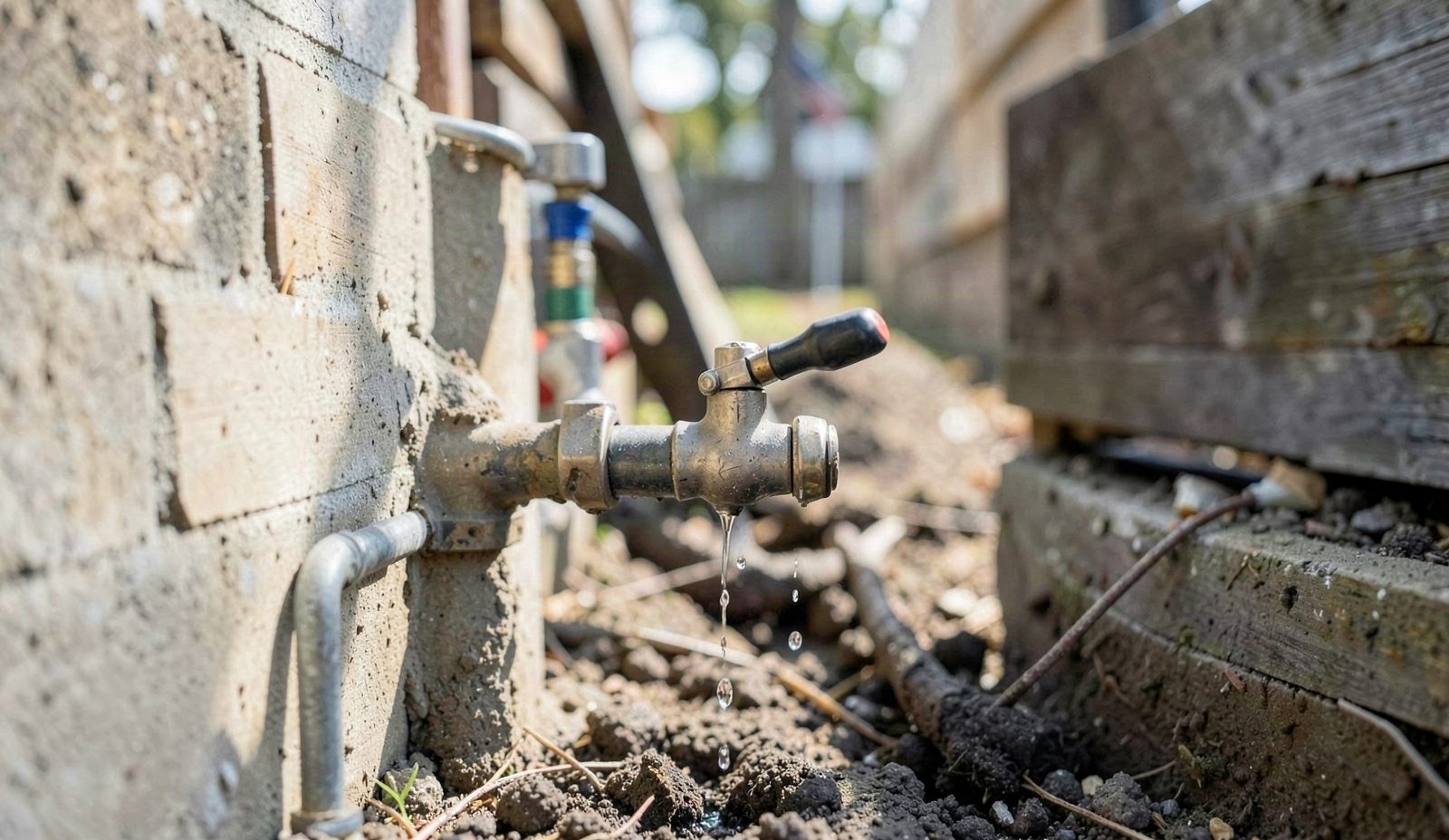
The Hidden Cost of Ignoring a Dripping Faucet in Fort Worth, practical local guidance from Shield Plumbing Fort Worth, Fort Worth's trusted …
Read More