
June 20, 2026
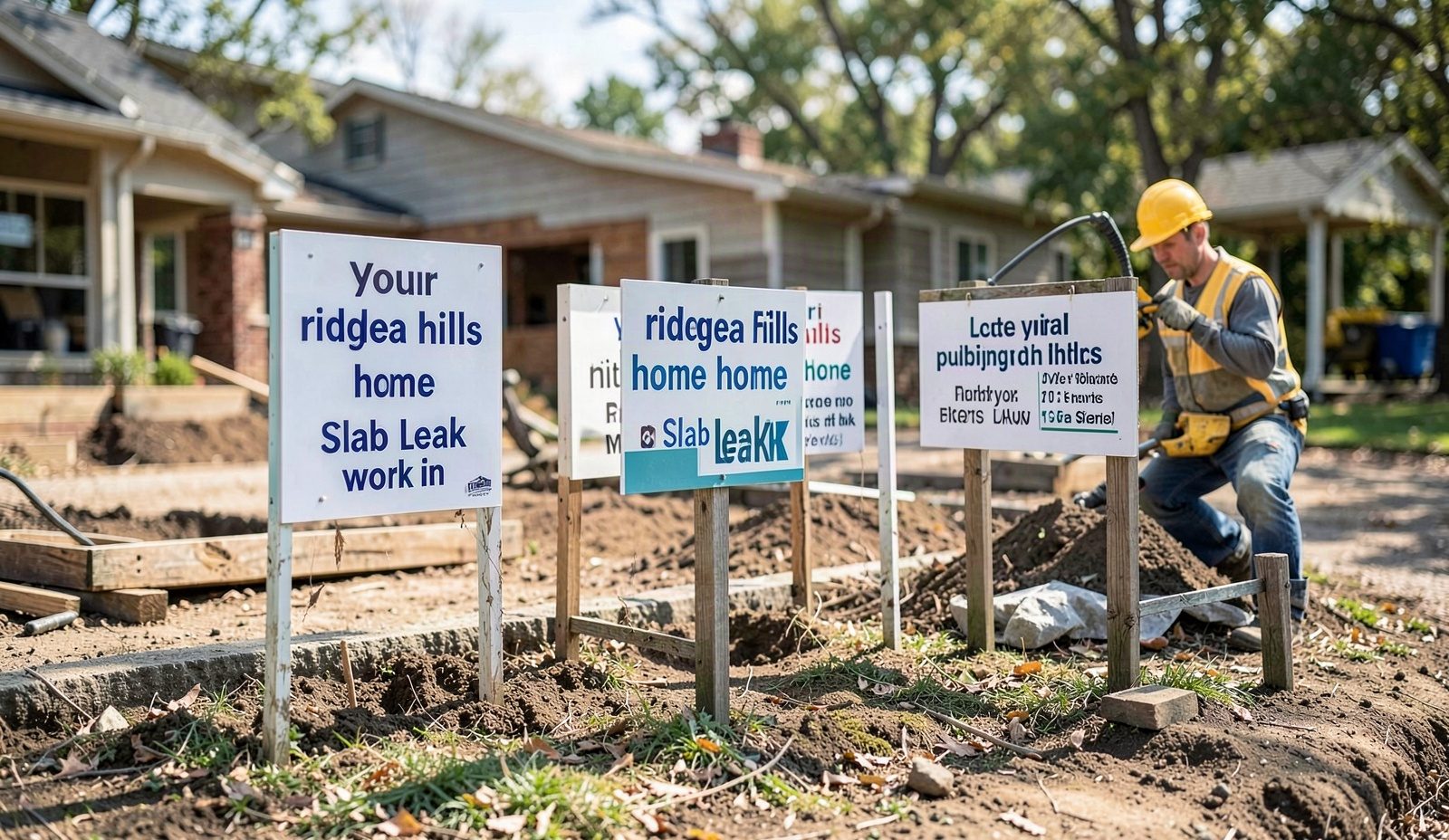
5 Signs Your Ridglea Hills Home Has a Slab Leak
5 Signs Your Ridglea Hills Home Has a Slab Leak, practical local guidance from Shield Plumbing Fort Worth, Fort Worth's trusted plumbing tea…
Read More




Watauga is dense with 1970s and 1980s tract homes built on slab, a generation of construction where original water heaters and angle stops are long past their service life. A galvanized angle stop that shipped with a builder-grade toilet in 1978 does not turn smoothly anymore. It shears at the first quarter-turn, and the water heater tucked into the garage closet next to it is likely running on its second or third heating element, not its original tank.
Tarrant County sits on expansive clay that swells several inches after a wet spring and pulls back hard during a dry August. That movement does not stop at the foundation. It works on the copper and CPVC runs underneath a slab, flexing joints that were soldered or glued decades ago until they separate. A slab leak in Watauga rarely announces itself with a puddle. It shows up as a warm patch on the tile, a spike on the water meter, or a hiss you can hear only with your ear near the floor.
Winters here bring hard freezes that find the weak point in a decades-old system fast, and summers push irrigation systems and outdoor spigots hard enough to expose a worn washer or corroded shutoff valve. Homeowners in Watauga's older sections, those built before energy codes required insulated attic runs, deal with both extremes on the same pipe run every year. That is the profile we plan for on every service call in this city, not a generic home built somewhere else in the metro.
One of our most-requested services here is plumbing services, see that page for pricing and process.
Shield Plumbing Fort Worth has built its reputation as a plumbing company Watauga homeowners trust across north Tarrant County, working the same tract-home plumbing systems that define this city street after street. Word travels fast in a city this size when a technician explains a slab leak clearly instead of talking past a homeowner, and that is the reputation we protect on every visit.
Every job runs through the same internal check before a technician calls it finished: a second pressure reading, a visual inspection on every reconnected joint, and photos of anything buried back under drywall or slab before it disappears from view. That step catches the kind of slow leak that would otherwise surface behind a wall months later, long after the drywall is patched and painted.
Technicians train on the plumbing code adopted for this part of Tarrant County before they ride solo on a truck, and they keep training on it every year the code gets revisited. That matters in a city built out fast during one construction boom, where a repair done to code in 1979 does not meet the standard a permit reviewer expects on that same line today. Knowing where the two rules diverge is what separates a patch from a fix.
Homeowners across Watauga ask the same three questions on almost every call: what is this going to involve, how long will it take, and will it hold up. Answering those clearly, before any tool comes out of the truck, builds the kind of trust that keeps a phone number saved in a homeowner's contacts long after the leak is fixed.
From routine maintenance to shower & bathtub plumbing, the same local crew handles every call.
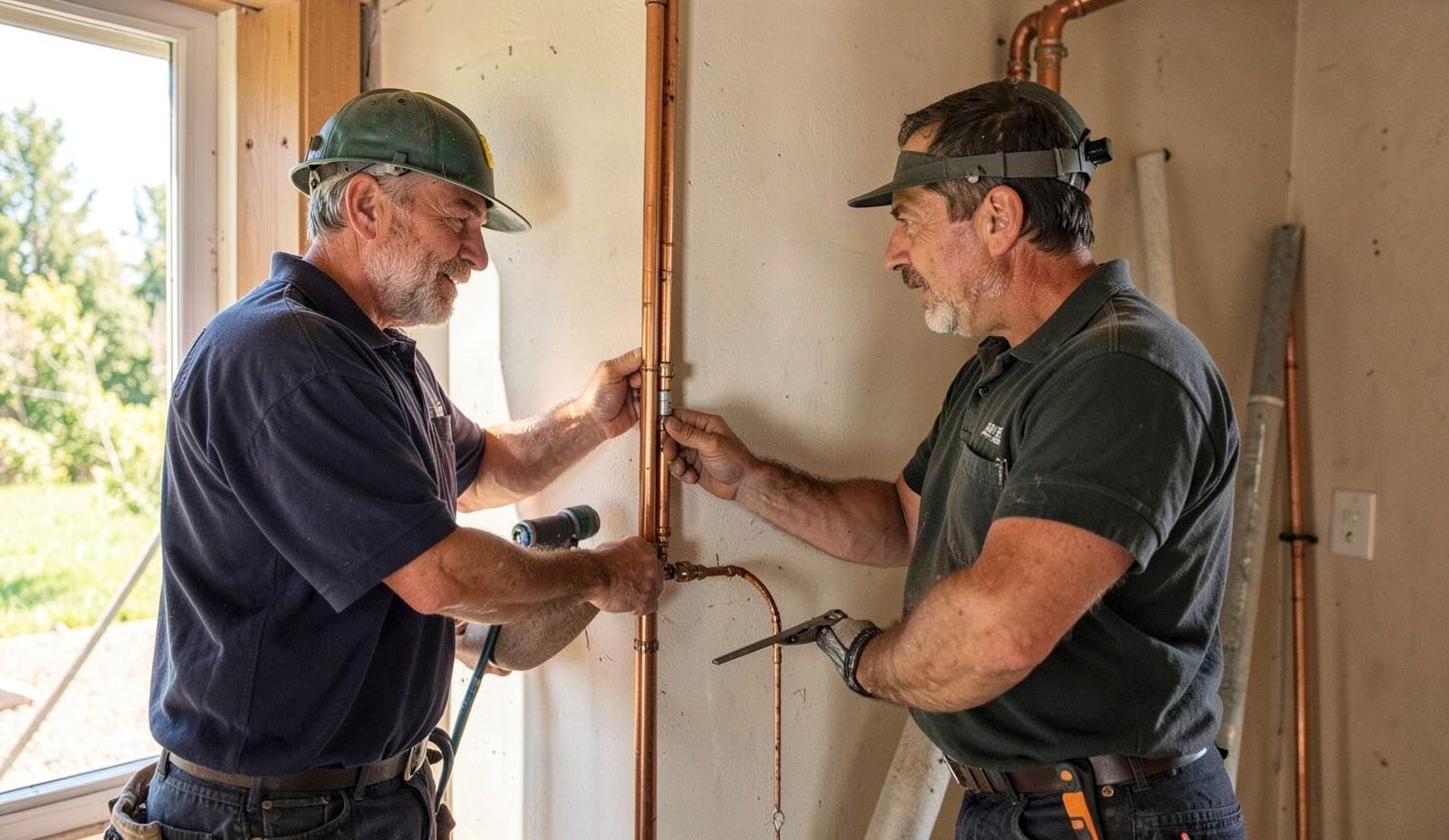
Shield Plumbing Fort Worth keeps technicians moving through Watauga on the same day a call comes in for most non-emergency work, and immediately for active leaks or backups. Scheduling runs on a real appointment window instead of an all-day guess, so a homeowner knows roughly when a truck arrives rather than waiting home from morning to dark. That pace matters in a city where a slow drip under a slab turns into a bigger repair fast.
Every service truck carries a calibrated pressure gauge that threads onto an outdoor spigot in under a minute. A reading above 80 psi means the system needs a pressure-reducing valve under Section 604.8 of the International Plumbing Code, and a reading that will not hold steady points to a leak somewhere in the run. Acoustic leak detection and a moisture meter narrow a slab leak to a section of floor before anyone cuts tile.
Technicians train against the plumbing code covering this part of Tarrant County before they handle a Watauga service call alone. That training covers venting, trap arm length, and water heater relief valve discharge, the details a city inspector checks first on any permitted job. Working to one written standard keeps a repair from becoming a re-inspection.
Shield Plumbing Fort Worth has worked the tract-home plumbing common across Watauga long enough to recognize a builder-grade fixture on sight and know which decade it came from. That familiarity shortens a diagnosis, because a technician already knows whether a home this age likely has copper, CPVC, or an older plastic supply line before opening a wall. Local experience turns a first visit into a working diagnosis instead of a second visit to figure out the same problem.
Watauga plumbing services split into three practical tiers, each with a different response speed and toolset. Residential work covers the fixture repairs, water heater swaps, and slab leak repairs that make up most calls in this city's tract-home neighborhoods. Commercial plumbing covers backflow testing, grease interceptor service, and larger-diameter drain work that keep a business open and inspection-ready.
As the emergency plumber Watauga residents call after hours, we treat speed as the entire point of that tier: a burst supply line, a sewage backup, or a water heater failing overnight gets a truck moving immediately. The cards below break down what falls into each category and what to expect from the visit. Call (817) 710-3766 to describe your situation, and we'll tell you which tier it falls into and what to check before help arrives.
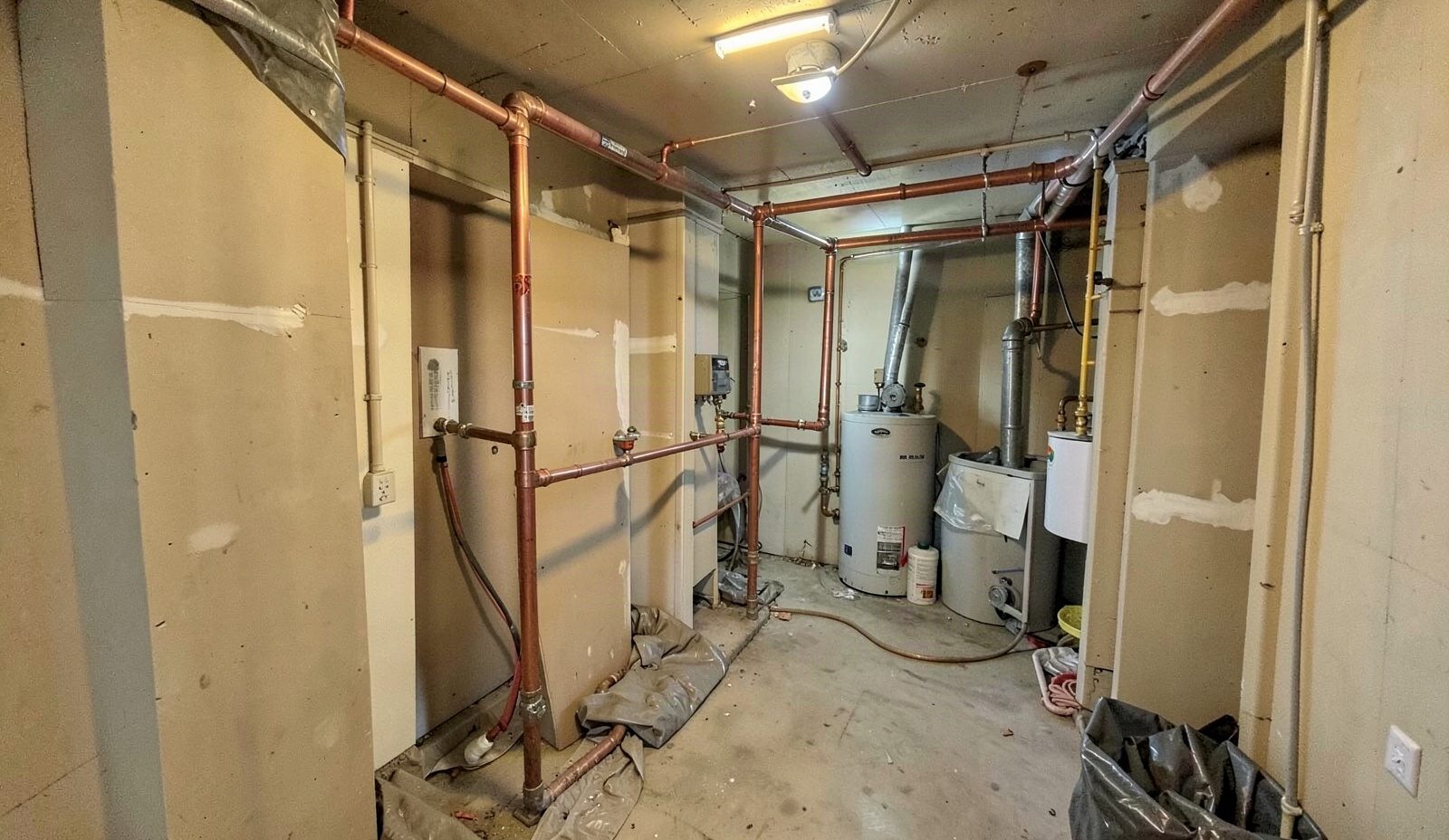
Residential plumbing covers the repair and replacement work that keeps a Watauga home's water and drain systems running the way they were designed to, from a single fixture swap to a full repipe when a home's original lines have reached the end of their service life. This tier fits homeowners dealing with a slow leak, a water heater on its way out, a toilet that rocks on failing bolts, or a kitchen drain that gurgles after a slab shift moved the line off its original slope. A typical call in this tier might mean re-pitching a kitchen drain line that lost its slope, then testing the run with a flow of water and a flashlight at the cleanout to confirm it drains clean before the job closes out.
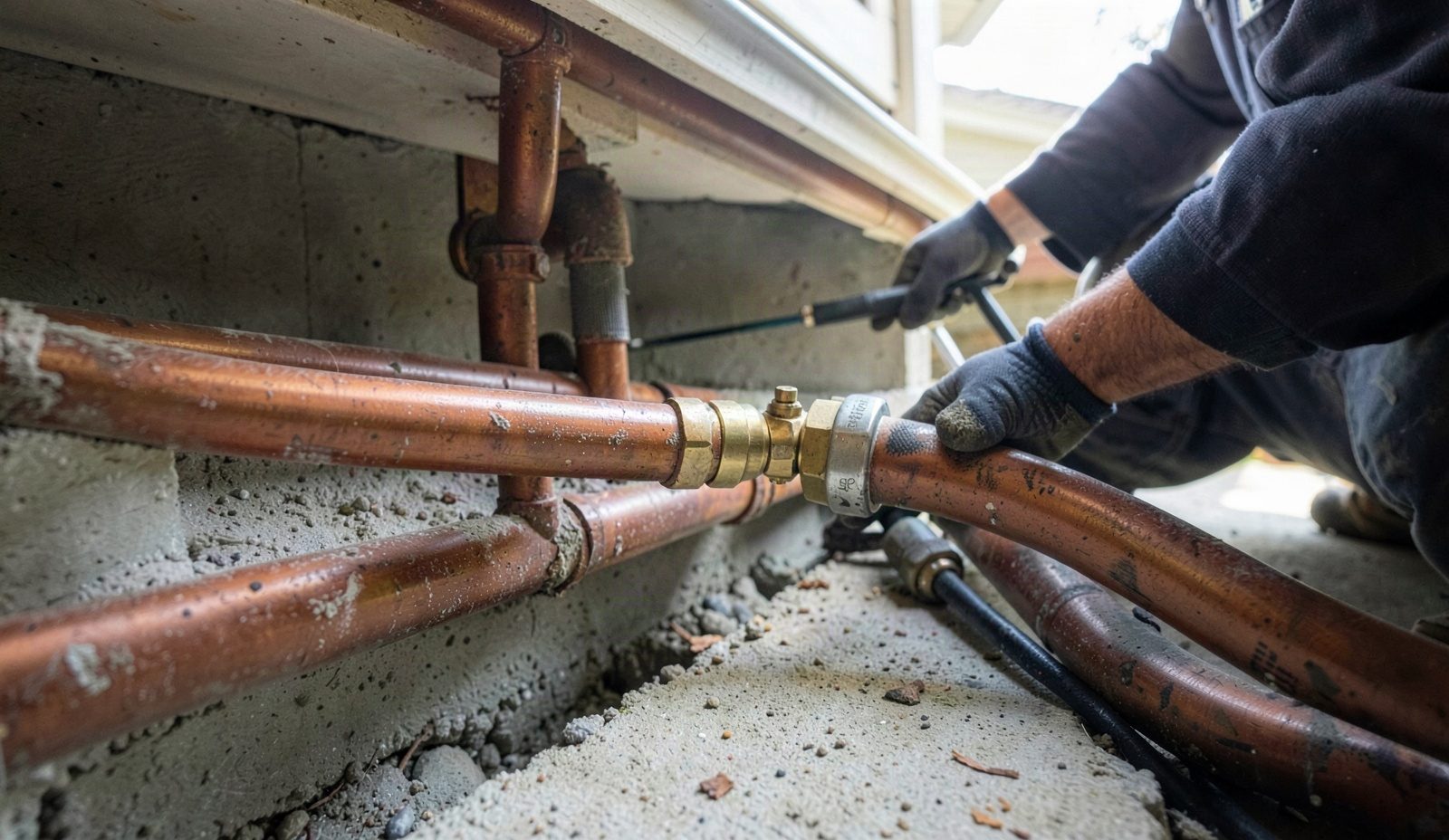
Commercial plumbing in Watauga centers on keeping a business open and inspection-ready: annual backflow preventer testing, grease interceptor pump-outs for food service tenants, and fixture counts that match occupancy load under the plumbing code. Downtime often costs more than the repair itself, so work gets scheduled around business hours whenever the scope allows, with shutoffs isolated to one restroom bank or one line instead of the whole building. A typical scenario is a strip-mall tenant with a slow floor drain in a back kitchen: isolating the branch line, clearing the blockage with a sectional cable, and running a camera through the line afterward to document the condition for the property manager's file, all before the dinner rush starts.
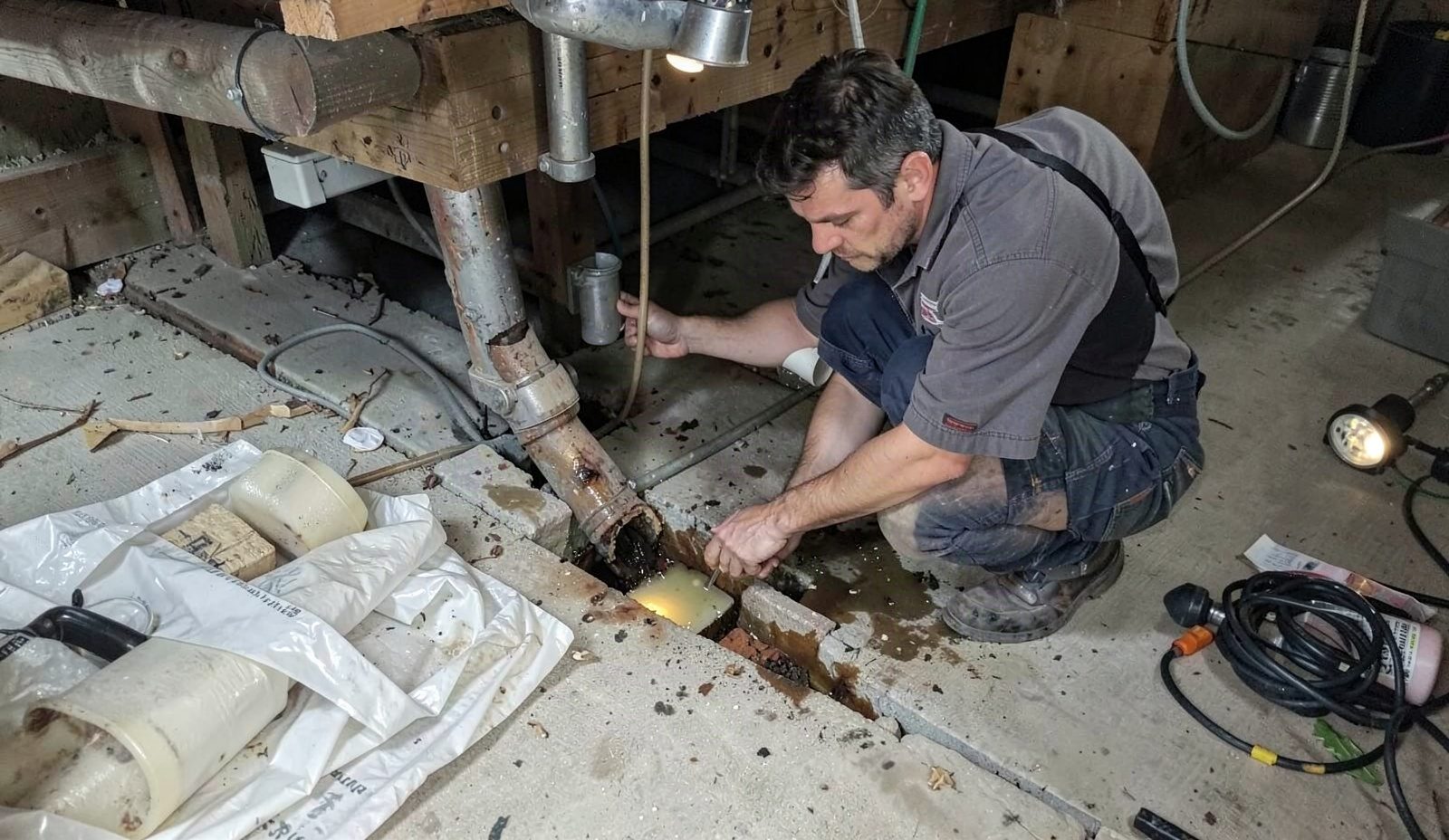
Emergency plumbing means the phone gets answered and a technician heads out immediately, day or night, for a burst line, a sewage backup, or a water heater that fails and starts leaking onto a slab floor. The first move on any emergency call is containment: shutting off the main, directing the homeowner to the breaker for an electric water heater if water is near it, and getting a wet-vac running before the truck even arrives, all walked through by phone. A typical after-hours call involves a supply line that splits inside an exterior wall during a hard freeze, spraying water behind drywall for an hour before anyone notices the ceiling stain. Containing that fast, then drying the cavity, keeps a plumbing emergency from becoming a bigger drywall and flooring job.
Most plumbing failures in Watauga trace back to one of two things: the age of the system or the ground it sits on. A city built out fast during one construction era means thousands of homes hit the same failure points within a few years of each other. That clustering is why a plumbing failure on one street often signals the same age-related weak point exists a few doors down.
Catching these problems early usually means a contained repair instead of a wet ceiling or a foundation claim. The four issues below cover what actually generates most service calls in this city, from the ground up to the fixtures inside.
You can verify any contractor's credentials through Texas State Board of Plumbing Examiners before you hire, including ours.
The February 2021 freeze burst pipes across Tarrant County by the tens of thousands, and most of the failures were supply lines run through attics and exterior walls, exactly where builders in Watauga's era ran them. Every hard freeze since puts the same runs at risk again. If an outdoor spigot won't flow after a freeze warning lifts, or a wall feels cold and damp to the touch, that is the signal to shut off the main and call before the line fully splits.
Homes here were plumbed in the era of quest-style polybutylene in some builds, a material worth identifying and replacing before it fails, since it degrades from the inside out and rarely gives warning before a fitting cracks. Gray plastic pipe stamped at the crimp fittings under a sink or at the water heater is the marker to look for. Finding it during an unrelated repair is the signal to schedule a repipe before it fails on its own schedule.
North Texas expansive clay swells with rain and shrinks in drought, moving slab foundations enough to shear copper supply lines and separate drain joints under the house. That movement is gradual, so the first sign is rarely a flood. It is a warm spot on tile with no obvious source, a bathroom that never quite dries, or a water bill that jumps without a visible leak anywhere above the floor. Any of those three warrants a pressure test before the slab takes more damage.
Fort Worth water is moderately hard, and the scale it leaves on heating elements is a leading reason local water heaters fail years before their rated life, especially in tanks that have never been flushed. Sediment builds a layer at the bottom that insulates the element from the water above it, forcing it to run longer and hotter than it should. A tank that rumbles or pops during heating, or takes noticeably longer to deliver hot water, is overdue for a flush or a replacement.
A first visit starts with the same two questions every time: what is the water doing right now, and when did it start. The technician walks the suspect area, checks the fixture or line involved, and explains what a repair will involve before opening anything up. That walkthrough also covers what the repair will disturb, drywall, flooring, or landscaping, so there are no surprises once work starts. Most diagnostic visits run 30 to 45 minutes before a homeowner sees a written scope. Have your main shutoff location ready to point out, and clear a path to any attic or crawl space access the job might need.
Communities like r/Plumbing are full of homeowners comparing notes on exactly this problem, worth a read before a major project.
When you call (817) 710-3766, the person on the line logs the symptom, the fixture involved, and how long it has been happening, then gives a same-day or next-available appointment window instead of a vague morning-or-afternoon guess. You get a call or text when the technician is on the way, ahead of arrival. If a same-day emergency comes in ahead of a scheduled visit, you get a heads-up on any delay. For non-urgent work, most Watauga callers get scheduled within a day or two, with earlier slots available when a leak is active.
A single technician arrives in a marked vehicle and identifies himself at the door before stepping past the threshold. Shoe covers go on before crossing carpet or tile, and a drop cloth goes down under any work area involving a water heater or under-sink cutting. Before any tool comes out, the technician walks the problem with you, points at the actual fixture or line in question, and explains in plain terms what he thinks is happening, so you get the reasoning behind the number before deciding anything. That walkthrough is also when you can flag anything else worth a look while the truck is already on-site.
Before the technician leaves, he runs the fixed line or fixture through a full cycle while you watch: water on, drain running, or the heater firing, whichever applies. Any access panel, cutout, or cleanout that got opened during the job gets shown to you closed and sealed. Debris, old parts, and packaging leave with the technician unless you ask to keep them. You get a plain description of what was replaced and why, in language you could repeat to an insurance adjuster or a home inspector if you ever needed to.
The process runs the same way for a routine fixture repair or a slab leak diagnosis, just compressed for anything urgent. A call comes in, gets logged with the specific symptom, and gets slotted into a same-day or next-available window depending on how the line describes it. Scheduling texts go out roughly 30 minutes before arrival so nobody sits by a window all afternoon.
On-site, the technician diagnoses the problem, writes up the scope, and walks you through the price before touching a wrench. Nothing gets cut into or replaced without a yes from you first. Cleanup happens before the truck leaves, and the paperwork you get describes exactly what was done, in plain terms, for your own records.
Call (817) 710-3766 and describe what the water or drain is doing: dripping, backed up, cold when it should be hot, or pooling somewhere it shouldn't. The person logging the call asks how long it has been happening and whether it is active right now, then books a same-day or next-available window based on urgency. Active leaks and backups jump the line ahead of routine repairs.
On-site, the technician isolates the source, whether that means a pressure check, a camera run through a drain, or a visual on a water heater's tank, then writes the scope in plain language before anything gets opened up. You see the plan and the price before a single fitting comes apart. If the scope changes once a wall or panel comes off, you hear about it immediately.
Work proceeds to the plumbing code adopted for this part of Tarrant County, whether that governs pipe slope, cleanout spacing, or venting distance from a fixture. The technician tests the repair under real use, water running or a drain draining, before calling it finished. You get a plain-language summary of what was replaced, and any access panel or cutout gets closed and sealed before the truck pulls away.
Plumbing work in Watauga falls under the City of Fort Worth plumbing code, based on the International Plumbing Code, which governs everything from pipe sizing to venting to water heater installation across this part of Tarrant County. That code sets the baseline a repair has to meet regardless of when the original system went in, which matters in a city where a large share of homes were plumbed decades before the current code existed.
Full replacements and structural work, a repipe, a new water heater install that changes venting, a relocated fixture, typically require a permit and inspection. A minor like-for-like repair, swapping a valve or a faucet cartridge, often does not. The final call on what needs a permit belongs to the City of Fort Worth Development Services Department for Fort Worth addresses, or the local city building department or Tarrant County for other jurisdictions, and that is who we coordinate with when a job crosses into permitted territory.
Verification on our end means the same thing every time: a pressure test on any new or altered supply line, a visual on every joint before it gets covered, and photos taken before drywall or slab material goes back over anything that was opened. Those photos matter later. A home inspector or an insurance adjuster looking at a repair years down the road has nothing to go on without documentation. Materials matter as much as method too. Copper supply lines get sized and supported to the same code whether they replace 1980s-era piping or newer CPVC, and any water heater installed gets a properly sized expansion tank and a discharge line routed per the manufacturer's listing and the adopted code every time.
Two repairs can look identical from the outside and differ completely underneath. A drain reconnected with the correct slope and a properly vented trap functions for decades. The same drain reconnected without adequate slope will drain slowly at first and then back up within a year. That gap is why compliance gets verified on-site with a level and a flashlight at the cleanout before the job is called finished.
We install and service equipment from major manufacturers like Rheem to manufacturer specifications.
Most Watauga homes are slab-on-grade, which means a supply line repair under the house means breaking concrete, not crawling through a basement or pier-and-beam foundation. Locating the exact point of a leak before cutting matters more here than in almost any other part of a plumbing job, since every square foot of slab opened has to be patched and often re-tiled afterward.
Scope, access, and material condition set the cost range on any job rather than a flat rate by fixture type. A water heater swap in an easy-access closet costs less to execute than the same swap in a tight attic platform. A slab leak located in one afternoon costs less overall than one that takes two visits to trace. A technician can talk through what is driving the range for your specific job before anyone commits to anything.
A straightforward fixture repair or water heater swap usually finishes in a single visit of two to four hours. A full repipe or a slab leak that requires concrete work runs longer, often a full day of active work plus a follow-up for texture and paint after the concrete cures. Quality gets measured the same way on either job: a pressure test that holds steady with no drop over several minutes, and a visual on every joint before it gets covered.
Full replacements and structural changes typically need a permit, and minor like-for-like repairs, such as swapping a cartridge or a wax ring, usually do not. The determination sits with the city or county permitting office covering your address rather than with the contractor doing the work. We handle the paperwork and schedule the inspection whenever a job crosses that line, so the record matches what a future buyer's inspector will find under the house.
Hiring a plumber in Watauga depends on three checks: diagnostic process, code compliance, and local housing knowledge. Shield Plumbing Fort Worth meets that bar with pressure and camera diagnostics before any price gets written, and technicians who recognize the tract-home systems common across this part of Tarrant County on sight. Ask any company how they confirm a repair worked before they leave, and judge the answer.
Reaching that income as a plumber usually takes owning a business or building a specialized commercial book of work. Master plumbers who build a reputation for complex diagnostic work, backflow certification, or larger commercial accounts command higher rates than general residential repair alone. It is a realistic ceiling in a busy metro market, reached over years of specialized experience rather than in a first year on the job.
Permit requirements depend on the scope of the work rather than the property type. A full repipe, a new water heater installation, or any change to venting typically needs a permit and inspection, while swapping a garbage disposal or a faucet usually does not. The city or county office covering your specific address makes the final call, and Shield Plumbing Fort Worth pulls the permit and schedules that inspection whenever a job crosses into that territory.
Most water heaters need a flush and inspection once a year at minimum. In Watauga water, twice a year keeps scale from insulating the heating element enough to shorten the tank's life. Shield Plumbing typically times the second annual visit around when the anode rod hits its heaviest wear point, roughly the two to three year mark on a magnesium rod, rather than on a fixed calendar date.
The cold water sandwich effect is a burst of cold water between two waves of hot water. It happens in the few seconds a tankless unit needs to sense flow and reignite between draws, so water already cooling in the line gets pushed out first. Watauga homeowners notice it most on mornings when a toilet refill or washing machine pulls water mid-shower, since that second draw forces the unit to restart and repeat the gap.
Removing standing water starts with cutting power to any submerged outlets or the breaker feeding the basement, since water and live electricity don't mix. Next, identify the source, whether it's a burst supply line, a failed water heater, or a backed-up floor drain, and stop it if a shutoff valve is reachable. A submersible sump pump handles shallow seepage, while several inches of standing water needs a higher-volume trash pump to clear it before mop-up. A wet vac finishes the last inch neither pump can pick up.
Explore our service area and locate Shield Plumbing Fort Worth with ease. We're proudly local and serve the surrounding neighborhoods with fast response and honest pricing. Use the map to check our coverage area, or call us and we'll confirm in seconds.
Address:
Shield Plumbing Fort Worth, Watauga, TX 76148
5 Signs Your Ridglea Hills Home Has a Slab Leak, practical local guidance from Shield Plumbing Fort Worth, Fort Worth's trusted plumbing tea…
Read More
What Wedgwood Residents Should Know Before a Whole-Home Repipe, practical local guidance from Shield Plumbing Fort Worth, Fort Worth's trust…
Read More
How Fort Worth's Hard Water Is Quietly Destroying Your Water Heater, practical local guidance from Shield Plumbing Fort Worth, Fort Worth's …
Read More
The Hidden Cost of Ignoring a Dripping Faucet in Fort Worth, practical local guidance from Shield Plumbing Fort Worth, Fort Worth's trusted …
Read More