
June 20, 2026
5 Signs Your Ridglea Hills Home Has a Slab Leak
5 Signs Your Ridglea Hills Home Has a Slab Leak, practical local guidance from Shield Plumbing Fort Worth, Fort Worth's trusted plumbing tea…
Read More




Saginaw grew up fast, mostly from the 1980s forward, which puts its housing stock a generation newer than the older Fort Worth-adjacent towns still running galvanized pipe. That build pattern matters underground. Most Saginaw homes carry copper or early PEX supply lines rather than galvanized steel, so pipe corrosion is rarely the reason a line fails here. When a slab leak shows up as a warm spot on the tile or a jump on the water meter, the more likely cause is the ground moving under the house, not the metal giving out on its own.
The soil driving that movement is North Texas expansive clay, and it runs on a seasonal clock. It swells wide during a wet spring and pulls back hard during a dry August, and that cycle repeats every year across the region. Slab foundations poured over that clay flex slightly with each swing, and copper lines routed through the slab take the strain at the joints, elbows and transitions first. A house that settled evenly the year it was built can still develop a hairline separation a decade later, once the clay underneath has cycled through enough wet and dry seasons.
Saginaw's rapid growth north of Fort Worth changed what comes out of the tap, too. Water pressure across the city tends to run on the high side, a byproduct of a distribution system sized for a population that kept climbing through the 1990s and 2000s. A house without a working pressure-reducing valve feels that pressure every day. Fixtures wear out early, supply lines bang against studs when a valve snaps shut, and washing machine hoses split years before they should. Newer construction on the outer edges of the city usually has a PRV installed from the start. Older sections built closer to the original town core often do not, and that gap shows up on service calls as a pattern, not a coincidence.
Homes from Saginaw's earliest boom years are also reaching the age where original water heaters, angle stops and wax ring seals start failing in clusters. None of that is dramatic on its own, but stacked together with clay movement and high static pressure, it explains why a Saginaw service call rarely has one clean cause.
From routine maintenance to plumbing services, the same local crew handles every call.
Trust in this trade gets built one accurate diagnosis at a time, not through a slogan. Shield Plumbing Fort Worth technicians work Saginaw calls the same way every time: pressure test first, camera the line second, quote the actual cause third. That order matters because it stops the common shortcut of guessing at a water heater replacement when the real problem is a closed valve or a failed thermal expansion tank.
Every technician follows a written diagnostic checklist before touching a fixture. That checklist covers static pressure at an outdoor spigot, water heater age and anode condition, and a visual check of exposed supply lines in the attic and garage, the two locations where Tarrant County freeze damage shows up most. New hires shadow a senior technician on Saginaw calls specifically, because slab-on-clay behavior and high-pressure symptoms are not universal skills. They are regional ones, learned by seeing the same failure pattern on enough houses to recognize it fast.
Internal quality checks happen at the truck level, not after the fact. A technician photographs the pressure gauge reading, the drain camera footage and the finished repair before closing a ticket, so there is a documented record of what the pipe actually looked like and what pressure the house was running. That record protects the homeowner if a question comes up later, and it keeps the technician accountable to the same standard on every job, whether it is a running toilet or a full repipe.
Saginaw calls also come with local knowledge that generic plumbing dispatch does not have. A technician who has already worked a dozen calls in the older core of town knows to check for cast iron drain lines before quoting a simple clog clearing. One who has worked the newer subdivisions knows to check the PRV setting before blaming a fixture for a leak. That distinction saves a homeowner from paying for the wrong fix.
Need something specific? Our shower & bathtub plumbing page breaks down exactly how we handle it in Saginaw.
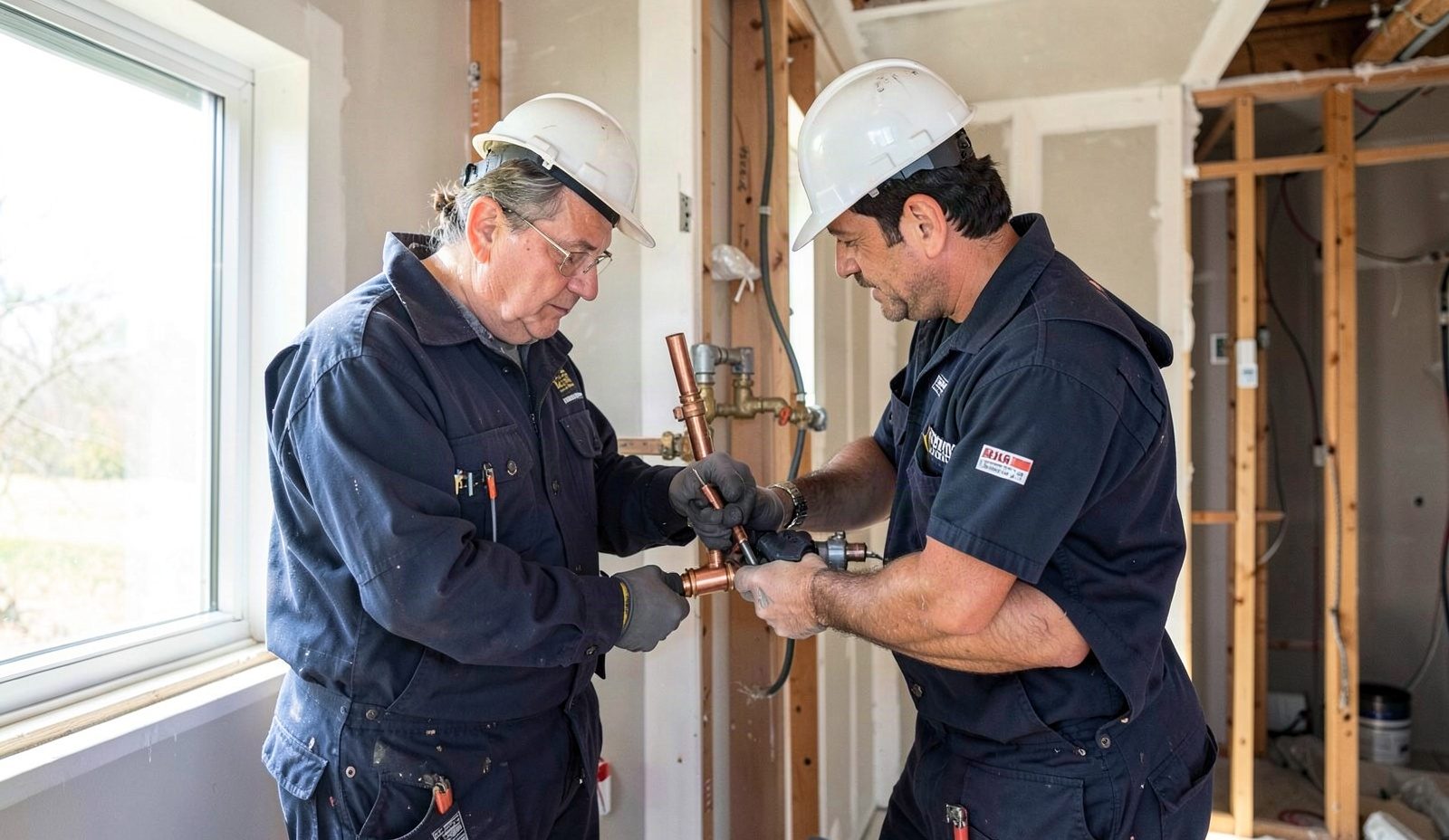
Every call goes to a scheduler who books the job, not a national call center reading from a script. The technician assigned to a Saginaw address gets the actual address, the symptom description and any prior service history before arrival, so the first question on-site is a follow-up, not a restart of the same conversation.
Technicians read static water pressure at an outdoor spigot with a calibrated gauge on every service call, not just on jobs already suspected of a pressure problem. A reading above 80 psi under the plumbing code means a pressure-reducing valve is missing, failing or set wrong, and it gets flagged before any fixture repair is quoted.
Work follows Section 604.8 of the International Plumbing Code, which sets the 80 psi threshold that triggers a required pressure-reducing valve. Technicians train on that section specifically because Saginaw's distribution pressure runs high enough that skipping the check leads to repeat fixture failures within a year.
Years of service calls across Saginaw's mix of 1980s-era construction and newer infill built a working map of where cast iron drains, original copper runs and unregulated pressure still cause trouble. That knowledge shortens diagnosis time because the technician already knows what era of construction is likely behind the wall.
Shield Plumbing Fort Worth covers three distinct tiers of work across Saginaw, because a leaking angle stop and a commercial grease trap failure demand different equipment, different code knowledge and different urgency. Residential service handles the day-to-day repairs and installations that come with owning a house on North Texas clay. Commercial service protects tenant occupancy and code standing for property owners and managers who cannot afford unplanned downtime.
Emergency response sits apart from both, built around speed and containment rather than a scheduled visit. A technician dispatched to an active leak carries shutoff tools, wet vacs and temporary patch materials on the truck, because the first ten minutes on an emergency call decide how much of the house takes water damage. Call (817) 710-3766 to describe the situation and get the right tier of response moving.
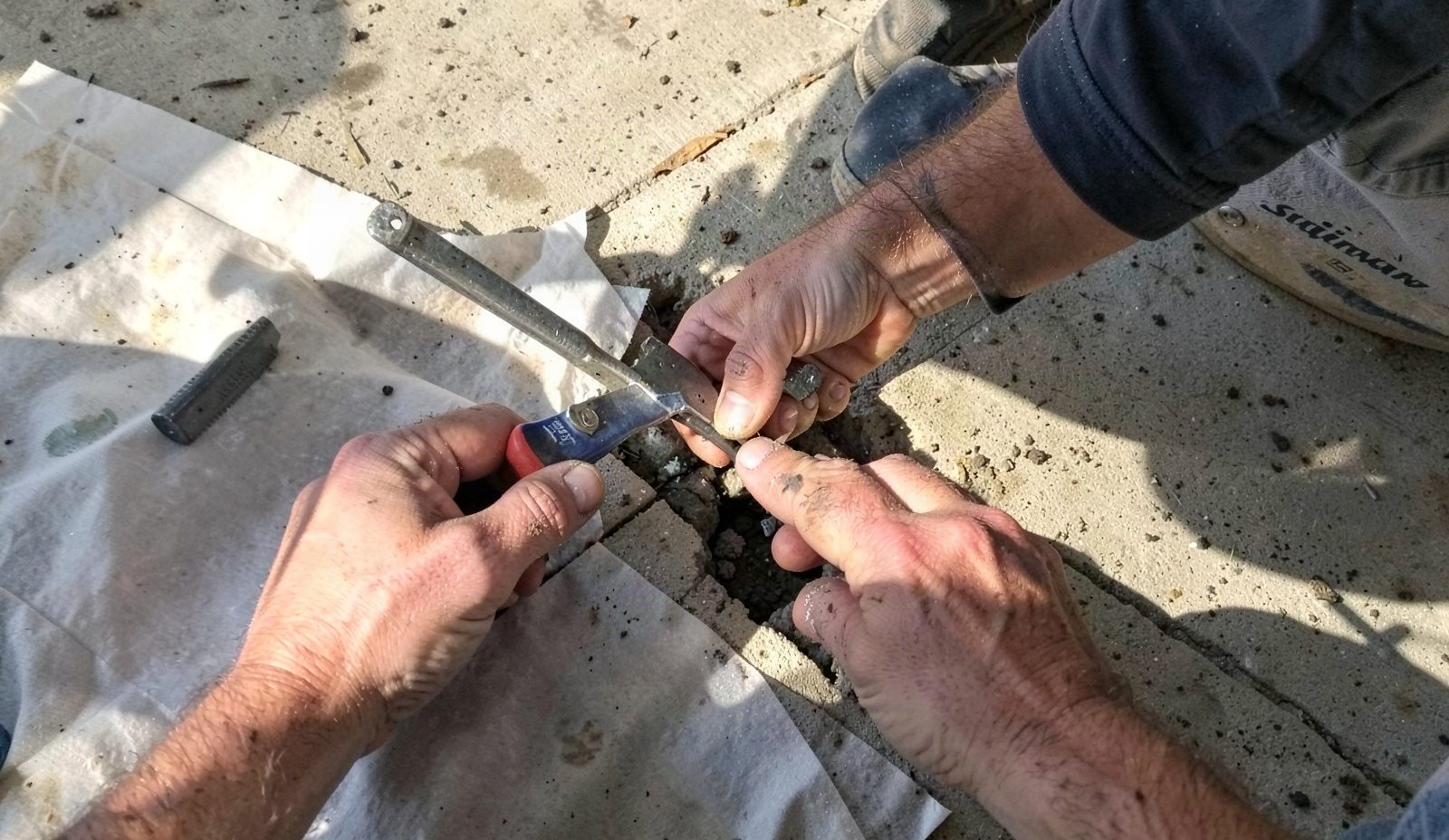
Residential service covers everything from a dripping faucet to a full repipe, but slab leak work is where Saginaw homeowners call most. A technician uses acoustic listening equipment and a thermal camera to trace a warm floor spot back to the exact pipe run before cutting into any tile or slab. One recent pattern: a homeowner near the older section of town noticed a single warm patch of tile in a hallway and a water bill that had crept up over two billing cycles. That combination almost always points to a pressurized copper line under the slab, not a drain issue, and pinpointing the exact spot before opening the floor keeps the repair to a single access hole instead of a trench across the room.
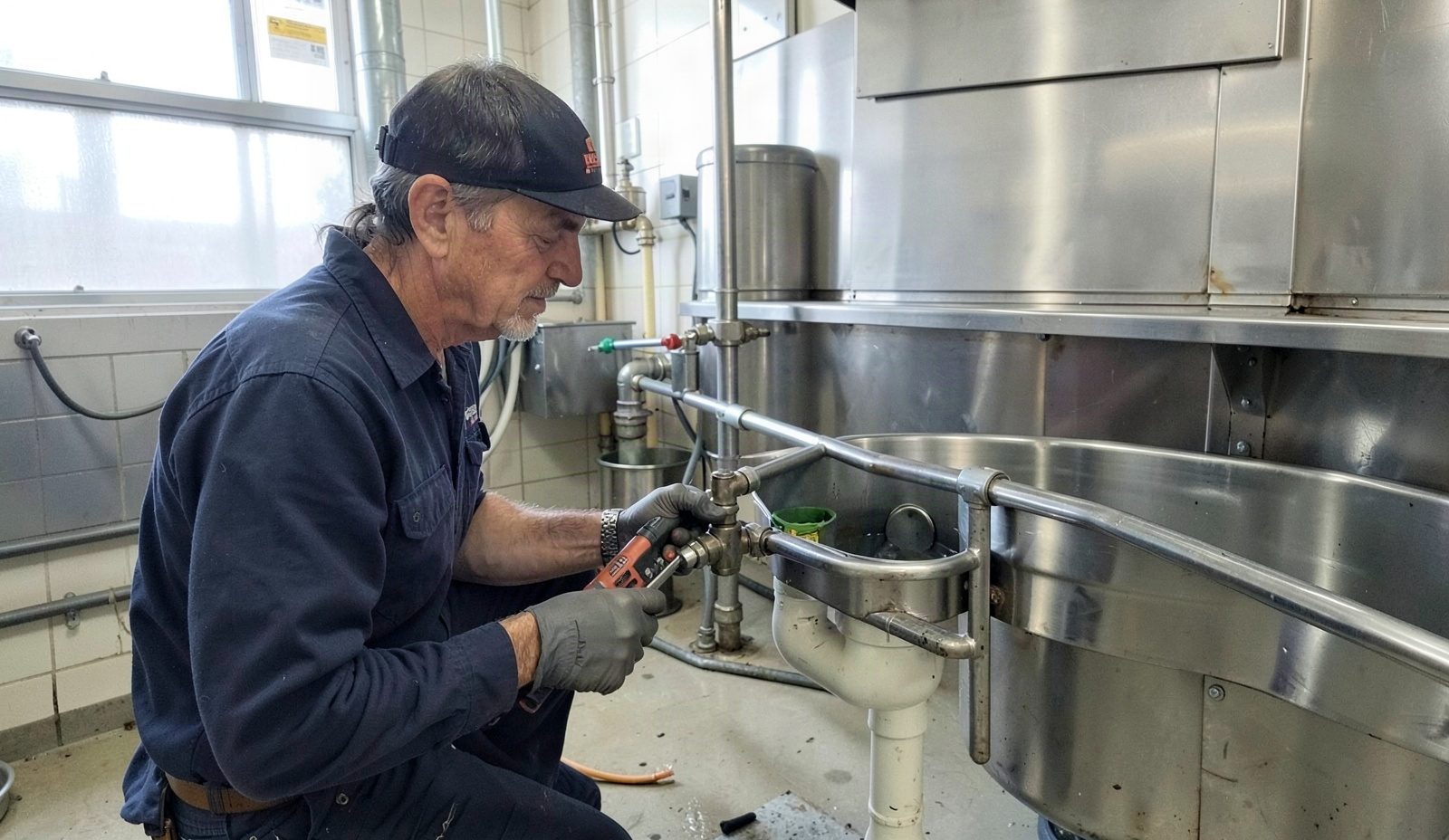
Commercial plumbing in Saginaw centers on keeping a business open and its cross-connection controls current, since a failed backflow assembly or an overflowing grease trap can shut down a food service operation until it is corrected. Technicians test backflow preventers on the schedule the water provider requires and document the results for the property file, which matters when a lease or an insurance renewal asks for proof. A retail plaza tenant with a slow floor drain behind a food counter, for example, usually has a grease trap nearing capacity rather than a line blockage, and catching that before it backs up into the dining area avoids a forced closure during business hours.
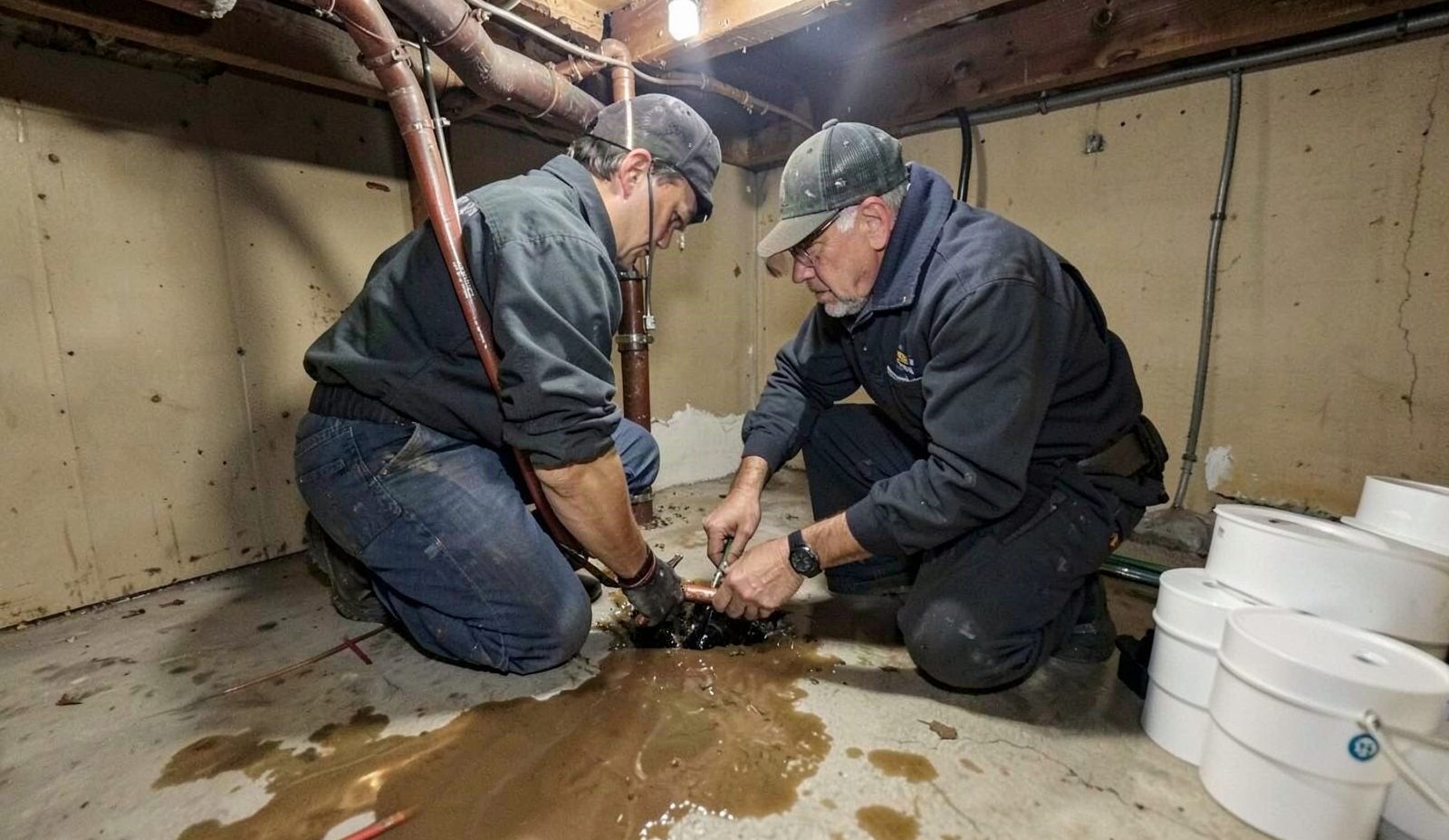
Emergency service answers active water events any hour, with a technician trained to shut off the main, contain standing water and stop further damage before starting the actual repair. A typical after-hours call involves a burst supply line in an attic during a hard freeze, where the homeowner has already heard water running inside a wall but cannot locate the shutoff. The technician walks them through killing the main by phone first, then arrives with freeze-damaged pipe repair materials on the truck so the fix does not require a second trip once the leak source is confirmed.
Four patterns account for most service calls across Saginaw, and each one traces back to a specific local condition rather than random bad luck. Recognizing the early signal on each one is the difference between a contained repair and a wet drywall replacement.
Catching these early matters more here than in older, more settled parts of the metro, because the clay under Saginaw is still actively moving as new development continues to change drainage patterns and groundwater levels across the area.
One of our most-requested services here is 24/7 emergency plumbing services, see that page for pricing and process.
The February 2021 freeze burst pipes across Tarrant County by the tens of thousands, and most of the failures were supply lines run through attics and exterior walls, exactly the runs common in Saginaw's 1980s and 1990s construction. A hissing sound behind a wall or a sudden pressure drop at every fixture during a hard freeze means a line has already split. Shut off the main and call before thawing makes the leak visible through the ceiling.
Homes from Saginaw's earliest development years are hitting the age where original tank water heaters, angle stops and supply valves fail without warning. A rusty tint in hot water, a tank that ticks and pops during heating, or a puddle forming at the base of the unit all signal a tank near the end of its service life. Call before it fails overnight and floods a closet or garage.
Expansive clay swells with rain and shrinks in drought, moving slab foundations enough to shear copper supply lines and separate drain joints under the house. Homes on pier-and-beam construction feel it as a slow drain that clears with a plunger but returns within days, a sign a joint under the crawlspace has opened just enough to trap debris. That symptom will not resolve on its own and worsens with each rain cycle.
Fort Worth water is moderately hard, and the scale it leaves on heating elements is a leading reason local water heaters fail years before their rated life. A tank that takes longer to heat, a popping sound during a heating cycle, or reduced hot water volume all point to scale insulating the element. Flushing on a regular schedule slows it. Ignoring it accelerates a full tank replacement.
A standard Saginaw service call runs 60 to 90 minutes for diagnosis and most single-fixture repairs, longer for slab access or a full water heater swap. The technician checks static water pressure and looks at the fixture or symptom the homeowner described before touching anything else, so have the water bill and any recent repair history ready to hand over.
Permit and inspection questions? Development Services is the office we coordinate with on every permitted Fort Worth job.
A scheduler confirms the appointment window by phone or text the morning of the visit, then the technician calls again 20 to 30 minutes out to give a real arrival time rather than a vague window. If a homeowner needs to leave for work before the technician arrives, that second call is the point to arrange access instructions or a callback for a different time, so the visit does not get missed.
The technician introduces themselves at the door and asks to see the problem area before unloading tools, so the homeowner can point out exactly where the noise, leak or smell started. Boots come off or get covered near carpet and finished flooring, and a drop cloth goes down under any work area before a single tool touches the pipe or fixture.
The technician walks the homeowner back to the repaired fixture or line and runs water through it while both watch for leaks at every joint touched during the job. Any area opened for access, drywall, slab or crawlspace, gets shown and explained, along with photos of the completed work saved to the service ticket for the homeowner's own record before the truck pulls away.
Getting a Saginaw plumbing problem solved runs through the same three stages every time, whether it is a same-day emergency or a scheduled repipe. Same-day appointment windows are typically available for active leaks and no-water calls, while planned work like a repipe or a water heater upgrade usually books a specific day within the week.
Each stage produces something the homeowner keeps: a written scope before work starts, and photo documentation once it finishes. That paper trail matters if a homeowner ever needs to show an insurer or a future buyer what was actually done to the house.
Call (817) 710-3766 and describe the symptom in plain terms, a leak, a clog, no hot water, low pressure. The scheduler logs the address, the symptom and any timing constraints, then books either a same-day emergency slot or the nearest available standard appointment window.
The technician runs the pressure test, camera inspection or leak trace needed to confirm the actual cause, then writes up the scope of work and the reasoning behind it before starting any repair. The homeowner approves that scope, in plain language, before a single cut is made.
Work proceeds to the approved scope, following the plumbing code standards that govern the repair type. The technician pressure-tests the finished work, photographs it, cleans the work area and reviews the results with the homeowner before closing the ticket.
Plumbing work in Saginaw falls under the City of Fort Worth plumbing code, based on the International Plumbing Code, which governs everything from pipe sizing to venting to the pressure requirements that matter so much in this particular city. Compliance is not an abstract idea here. A technician verifies it on-site with a pressure gauge, a camera inspection or a manometer reading, depending on what the job touches, and documents the reading as part of the service record.
Permitting works differently depending on scope. Full replacements and structural plumbing work typically require a permit, while minor like-for-like repairs, such as swapping a faucet or replacing a section of supply line in the same location, often do not. The final call on what needs a permit belongs to the Texas State Board of Plumbing Examiners, and a technician who is unsure on a borderline job checks rather than guesses. Getting that call wrong creates real problems later, particularly at a home sale, when an unpermitted structural repair can hold up closing.
Materials matter as much as the paperwork. Copper, PEX and cast iron all carry different code allowances for where they can run and how they must be supported, and a repair that mixes materials incorrectly at a joint, without the right transition fitting, is a common source of comeback leaks. A competent repair matches the existing material where code allows it and uses a rated dielectric or transition fitting anywhere copper meets a dissimilar metal, which stops the galvanic corrosion that shows up years later as a pinhole leak at exactly that joint.
The U.S. Department of Energy's water heating guide is a solid primer on operating costs if you want to dig into the numbers yourself.
Repairs on slab-set copper lines account for continued clay movement by using a short flexible coupling at the point where a line crosses a known settlement zone, rather than a rigid joint that will shear again. This is standard practice on repeat slab leak calls, where the same section of line has already failed once.
Access is the biggest cost driver on any Saginaw repair, since a slab leak under a finished floor takes more labor to reach than the same leak in an open crawlspace. Material choice, the age and condition of surrounding pipe, and whether a repair is isolated or part of a larger failing section all shift the scope from there.
A single-fixture repair finishes in one visit. A slab leak reroute or a full repipe typically takes one to three days depending on house size and access. Every finished repair gets a static pressure test held for several minutes with no drop, confirming the joint holds before the work area gets closed up.
Structural plumbing changes, new gas lines and full repipes generally require a permit and inspection, while a like-for-like fixture swap usually does not. The Texas State Board of Plumbing Examiners is the governing authority on that distinction, and a technician facing a borderline scope confirms with them rather than assuming.
Estimates come after a hands-on diagnosis, not before one. A Shield Plumbing Fort Worth technician runs the pressure test or camera inspection needed to confirm the cause, then writes a scope of work for approval before any repair starts, so the price reflects the actual problem found in the house.
Timelines depend on the job. A single-fixture repair usually finishes in one visit, while a slab leak reroute or full repipe on a typical Saginaw house runs one to three days depending on access and house size. The technician gives a specific estimate once the diagnosis confirms the actual scope.
Minor fixture swaps are often within a homeowner's reach, but structural work and anything touching the main supply or drain line typically requires a permit and code-compliant materials. Getting a joint or transition fitting wrong on a DIY repair is a common source of the comeback leaks that show up months later at exactly that spot.
Same-day appointments are typically available for active leaks and no-water emergencies. Call (817) 710-3766 to describe the situation, and the scheduler will confirm the nearest available window, often within hours for an active leak affecting the home.
It depends on the age and condition of the surrounding system, not just the immediate fix. A single joint failure on an otherwise sound line usually calls for a repair, while a home with multiple recent leaks on original galvanized or aging copper often costs less over time to reroute or repipe than to keep patching one failure at a time.
A permit is not required for routine grease trap cleaning & pumping. Installing a new interceptor or relocating one during a remodel is different work and typically needs a permit before the job starts. Build that review time into your project timeline. A remodel that swaps in a new interceptor without accounting for permit lead time can push back your health inspection and your opening date, which costs more than the permit itself ever would.
Explore our service area and locate Shield Plumbing Fort Worth with ease. We're proudly local and serve the surrounding neighborhoods with fast response and honest pricing. Use the map to check our coverage area, or call us and we'll confirm in seconds.
Address:
Shield Plumbing Fort Worth, Saginaw, TX 76179
5 Signs Your Ridglea Hills Home Has a Slab Leak, practical local guidance from Shield Plumbing Fort Worth, Fort Worth's trusted plumbing tea…
Read More
What Wedgwood Residents Should Know Before a Whole-Home Repipe, practical local guidance from Shield Plumbing Fort Worth, Fort Worth's trust…
Read More
How Fort Worth's Hard Water Is Quietly Destroying Your Water Heater, practical local guidance from Shield Plumbing Fort Worth, Fort Worth's …
Read More
The Hidden Cost of Ignoring a Dripping Faucet in Fort Worth, practical local guidance from Shield Plumbing Fort Worth, Fort Worth's trusted …
Read More