
June 20, 2026
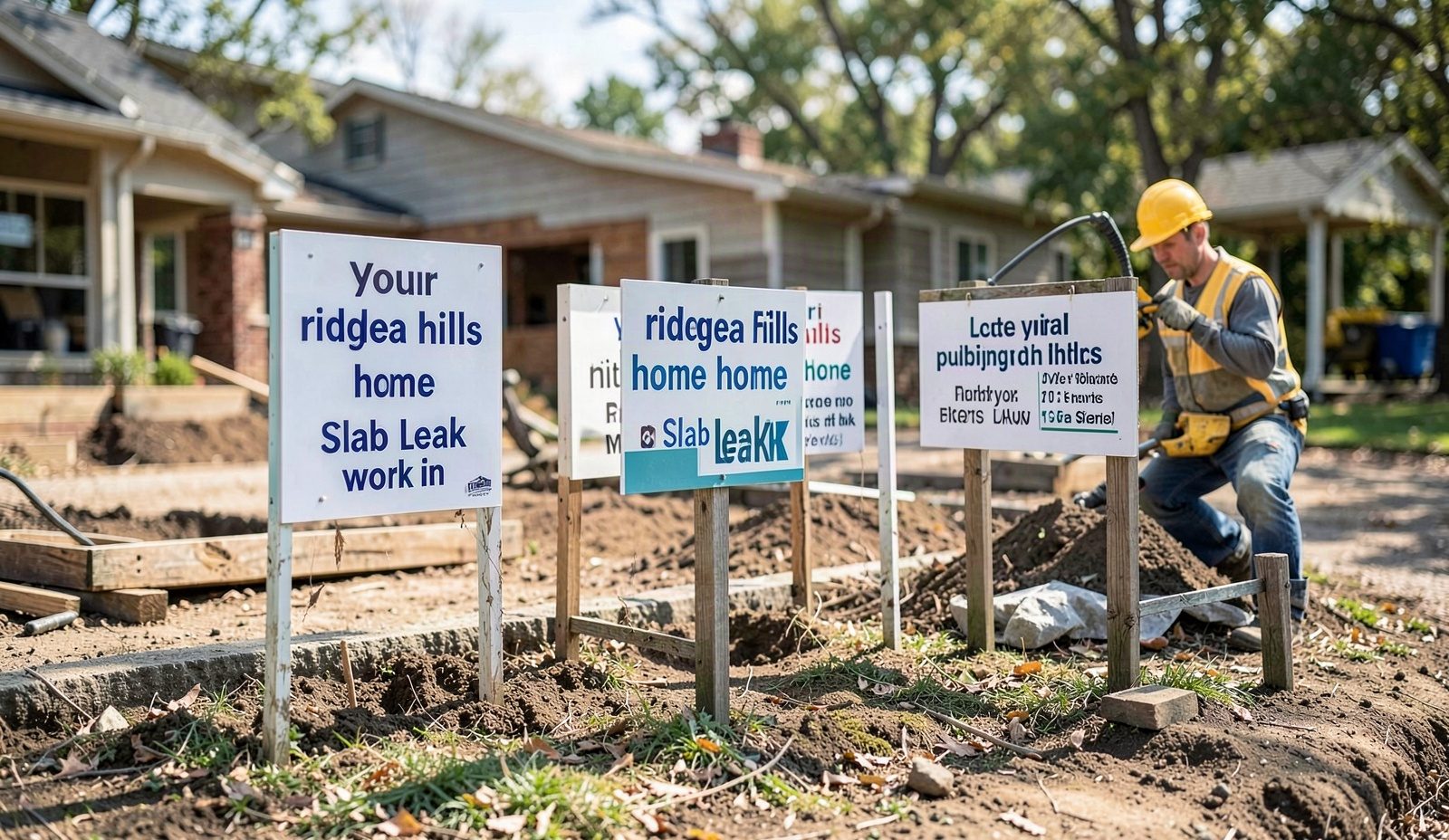
5 Signs Your Ridglea Hills Home Has a Slab Leak
5 Signs Your Ridglea Hills Home Has a Slab Leak, practical local guidance from Shield Plumbing Fort Worth, Fort Worth's trusted plumbing tea…
Read More




Richland Hills went up almost entirely in the 1950s, and that single fact drives most service calls today. Unrenovated homes still run on their original cast iron drain lines and galvanized steel supply branches, both material choices that were standard practice at the time and both now past the point where patching makes sense. Cast iron corrodes from the inside out, narrowing its own diameter with rust scale until a slow drain turns into a standing one. Galvanized pipe does the same thing to your water pressure, one flake of zinc coating at a time.
The construction style compounds the problem. These are small, tight, crawl-free slab homes, which means there is no basement or crawlspace to climb into with a flashlight. The plumbing runs inside or under a poured slab, invisible from the day it was built. When something fails under a Richland Hills slab, a technician cannot eyeball the leak. Diagnosis depends on acoustic listening equipment that picks up the specific hiss or tick of pressurized water escaping underground, paired with static pressure testing to isolate which branch of the system is losing volume. Guessing and jackhammering a test trench is not a diagnostic method, it is a last resort.
For homeowners, this means two different repair paths depending on what a technician finds. A single pinhole leak in a galvanized branch can sometimes be isolated and rerouted through an accessible wall without touching the slab at all. A cast iron drain that has cracked at a joint under the bathroom, on the other hand, usually means locating the failure point acoustically first, then opening a small, targeted section of slab rather than guessing at a location. Either way, the age of the house tells a technician what to expect before the first wall panel comes off, which cuts down on exploratory demolition and gets the actual repair started sooner.
Our technicians follow the workmanship standards promoted by the Plumbing-Heating-Cooling Contractors Association.
Word of mouth carries weight in a town this size, and most of Shield Plumbing Fort Worth's Richland Hills business comes from homeowners who talked to a neighbor first. That reputation gets built one job at a time, not through advertising claims, which is why the company treats every dispatch the same way regardless of whether the job is a running toilet or a full repipe.
Every technician works from a written diagnostic before touching anything. That means the homeowner sees the actual reading, whether it is a pressure gauge, an acoustic scan result, or a camera inspection of a drain line, before agreeing to any repair path. Trucks carry a stocked inventory of the fittings this housing stock actually needs, including transition fittings for connecting new copper or PEX to old galvanized threads, because ordering a part mid-job wastes a homeowner's afternoon.
Training runs through hands-on mentorship rather than a classroom alone. New technicians spend time on real Richland Hills slab jobs alongside someone who has already traced a hundred acoustic leaks under a hundred different floor plans, learning the specific sound a pressurized copper leak makes versus a drain-side failure. That kind of pattern recognition does not come from a manual. It comes from repetition on the exact housing stock this town is built from.
If you want to talk through a problem before committing to a repair, call (817) 710-3766 and describe what you are seeing. A real conversation with someone who has traced this exact kind of leak before beats a guess every time.
Independent standards matter too, the EPA's WaterSense program sets the efficiency benchmarks we use when recommending replacement fixtures.
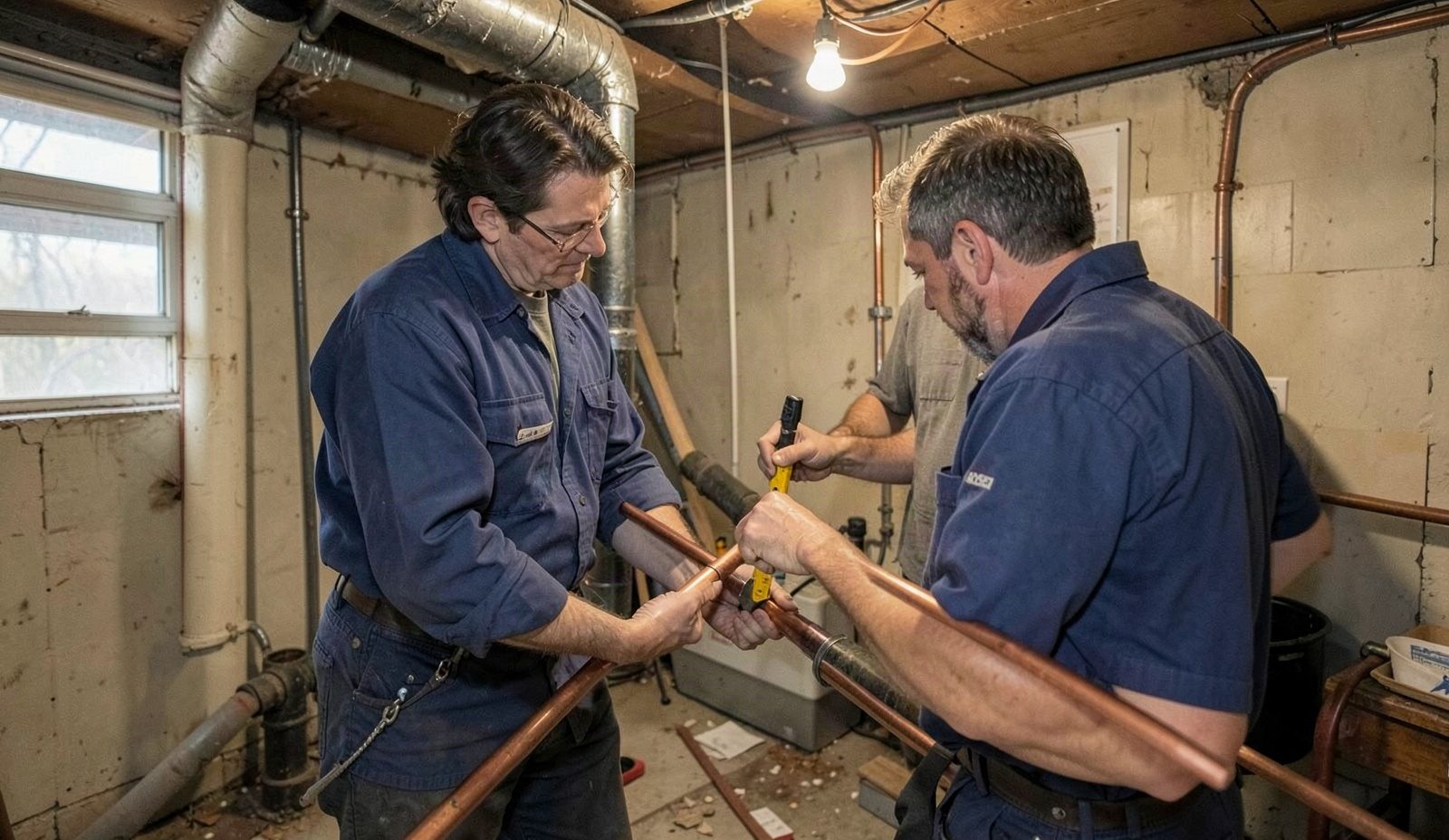
The technician who diagnoses your problem is the same one who fixes it. No hand-off between an inspector and a separate repair crew, no re-explaining the leak to a new face. That continuity matters on slab jobs where the first technician's acoustic readings and pressure notes are the roadmap for everything that happens next.
Every service call includes a static water pressure reading taken at an outdoor spigot. A reading above 80 psi points to a failing or missing pressure-reducing valve, a common finding in older Richland Hills homes whose original plumbing predates modern pressure regulation. That single number often explains recurring pinhole leaks that homeowners assumed were random.
Plumbing work in Richland Hills falls under the City of Fort Worth plumbing code, adopted from the International Plumbing Code. Section 604.8 of that code sets the pressure threshold that triggers a required pressure-reducing valve, and technicians size and set those valves to that exact standard rather than an approximate one.
Ranch-style homes with original fixtures and hidden slab plumbing are not an edge case here, they are the majority of the housing stock. Technicians spend far more time inside 1950s floor plans than newer construction, which shapes what tools ride in the truck and what questions get asked on the phone before anyone arrives.
Plumbing services richland hills homeowners and business owners need break into three practical categories: planned residential work, commercial systems that cannot afford downtime, and unplanned failures that need same-day attention. A repipe on a 1950s ranch is a different job, with different code triggers and different labor time, than a backflow test on a commercial building or a burst supply line at midnight.
Shield Plumbing Fort Worth structures its dispatch around that difference. Residential jobs get scheduled around a homeowner's day. Commercial work gets scoped around a business's operating hours and any inspection deadlines it faces. Emergency calls skip the queue entirely. The three cards below break down what each category actually covers on the ground in Richland Hills.
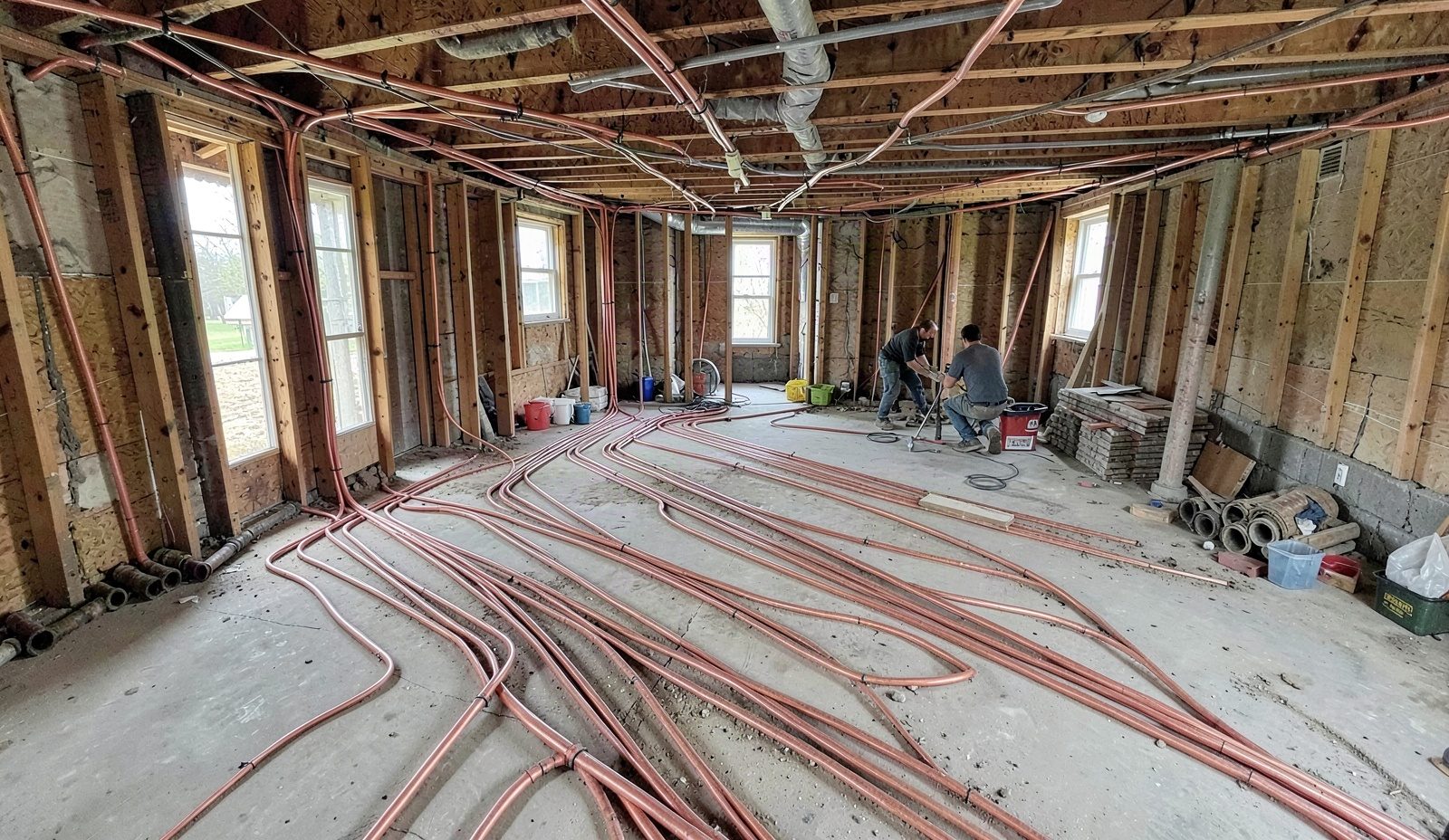
A whole home repipe replaces failing galvanized or aging copper supply lines with new PEX or copper run through walls and, where the slab allows, along accessible chases rather than under the floor. This is the right call when a home shows repeated pinhole leaks, rust colored water at first draw, or a static pressure test flagging multiple weak branches. A typical Richland Hills example is a three bedroom ranch where the original galvanized branch feeding the hall bath has corroroded down to a trickle, forcing a full rerun to that fixture group while the rest of the house stays on its existing lines until they show the same wear.
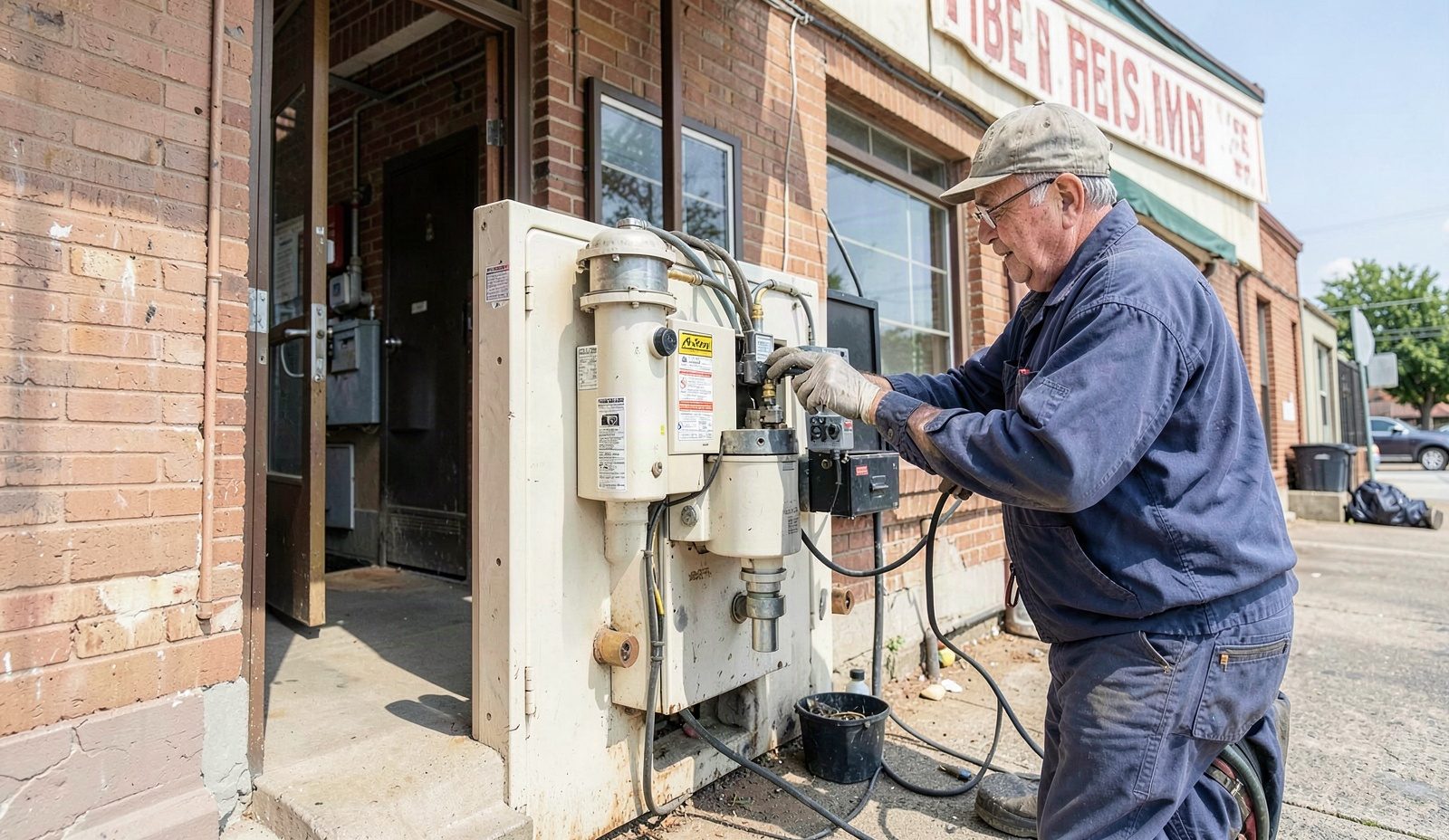
Commercial plumbing in Richland Hills centers on backflow prevention testing, grease interceptor service, and drain line capacity that keeps a building operating during business hours instead of after them. A retail space or small office building along a Richland Hills commercial corridor needs its backflow assembly tested on a schedule its water provider can document, and any interruption to that testing window creates a compliance gap a property manager has to answer for. Scheduling this work around off-peak hours, with a written record handed over at completion, keeps the paperwork clean for whoever reviews it next, whether that is an insurer, a lender, or a lease auditor.

Emergency plumber richland hills calls cover the failures that do not wait for morning, a slab leak flooding a hallway at 2 a.m., a water heater that ruptures and empties into a closet, or a main line backup that shuts down every drain in the house at once. Dispatch for these calls prioritizes containment first, shutting off the affected line or the main, before any repair conversation starts. A homeowner who calls in the middle of the night gets a technician who arrives ready to isolate the water source immediately, then walks the actual repair plan through once the immediate damage has stopped spreading.
Four failure patterns account for most of the service calls Shield Plumbing Fort Worth runs in Richland Hills, and each one traces back to something specific about this town's weather, age, ground, or upkeep habits. None of them announce themselves loudly at first, which is exactly why they get expensive when ignored.
Catching any of these early usually means an isolated repair instead of a full section replacement. The signal to call is different for each one, which is why they are worth knowing individually rather than lumping them into a general plumbing checkup.
The February 2021 freeze burst pipes across Tarrant County by the tens of thousands, and most of those failures were supply lines running through attics and exterior walls where insulation is thin. Any hard freeze puts the same lines at risk again. A telltale sign is a sudden drop in water pressure at every fixture right after a cold snap, which usually means a split line somewhere in an unheated space.
Original galvanized branch lines corrode from the inside, and the zinc coating that once protected the steel sheds into the water stream as rust flakes over decades. The visible sign is a shower or sink that has lost noticeable flow compared to a fixture on a newer branch. Rust colored water at first draw after the house sits unused for a few hours is the other reliable tell, and it means the pipe wall is thinning from within.
North Texas expansive clay swells when spring rain soaks into it and shrinks hard during summer drought, and that constant movement shifts the slab enough to shear copper supply lines and separate drain joints underneath the house. A hairline crack across interior tile or a slab foundation crack widening after a dry summer is the signal that plumbing underneath may have already moved with it.
Fort Worth water runs moderately hard, and the mineral scale it deposits builds up on a water heater's heating elements faster than most owners expect, cutting years off the unit's rated life. A popping or rumbling sound from the tank during heating, along with water that takes longer to get hot, means scale has already coated the element and the tank is working harder than it should.
A first visit to a Richland Hills home usually runs somewhere between 45 minutes and two hours, depending on whether the job is a diagnostic or a straightforward repair. The technician checks static water pressure and asks about the timing and location of the symptom before touching a single fitting.
Have your water shutoff location handy and be ready to describe when the problem started and whether it is constant or comes and goes. Those two details narrow the diagnostic path before the technician even opens a tool bag.
Need something specific? Our plumbing services page breaks down exactly how we handle it in Richland Hills.
Once you call, you get a confirmed arrival window rather than a vague promise of "sometime today." A dispatcher calls or texts when the technician is on the way, giving you a real heads up rather than a surprise knock. If the job turns out to need parts not on the truck, you hear about that delay immediately rather than finding out when the technician is already mid-repair. Nothing about the schedule gets left to guesswork on your end.
The technician introduces himself and asks you to walk through what you have noticed, sounds, timing, water spots, before looking at anything. Shoes come off or get covered at the door on a carpeted or tiled entry. If the job involves cutting into a wall or slab, the work area gets covered with a drop cloth before any tool touches drywall or tile, protecting flooring and furniture from dust and debris during the diagnostic and repair.
Before the technician packs up, he runs water through the repaired line or fixture while you watch, showing you the pressure reading or the drain flow directly. Any exposed area gets swept and wiped down, and cut sections of drywall or slab get noted in writing along with a recommendation on patching. You get a plain explanation of what failed and why, in terms you can repeat to an insurer or a spouse without translation.
The process from first call to finished repair follows the same three stages whether the job is a leaking faucet or a full slab repair. What changes is the time each stage takes, which depends on what the diagnostic finds once a technician is on site.
Same-day scheduling is standard for most calls placed before early afternoon, with next-morning slots available for anything reported later in the day. Cleanup and a final walkthrough close out every job before the technician leaves the property.
Call (817) 710-3766 and describe what you are seeing, sound, timing, location, and any recent weather event. That information gets logged and used to decide what equipment the technician brings, whether that means acoustic listening gear for a suspected slab leak or a camera scope for a drain concern.
The technician runs the actual diagnostic, pressure test, acoustic scan, or camera inspection, and shows you the readings directly. You get a written quote covering the specific repair path before any cutting, replacement, or excavation starts, so there is no surprise scope change mid-job.
The repair gets completed to the City of Fort Worth plumbing code, then tested under live water pressure or flow before the technician leaves. You get a plain explanation of what was replaced, any patch work still needed, and whether a permit inspection applies to what was done.
Plumbing work in Richland Hills falls under the City of Fort Worth plumbing code, which is based on the International Plumbing Code and governs everything from pipe sizing to venting distances to backflow prevention. That code sets the baseline every repair gets measured against, whether or not a permit is technically required for the specific job.
Full replacements and structural plumbing work typically require a permit, while minor like-for-like repairs, swapping a valve or replacing a section of visible pipe with the same material, often do not. The final call on which category a job falls into belongs to the permit authority, and in Texas that regulatory oversight runs through the Texas State Board of Plumbing Examiners. A technician who is unsure which side of that line a job falls on treats it as a permit job rather than guessing.
Verification on site is not a matter of eyeballing a finished pipe run. A completed repair gets checked under live pressure, watching a gauge hold steady rather than drift, and drain work gets confirmed with actual water flow rather than a visual check alone. Materials matter here too. PEX tubing installed in Richland Hills homes should meet ASTM F876, the governing standard for cross-linked polyethylene tubing, and any transition fitting connecting new PEX or copper to old galvanized threads needs to be rated for that specific material pairing, not just a generic fit.
One of our most-requested services here is shower & bathtub plumbing, see that page for pricing and process.
Connecting new copper or PEX to decades-old galvanized threads is the single trickiest part of most Richland Hills repairs. Dielectric or transition fittings prevent the galvanic corrosion that happens when dissimilar metals touch under water, and PEX tubing itself should meet ASTM F876 to hold up under this region's water chemistry and temperature swings.
Access dictates most of the labor on a Richland Hills job. A slab repair with no crawlspace access takes longer to diagnose and open than a wall-mounted line, and the age and condition of surrounding fixtures often determines whether a repair stays isolated or expands once a technician sees what is actually behind the wall.
A straightforward fixture repair usually wraps in an hour or two. A targeted slab leak repair, once located acoustically, often takes a full day between opening the slab, replacing the failed section, and patching. A full repipe on a small ranch home typically runs multiple days, staged room by room to keep at least some water service running.
Like-for-like fixture swaps and minor repairs usually fall outside that requirement, but the determination on a specific job always defers to that authority, not a homeowner's assumption.
Duration depends entirely on the scope of the job. A fixture repair or valve replacement usually finishes within an hour or two, while a slab leak repair often takes a full day once the leak is acoustically located and the slab section opened. A full home repipe on an older Richland Hills property typically spans several days, staged to keep water running to part of the house throughout.
Simple maintenance like replacing a toilet flapper or clearing a sink trap is reasonable for most homeowners to handle. Anything involving supply line repairs, drain rerouting, or work that alters the system's layout crosses into work that typically requires a permit and carries real risk of water damage if done incorrectly. Slab and venting work in particular should go to a professional given how the code and the diagnosis interact.
Plumbing companies generally detect leaks using acoustic listening equipment, moisture meters, and pressure drop testing rather than guesswork. A pressure drop test isolates the system, holds a gauge on it, and watches for a drop over several hours, a falling reading points to a leak somewhere in that isolated section. Shield technicians use that same isolate-and-monitor method on Richland Hills calls, since it works whether the leak is behind drywall or under a slab.
Small amounts of seepage are manageable with a wet vac and a household sump pump, but several inches of standing water usually outpaces equipment most homeowners own. Electrical risk is the bigger issue, since water reaching an outlet or panel below the flood line makes DIY pumping dangerous until power is confirmed off. Hidden moisture behind drywall and inside wall cavities also goes undetected by a wet vac and a nose, which is why professional moisture meter checks catch problems a homeowner would miss until mold sets in weeks later.
A sudden drop usually means a mechanical failure, not a citywide supply problem. A failed pressure-reducing valve diaphragm can collapse house pressure from normal to under 20 psi within hours, and a partially closed main shutoff valve after any nearby work does the same thing instantly. Water hammer from a fast-closing valve can also dislodge sediment that lodges in an aerator or cartridge. A static pressure reading at the outdoor spigot tells us within minutes which of these it is.
Diagnosis typically takes one visit, and repair timing depends on where the leak sits. A fixture-level leak, like a flapper or supply line, gets fixed the same visit once found. A slab leak needs the reroute or access work approved first, which can add a second scheduled visit if flooring or drywall has to come up. Most Richland Hills calls resolve within one to two visits total, with the meter test on day one telling us which outcome to expect.
Explore our service area and locate Shield Plumbing Fort Worth with ease. We're proudly local and serve the surrounding neighborhoods with fast response and honest pricing. Use the map to check our coverage area, or call us and we'll confirm in seconds.
Address:
Shield Plumbing Fort Worth, Richland Hills, TX 76180
5 Signs Your Ridglea Hills Home Has a Slab Leak, practical local guidance from Shield Plumbing Fort Worth, Fort Worth's trusted plumbing tea…
Read More
What Wedgwood Residents Should Know Before a Whole-Home Repipe, practical local guidance from Shield Plumbing Fort Worth, Fort Worth's trust…
Read More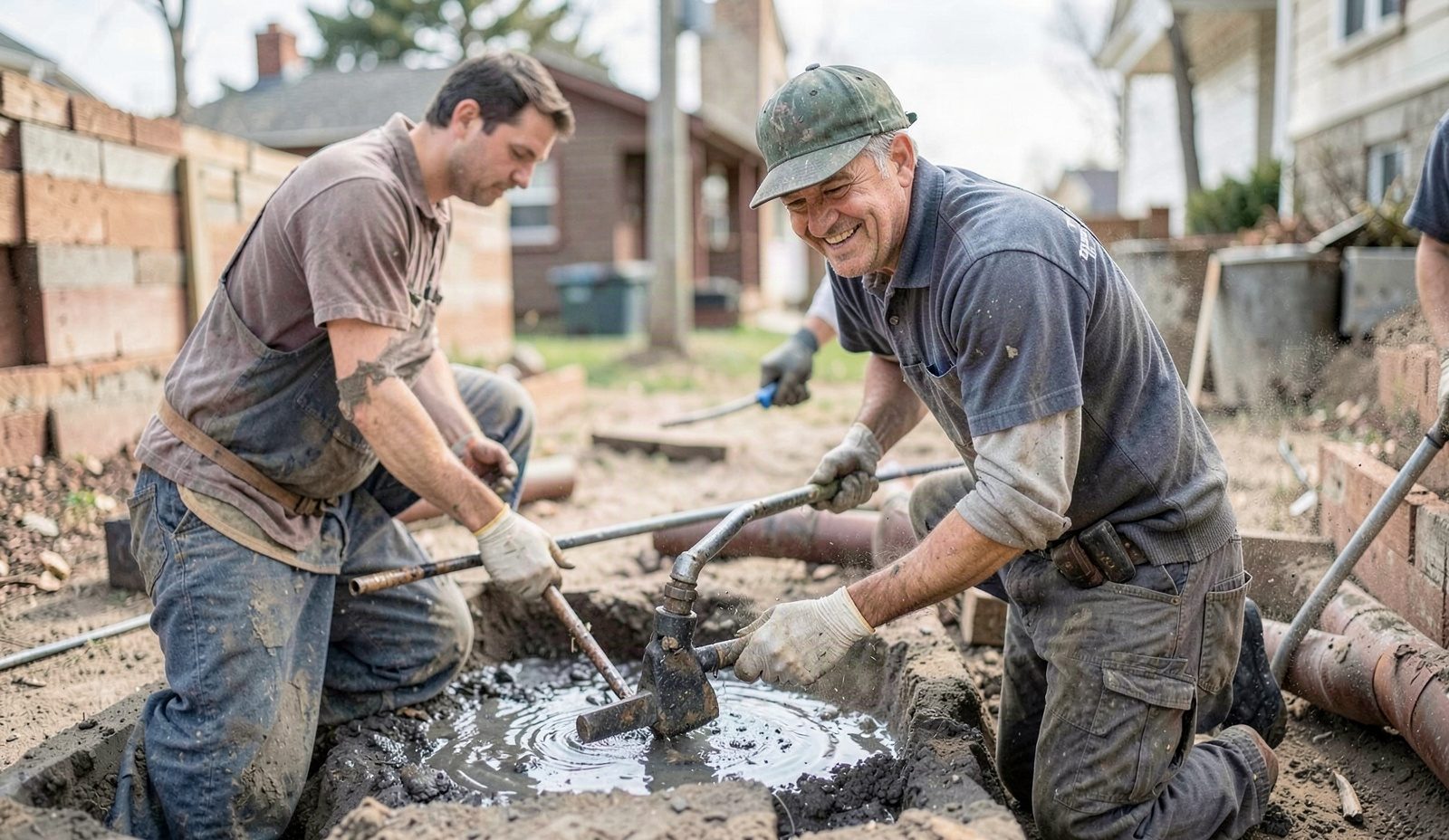
How Fort Worth's Hard Water Is Quietly Destroying Your Water Heater, practical local guidance from Shield Plumbing Fort Worth, Fort Worth's …
Read More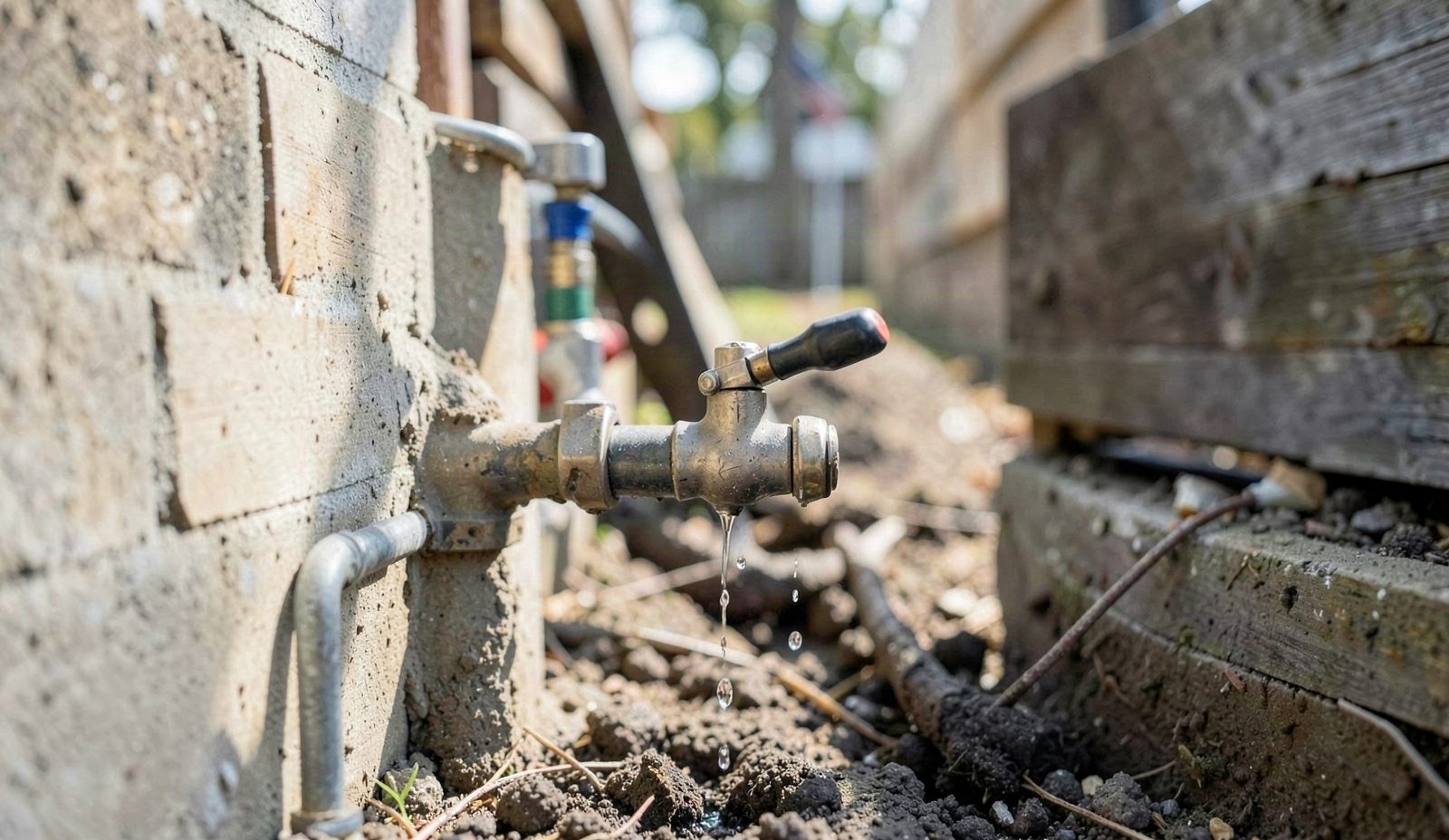
The Hidden Cost of Ignoring a Dripping Faucet in Fort Worth, practical local guidance from Shield Plumbing Fort Worth, Fort Worth's trusted …
Read More