
June 20, 2026
5 Signs Your Ridglea Hills Home Has a Slab Leak
5 Signs Your Ridglea Hills Home Has a Slab Leak, practical local guidance from Shield Plumbing Fort Worth, Fort Worth's trusted plumbing tea…
Read More




Most of Haltom City was built out during the 1950s and 1960s as slab-on-grade ranch homes, and that construction era set the plumbing standard for the whole city: cast iron sewer laterals running under the slab to the street. Those pipes are now 60 to 70 years old. Cast iron corrodes from the inside out, and the scale that builds up on the pipe wall narrows the drain path years before a full collapse shows up as a backup. Homes in the older sections east and south of the city center, where ranch construction dominates block after block, are the ones we get called to most for slow floor drains and gurgling toilets that have nothing to do with what the homeowner just flushed.
Newer pockets of construction from the 1980s forward switched to PVC drain lines and copper or PEX supply lines, which behave completely differently under the same slab. A tech who shows up expecting cast iron on a 1988 build wastes time. Reading the permit history and the visible cleanout material at the curb tells us which era we are dealing with before we ever pull a camera.
Winters here bring hard freezes that hit exposed attic runs and exterior wall supply lines the hardest, and the swing from a wet spring to a dry August moves clay-heavy Tarrant County soil enough to stress every joint under an older slab home. That seasonal cycle, repeated year after year on 60-year-old fittings, is the real reason Haltom City sees more slab leaks and drain separations than newer suburbs built on more stable engineered pads.
A plumber in Haltom City earns repeat calls by getting the diagnosis right the first time on a housing stock that does not forgive guesswork. Shield Plumbing Fort Worth built its process around that reality. Every technician walks a job with a pressure gauge, a drain camera, and a working knowledge of which decade produced which pipe material, because assuming copper on a house that actually has galvanized steel wastes a homeowner's afternoon and our fuel.
Internal quality checks happen before a technician leaves the property, not after a complaint call. That means a second look at every slab penetration, every reconnected joint, and every water heater install against the manufacturer spec sheet before the van pulls away.
Hiring a plumber in Haltom City should not mean explaining your house's plumbing history from scratch every time someone new shows up. We keep notes on recurring issues at a property, so a callback for a different problem starts from what we already know about that home's pipe material and slab condition, not a blank page. That institutional memory is the difference between a plumbing company that treats every visit as new and one that treats your house as a system it already understands.
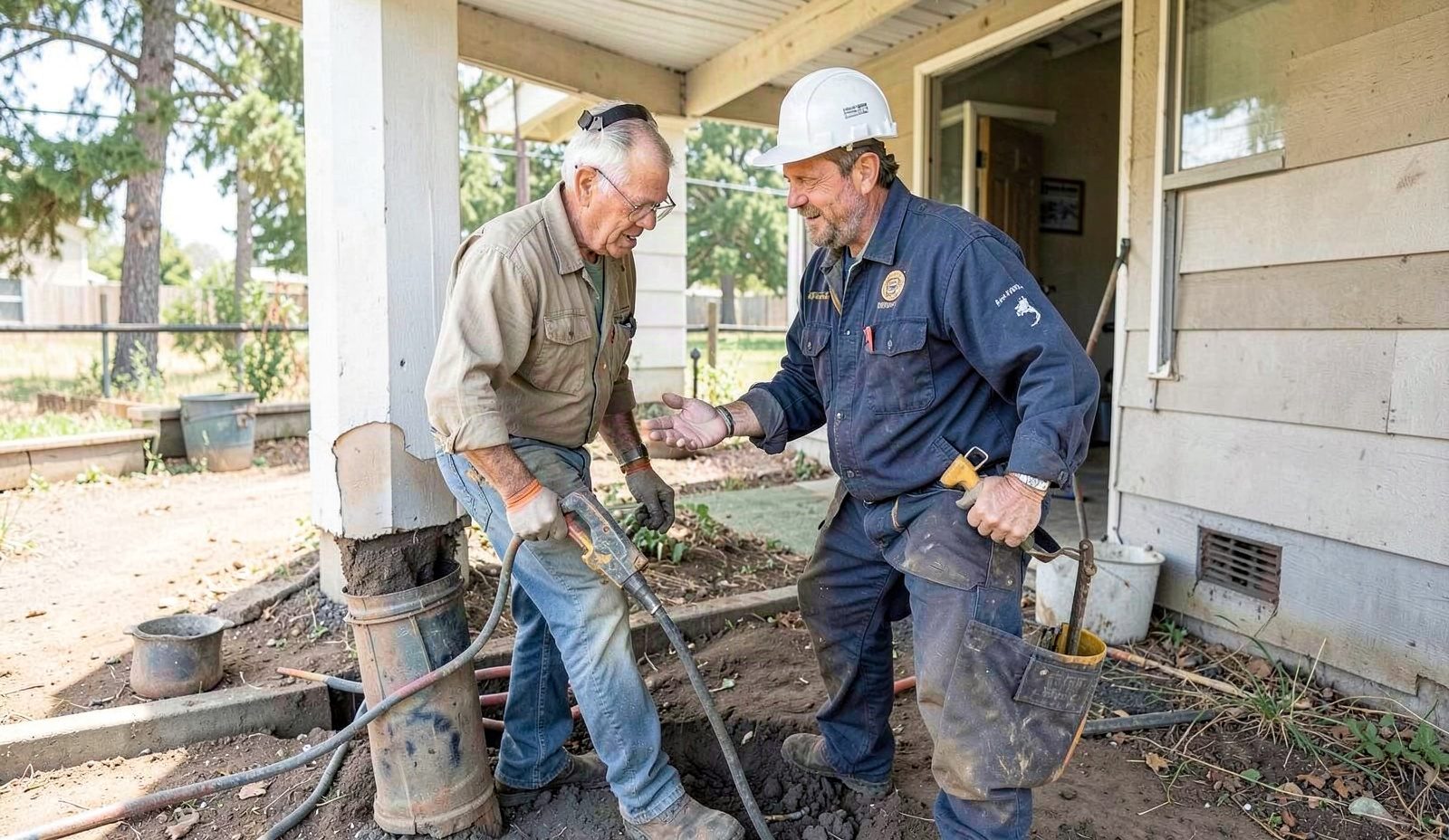
Your call connects to a person who asks about the actual symptom, not a scripted intake form. That means the technician arriving already knows whether he is chasing a slab leak, a drain backup, or a fixture failure, and he brings the right equipment on the first trip instead of a second one.
Sewer inspection cameras with built-in locators, digital pressure gauges, and moisture meters ride on every service vehicle, not just the ones dispatched for suspected slab leaks. That means a technician can confirm a cast iron collapse or a hidden supply leak on the same visit that starts as a simple drain complaint.
Work follows the City of Fort Worth plumbing code, based on the International Plumbing Code, and every journeyman on staff trains against that standard rather than a shortcut version of it. Fixture connections, venting, and backflow protection get checked against that code before a job is called finished, not assumed compliant.
Years of work inside Haltom City's ranch-era housing stock means we recognize a failing cast iron lateral by the drain sound alone, before a camera confirms it. That kind of pattern recognition only comes from repeated exposure to the same construction era, block after block, across the same city.
Residential work in Haltom City centers on the DWV and supply-line failures that come with a 60-year-old slab: sewer lateral repair, water heater replacement, fixture rough-in, and leak detection under the foundation. Commercial work covers backflow prevention testing, grease trap service, and multi-fixture builds where downtime has a direct cost. Emergency dispatch handles both, prioritized by damage risk.
Each tier uses the same code standard and the same diagnostic gear, but the sequencing changes. A homeowner gets a full walkthrough and a written scope before work starts. A business gets a scheduled service window built around operating hours. An emergency call gets triage first, containment second, and full diagnosis once the immediate risk is stopped.
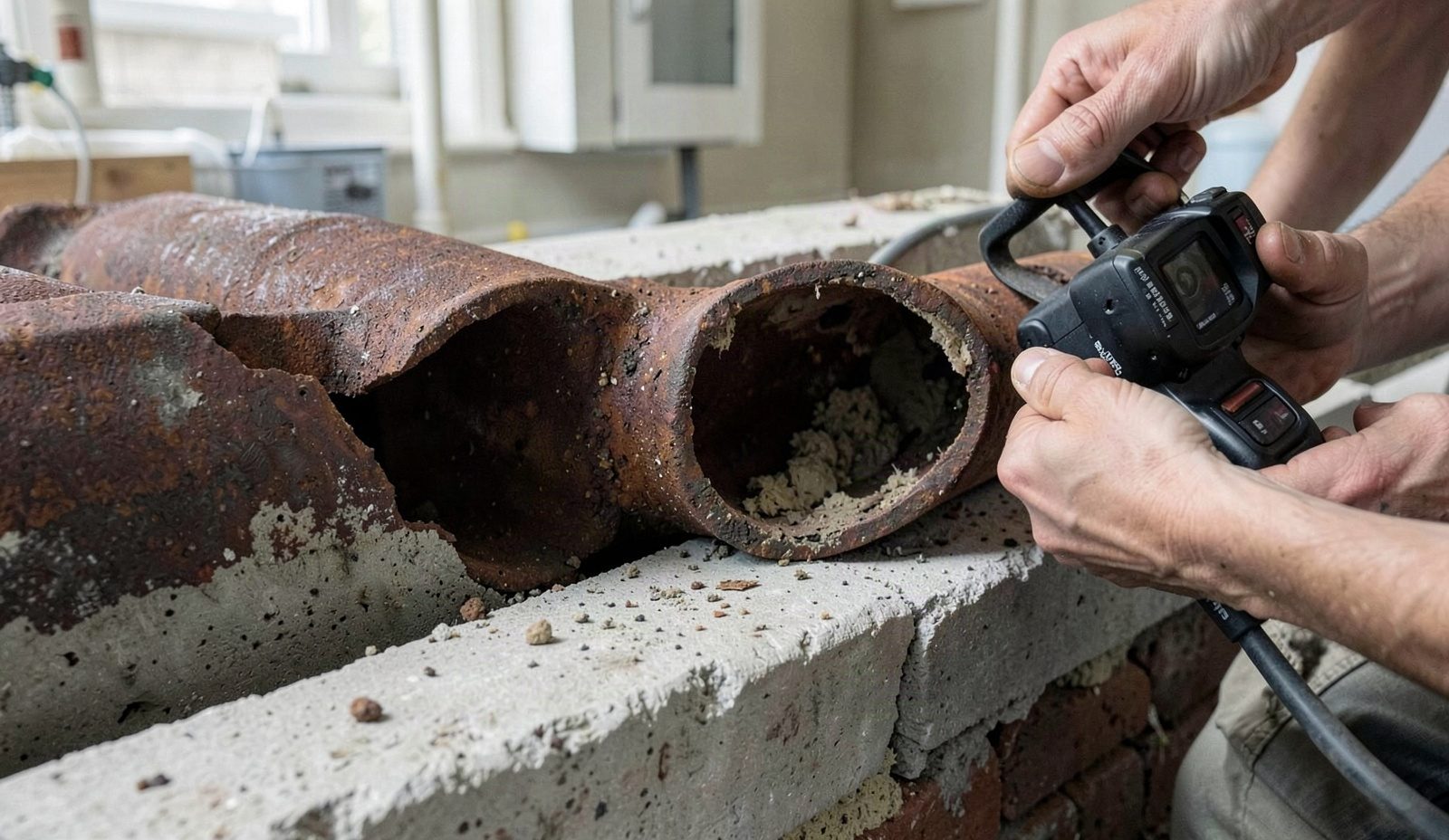
Homeowners in Haltom City's ranch-era housing call us most for two things: a warm spot on the slab that signals a hot water line leak, and a cast iron sewer lateral that has narrowed enough to back up every drain in the house at once. We handle both with camera-confirmed diagnosis before any concrete or yard gets opened, so you approve a scope based on what we actually found underground, not an estimate built on guesswork. One recent example: a 1961 ranch with a recurring floor drain backup traced to a collapsed cast iron joint eleven feet from the cleanout, repaired with a spot excavation instead of a full re-pipe. That kind of targeted fix keeps the yard and the budget smaller than a whole-line replacement.
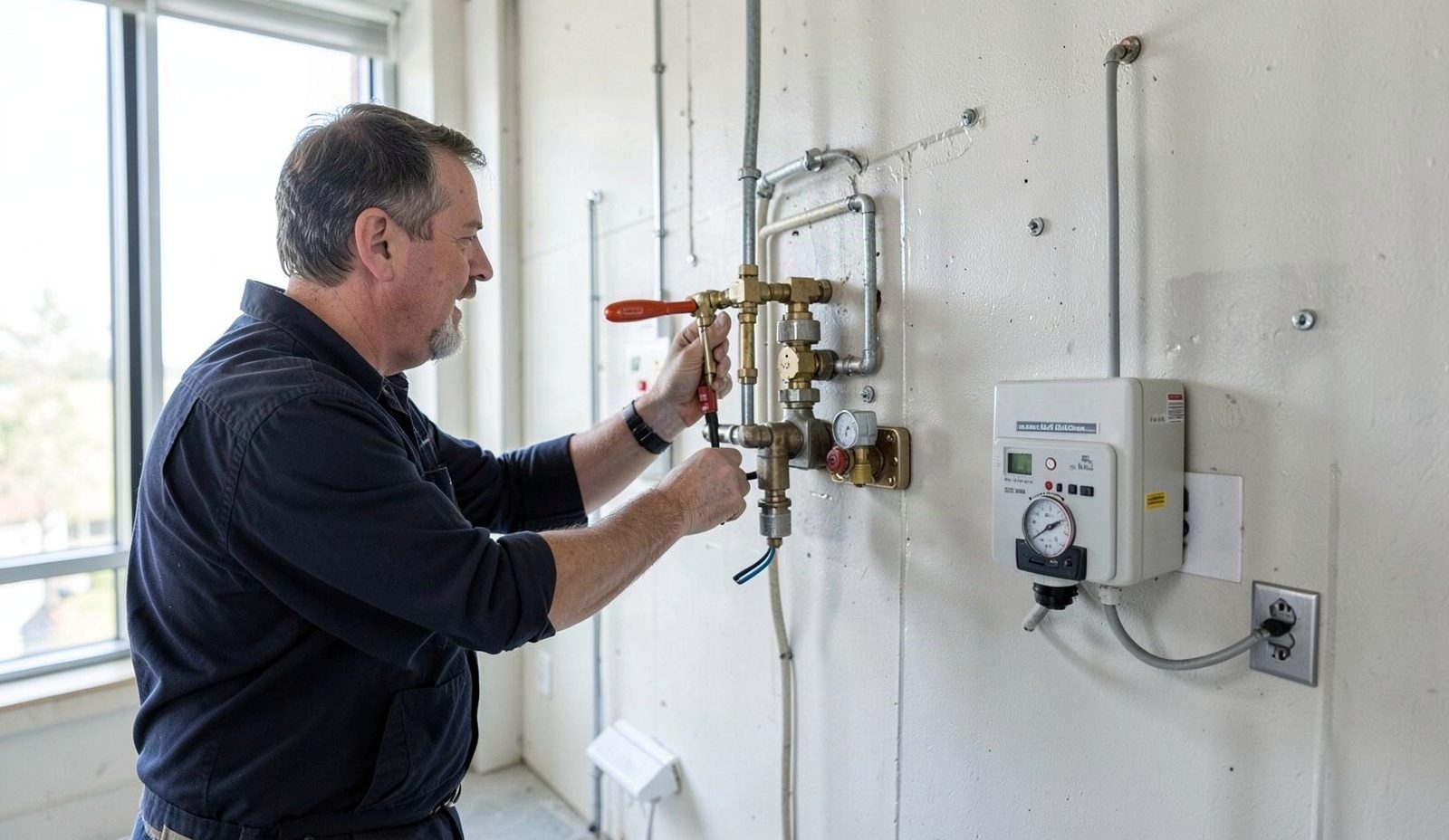
Businesses along the Haltom City commercial corridors need plumbing that keeps a health inspector satisfied and doors open. We handle backflow preventer testing, grease trap service for food service tenants, and multi-fixture restroom builds sized to actual occupancy load, all documented against the City of Fort Worth plumbing code so a property manager has paperwork ready for a lease audit or insurer request. One typical scenario: a strip retail tenant failing an annual backflow test gets same-week retesting scheduled around business hours, with a written compliance report delivered to the property owner, not just the tenant, so the building's liability record stays current without an unplanned closure.
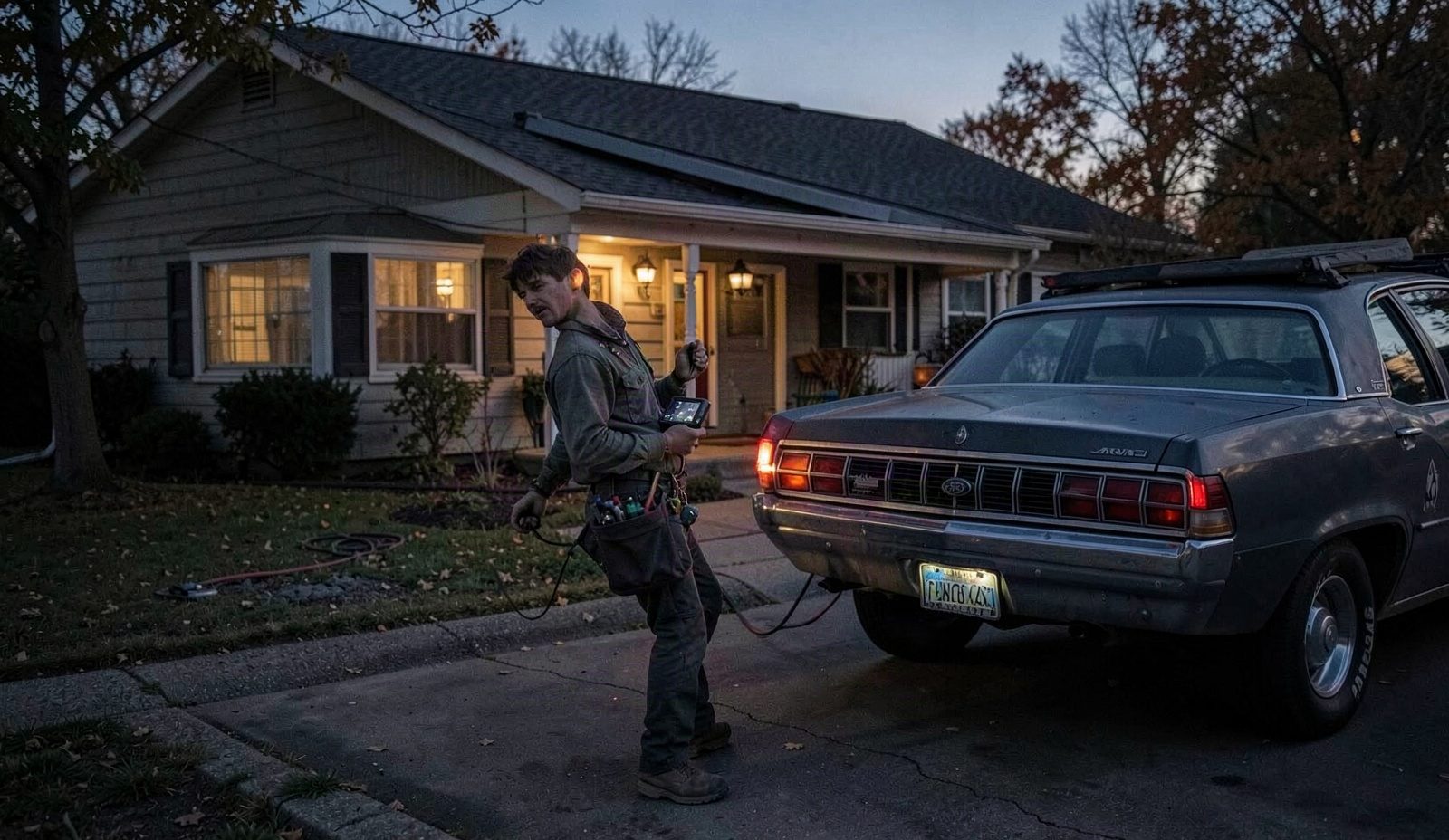
A burst supply line in an attic during a freeze does not wait for business hours, and neither do we. Emergency dispatch in Haltom City focuses on stopping active water damage first: locating and shutting the affected line, containing standing water, and stabilizing the property before full repair begins. One common call: a February cold snap splits a copper line inside an exterior wall on a 1966 ranch, and the homeowner hears running water behind the drywall at 2 a.m. The priority on that call is isolating the leak at the nearest shutoff, not diagnosing the whole system, so damage stops spreading while the rest of the repair gets scheduled.
Four patterns account for most service calls across Haltom City, and each traces back to a specific local condition rather than random bad luck. Recognizing the early signal on any of these saves a homeowner a far larger repair once the failure progresses past the point of a simple fix.
Catching these early matters more here than in newer suburbs, because the underlying pipe material in most of the city is already decades past its expected service life. A small symptom today is rarely an isolated event.
One of our most-requested services here is shower & bathtub plumbing, see that page for pricing and process.
Hard freezes hit exposed attic runs and exterior wall supply lines the hardest, and the region's worst cold event on record burst pipes across Tarrant County by the tens of thousands, most of them in exactly those two locations. A hissing sound behind a wall or a sudden drop in water pressure during a cold snap means call before the line fully splits, not after.
Pre-1970 construction across the metro, including much of Haltom City, used galvanized steel for supply lines and cast iron for drains, and both materials are now at or past the end of their rated service life. Rust-colored water from a cold tap or a drain that empties slower every month signals internal corrosion narrowing the pipe before it fails outright.
The Big Fossil Creek drainage keeps parts of Haltom City on soil that cycles between fully saturated and bone dry, one of the harder patterns a rigid drain line can face. That repeated swelling and shrinking pulls joints apart under the slab over time. Recurring drain backups with no clear blockage cause point to joint separation, not a simple clog.
Fort Worth water runs moderately hard, and the mineral scale it deposits on a heating element is a leading reason local water heaters fail years before their rated life. A popping or rumbling sound from the tank during heating cycles means sediment has already built up on the element and the unit is running on borrowed time.
A first visit starts with the technician checking static water pressure and walking the fixture or drain in question before touching anything else. That initial read usually takes fifteen to twenty minutes and tells us whether the symptom you called about is isolated or connected to a bigger system issue.
Have your water shutoff location known and any recent utility bills handy if you suspect a hidden leak. That single detail speeds up the diagnosis more than anything else a homeowner can do before we arrive.
From routine maintenance to 24/7 emergency plumbing services, the same local crew handles every call.
When you call, we confirm the symptom, the property type, and a realistic arrival window the same day for most requests. You get a call or text when the technician is on the way, with a real-time estimate rather than a vague morning-or-afternoon block. If the scope sounds like it may need a second technician or specialty equipment, we say so on that first call, not after someone is already standing in your driveway.
The technician arrives in a marked vehicle, introduces himself, and asks you to walk him to the fixture or area in question before any tools come out. Floor runners and drop cloths go down in the work path on carpet or finished flooring. He explains what he is checking and why, in plain terms, before starting any diagnostic step, so you understand what you are looking at when he shows you the reading.
Before the technician leaves, he walks you through exactly what was repaired, shows you the fixed connection or cleared line directly, and confirms water pressure and drainage are back to normal in front of you. Work area cleanup happens before the walkthrough, not after. You receive an itemized breakdown of the work performed so you have a record for your own files or an insurance claim if the damage warranted one.
The process runs the same whether the call comes in as a routine repair request or a same-day emergency, with the pace adjusted to the risk level. Scheduling windows run in two-hour blocks for standard calls, tightened to as-soon-as-possible dispatch for active leaks.
Cleanup and a written summary close every job regardless of size, because a homeowner should never have to guess what was actually done under the slab or behind the wall.
Call (817) 710-3766 and describe what you are seeing: water location, sound, pressure change, or fixture affected. We log the property's construction era if known and flag whether the symptom pattern suggests an emergency dispatch or a scheduled visit, then confirm your arrival window before hanging up.
The technician runs the diagnostic checks relevant to your symptom, whether that is a pressure reading, a camera run, or a leak trace, and presents a written scope of work with the findings before starting repairs. You approve the scope and the technician confirms parts availability before cutting into any pipe.
Repairs proceed against the City of Fort Worth plumbing code standard, with fixture connections and venting checked before the work area closes up. The technician tests the repaired line under pressure, walks you through the fix, and leaves you an itemized record of what was replaced or repaired.
Plumbing work in Haltom City falls under the City of Fort Worth plumbing code, and compliance gets verified on the spot rather than assumed. One example: Section 604.8 of the International Plumbing Code requires a pressure-reducing valve wherever static water pressure at a fixture exceeds 80 psi. On every service call, we read static pressure at an outdoor spigot with a calibrated gauge. A reading above that threshold means we install and size a PRV correctly, not just note the number and move on. A reading below it rules out pressure as a contributing cause and points the diagnosis elsewhere, toward the pipe material or the fixture itself.
Full plumbing replacements and structural work, such as a full sewer lateral re-pipe or a repositioned water heater vent, typically require a permit. A minor like-for-like repair, such as swapping a failed shutoff valve or replacing a single fixture supply line, often does not. The final determination on any specific job belongs to the permitting authority, and we confirm that requirement before starting scope-expanding work rather than after.
Materials get selected against the standard each application calls for: PEX or copper for supply runs depending on the exposure and freeze risk of the run, and PVC or cast-iron-rated fittings for drain reconnections depending on what the existing line already uses. Matching material to the existing system prevents galvanic corrosion at the joint, a detail that shortens the life of a repair when it gets skipped.
Permit and inspection questions? Development Services is the office we coordinate with on every permitted Fort Worth job.
North Texas expansive clay swells with rain and shrinks in drought, and that cycle moves slab foundations enough to shear rigid copper supply lines and pull drain joints apart under the house. Any repair on a slab home in this region accounts for that ongoing movement, not just the failure point found on the day of the call.
Access is the biggest scope driver on older homes: a slab leak under a finished floor costs more labor than one under an accessible crawl space. Pipe material, the length of run affected, and whether a fixture needs full replacement versus a single-part repair all shift the final scope beyond the initial symptom.
A standard fixture repair typically finishes in one visit under two hours. A slab leak with excavation runs a full day once the leak is located and confirmed. Every completed repair gets pressure-tested before the technician leaves, and drain repairs get a camera pass to confirm full flow, not just a visual check of the surface work.
The Texas State Board of Plumbing Examiners serves as the permit authority governing plumbing work performed in Haltom City. Structural changes and full system replacements get submitted for review through that authority before work proceeds, and inspection sign-off follows completion on any permitted scope.
Minor fixture swaps are within reach for a handy homeowner, but drain and supply line work under a slab is not. Cutting into a cast iron lateral or a pressurized copper line without the right fittings risks a leak that shows up weeks later inside a wall or under a floor, often costing far more to fix than the original problem.
Estimates are written after the technician diagnoses the actual problem on-site, not quoted blind over the phone. You see the findings, the technician explains the scope, and you approve the written number before any repair work or cutting begins.
Same-day dispatch is available for most Haltom City service requests, prioritized by damage risk. An active leak or burst line jumps ahead of a scheduled repair, and you get a real-time arrival window once the technician is en route.
Time depends on the repair type, not a fixed number. A single fixture repair typically wraps up in under two hours, while a slab leak requiring excavation runs a full working day once the leak location is confirmed and access is cleared.
Most single-joint or single-fixture repairs take under two hours once the technician is on site. A full new gas line for a stove, grill, or outdoor kitchen, especially one that requires opening a wall or trenching a short run outside, typically takes a half day to a full day depending on how far the new line has to travel from the existing supply.
Cleaning cost depends on how much sediment has settled in the basin and whether the check valve needs disassembly to clear it. A pit clogged with silty runoff from clay soil takes longer to clear than one with light debris. A technician vacuums the basin, wipes the float switch, and cycles the pump before leaving, with pricing set after that inspection.
Explore our service area and locate Shield Plumbing Fort Worth with ease. We're proudly local and serve the surrounding neighborhoods with fast response and honest pricing. Use the map to check our coverage area, or call us and we'll confirm in seconds.
Address:
Shield Plumbing Fort Worth, Haltom City, TX 76117
5 Signs Your Ridglea Hills Home Has a Slab Leak, practical local guidance from Shield Plumbing Fort Worth, Fort Worth's trusted plumbing tea…
Read More
What Wedgwood Residents Should Know Before a Whole-Home Repipe, practical local guidance from Shield Plumbing Fort Worth, Fort Worth's trust…
Read More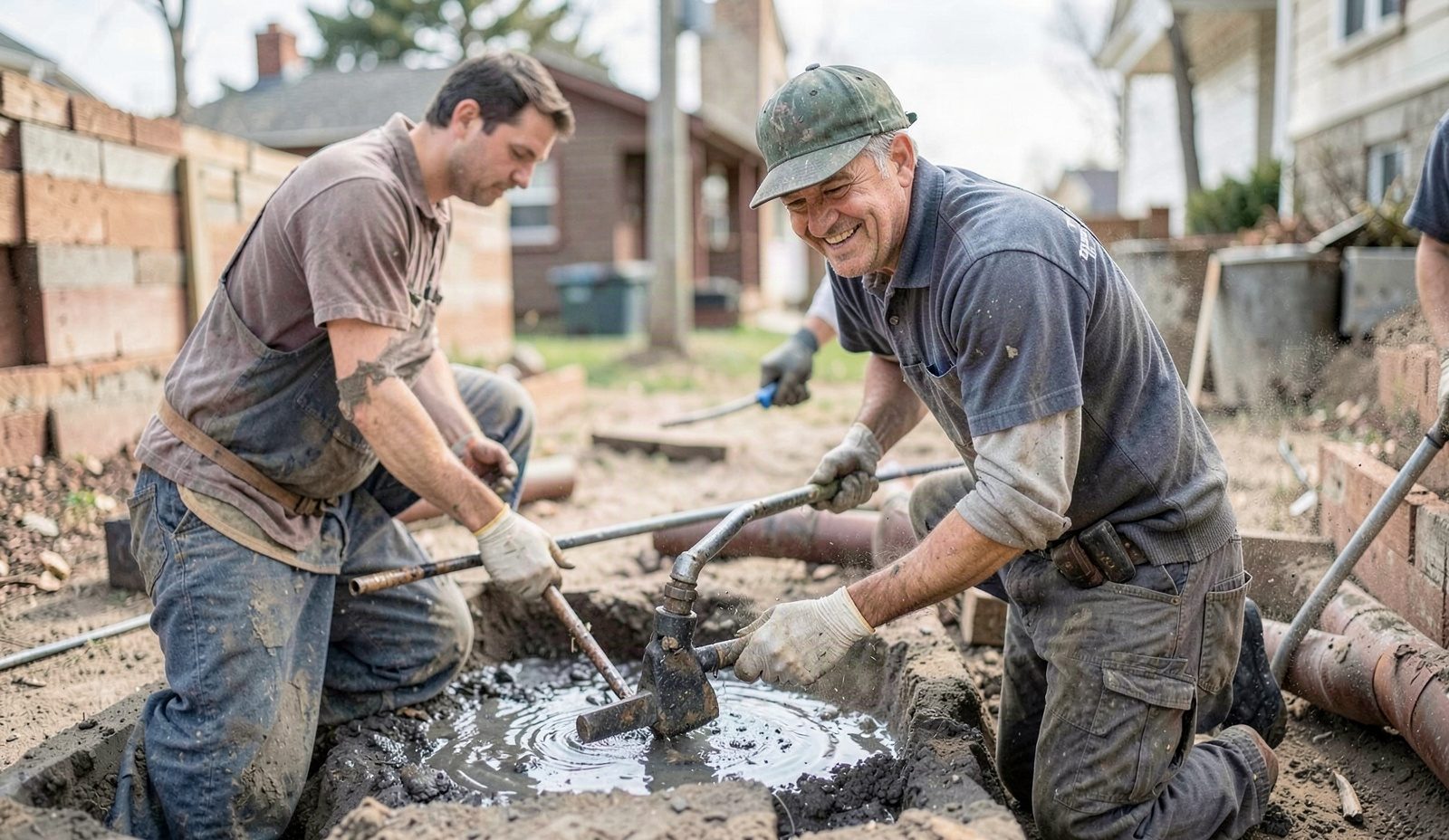
How Fort Worth's Hard Water Is Quietly Destroying Your Water Heater, practical local guidance from Shield Plumbing Fort Worth, Fort Worth's …
Read More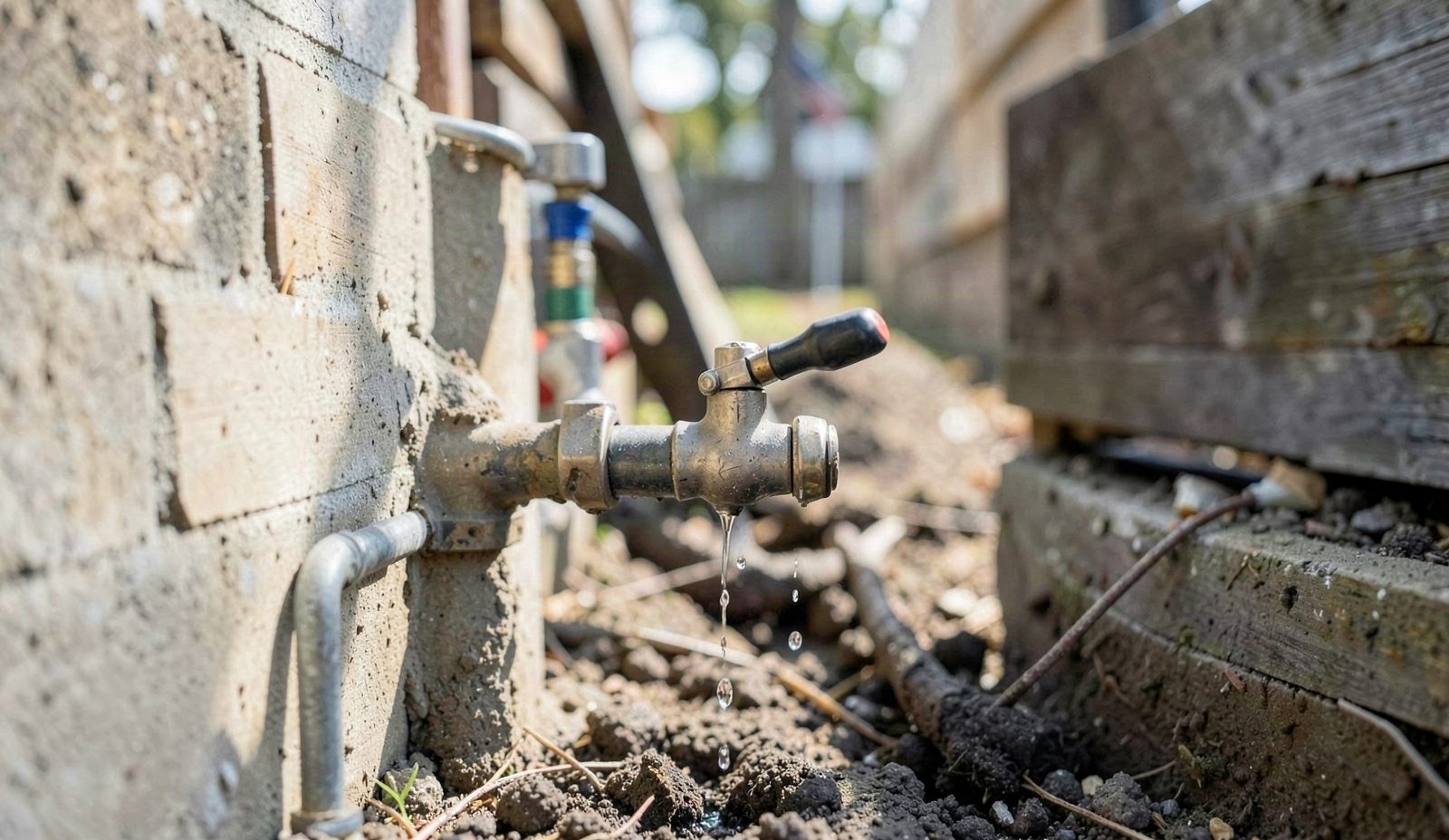
The Hidden Cost of Ignoring a Dripping Faucet in Fort Worth, practical local guidance from Shield Plumbing Fort Worth, Fort Worth's trusted …
Read More